Messy Play Made Easy Indoors With Kids
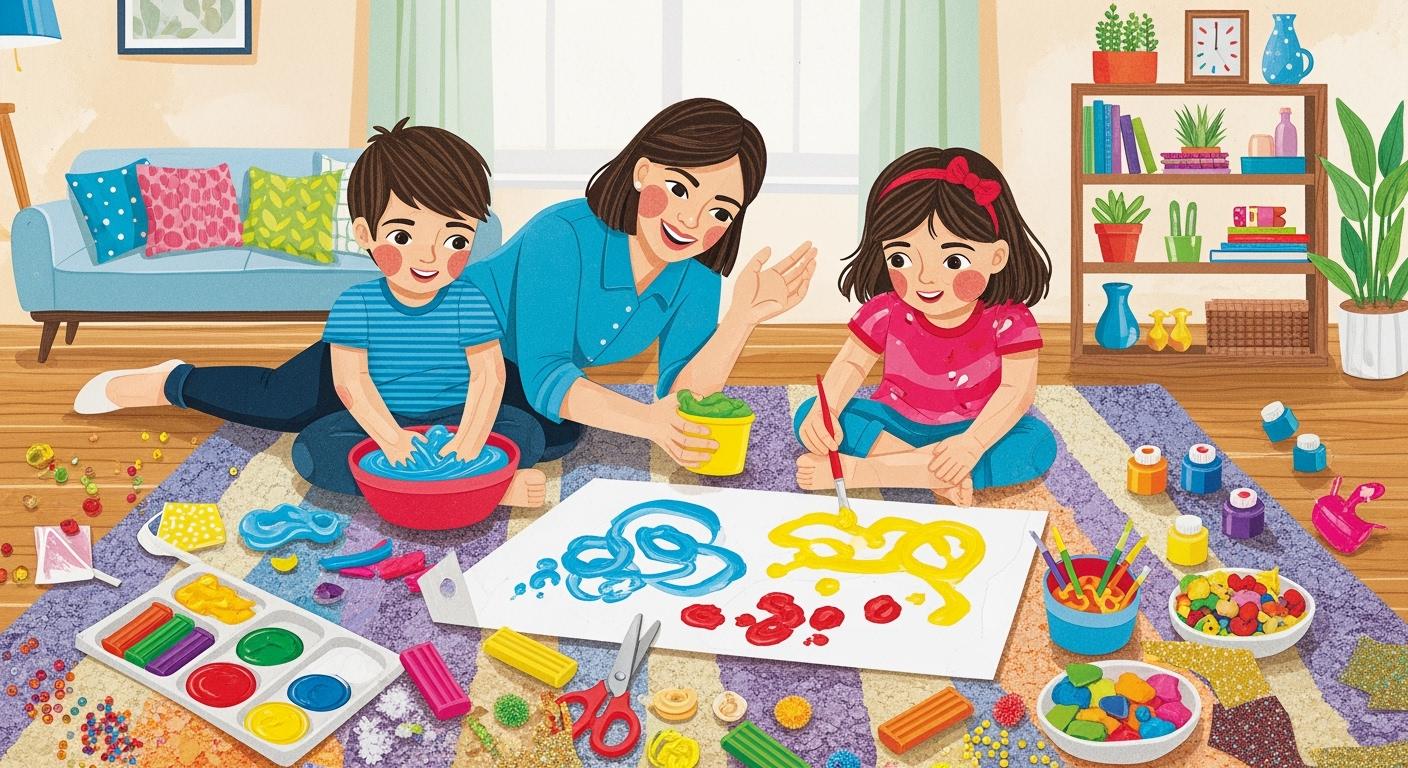
You know that time when your child’s hands are full of paint, and you think about if your couch will be clean again? Don’t worry—messy play inside can really be simple. Messy play helps the brain grow, builds motor skills, and helps kids handle feelings, all while making memories together.
Key Takeaways
Pick a special area in your home for messes. This helps make cleaning up easier. Use old sheets or plastic tablecloths to keep the mess in one spot.
Pick materials that are easy to clean, like water, sand, and rice. These choices help stop stains and make cleaning up simple.
Let your child help set up and clean up. This helps them learn new skills. It also makes messy play more fun for everyone.
Simple Prep For Messy Play Indoors
Picking The Right Space
You want to make messy play fun, not stressful. Start by picking a spot in your home that can handle a little chaos. Many parents use the kitchen, bathroom, or even a hallway. The bathtub works great for water or foam activities because you can rinse everything away. If you have a sensory playroom or a sensory table, those are perfect for messy adventures. You can also create a mess zone by laying down an old sheet, a large towel, or a plastic tablecloth. This keeps the mess in one spot and makes cleanup much easier.
Tip: Use a shallow plastic bin or even a kiddie pool to keep messy materials like sand, rice, or cloud dough contained.
Easy-To-Clean Materials
You do not need fancy supplies for messy play. Pick the right messy activity by choosing easy-to-clean materials. Water, bubble foam, sand, and rice are all great options. These materials wipe up fast and do not stain. Old sheets, tuff trays, and plastic bins help you set up and clean up in minutes. If you want to go outside, the backyard or patio is perfect for messier projects.
Setting Boundaries With Kids
Messy play works best when everyone knows the rules. Keep boundaries simple and clear. Tell your child where the mess stays and what is off-limits. Repeat the rules often so your child remembers. Stay calm if things get extra messy. Show your child how to clean up and talk about what went well. This helps your child feel safe and makes messy play more fun for everyone.
Keep rules short and easy to follow.
Remind your child about the mess zone.
Stay consistent and kind when you set limits.
Setting Up For Success
Floor And Furniture Protection
You want your home to survive messy play. Start with a mat made for messy activities. Round mats work best because they cover more space and do not have corners that trip you up. A mat at least 100 cm wide will catch most spills, especially under high chairs. These mats clean up fast and work for art, crafts, or sensory fun. You can also use towels or old sheets for extra protection. Here’s a quick look at common surface protectors:
Material | Benefits | Maintenance Requirements |
|---|---|---|
Rubber Mulch | Great shock absorption, lasts long | Needs little care |
Wood Mulch/Chips | Natural look, soft for play | Add more every few years |
Engineered Wood Fiber | Good for impact, ADA-compliant | Rake and refill often |
Sand | Fun and absorbs shock | Check and clean regularly |
Pea Gravel | Soft, but not safe for toddlers | Watch for choking hazards |
Tip: Pre-heat the play area if it feels chilly. Kids stay engaged longer when they feel comfortable.
Organizing Supplies
You can make messy play less stressful with a little organization. Keep your supplies simple and easy to reach. Store your most-used items nearby. Use shelves, bins, or hooks to save space. Try these steps:
Keep favorite tools close.
Use wall space for extra storage.
Build tidy-up habits with your child.
Ultra-soft bamboo bibs help with quick cleanups during smaller, messy sessions.
Involving Kids In Setup
Kids love to help! Let them join the setup for messy play. Ask your child to pick out materials and tools. Write a list together and check off each item as you go. This builds planning and organizing skills. You can also let your child pour water into a bin, lay out towels, or set up sponges and cups. When you involve your child, you turn setup into part of the fun.
Let them gather and arrange supplies.
Give simple jobs like pouring or spreading towels.
Messy play feels easier when everyone helps from the start.
Messy Sensory Play Ideas For Toddlers

Messy sensory play can make a normal day exciting for toddlers. You do not need to worry if you plan ahead and pick the right activities. These ideas help your child learn, grow, and have fun while keeping mess under control.
Low-Mess Activities
Messy sensory play does not always mean a huge mess. Some activities are easy to clean up. These choices let toddlers enjoy new textures without making a big mess at home. Here are some top picks:
Activity | Description |
|---|---|
Sensory Squish Bags | Fun to touch and not messy; fill a bag with hair gel and food coloring, then seal it well. |
Mystery Sensory Bottle | Cool to look at with water, oil, and small objects; teaches about floating and sinking. |
Contact Paper Art | Sticky fun with contact paper and loose parts; no glue needed, so cleaning up is simple. |
You can also try water play with measuring cups. This helps with problem-solving and early math. Cornflour slime, or oobleck, is a simple science activity and feels great to squish. Finger painting lets toddlers show feelings and learn about colors. Use washable paints and a tray to keep the mess in one spot.
Tip: Sensory squish bags and contact paper art are great for rainy days when you want to keep the mess small.
Contained Play Options
If you want less mess, use bins, trays, or set spaces. These tools help you control the mess and make cleaning up fast. Tuff trays are good for bigger, messier play and let more than one toddler join in. Sensory bins are smaller and easy to put away, so they are good for quick play.
Play Option | Description | Benefits |
|---|---|---|
Tuff Trays | Big, flat surfaces for messy play and hands-on learning. | Easy to clean, bring outdoor fun inside, and good for group play. |
Sensory Bins | Small and easy to move for quick, neat play indoors. | Less mess, helps kids explore on their own, and makes cleanup simple. |
You can fill a sensory bin with dry noodles, water beads, or nature items like leaves and pinecones. Keeping supplies organized helps you offer many textures without extra mess. Using contained play lets toddlers explore while you relax.
Sensory bins are nice for solo or small group fun.
Both help keep messy play easy and stress-free.
Quick Switch Activities
Sometimes you need to change activities fast. Quick switch activities help you move from one messy play to another without trouble. Start with dry things like rice or cotton balls. Give your child spoons or tongs to use, so their hands stay cleaner at first.
Give tools like tongs or scoops to keep hands clean.
Play together—your excitement helps your child try new things.
Add new textures slowly, like moving from rice to oobleck or jelly.
Focus on exploring, not making something perfect.
For younger toddlers, use safe foods like cooked pasta or yogurt for messy play.
Messy sensory play is more than just fun. It helps toddlers build brain skills, remember things, and use their hands better. These activities also teach how to handle feelings, work with others, and make friends. Quick switch activities help your child calm down and not get too overwhelmed.
Note: Messy sensory play helps with problem-solving, thinking, and talking. Every squish, scoop, and splash helps toddlers grow in ways you can see and feel.
Messy sensory play does not have to be hard. With low-mess ideas, contained play, and quick switch activities, you can make messy play the best part of your day inside. Let your toddlers explore, create, and learn—one mess at a time.
Managing Messy Play Cleanup
Fast Cleanup Tips
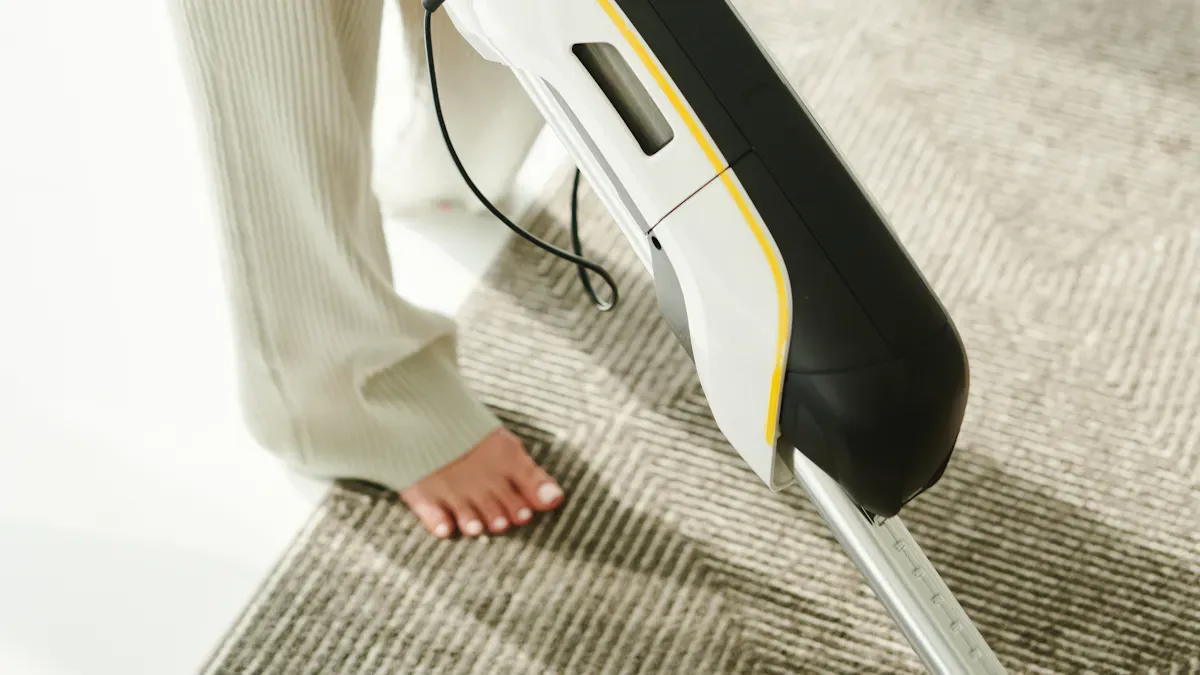
Managing messy play starts with a solid messy play game plan. You can make cleanup quick if you set up right from the start. Lay down a big sheet or reusable drop cloth before play begins. This keeps the mess in one spot. Keep an empty bucket nearby for dirty tools and toys. Dress your child in play clothes so you do not worry about stains. Supervise the fun, but let your child explore. Stay calm and keep the mess within your comfort zone. That way, you will want to try messy play again soon.
Tip: Wet washcloths or wipes help you clean sticky hands and faces right away.
Teaching Kids To Help
Managing messy play works best when you involve your child. Turn cleanup into a messy play game plan. Use music to make it a race—can you finish before the song ends? Show your child what to do with pictures or a simple list. Let them help plan the cleanup steps. Here are some ways to get kids involved:
Strategy | Description |
|---|---|
Visual Supports | Show pictures of each cleanup step. |
Cleanup Plans | Let your child help decide how to clean up. |
Music Challenge | Play a song and see if you can finish before it ends. |
Cleanup can be part of the fun!
Storing Supplies
Managing messy play means keeping your space tidy after the fun. Use clear bins so you and your child can see what is inside. Label everything—even if your child cannot read yet. Store art and sensory items in zip bags or old jars. Hang shelves on the wall to save floor space. Cubbies help keep things sorted and easy to find. When you organize supplies, you set yourself up for messy play success every time.
Note: Re-purposed containers make storage easy and add a personal touch to your messy play area.
Keeping Messy Play Safe And Fun
Safety Tips
You want your child to have fun and stay safe. Pick materials that are right for their age. Check for choking hazards using the toilet paper roll rule. If something fits inside the tube, keep it away from young kids. Always watch your child closely, especially with water or small parts. Look around the play area for sharp things or stuff that could trip your child. Make sure everything is non-toxic and safe for toddlers.
Here’s a safety table you can use:
Safety Guideline | Description |
|---|---|
Toilet Paper Roll Rule | Test small items for choking risk. |
Button Battery Danger | Secure battery compartments to prevent accidents. |
Active Supervision | Stay within arm’s reach during messy activities. |
Scan for Hazards | Remove sharp or dangerous objects from the play area. |
Note: Sometimes gel gets in eyes, skin gets irritated, or chemical burns happen. Always read labels and pick safe products.
Allergy Awareness
Allergies can show up during messy play. Know your child’s allergies and check ingredient lists. Avoid common allergens in sensory bins and art supplies. Cocoa powder, cornstarch, and water are allergy-friendly materials. These let your child play without worry. If you try something new, test a small amount first. Watch for redness or itching and stop if you see any reaction.
Positive Play Environment
You help make messy play fun. Stay calm when spills happen. Use positive words like, “Nice job exploring!” or “Let’s clean up together.” Tell your child where the mess should stay and how to tidy up. Turn cleanup into a game by playing music and racing to finish. Keep routines the same so your child knows what will happen. When you are patient and encouraging, your child feels safe and confident during messy play.
Messy play inside can be fun if you plan ahead. Follow easy steps and let your child help at each part. Messy play helps kids use their imagination and become stronger. It also makes special memories. Childhood is better when kids can get messy, try new things, and learn with others.
FAQ
How do you keep messy play from getting out of control?
Set clear rules before you start. Use a mat or tray. Remind your child where the mess should stay. Stay close and join the fun.
What if you do not have special messy play supplies?
You can use things you already have. Try old sheets, plastic containers, or kitchen tools. Everyday items work great for sensory play.
How often should you do messy play indoors?
You can do messy play once a week or more. Pick a time that works for your family. Even short sessions help your child learn.
See Also
Maximizing Sensory Experiences with a Play Tray Setup
Innovative Ideas to Boost Learning Through Sensory Mats
The Enchantment of Sensory Play in Today's Homes
Best 10 Clean Sensory Activities for Nurseries in 2025
Designing Exciting Holiday Sensory Activities for School Kids

