Lycra body sock tips every parent should know
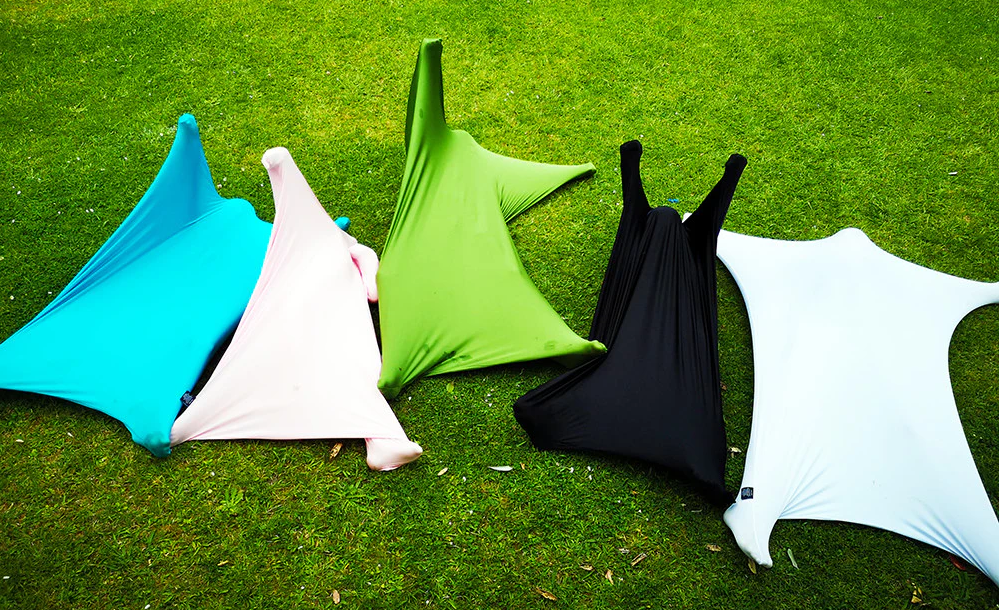
You want your child to feel good and comfortable. You care about their feelings and happiness. If you are looking for sensory tools, a lycra body sock may interest you. Many parents see that Lycra Sensory Socks help kids relax. Kids can feel less worried and have a safe place to play. These stretchy socks help kids know where their bodies are. They also give a gentle touch. Every child is different, so picking the right size and being safe is important.
Key Takeaways
Pick the right size for your child's body sock. Measure how tall and wide they are. Add five inches so they can move easily.
Choose soft and breathable fabrics like cotton or bamboo. These materials feel nice and give gentle pressure. This helps make the sensory experience better.
Watch your child when they use the body sock. Make sure the play area is safe. Look for any signs that your child feels uncomfortable.
Keep the body sock clean by washing it in cold water. Use a gentle detergent. Air dry it to help keep its shape and stretch.
Let your child try the body sock slowly. Allow them to explore it at their own speed. This helps them feel comfortable and happy with it.
Choosing a Lycra body sock
Finding the right size and fit
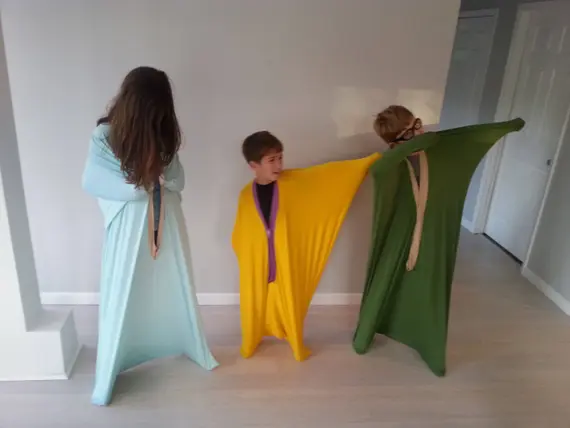
Getting the right fit for your child matters a lot. A body sock that is too tight can feel uncomfortable. One that is too loose may not give enough sensory feedback. You want your child to feel safe and free to move. Here’s how you can find the best size:
Measure your child from head to toe for the length.
Measure from shoulder to shoulder for the width.
Add about five inches to both measurements. This extra space helps your child stretch and move inside the body sock.
Check the size chart from the brand you choose. Each company may have different sizing.
If you are not sure, go for a slightly bigger size. Your child can grow into it, and it will still give the right amount of pressure. A good fit makes the Lycra body sock more beneficial for kids who need sensory input.
Material and comfort features
The fabric you pick can change how your child feels in the body sock. Some materials feel soft and cool, while others may feel scratchy or too warm. You want your child to enjoy the sensory body sock, not avoid it.
Tip: Look for a blend of 80% nylon and 20% spandex. This mix gives the right stretch and lasts a long time. It also helps the body sock keep its shape after many uses.
Here’s a quick look at how different fabrics can affect comfort and sensory experience:
Fabric Type | Breathability | Stretch | Sensory Impact |
|---|---|---|---|
Synthetic Blends | Low | Varies | It can cause irritation, static, and temperature issues for sensory-sensitive individuals. |
Natural Fibres | High | Varies | Generally more tolerable; cotton, bamboo, and merino wool are preferred for their comfort. |
Cotton | Moderate | Low | Soft for some, rough for others; varies by individual sensitivity. |
Bamboo | High | Moderate | Silky texture and good temperature regulation; may be slippery for some. |
Merino Wool | High | Low | Provides warmth without bulk; some may find it scratchy. |
Synthetic Athletic | High | High | Moisture-wicking properties can prevent discomfort from dampness, despite being synthetic. |
Fabric Weight | Varies | N/A | Heavier fabrics provide proprioceptive feedback; lighter fabrics minimize sensation against skin. |
You might want to choose soft fabrics like cotton or bamboo. These feel gentle and help keep your child cool. Fabrics with spandex or Lycra give a four-way stretch. This lets your child move in any direction without feeling stuck. Stretchy materials also help the body sock give gentle pressure, which many children find calming.
DIY body sock options
If you want to save money or need a custom size, you can make a body sock at home. Making your own can be fun and lets you pick the fabric your child likes best. Here’s a simple way to do it:
Measure your child from head to toe for length and from shoulder to shoulder for width. Add five inches to each.
Test the fabric before you buy it. Make sure it feels soft and stretches well.
Use 100% polyester thread. This thread is strong and stretches with the fabric.
Pick a ballpoint or stretch needle for your sewing machine. These needles work best with stretchy fabrics.
Sew the fabric with a zigzag stitch. This stitch lets the body sock stretch without breaking the seams.
Note: Always check the finished body sock for loose threads or rough edges. These can bother your child’s skin.
A homemade Lycra body sock can work just as well as a store-bought one. You can also let your child help pick the color or pattern. This makes the body sock feel special and more inviting.
Sensory body sock safety
Supervision and safe use
You want your child to have fun and feel safe with a body sock. Safety always comes first. You should always watch your child when they use a body sock. Kids can get excited and move around a lot, so you need to make sure nothing dangerous is nearby.
Here are some simple safety tips to follow:
Check the play area for sharp objects, furniture corners, or anything your child could trip over.
Make sure your child keeps their head and neck outside the body sock. If your child wants to put their head inside, you must stay close and watch them the whole time.
Never let your child sleep in a body sock. These are for play and sensory time only.
Stay in the room and keep an eye on your child during use.
Tip: Set up a soft mat or carpet under your child. This helps prevent bumps if they fall.
You can help your child feel secure by making the environment safe and being present. This way, the Lycra body sock becomes a tool for comfort, not worry.
Cleaning and care tips
A clean sensory body sock feels better and lasts longer. Kids use their body socks in many ways, so they can get dirty quickly. You want to keep it fresh and free from germs.
Follow these steps for easy cleaning:
Check the care label for washing instructions. Most body socks can go in the washing machine.
Use a gentle detergent. Strong soaps can make the fabric rough or cause skin irritation.
Wash the body sock in cold water. Hot water can damage the stretch.
Air dry the body sock. High heat from dryers can shrink or weaken the fabric.
Store the body sock in a dry place. Dampness can cause mold or bad smells.
Note: Always check for loose threads or holes before each use. Fix any problems right away to keep your child safe.
Recognizing risks and discomfort
You know your child best. Watch for signs that the body sock is not working well for them. Some kids love the feeling, but others may feel trapped or too warm.
Look for these signs of discomfort or risk:
Your child pulls at the body sock or tries to get out quickly.
They say they feel hot, itchy, or scared.
You see red marks on their skin after use.
Your child has trouble breathing or seems upset.
The body sock gets twisted or wraps too tightly.
If you notice any of these signs, stop use right away. Give your child a break and talk to them about how they feel. You can try again later or adjust how you use the body sock. Always listen to your child’s words and body language.
Remember: Safety and comfort matter more than anything. You can always ask your child’s therapist or doctor for advice if you have questions.
Introducing the body sock
Step-by-step introduction
You want your child to feel comfortable with a new body sock. Start slow and let your child explore at their own pace. Lay the body sock out and let them touch it. Show how it stretches and moves. You can even try it on your arm or leg first. This helps your child see that it is safe and fun.
Next, invite your child to step inside. Help them pull it up gently. Stay close and offer lots of encouragement. Let them move around and get used to the feeling. Keep the first session short. A few minutes is enough for the first try. You can add more time as your child gets used to it.
Tip: Use a favorite song or toy during the first few tries. This can make the experience feel familiar and less scary.
Addressing sensory sensitivities
Some children have strong reactions to new sensations. You might notice your child:
Cover their ears or flinch when they hear loud or sudden noises
Complain about the feel of certain fabrics
Squint at bright lights
Struggle with changes in routine
Dislike messy or cluttered spaces
If your child shows any of these signs, go slow. Let them decide how much to try. Offer choices, like picking the color or when to use the body sock. Always check in and ask how they feel. If they seem upset, stop and try again later.
Building positive associations
You can help your child enjoy the body sock by making it part of happy routines. Try these ideas:
Use the body sock as a calming tool during sensory breaks or before bedtime. The gentle pressure can help your child relax.
Turn it into a game. Crawl, stretch, or make silly poses together. These activities help with balance and body awareness.
Work with your child’s therapist. They can show you new ways to use the Lycra body sock for sensory support.
Remember: Celebrate small steps. If your child smiles or asks to use the body sock again, you are making progress!
Body sock activities and routines
Calming and self-regulation
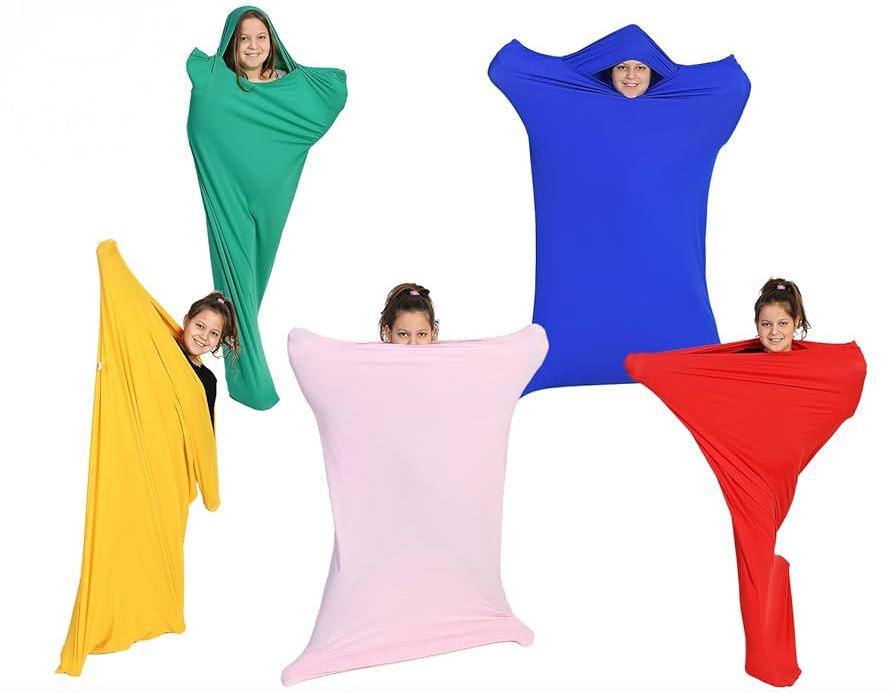
You can use a body sock to help your child calm down and reset. Many families add the body sock to their morning routine. This helps kids wake up and get ready for the day. Some parents offer the body sock as a brain break during homework or after school. These short breaks can help your child relax and focus better.
Here are some calming body sock activities you can try:
Let your child climb in and stretch out while listening to soft music.
Use the body sock for deep breathing exercises. Ask your child to take slow breaths while feeling the gentle pressure.
Offer the body sock after a busy or stressful moment. This can help with sensory regulation and bring a sense of calm.
Tip: You can model how to use the body sock. Get in yourself and show your child how to climb in and out safely.
Yoga and movement games
Body sock activities can also build coordination and spatial awareness. The stretchy fabric gives your child feedback about their body position. This helps them understand where they are in space, which is beneficial for kids with sensory processing challenges.
Try these fun movement games:
Play “statue” by asking your child to freeze in silly poses inside the body sock.
Set up a simple obstacle course with cushions and let your child crawl or roll through it.
Practice animal walks, like crab or bear walks, while wearing the body sock.
Use the body sock for gentle yoga stretches. Simple poses like “child’s pose” or “cat-cow” work well.
Let your child choose which body sock activities they want to try. This gives them control and makes the experience more enjoyable.
Creating a safe sensory space
A body sock can turn any spot into a cozy sensory space. The gentle pressure from the fabric gives proprioceptive, tactile, and vestibular input. This can lower anxiety and help your child relax. You might use the body sock in a quiet corner with soft pillows or a favorite stuffed animal.
Some families use the body sock as a morning wake-up tool, a calming break during schoolwork, or a way to unwind after a long day. Building these routines can make your child feel safe and supported. Over time, you may notice your child asking for the body sock when they need comfort.
Remember: Every child is different. Let your child guide how and when to use the body sock for the best results.
Monitoring and adjusting use
Observing your child’s reactions
You know your child better than anyone. When you introduce a body sock, watch how your child responds. Some kids smile, laugh, or ask to use it again. Others might seem unsure or even upset. Look for signs like relaxed breathing, calm movements, or happy chatter. These show that the body sock helps with sensory regulation.
If your child fidgets, pulls at the fabric, or tries to get out quickly, they might feel uncomfortable. You can ask simple questions like, “Do you like how this feels?” or “Do you want to try again later?” Your child’s answers and body language will guide you.
Tip: Keep a small notebook. Write down how your child reacts each time they use the body sock. This helps you spot patterns and make changes if needed.
When to pause or stop
Sometimes, using a body sock is not the right choice. You should pause or stop if you notice any of these:
Your child looks scared or cries.
They say the body sock feels too tight or itchy.
You see red marks on their skin.
Breathing seems hard or your child gets very hot.
If any of these happen, take the body sock off right away. Give your child a break. You can try again later or talk about what felt wrong. Safety always comes first.
Consulting professionals
You do not have to figure everything out alone. If you have questions about using a body sock, reach out to your child’s occupational therapist or doctor. These professionals know a lot about sensory needs. They can help you find new ways to use the body sock or suggest other tools. Sometimes, they might watch your child use the body sock and give you tips.
Remember: Every child is different. What works for one may not work for another. You can always ask for help and support.
You want your child to feel safe and happy with their Lycra body sock. Here are some key tips to remember:
Always check for comfort and safety.
Watch your child’s reactions and adjust as needed.
Clean and care for the body sock often.
Ask a professional if you have questions.
Every child is unique. Celebrate small steps and stay patient. You are doing a great job!
FAQ
How long should my child use a body sock at one time?
Start with 5–10 minutes. Watch your child’s comfort and mood. Some kids enjoy longer sessions, but short breaks work best for most. You can always add more time as your child gets used to it.
Can my child sleep in a Lycra body sock?
No, you should not let your child sleep in a body sock. These are for supervised play or sensory breaks only. Sleeping in one can be unsafe.
What if my child doesn’t like the body sock?
That’s okay! Some kids need more time. Try letting your child touch or play with the sock before wearing it. You can also offer choices or use favorite toys to make it fun.
How do I clean a Lycra body sock?
Most body socks go in the washing machine. Use cold water and gentle detergent. Air dry to keep the fabric stretchy. Always check the care label first.
See Also
Essential Insights About Sensory Toys for Kids This Year
Key Advice for Choosing the Best Sensory Swing
Innovative Strategies to Boost Learning Using Sensory Mats
Best Sensory Bubble Tubes Recommended for Educational Settings
Eight Warning Signs in Kids That Indicate Speech Therapy Needs
