Lycra body sock sizes made simple for everyone
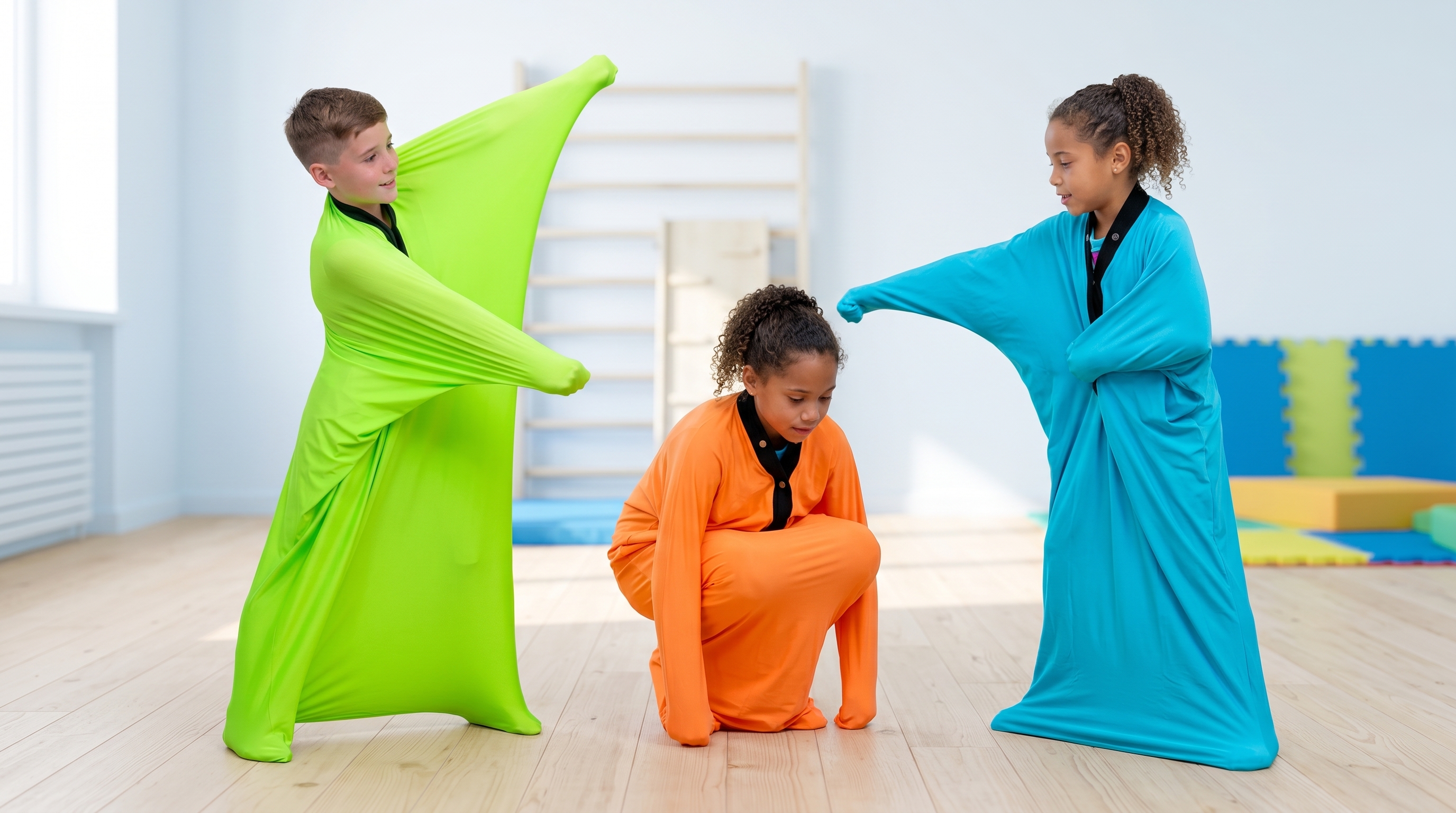
You can pick your best lycra body sock size easily in 2026. Look at a simple chart to match your height and body shape. New things like odor control, stronger fabric, and stretchy materials keep you comfy and fresh. The size guide now works for all ages and body shapes. There are no scratchy seams or panels, and you can put it on or take it off fast. Many people like the chance to grow and the special choices that make these socks different.
Feature | Description |
|---|---|
Fits more types of bodies | |
Exceptional Comfort | No more scratchy seams or sewn-in panels |
Easy On & Off | No trouble putting it on or taking it off |
Growth Potential | Helps more people use these socks |
Differentiation | Makes this product different from other hosiery |
Key Takeaways
Use a soft tape to measure your body. This helps you get the best lycra body sock fit.
Look at the 2026 sizing chart. Find your size using your height and chest size.
Pick socks that fit your body shape. This makes them comfortable and easy to move in.
Try different lycra body socks. Some are for sensory, performance, or fun. Choose what you need.
Find socks with special features. Odor control and stretchy fabric make them comfy and last longer.
Lycra body sock sizing guide

How to measure your body
You need accurate measurements to find the best fit for your lycra body sock. Follow these steps to make sure you get the right size for your socks:
Use a soft measuring tape. The kind used for sewing works best.
Measure in the morning. Your legs may swell later in the day, so measuring early gives you the most accurate numbers.
Stand up while measuring. This keeps your muscles in a natural position.
Take measurements directly on your skin. Do not measure over thick clothing.
Write down each measurement. You will need these numbers to match with the sizing chart.
Tip: Ask a friend or family member to help you measure. This makes the process easier and more accurate.
2026 sizing chart
The 2026 lycra body sock sizing chart helps you match your measurements to the right socks. Brands now offer more inclusive sizing. You can find socks that fit many body shapes and heights. The chart below shows the most common sizes for lycra body sock products:
Size | Height Range | Chest Range | Best For |
|---|---|---|---|
Small | 3'6" – 4'6" | 22" – 28" | Young kids, petite teens |
Medium | 4'7" – 5'6" | 29" – 36" | Older kids, adults |
Large | 5'7" – 6'4" | 37" – 44" | Tall adults, broad builds |
You can use your height and chest measurements to pick the right size. Write down your numbers and compare them to the chart. The activewear industry now focuses on size inclusivity. Brands expand size ranges and improve fit with new fabric technology. You can find socks that feel comfortable and move with your body.
Note: If you are between sizes, choose the larger size for more movement or the smaller size for a snug fit.
Matching size to body shape
You want your lycra body sock to fit well and feel comfortable. The right size helps you move freely and enjoy wearing your socks. Socks that are too tight can limit movement. Socks that are too loose may bunch up or slip. You should match your size to your body shape for the best experience.
Petite or slim builds: Choose a size that hugs your body but does not squeeze.
Broad shoulders or muscular builds: Pick socks with extra stretch or a larger size.
Tall or long-legged people: Look for socks with added length in the legs.
Kids: Make sure socks allow room for growth and easy movement.
The demand for inclusive sizing grows every year. You can find socks for all shapes and sizes. Brands use better pattern engineering and flexible fabrics. You get socks that fit your body and support your activities.
Comfort matters most. The right lycra body sock size keeps you active and happy.
Types of lycra body socks
You can choose from several types of lycra body socks. Each type works best for different needs and activities. You will find that socks come in many thicknesses and styles. Some offer more breathability or moisture-wicking features. Others focus on comfort or performance.
Sensory socks
Sensory socks help you feel calm and focused. You may use these socks if you want gentle pressure on your body. This pressure can help you relax or pay attention. Many people with sensory needs use these socks at home or in therapy.
Pros:
Give gentle, even pressure for comfort.
Improve sensory feedback and body awareness.
Help with balance for people who need extra support.
Cons:
May feel too snug for some users.
Not always the best for sports or outdoor play.
Best uses:
Therapy sessions.
Quiet time at home.
Support for children or adults with sensory needs.
Sensory socks often use soft, stretchy fabric. You will notice that some have moisture-wicking properties to keep you dry.
Performance socks
Performance socks help you move better during sports or exercise. You may want these socks if you run, dance, or play sports. These socks can improve your balance and support your muscles. Some people use them as the best running socks for training or races.
Pros:
Offer moisture-wicking and breathability for comfort.
Cons:
Can cost more than basic socks.
May feel tight if you do not pick the right size.
Best uses:
Running, especially if you want the best socks for running.
Dance or athletic training.
You can find lightweight running socks for hot weather and cushioned running socks for cold weather. High-quality running socks often use advanced materials for durability and moisture-wicking.
Recreational socks
Recreational socks work well for play and everyday use. You may pick these socks for fun activities or relaxing at home. They give you comfort and freedom to move.
Pros:
Easy to put on and take off.
Soft and flexible for all ages.
Many colors and patterns to choose from.
Cons:
Less support for sports or therapy.
May not last as long as performance socks.
Best uses:
Playtime for kids.
Relaxing at home.
Group activities or costumes.
Recreational socks come in many thicknesses. Some offer moisture-wicking to keep you comfortable during play.
Tip: Try different types of socks to see which ones fit your needs best. You may want more than one type for different activities.
Size and fit comparison
Size impact on comfort
You want your socks to feel good all day. The right size helps you move, stretch, and play without discomfort. If you pick socks that are too small, you may feel tightness or see marks on your skin. Socks that are too large can bunch up or slip down. This can distract you during activities like running or dancing. When you choose the correct size, your lycra body sock supports your body and lets you focus on your favorite activities. Moisture-wicking fabric also keeps you dry and cool, which is important for comfort.
Size comparison
You can compare sizes to find what works best for you. The table below shows how small, medium, and large socks fit different people and activities. Use this as a quick guide when you shop for socks, including the best running socks or running socks for hot weather.
Size | Fit Description | Best For | Comfort Level |
|---|---|---|---|
Small | Snug, close to the body | Kids, petite teens | High if not too tight |
Medium | Balanced, allows easy movement | Most adults, older kids | Very comfortable |
Large | Roomy, extra stretch and length | Tall adults, broad builds | Best for tall users |
Medium socks often work for most people. If you need socks for sports, like the best running socks or running socks for cold weather, check the fit before you buy. Moisture-wicking socks help you stay comfortable during long runs or workouts.
Common fit issues
You may face some common problems when wearing socks. Here are ways to avoid them:
Choose socks that fit snugly but do not squeeze your skin. This helps prevent sock marks.
Try different styles, such as ankle socks, if you want less elastic at the top.
Pick socks made from blends with more cotton for extra comfort.
Adjust sock thickness to match your shoes. This stops socks from feeling too tight.
You can avoid most fit issues by checking your size and trying different types of socks. A lycra body sock that fits well will support you in every activity.
Choosing by activity and needs
Kids' sizing tips
You want kids to feel comfortable and safe in their socks. Measure your child’s height and chest to find the right size. Choose socks that allow for growth. Kids move a lot, so pick socks with extra stretch. Look for soft seams and easy-on designs. Many socks for kids come in bright colors and fun patterns. If your child uses socks for therapy, check that the lycra body sock gives gentle pressure without feeling too tight.
Tip: Let your child try on different sizes. This helps you see which socks fit best for play and rest.
Adults' sizing tips
Adults need socks that match their activity level and body shape. Use your measurements to select the correct size. If you have broad shoulders or long legs, look for socks with added stretch or length. Many adults prefer socks with moisture-wicking features for daily wear. For sports, you may want the best running socks that support your feet and legs. Always check the fit before buying new socks.
For therapy, dance, and play
Therapy socks give gentle, even pressure. You can use them for calming or focus. Dance socks need flexibility and grip. Choose socks that move with your body. For play, pick socks that are easy to put on and take off. Many people use the best running socks for both exercise and fun. Always match the size to your activity for the best comfort.
Activity | Sock Type | Key Features |
|---|---|---|
Therapy | Sensory socks | Gentle pressure, stretch |
Dance | Performance socks | Flexibility, grip |
Play | Recreational socks | Easy on/off, comfort |
Special features in 2026
Socks in 2026 offer new features for every user. You will find odor control, stronger fabric, and more flexibility. These features help socks last longer and feel better. Many brands now use advanced materials for durability. You can choose socks that stay fresh and stretch with your movements. Always check the label for these features when picking your size.
Note: Special features make socks more comfortable and useful for all ages.
You can pick the right lycra body sock by measuring your body, checking the sizing chart, and thinking about your activity. Look for socks with the best features for comfort and support. A snug fit helps you stay safe, especially for activities like Pilates. If you fall between sizes, choose the smaller one for better stability. You will find many features that make these socks easy to use. For more answers, check the FAQs or ask a retailer for help.
FAQ
How do I wash my lycra body sock?
You should wash your lycra body sock in cold water. Use a gentle cycle. Air dry it flat. Avoid bleach and fabric softeners. This keeps the fabric stretchy and strong.
Can I wear a lycra body sock over clothes?
Yes, you can wear your lycra body sock over thin clothes. Make sure your clothes fit close to your body. Loose clothes may cause bunching or discomfort.
What if I am between two sizes?
Tip: Choose the larger size for more movement. Pick the smaller size for a snug fit. Try both if possible to see which feels best.
Are lycra body socks safe for kids?
Lycra body socks are safe for most kids. Always supervise young children during use. Check for signs of discomfort. Remove the sock if your child feels too hot or tight.
See Also
Choosing The Ideal Weighted Vest For Sensory Comfort
Best Bubble Tubes For Sensory Use In Education
Creating Easy Sensory Classrooms For Teachers And Students

