Large motor skills for preschoolers made easy with fun play
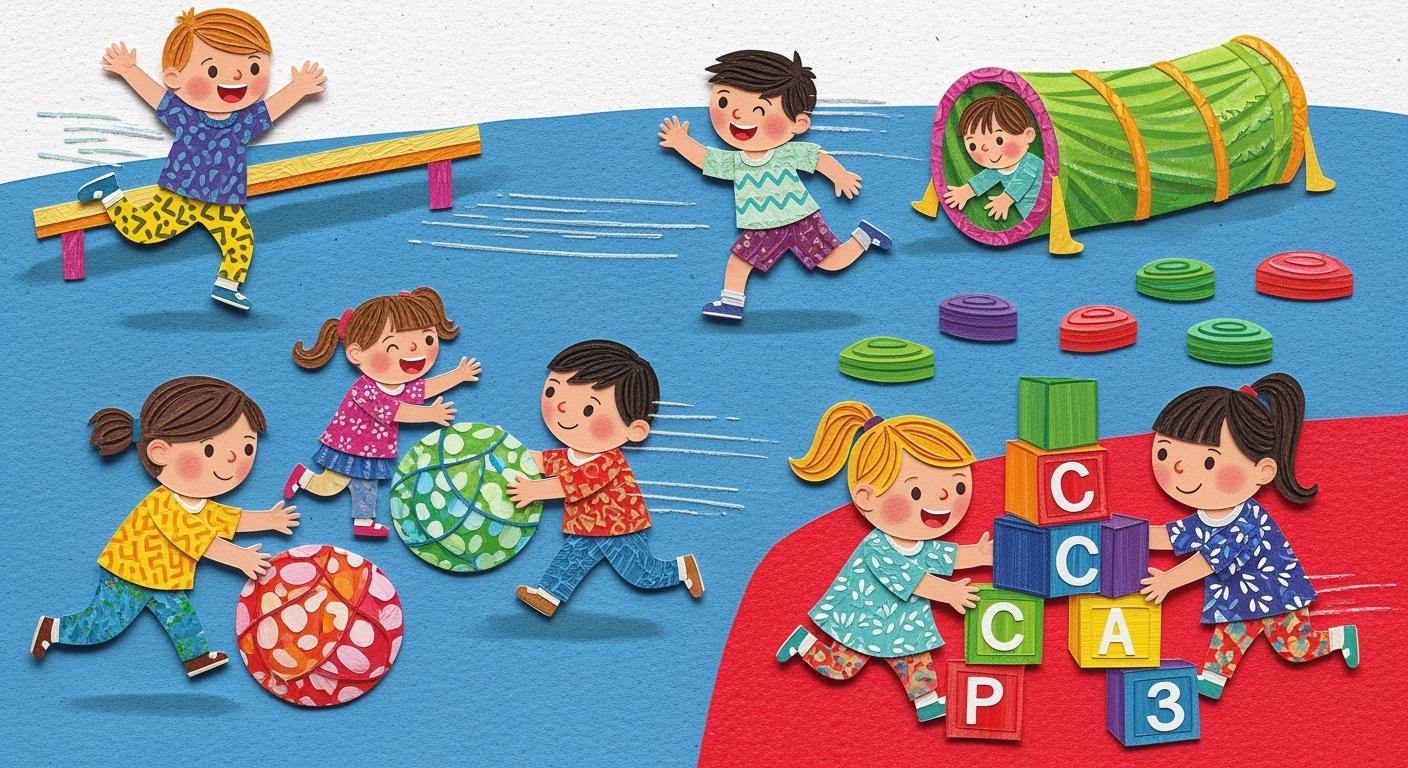
You may think helping large motor skills for preschoolers means doing drills or strict routines. But you help your child grow when you let them play freely. Studies show that play, like dancing or pretending, helps kids move better and think in new ways. Try easy things—use tape on the floor for balance, or make a mountain with pillows. Playing inside and outside both have special benefits:
Aspect | Outdoor Play Benefits | |
|---|---|---|
Environment | Safe and familiar place | Different ground and being in nature |
Developmental Skills | Builds strength, coordination, and thinking skills, enhancing large motor skills for preschoolers | Improves fitness and helps senses |
Social Interaction | Helps kids play together in a set space | Lets kids explore and play with others in open areas |
With some creativity, large motor skills for preschoolers grow naturally when kids play.
Key Takeaways
Let kids play freely to improve large motor skills. Dancing and pretending help kids move well and use their imagination.
Make play areas fun and safe for kids. Use big spaces and soft floors for games like obstacle courses and ball games.
Praise your child when they do well. Noticing their progress helps them feel good and enjoy being active.
What are large motor skills for preschoolers
Definition and importance
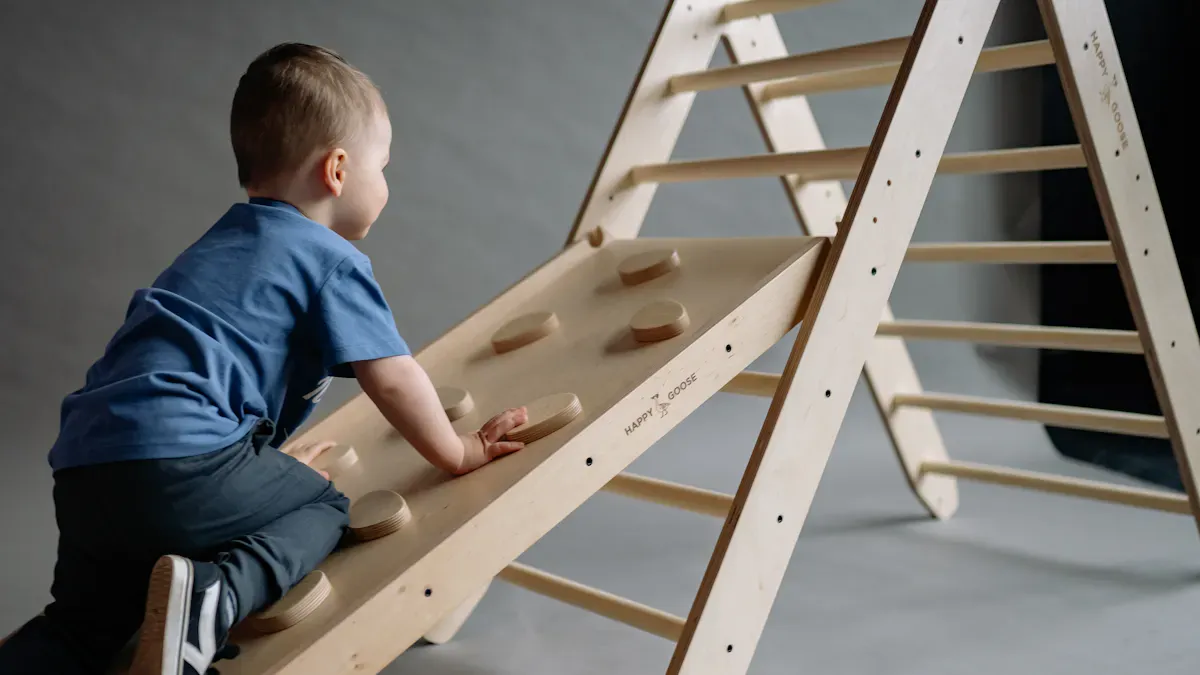
You might hear people talk about large motor skills for preschoolers and wonder what that means. Large motor skills for preschoolers are the big movements your child makes with their arms, legs, and body. These skills help your child run, jump, climb, and balance. Experts call these gross motor skills because they use large muscle groups.
Here’s a quick look at the types of motor skills:
Type of Motor Skill | Description |
|---|---|
Gross Motor Skills | Voluntary movements involving large muscle groups. |
Fine Motor Skills | More precise movements of hands and fingers. |
Large motor skills for preschoolers matter for many reasons. When your child jumps, climbs, or rides a tricycle, they build strength and coordination. These activities also help your child learn how to play with others. Group games teach important social skills like taking turns and sharing. You also support your child’s thinking skills when you encourage pretend play or obstacle courses. During these years, your child’s brain grows fast, which helps them develop both gross motor skills and thinking skills.
Common milestones
You might wonder what to expect as your child grows. Most preschoolers reach certain milestones as they practice large motor skills for preschoolers. Here’s a table to show you what children often do at different ages:
Age Range | |
|---|---|
24–36 months | Running, jumping, climbing, throwing, catching |
2 – 3 Years | Jumps with both feet, rides a tricycle, walks stairs |
3 – 4 Years | Runs smoothly, climbs ladders, hops on one foot |
4 – 5 Years | Balances on one foot, skips, coordinated movements |
You may notice your child running, hopping, or balancing on one foot as they get older. Every child develops at their own pace, but practicing large motor skills for preschoolers helps them reach these milestones.
Tip: Let your child try new activities often. The more they move, the more confident they become!
Principles & activities to boost motor skills
Making play fun and safe
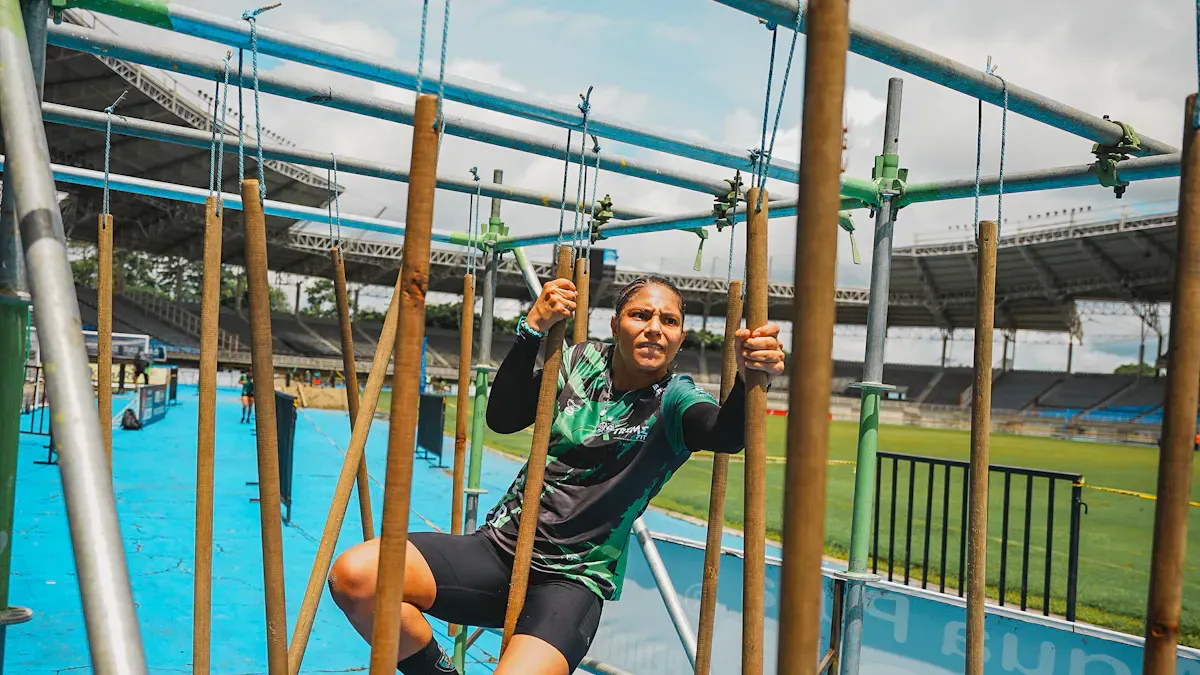
You want your child to enjoy moving. The best way is to make play feel like an adventure. Kids learn best when they feel happy and safe. You can mix planned games with free time. Let your child lead sometimes. Both types of play help build big movements and confidence.
Here are some easy ways to keep play safe and fun:
Pick open spaces for running, jumping, and climbing.
Make sure toys and equipment are strong and fit your child’s age.
Teach safety rules with games like Red Light, Green Light or Stop, Drop, and Roll.
Watch your child, but let them try new things and solve problems.
Use soft surfaces for indoor obstacle courses or jumping games.
You can turn safety lessons into fun challenges. Try a safety scavenger hunt at home. Practice looking both ways before crossing a pretend street. These playful moments help your child learn rules while staying active.
Activity ideas for large motor skills
You don’t need fancy gear to get your child moving. Everyday items and imagination can spark hours of play. Try these activities to boost big movements and keep your child interested:
Activity | Skills Developed |
|---|---|
Strength, coordination, body awareness | |
Obstacle Courses | Balance, problem-solving, spatial awareness |
Ball Games | Hand-eye coordination, timing, teamwork |
Dance Party | Rhythm, self-expression, balance |
Hopscotch | Leg strength, balance, counting |
Hula Hooping | Core strength, endurance, coordination |
Relay Races | Speed, cooperation, following directions |
Balloon Challenges | Reaction time, agility, focus |
Simon Says | Listening, impulse control, movement variety |
You can set up an indoor obstacle course with pillows, chairs, and tape. Ask your child to crawl under tables, hop over cushions, or balance on a line. For animal walks, encourage your child to move like a bear, crab, or frog. These activities build muscle strength and body awareness.
Ball games are always fun. Roll, throw, or kick a ball back and forth. Try simple games like catch or soccer in the backyard. Outdoor activities like nature walks or mini races let your child climb, balance, and explore new places.
Don’t forget to add a dance party to your routine. Put on music and let your child move freely. Freeze the music and see who can hold a silly pose. This kind of play helps with rhythm and impulse control.
You can change these activities for your child’s skill level. Make tasks easier or harder by changing the space, steps, or speed. If your child finds something hard, break it into smaller parts and celebrate each success.
Tip: Short, frequent sessions work better than long, tiring ones. Aim for daily bursts of movement, indoors and outdoors.
Encouraging progress
You help your child feel proud of their efforts. Motivation grows when you notice and praise what your child does well. Use specific praise, like “I love how you balanced on one foot!” or “You jumped so far that time!” Immediate rewards, such as a high-five or a sticker, can make your child eager to try again.
Here’s a quick look at how positive reinforcement helps:
What Works Best | Why It Matters |
|---|---|
Specific Praise | Shows your child exactly what they did well |
Immediate Rewards | Makes the connection between effort and success |
Encouragement | Builds confidence and a love for active play |
You can join in the fun. Children love when you play with them. Your excitement makes activities more fun. Try new games together and let your child pick what to play next. This keeps play fresh and exciting.
Remember, every child grows at their own pace. Celebrate small steps and keep the focus on fun. With your support, your child will build strong big movements and a lifelong love of being active.
Signs of progress & when to seek help
Recognizing improvement
You might want to know how your child is doing with large motor skills. Kids get better at moving as they play and grow. You can watch for new things your child can do at each age:
Age Range | |
|---|---|
2 to 3 years | Jumps with both legs, runs without falling, walks up and down stairs holding on, climbs furniture alone |
3 to 4 years | Balances on one foot, walks stairs using both feet, rides a tricycle, catches a ball with their body |
4 to 5 years | Walks on a balance beam, hops on one foot, uses playground equipment alone, catches a ball with hands |
You can also see progress when your child learns new moves, like hopping or balancing. Many parents use checklists or apps to keep track of these changes. The CDC’s Milestone Tracker App and the AAP’s Motor Delay Tool are helpful for following your child’s growth.
Tip: Cheer for every new skill, even small ones. Your support helps your child feel proud!
When to consult a professional
Sometimes, your child may have trouble with movement or not keep up with other kids. If you notice any of these things, talk to your child’s doctor:
Still walking on tiptoes after age 2
Falls more than other kids
Crawls or moves unevenly
Does not like active play
Muscles feel soft or floppy
Has trouble climbing stairs
Can’t keep up with other kids
If you worry, write down which skills are hard for your child. Your doctor might suggest physical or occupational therapy. Getting help early can make your child stronger and more confident as they grow.
Building large motor skills can be simple and fun when you play together. Try different games and let your child’s interests lead. Every child grows at their own pace. When you make playtime a habit, you help boost confidence, brain power, and lifelong healthy habits. Ready to get moving today? 🚀
FAQ
How often should my preschooler practice large motor skills?
You can encourage movement every day. Short, playful sessions work best. Let your child lead the way and join in for extra fun!
What if my child doesn’t like active games?
Try different activities. Some kids love dancing, others prefer ball games or animal walks. Let your child choose.
Tip: Celebrate small wins to boost confidence!
Can I help my child indoors on rainy days?
Yes! Use pillows, tape, or soft toys for obstacle courses. Dance parties and balloon games work great inside.
🦁 Get creative and keep things light!
See Also
Thorough Evaluations of Popular Gross Motor Skill Toys
An All-Inclusive Resource for Montessori Motor Skill Toys
The Role of Sensory Toys in Enhancing Motor Skills
Ten Interactive Sensory Experiences for Preschool Learning
An Exhaustive Handbook of Sensory Play Strategies for Educators

