How Do Indoor Gross Motor Toys Boost Child Development in 2026
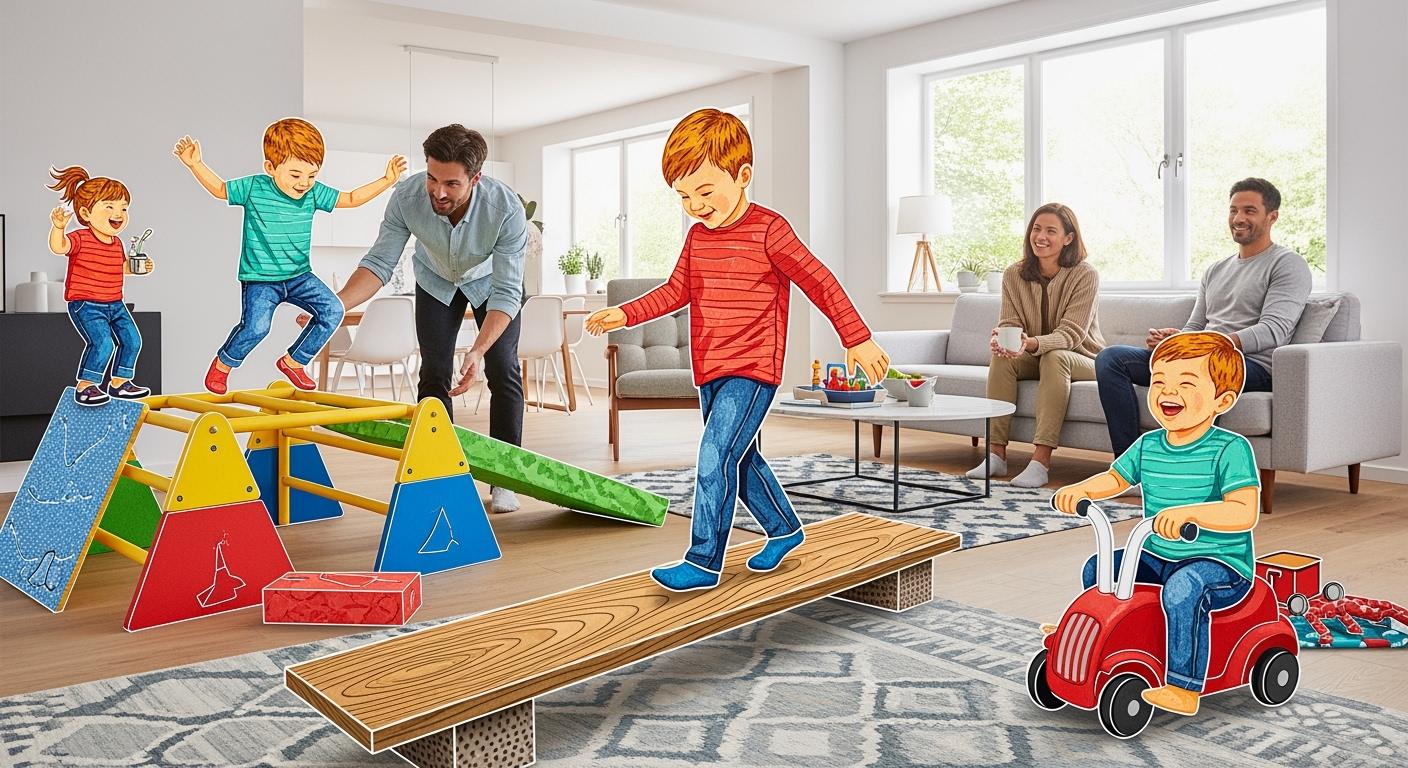
You see indoor gross motor toys as important for your child's growth. Moving and playing inside helps kids get stronger and more independent. Using Trampoline, Rectangular Swing, and Indoor Obstacle Course Equipment helps kids reach key goals. Playing indoors also boosts creativity and problem-solving by letting kids build and imagine things.
Think about how these toys can be part of your child's daily life to help them grow.
Outcome Measure | Odds Ratio (OR) | 95% Confidence Interval (CI) |
|---|---|---|
Fine motor toys (protective factor) | 0.84 | 0.74–0.97 |
Age at assessment (protective factor) | 0.34 | 0.24–0.49 |
Key Takeaways
Indoor gross motor toys help kids build strength. They also help with balance and coordination. Kids get these skills by moving and playing.
Activities like climbing and crawling make kids more confident. These activities also help their brains grow. Kids learn to solve problems while they play.
Adding play to daily routines helps kids be creative. It also helps them learn social skills. Kids learn by playing with others.
Safety is very important. Always watch kids when they play. Pick toys that are right for their age. This helps stop accidents.
Give kids many ways to play. This keeps them interested. It also helps them grow in every way.
Indoor Gross Motor Toys & Movement
What Are Indoor Gross Motor Toys
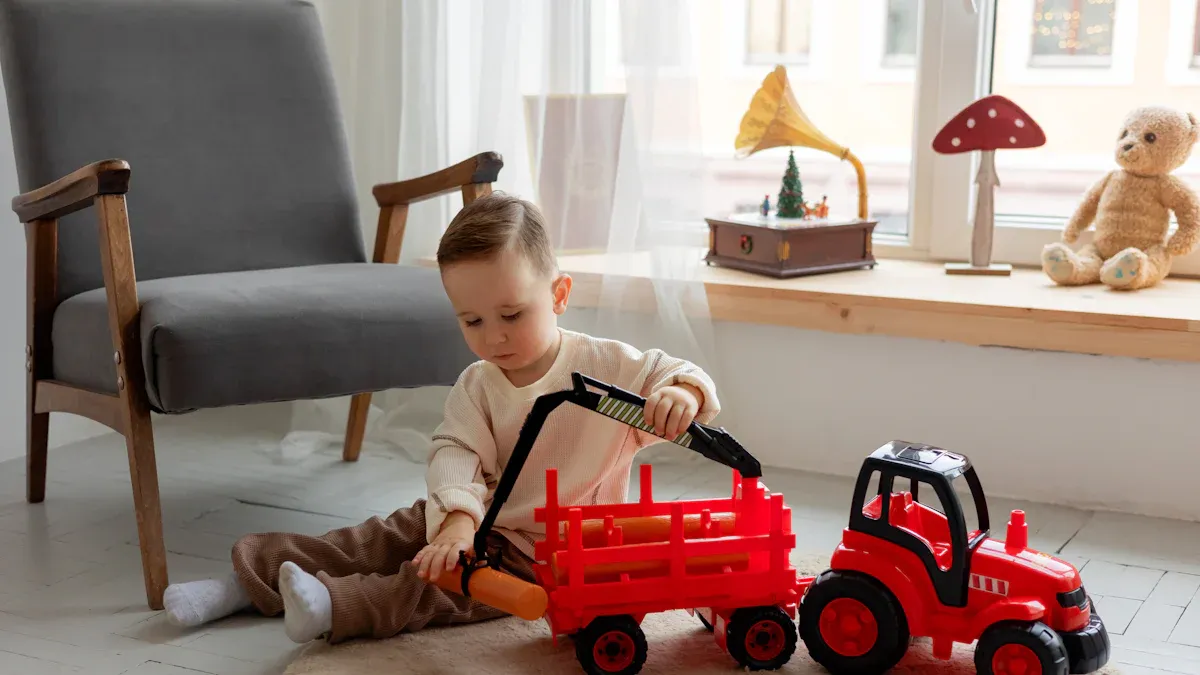
There are many indoor gross motor toys you can use. These toys help your child move and grow stronger. They are safe to use inside your house or classroom. Your child can crawl, climb, balance, and explore with them. Some toys are soft, and others are strong for climbing or rolling. You can pick toys that fit your space and your child's needs.
Here is a table that shows different indoor gross motor toys and their features:
Type of Toy | Features |
|---|---|
Balance Beams | Help your child balance and coordinate. |
Climbing Structures | Make your child move and explore. |
Soft Play Equipment | Safe for indoors, good for younger kids. |
Rolling Items | Improve motor skills with movement and play. |
Activity Balls and Bean Bags | Help your child throw and catch. |
Crawl-Thru Activity Table | Has tunnels and flat parts for many activities. |
Stacking and Sensory Materials | Let kids learn about colors, shapes, and textures. |
You can use these toys to make indoor play fun and active. Tunnels, climbing toys, and loose parts help your child crawl, balance, and move in new ways. These activities help your child grow and feel more confident.
How Movement Supports Development
Movement is very important for your child's growth. When your child plays with indoor gross motor toys, they learn balance, coordination, and spatial awareness. Crawling through tunnels or walking on balance beams helps your child reach big milestones. Your child gets stronger and feels more confident with each new skill.
Movement also builds core strength. Here are ways indoor gross motor toys help muscles grow:
Animal walks like hopping and crawling
Obstacle courses that make your child move in new ways
Ball games for rolling and throwing
Dancing to music
Hopscotch and jumping games
Parachute play for teamwork and arm strength
You help your child play, learn, and grow every day by adding these activities to your routine.
Gross Motor Skills Development
Strength, Coordination, and Balance
When you let your child play inside, they get stronger. Gross motor skills help your child move their whole body. These skills include running, jumping, climbing, and balancing. Indoor toys like climbing structures, tunnels, and balance beams help your child practice these moves.
Kids reach new gross motor milestones as they grow older. You can see how these milestones change with age in the table below:
Age Range | Key Milestones |
|---|---|
0-6 Months | Lifts head during tummy time, pushes up on arms, rolls from tummy to back, begins to sit with support. |
6-12 Months | Sits independently, crawls, pulls up to stand, "cruises" while holding furniture. |
1-2 Years | Walks independently, squats to pick up toys, begins to run, walks up and down stairs with help. |
2-3 Years | Runs smoothly, jumps in place, throws a ball overhand, climbs playground equipment. |
3-5 Years | Hops on one foot, stands on one foot, walks up and down stairs alternating feet, catches a bounced ball. |
You can do gross motor activities at home. Make a pillow obstacle course for crawling and walking. Ask your child to move like animals, such as hopping or crawling. These games help your child get stronger and learn about their body. Walking on a line or balance beam helps with balance and coordination.
Tip: Make playtime fun by using things at home as indoor gross motor toys. Use cushions for climbing, tape lines for balancing, or tunnels for crawling.
Playing with indoor toys makes arms, legs, and core muscles stronger. Climbing over cushions helps the core. Jumping between pillows helps balance and coordination. Crawling through tunnels helps your child plan their moves. These skills help your child move with control and confidence.
Physical activity is good for your child’s health. Gross motor skills help your child move around more easily. Being active helps the heart and keeps your child healthy. Moving and playing also helps your child feel happy and focus better.
Motor Planning and Fine Motor Foundations
Indoor gross motor toys help your child learn to plan movements. Motor planning means thinking about how to move before acting. Crawling through a tunnel or climbing a ladder needs planning. This helps your child get better at solving problems and moving well.
Gross motor skills and fine motor skills work together. Gross motor skills use big body movements, like running or jumping. Fine motor skills use small muscles in the hands and fingers, like writing or buttoning. Your child needs strong gross motor skills to get better at fine motor tasks.
The table below shows how different body parts help both gross and fine motor skills:
Evidence Type | Description |
|---|---|
Core Stability | Strong core muscles help keep the body steady, which is needed for good arm and hand movements. |
Balance | Good balance helps your child move with control and do fine motor tasks well. |
Shoulder Strength | Strong shoulders help arms move right and stop them from getting tired when writing. |
You help your child build eye-hand coordination with activities like throwing balls or catching bean bags. These games help your child get ready for fine motor tasks. Most daily activities start with gross motor skills, then use fine motor skills.
Gross motor growth helps your child learn about their body and the world. When your child moves, climbs, and balances, they learn new things and feel more confident. This helps with social skills and emotional strength. Kids with different needs also gain from indoor gross motor toys. These toys help with spatial awareness, coordination, and social-emotional skills through playing together.
Note: Let your child try new moves and cheer them on. Every small step in gross motor skills helps fine motor skills and overall growth.
Play for Cognitive & Emotional Growth
Problem-Solving and Independent Thinking
When you give your child loose parts and open-ended toys, they get to think for themselves. These toys let kids build, create, and try new things in many ways. Your child learns to make choices and solve problems on their own. This kind of play helps your child’s brain grow in many ways.
Loose parts play lets your child use their imagination and be creative.
Your child learns to try new ideas and change plans, which helps them think in different ways.
Using different materials helps your child practice making choices and thinking alone.
Pretend play helps your child understand others and try out new roles.
The table below shows how each type of play helps your child grow:
Type of Play | Developmental Benefits |
|---|---|
Constructive Play | Helps with problem-solving, planning, and math thinking by building and creating with loose parts. |
Dramatic Play | Grows social skills, helps with feelings, and lets kids tell stories and think for themselves in new roles. |
Physical Play | Builds strength, balance, and helps kids learn to make choices about how they move. |
Sensory Play | Helps kids calm down and makes brain connections stronger, which is important for making choices. |
Teaches kids to share, take turns, care about others, and solve problems together, which helps with making choices. |
Confidence, Social Interaction, and Cooperative Play
Letting your child try new things with indoor gross motor toys helps them feel more confident. These toys help your child do things on their own and learn by doing. Your child feels proud when they climb, balance, or finish a new task. Feeling proud helps your child grow in a healthy way.
Role of Indoor Gross Motor Toys | Description |
|---|---|
Support for Independence | Toys help kids do things by themselves, which builds independence and helps them make choices. |
Boost Motor Skills | Activities like climbing and balancing help kids get better at moving their bodies. |
Hands-on Experience | Doing things with these toys helps kids use their hands and learn to be responsible. |
Your child also learns important social skills when playing with others. Kids work together, share, and take turns during group play. These activities help your child learn to be patient and fair.
Kids talk and solve problems as a team.
They take on different roles and learn how groups work.
They practice handling their feelings in a safe place.
A play area that is set up well helps your child feel safe and able to focus. Having routines and organized spaces lowers stress and helps your child grow emotionally. You help your child learn, work with others, and do their best every day.
Using Toys at Home
Age-Appropriate Choices
You want your toddlers to have fun with indoor play. Pick toys that help them move and explore. Choose things like soft climbing blocks, tunnels, and balance beams. These toys help toddlers get stronger and learn to balance. Always check the age range before you buy a toy. Younger toddlers need bigger toys with no small pieces. Older toddlers can use more advanced play sets. In 2026, many families pick eco-friendly and smart toys. These toys help kids think, play with others, and keep your home safe.
Safety and Supervision
Safety is the most important thing for indoor play. Always look at toys for damage before your child uses them. Watch your toddler every time they play to stop accidents. The table below lists dangers and how to keep kids safe:
Hazard Type | Description |
|---|---|
Choking Hazards | Toys with small parts can be a choking risk for kids under three. |
Sharp Edges | New toys should not have sharp edges; old toys can break and be dangerous. |
Loud Noises | Some toys make loud sounds that can hurt hearing. |
Cords and Strings | Long cords or strings can be a risk for young kids. |
Sharp Points | Broken toys can have sharp points that might cut or poke. |
Pick toys that follow safety rules to lower risks. Check for sharp edges and do not use toys with cords. Clean and check all toys often. Stay close when your child plays and help them play safely with others.
Integrating Play into Daily Routines
You can make indoor play part of every day. Set a time each day for active play. Try these ideas to help your child learn and grow:
Make obstacle courses to help with balance and movement.
Use music and dance to get your child moving.
Build with blocks to help with thinking and solving problems.
Pretend play helps with feelings and playing with others.
Water play during bath time helps with senses and movement.
The table below shows how each activity helps your child:
Activity Type | Developmental Benefits |
|---|---|
Physical play | Helps with big movements and knowing their body. |
Interactive Storytime and Puppet Play | Grows language and helps with feelings. |
Water Play and Bath-Time Discovery | Helps with senses and movement. |
Music, Movement and Dance | Gets kids moving and helps memory. |
Block Building and Open-Ended Construction | Helps with space skills and solving problems. |
Pretend Play and Dress-Up | Grows creativity and helps with feelings. |
Indoor Obstacle Courses and Movement Challenges | Builds strength, balance, and coordination. |
You can make play better by joining your child in these games. Try yoga, ball games, and fun movement games. These activities help your child get stronger, think better, and make friends.
Tip: Change up indoor games often to keep your child interested. This helps your child learn new things and keeps playtime fun.
Indoor gross motor toys help your child hit big milestones. You help your child grow in body, mind, and feelings by encouraging active play. Gross motor skills are important because they build strength, balance, and confidence.
Developmental Area | Benefits |
|---|---|
Makes your child stronger, helps balance, and builds endurance. | |
Cognitive Boost | Helps your child solve problems and be creative. |
Social and Emotional Well-being | Teaches teamwork, builds confidence, and helps feelings grow. |
Add movement to your daily routine. Use tunnels, obstacle courses, or dance breaks to make play exciting and fun.
FAQ
What age is best for indoor gross motor toys?
You can start using indoor gross motor toys with babies as young as six months. Choose toys that match your child’s age and abilities. Always check the manufacturer’s guidelines for age recommendations.
How do I keep indoor play safe?
You should inspect toys for damage before each use. Remove small parts for young children. Supervise play at all times. Use soft mats or carpets to prevent injuries.
Can indoor gross motor toys help with learning?
Yes! These toys boost problem-solving, memory, and focus. You help your child build thinking skills by encouraging movement and play. Physical activity supports brain development.
What are some easy ways to add gross motor play at home?
Try setting up a simple obstacle course with pillows and tunnels. Use tape lines for balancing. Dance to music or play ball games. Change activities often to keep your child interested.
Do indoor gross motor toys work for children with special needs?
Indoor gross motor toys support children with different abilities. You can choose toys that fit your child’s needs. These toys help with strength, balance, and social skills.
See Also
Comprehensive Evaluations of Top Gross Motor Skill Toys
The Role of Sensory Toys in Enhancing Motor Skills
Essential Information About Sensory Toys for Kids Today
An All-Inclusive Resource on Montessori Toys for Motor Skills
