How to Use Deep Pressure Sensory Toys for Calming Children
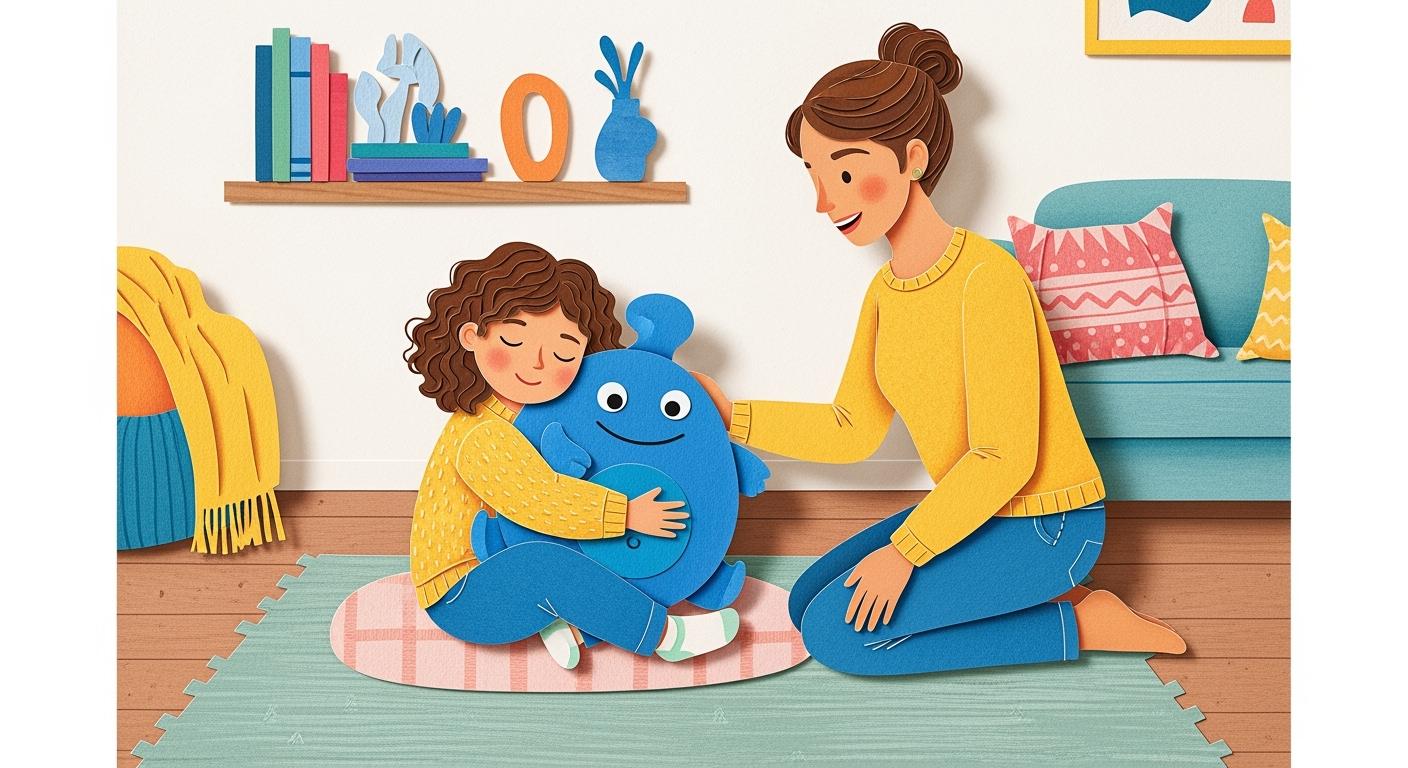
You want to help kids feel calm and safe. Deep pressure sensory toys give steady, gentle input. This can lower anxiety and help kids pay attention. Many families see a big calming effect and more happiness.
Weighted blankets and special tools give comfort and body awareness.
Each child reacts differently, so watch them closely. Make sure the pressure feels good and works well.
You can use these tools safely and simply in daily routines.
Key Takeaways
Deep pressure sensory toys, like weighted blankets and stress balls, help kids feel calm and safe. They lower anxiety and help kids focus better.
Every child reacts in their own way to sensory toys. Watch how your child feels and pick toys that fit what they like and need.
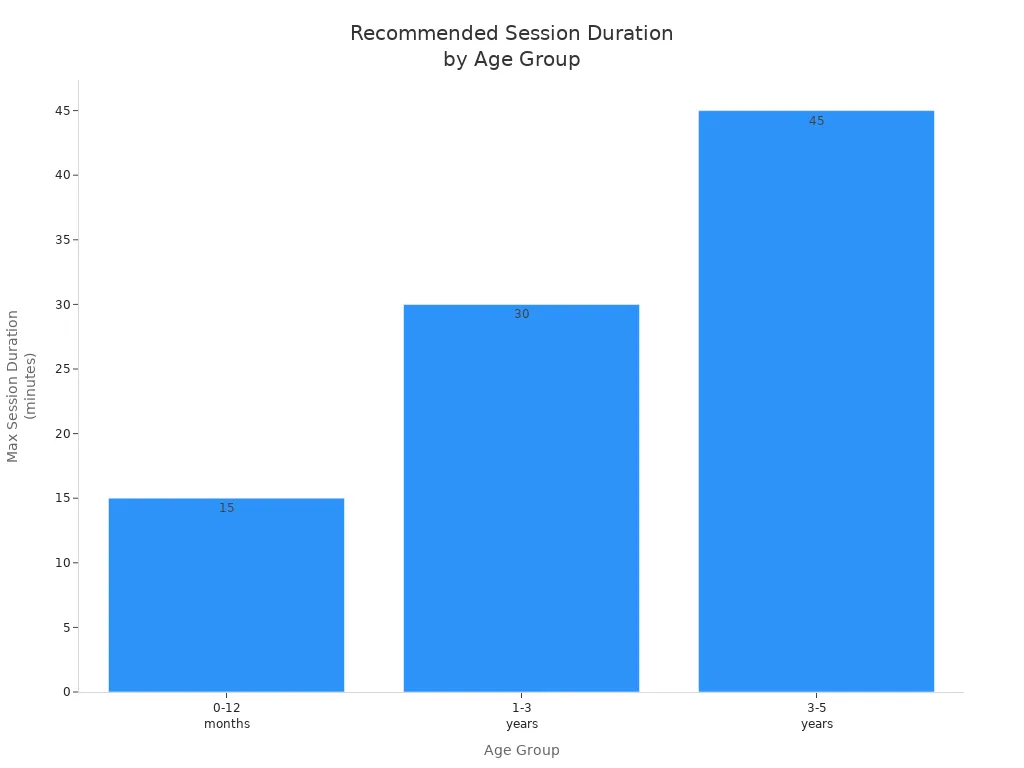
Use deep pressure toys for short times, about 15 to 30 minutes. Always watch your child to keep them safe and comfortable.
Add sensory toys to daily routines, like quiet time, changes, or before bed. This helps kids handle stress and feelings.
Make spaces that are sensory-friendly with calming tools and routines. This helps kids deal with sensory problems and learn to control themselves.
Deep Pressure Sensory Toys and Calming Benefits
How Deep Pressure Supports Sensory Processing
Deep pressure sensory toys help kids handle too much sensory input. These toys give steady and gentle pressure. This makes the body feel safe and organized. Using weighted blankets or pressure vests starts the parasympathetic nervous system. This system slows the heart rate. It also lowers stress hormones. Kids may feel calmer and pay better attention.
There are many deep pressure sensory toys that help with sensory processing:
Weighted blankets give steady pressure to help kids relax.
Bear hugs give quick calming pressure and comfort.
Bouncing or rolling on a therapy ball gives steady input for body awareness.
Massage helps muscles relax and calms the nervous system.
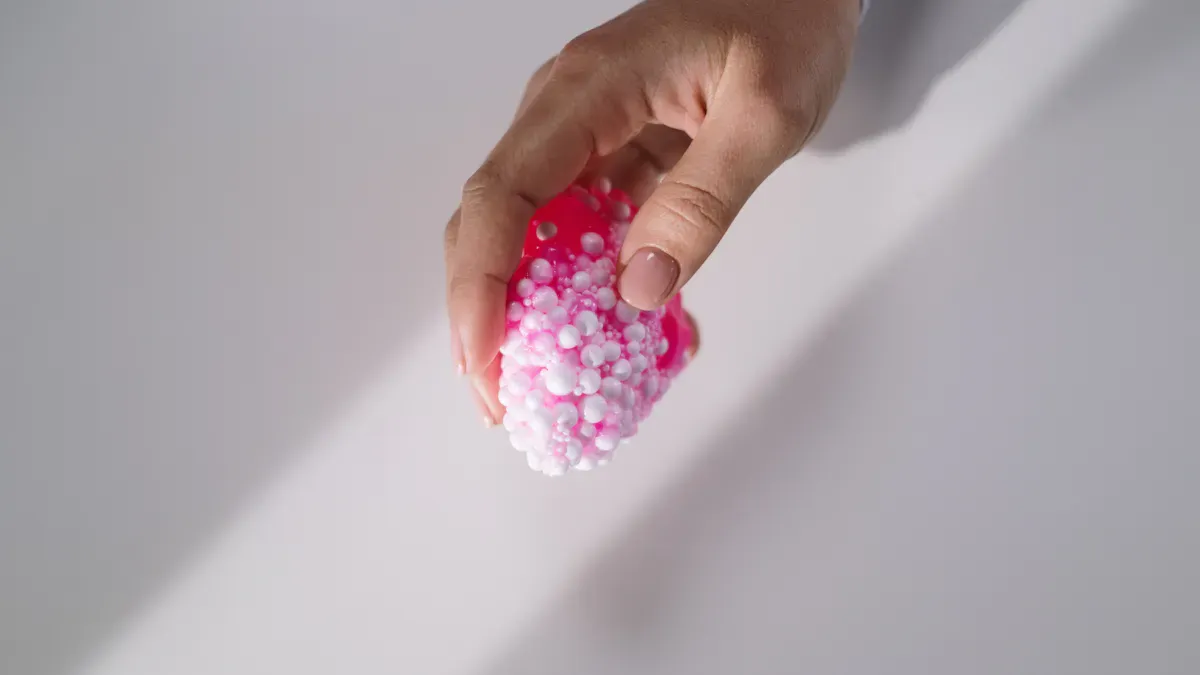
Squeezing stress balls or playdough helps let go of tension.
Trampolines give rhythmic movement for sensory regulation.
Push-pull activities use big muscles for deep pressure.
This table shows how different toys help with sensory needs:
Method | Description | Benefits |
|---|---|---|
Weighted Blankets | Steady pressure, like a gentle hug | Lowers anxiety and helps sleep |
Pressure Vests | Even pressure across the chest | Helps focus during quiet activities |
Pillow Sandwich | Soft pillow on the back while lying on the stomach | Gives soothing pressure during reading or quiet time |
Immediate Calming Effects
Deep pressure sensory toys can calm kids fast. When kids feel overwhelmed, these toys give firm and predictable input. This input helps the brain ignore extra noise and light. Kids may relax, smile, or focus better after using these tools.
Many families say deep pressure sensory toys lower stress and boost happiness. Kids often look for deep touch pressure by themselves. You might see them squeeze between couch cushions or wrap up in blankets. These actions show deep pressure brings comfort and safety.
Studies show deep pressure therapy lowers anxiety and helps kids feel safe. The toys release calming chemicals in the brain, like serotonin and dopamine. These chemicals balance stress and help kids handle emotions.
Tip: Use deep pressure sensory toys every day. Short and regular sessions work best for most kids.
Choosing and Using Deep Pressure Sensory Toys
Selecting the Right Toy
You need to pick toys that fit your child’s needs. Every child has different sensory issues. Some kids like strong hugs, but others want soft squeezes. First, learn what your child likes and dislikes. This helps you choose toys that make them feel good and comfortable.
When you pick a toy, think about these things:
Notice what calms your child and what bothers them.
Weighted items should feel firm but not hurt.
Make sure the toy is the right size for your child.
Pick toys that are safe and easy to wash.
Try toys with different shapes and textures.
Show new toys slowly in places your child knows.
Watch how your child acts with each toy.
Sensory toys can help kids with Autism Spectrum Disorder. You can use sensory profiles to make the toys work better. This helps kids who need more support.
Occupational therapists match toys to a child’s age and needs. Here is a table that shows how to pick toys for different ages:
Age Group | Sensory Needs |
|---|---|
Babies and Toddlers (0–3) | Simple, gentle sensory input for early development and attention |
Preschoolers (3–5) | Toys for sensory exploration, emotional regulation, and social play |
Elementary Age (6–10) | Tools for focus, self-regulation, and learning during structured activities |
Middle and High School (11+) | Items for stress management and concentration in age-appropriate ways |
Tip: If you are not sure which toy to pick, ask an occupational therapist for help.
Safe Use and Monitoring
Safety is important when using deep pressure sensory toys. Sensory needs can change fast, so watch your child closely. You can follow these rules to keep your child safe:
Use toys for only 15 to 30 minutes at a time.
Watch for signs that your child feels bad or upset.
Do not use toys that are too heavy or tight.
Make sure the weight is spread out to avoid injury.
Toys should have air holes and fit well for young kids.
Always watch your child, especially if they have health problems.
Do not use weighted blankets or pressure vests for kids under three. You can ask an occupational therapist to check if the toy fits well and helps your child.
Here is a table with safety tips for deep pressure toys:
Guideline | Description |
|---|---|
Professional Guidance | Use under the supervision of an occupational therapist |
Monitoring | Observe comfort, posture, and response during and after use |
Features | Look for ventilation and adjustable fit |
Duration | Avoid extended use without breaks |
Some kids have health problems that make these toys unsafe. Watch for pain, too much weight, or bad posture. A healthcare worker can help you use the toys in the best way for your child.
Note: If your child feels bad or upset, stop using the toy right away. Safety is the most important thing.
Integrating Deep Pressure into Daily Routines
Home and School Strategies
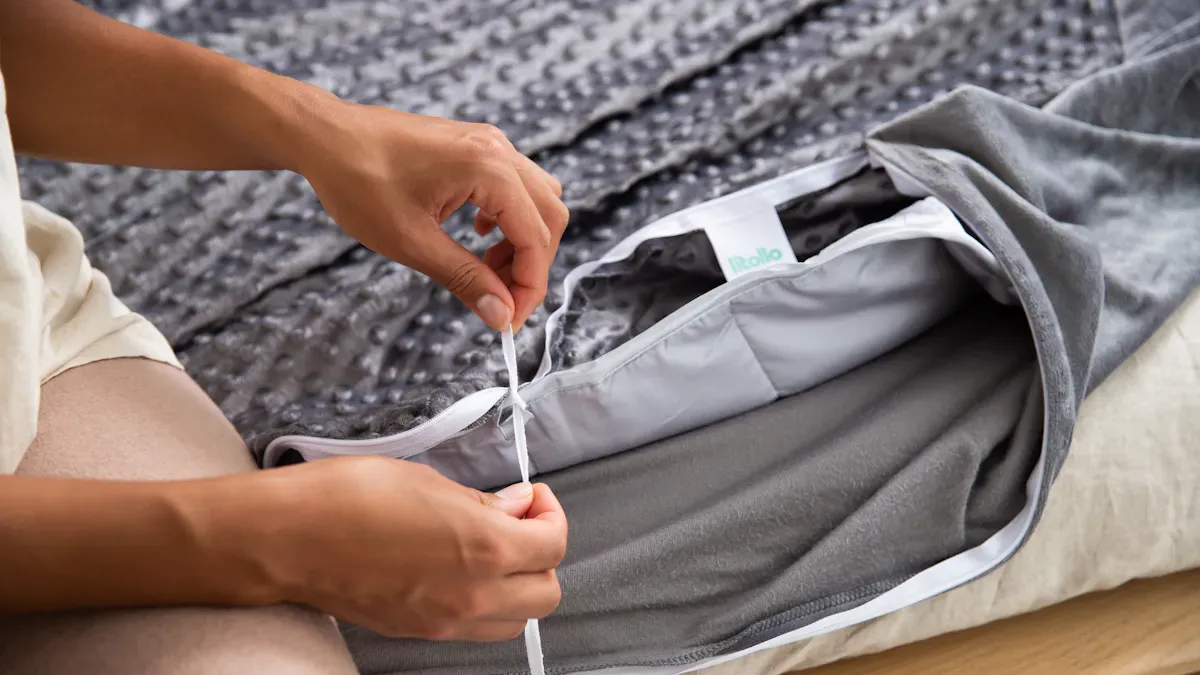
You can help kids feel calm by adding deep pressure sensory input to daily life. You do not need a strict schedule. Make a routine that works for your family or class. Sensory input helps most when it matches what kids need. For example, add a short movement or deep pressure activity in the morning. After school, a set calming activity can help kids relax. During lessons, quick sensory breaks with deep pressure toys or fidgets can help kids focus. Before changes, a short sensory activity can get kids ready. At night, calming sensory input like a weighted blanket can help with sleep. When you go out, bring a small sensory kit for comfort.
Here are some activities you can try:
Sensory bins with rice or beans give calming input
Therapy putty or clay is good for squeezing and deep pressure
Animal walks or wall pushes give strong sensory input
Gentle swinging or spinning games help with movement and balance
Weighted lap pads or vests give steady input during quiet times
Activity Type | Description | Benefits |
|---|---|---|
Sensory bins | Fill with rice, beans, or water beads | Calms and helps with too much sensory input |
Therapy putty/clay | Knead and squeeze | Helps organize the nervous system |
Animal walks | Move like animals | Builds body awareness |
Wall/floor pushes | Push against resistance | Lets out energy and helps focus |
Tip: Always watch kids during activities and use safe materials. Do not force kids to join. Stop if kids seem upset.
Managing Transitions and Overstimulation
Transitions and busy places can be hard for kids. You can use visual schedules, social stories, or picture cues to show what comes next. Routines with sensory input help kids feel safe. Deep pressure sensory input, like weighted blankets or snug vests, helps kids feel calm and less worried. Fidget toys and chewables give extra input and help kids focus when things are hard.
Try these steps to help with transitions:
Use visual routines to show what will happen next.
Give a short sensory activity before a change.
Give kids a small sensory kit for trips or assemblies.
Teachers and therapists use weighted lap pads and sensory breaks in class. These tools help kids handle sensory input and get back to learning.
Supporting Sensory Processing with Calming Tools
Building Sensory-Friendly Environments
You can make spaces that help kids feel calm. At home or school, set up quiet corners or calm zones. Use soft things, dim lights, and gentle colors in these areas. Kids with autism spectrum disorder often like these spaces. Fill a calm corner with deep pressure sensory toys, weighted blankets, and fidget tools. These items help kids handle sensory sensitivities and recover from sensory overload.
The table below shows how sensory-friendly spaces help daily life:
Evidence Description | Source |
|---|---|
Sensory-friendly spaces boost comfort, focus, and social skills. They make life better for people with sensory processing challenges. | |
Quiet corners help people calm down and recover from sensory overload. These spaces use gentle colors and calming materials. | |
Sensory spaces lower loud noises and bright lights. They help people with autism manage their feelings in a calm place. |
You can use visual schedules, timers, and cue cards to build a routine. A steady routine helps kids know what comes next. Sensory breaks with deep pressure toys keep kids calm and help with sensory processing.
Encouraging Self-Regulation
Deep pressure sensory toys help kids learn to control their feelings. Weighted blankets and therapy balls give comfort. Kids with autism spectrum disorder use these tools to handle stress and emotions. You can add sensory diets and deep pressure activities to daily routines. These steps help kids deal with sensory overload and improve sensory processing.
Deep pressure sensory toys help kids control emotions and behavior.
Sensory diets and movement activities help manage sensitivities.
Tools like noise-canceling headphones and fidget toys help kids stay calm.
Kids feel calm and focus better when you use deep pressure toys and calming spaces together. They have fewer meltdowns and do better at home and school. You help them handle sensory sensitivities and support their growth.
Tip: Tell your child to use sensory tools when they feel stressed. This helps them feel confident and learn to control their feelings.
You can help your child stay calm with deep pressure sensory toys. Try different calming tools and see how your child reacts. If your child does not like something, you can do these things:
Help your child feel steady and in control first.
Use sensory ideas like heavy work activities.
Give your child a quiet place with few distractions.
Do not talk too much or give too many directions.
Think about what worked after your child is calm.
The Center for Inclusive Child Care shares good advice. Using these tools often helps your child’s senses and builds confidence. Always pick what is safe and comfortable. You help your child grow every day.
FAQ
What are deep pressure sensory toys?
Deep pressure sensory toys give steady, gentle pressure to your child’s body. These toys include weighted blankets, vests, and squeeze balls. You can use them to help your child feel calm and safe.
How long should my child use a deep pressure toy?
You should let your child use the toy for 15 to 30 minutes at a time. Watch your child for signs of comfort or discomfort. Stop use if your child feels upset or restless.
Can my child use deep pressure toys at school?
Yes, you can send small deep pressure toys to school. Talk with your child’s teacher first. Many schools allow weighted lap pads or fidget tools during class.
Are deep pressure sensory toys safe for all children?
Most children can use these toys safely. You should always watch your child and check for health concerns. Ask your doctor or therapist if you have questions.
What if my child does not like the toy?
Tip: Try different toys or textures. Let your child choose what feels best. Never force your child to use a toy. Comfort and safety come first.
See Also
Top Strategies for Utilizing Sensory Toys to Soothe Kids
Essential Weighted Toys for Children Facing Sensory Issues
Key Sensory Toys to Alleviate Anxiety and Stress

