How to Use a Balance Yoga Ball for Core Strength and Stability
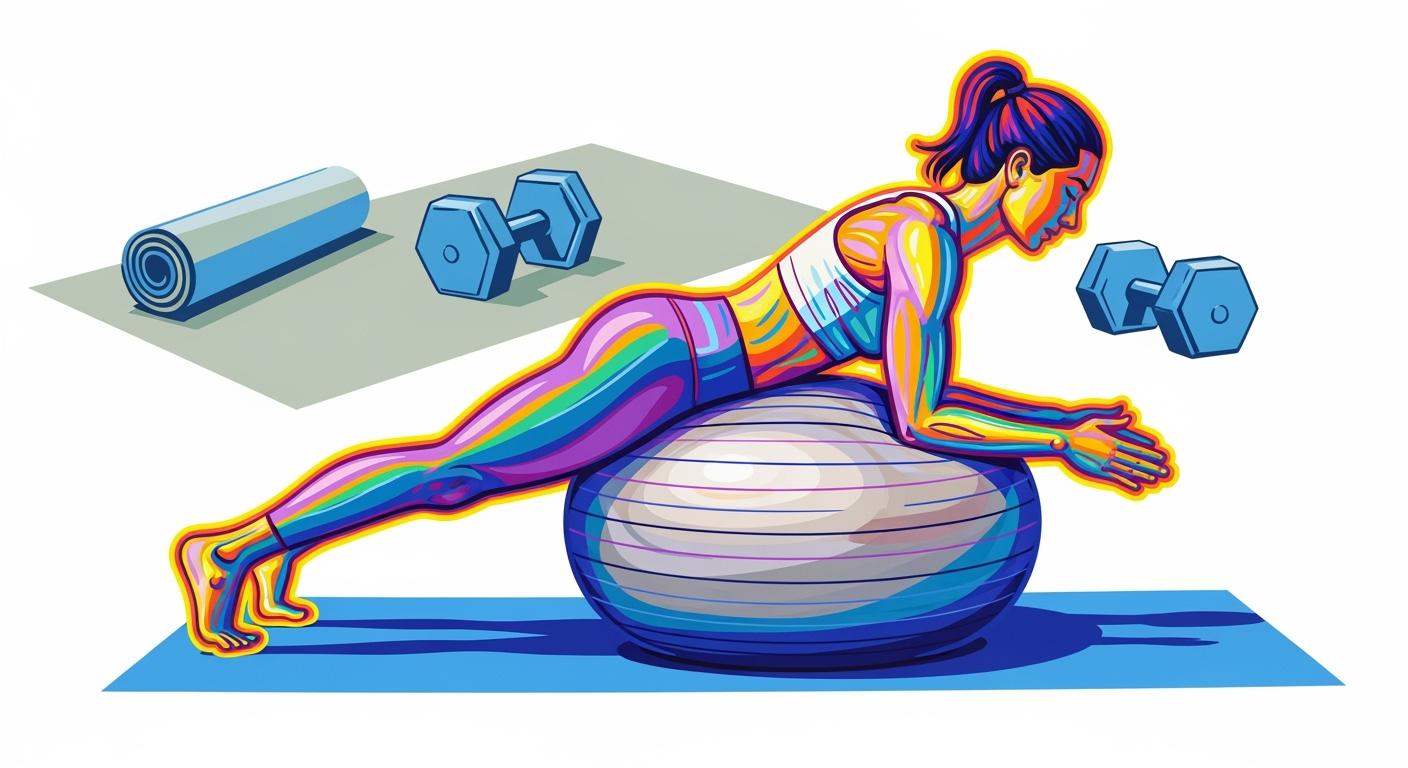
You want a stronger core and better balance, but you may not know where to start. A balance yoga ball can help you get results fast. You can use it for exercise at home, even if you are new to yoga. Try a Massage Yoga Ball for tight muscles, a Peanut Yoga Ball for extra support, or Sphere Balance Pods for fun challenges. If you need more comfort, a Sensory Wobble Cushion adds variety to your routine.
Key Takeaways
A balance yoga ball helps make your core stronger by working your abs, lower back, and hips during exercise.
Pick the right size ball so you stay safe and get good results; your knees should bend at a 90-degree angle when you sit.
Try different exercises, like sitting core moves and balance ball squats, to get better at balance and strength.
Keep good form to stop injuries; pay attention to posture and move with control during each exercise.
Practice often, about 3-4 times each week, to get better at balance and core strength.
Why Train Core with a Balance Yoga Ball
Core Muscle Engagement
You want strong core muscles, but crunches on the floor can get boring. A balance yoga ball makes your workout more fun and effective. When you sit or move on the ball, your body works harder to stay steady. This means your core muscles have to activate all the time. You use your abs, lower back, and even your hips. The ball keeps your core stability in check because you need to balance with every move.
Try this: Sit on the ball with your feet flat. Lift one foot off the ground. You will feel your core muscles working right away. You can add more moves, like gentle twists or arm lifts, to challenge your core stability even more. The ball helps you target muscles that regular exercise might miss.
Tip: Focus on slow, controlled movements. This helps your core muscles stay engaged and keeps you safe.
Stability and Balance Benefits
Balance and stability training is important for everyone. You need good core stability for sports, daily activities, and even yoga. The balance yoga ball makes your body adjust to small changes. Your core muscles react quickly to keep you from falling. This builds strength and helps you move better.
Here are some benefits you get from using the ball for core stability:
You improve your posture.
You protect your back from injury.
You move with more confidence.
You boost your balance for other exercise routines.
A balance yoga ball gives you a simple way to work on core stability at home. You do not need fancy equipment. You just need a ball and a little space. If you want to make progress, try new moves and keep challenging your core muscles. You will notice better balance and stability in everything you do.
Getting Started with Your Balance Yoga Ball
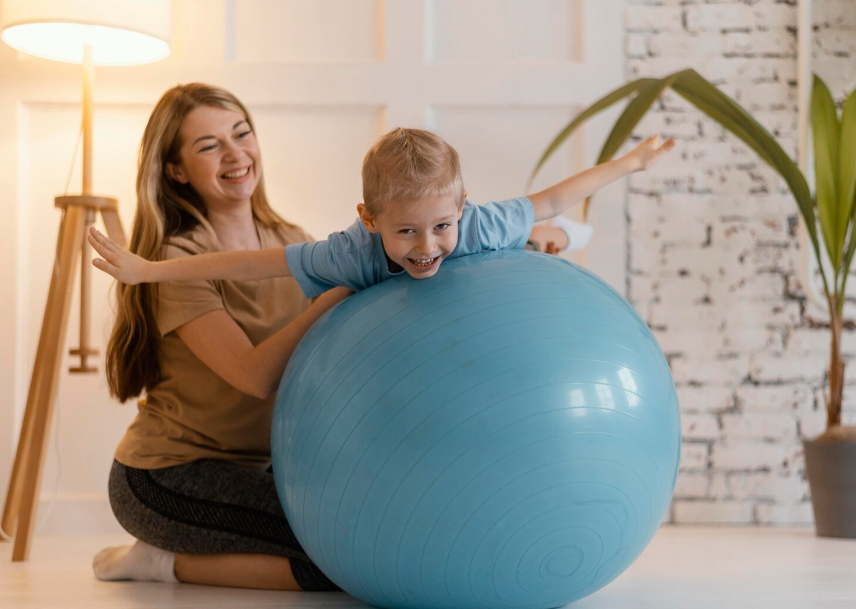
Choosing the Right Ball
You want your workout to feel safe and effective. Picking the right balance yoga ball makes a big difference. Here’s what you should look for:
Check the size. When you sit on the ball, your knees should bend at a 90-degree angle. If you’re not sure, ask a fitness coach or health professional for advice.
Look for an exercise ball with “anti-burst” technology. This means the ball won’t pop if it gets a small tear.
Pick a ball that matches your weight and height. Most brands have a size chart on the box or website.
Choose a sturdy ball that feels firm but not too hard.
You can also add other tools to your workout. Here’s a quick look at some options:
Equipment Type | Description | Use Case |
|---|---|---|
Stability Ball | A larger ball for full-body moves | Builds core strength and stability |
Over Ball | A small ball for focused core or pelvic exercises | Targets specific muscles |
Massage Balls | Small, firm balls for muscle release | Helps with recovery and mobility |
Safe Setup Tips
You want your workout space to be safe and comfortable. Before you start, clear the area around you. Move chairs, shoes, or anything you might trip over. Place your yoga ball on a non-slip surface, like a mat or carpet. Hard floors can make the ball slide, which is risky.
Here are some quick safety tips:
Avoid smooth floors that make the ball roll too easily.
Don’t use the ball near sharp corners or furniture.
Make sure you have enough space to stretch your arms and legs.
Take breaks if your muscles get tired. Using the ball works your core all the time, so rest when you need to.
When you get on or off the ball, keep your hands close for balance.
Tip: Warm up before your workout. Try dynamic stretches like leg swings, arm circles, or hip circles. These moves get your body ready and help prevent injuries.
A safe setup helps you focus on your workout and enjoy every move. You’ll feel more confident as you build strength and balance with your yoga ball.
Balance Yoga Ball Core Exercises
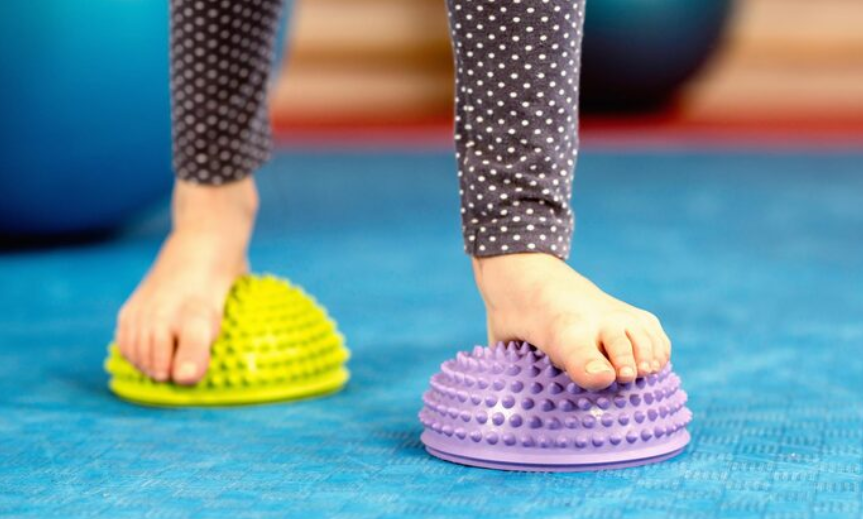
Ready to get moving? You can use your exercise ball for a variety of exercises that target your core and improve stability. These exercises work for all fitness levels. Start with simple moves and progress to more challenging ones as you build strength and confidence. Let’s break down each exercise step by step.
Seated Core Engagement
Sit tall on your balance yoga ball. Keep your feet flat on the floor and your knees bent at a 90-degree angle. Place your hands on your hips or let them rest by your sides. Lift one foot off the ground for a few seconds, then switch. You will feel your core muscles working to keep you steady.
Want to make it harder? Try gentle twists or lift both arms overhead. You can also add shoulder taps or reach forward to challenge your balance. These exercises help you activate your abs, lower back, and hips. You can use this move as a warm-up or as part of your core strengthening exercises.
Tip: Keep your back straight and your shoulders relaxed. Focus on slow, controlled movements.
Basic Ball Crunch
Lie back on your exercise ball with your feet flat and your knees bent. Position the ball under your lower back. Cross your arms over your chest or place your hands behind your head. Use your abs to lift your upper body toward the ceiling. Lower back down slowly.
This exercise targets your abdominal muscles and helps you build core strength. You can do 10 to 15 repetitions. If you want more challenge, try holding the crunch at the top for a few seconds.
Keep your neck relaxed.
Don’t pull on your head.
Move slowly and breathe out as you crunch.
Balance Ball Squat
Stand with your exercise ball between your lower back and a wall. Place your feet shoulder-width apart. Bend your knees and lower your body into a squat. Keep your weight in your heels. Push back up to standing.
Balance ball squats work your thighs, glutes, and core. You also improve ankle stability and mobility. This exercise helps you move better in daily life and protects your knees. You can do 10 to 12 squats.
Here are some key benefits:
You strengthen your ankles and feet for safe movement.
You build thigh and glute strength for better mobility.
You improve knee stability and reduce pain.
You increase calf strength for walking.
You engage your core with every squat.
Note: Keep your knees behind your toes. Don’t let the ball slip. Use slow, steady movements.
Single-Leg Lift
Sit on your balance yoga ball with both feet flat. Lift one leg off the ground and hold for a few seconds. Switch legs. This exercise improves balance and core strength.
You can modify this exercise for different levels:
Level | Modification |
|---|---|
Keep one foot grounded while placing the other foot on the ball. | |
Intermediate | Use a light resistance band around both feet while lifting one leg. |
Advanced | Place hands behind your head while lifting one leg to engage postural muscles. |
Try 8 to 10 lifts on each side. You will feel your core working to keep you steady.
Advanced Knee Tuck
Start in a plank position with your shins resting on the exercise ball and your hands on the floor. Pull your knees toward your chest, rolling the ball forward. Extend your legs back to the starting position.
This exercise challenges your abs, shoulders, and back. You need strong core muscles to keep your body stable. Try 8 to 12 repetitions.
Tip: Keep your hips level and your back straight. Move slowly and control the ball.
More Beginner-Friendly Moves
If you want extra options, try these beginner exercises with your exercise ball:
Glute bridge
Plank leg lift
Burpee
Split squat
Shoulder taps
Boat pose
Chest press
Side squat
These exercises help you build core strength, improve balance, and get comfortable with your exercise ball. You can mix and match them with your yoga routine.
Remember: Start with simple exercises. Focus on good form. Progress to harder moves as you get stronger.
You can use your balance yoga ball for many exercises. Each move helps you build stability, strength, and confidence. Try new exercises, listen to your body, and enjoy your yoga practice at home.
Safety and Progression Tips
Maintaining Good Form
You want to get the most out of your yoga ball routine. Good form keeps you safe and helps you see results. When you use a yoga ball, focus on your posture. Sit or stand tall. Keep your shoulders relaxed. Engage your core with every yoga move. Move slowly and with control. If you feel wobbly, pause and reset your position.
Tip: Use a mirror or record yourself. You can spot mistakes and fix them right away.
Avoiding Mistakes
Mistakes can happen during yoga ball exercise. Some common errors include twisting too much, losing control, or using one side of your body more than the other. These mistakes can lead to injuries over time. You might feel pain in your back, hips, or shoulders if you do not pay attention.
Asymmetry in movement can cause muscle strain.
Loss of control may lead to falls or joint pain.
Poor twist mechanics can hurt your spine.
You can prevent these problems. Check your form often. Start with simple yoga exercises before trying harder moves. Listen to your body. If something feels wrong, stop and rest.
Advancing Your Routine
You want to keep making progress with your yoga practice. Try new exercises as you get stronger. Add more time or more repetitions to your routine. You can use your yoga ball for balance, strength, and flexibility.
Aim for yoga ball exercise sessions 3–4 times each week.
Each session can last 30 to 60 minutes.
Mix up your yoga moves to keep things fun and challenging.
Note: Track your progress in a notebook. Write down which yoga exercises you try and how you feel after each session.
Stay patient and consistent. You will see better balance, stronger muscles, and more confidence in your yoga journey.
You can make your core stronger and balance better with a yoga ball. Begin with easy yoga moves. Add harder yoga challenges as you get better. Make yoga a habit by having a special yoga spot and a set yoga time. Try short yoga sessions at first. Change your yoga exercises so they stay fun. Write down your yoga progress and cheer for every yoga success. If you have problems, look at this table for quick help:
Barrier | Possible Adaptation |
|---|---|
Bright lights | Exercise when it is bright outside, wear tinted glasses, or turn away from bright lights. |
Loud music or chatter | Use headphones that block noise, pick quiet times, or do yoga at home. |
Crowds and overstimulation | Go when it is less busy, pick smaller gyms, or do yoga at home. |
Low motivation or executive dysfunction | Put up reminders, set phone alarms, or split sessions into small parts. |
Poor sleep or hormonal fatigue | Do gentle movement or stretching instead of hard workouts. |
Keep doing yoga often. Make yoga goals and see your skills get better over time.
FAQ
How often should you use a balance yoga ball for core workouts?
You can use your balance yoga ball three to four times a week. Start with short sessions. Add more time as you get stronger. Listen to your body and rest when you need to.
Can beginners use a balance yoga ball safely?
Yes! Beginners can use a balance yoga ball. Start with simple moves. Keep your feet on the floor. Use a wall or chair for extra support. You will build confidence as you practice.
What size yoga ball should you choose?
Pick a ball that lets your knees bend at a 90-degree angle when you sit on it. Most brands have a size chart. If you feel unsure, ask a coach or check the package.
How do you clean and care for your yoga ball?
Wipe your yoga ball with a damp cloth and mild soap. Let it air dry. Keep it away from sharp objects and direct sunlight. Check for damage before each use.
Can you use a balance yoga ball if you have back pain?
Always talk to your doctor first. Some people find gentle ball exercises help their back. Start slow. Stop if you feel pain. Use the ball for support, not for hard moves.
See Also
Global Joy And Stability Through Sensory Spinning Chairs
Creating A Sensory Gym Space For Autistic Children
Choosing The Ideal Weighted Vest For Sensory Comfort
