How to Set Up a Snoezelen Sensory Space for Children
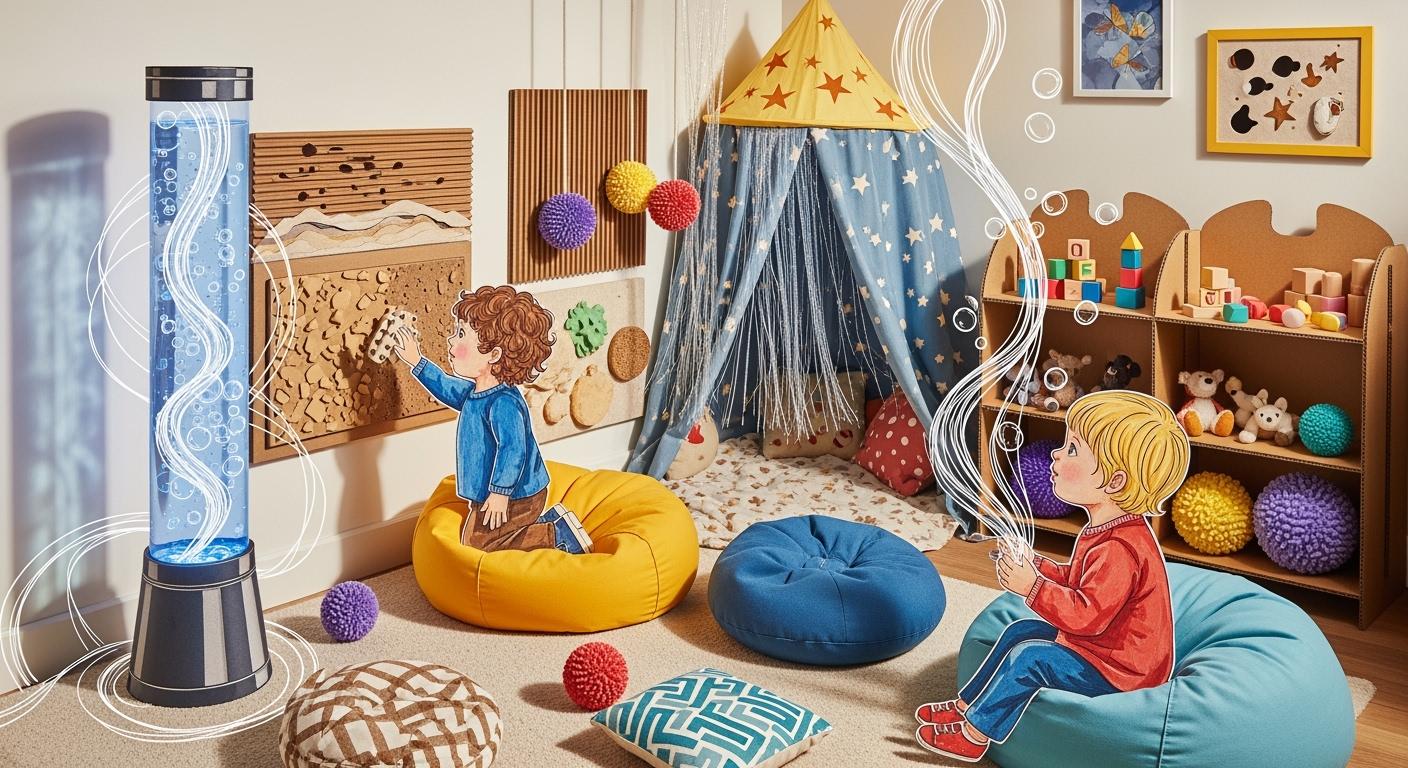
You can create a sensory room for your child right at home. Snoezelen therapy uses gentle lights, sounds, and textures to help kids feel calm. A sensory room is a safe place where children can relax, explore, and manage emotions. Kids often find comfort, better focus, and joy in these spaces.
Anyone can build a snoezelen area—even on a small budget.
Let’s get started and see how you can make a difference with simple steps.
Key Takeaways
Making a sensory room at home can help kids feel calm. It also helps them handle their feelings better. Snoezelen therapy helps kids focus more. It can lower their anxiety. It teaches them how to control their emotions. You do not need a big room or costly things. A small spot with soft lights and calm items can help. Use soft colors, quiet sounds, and things to touch. This will make a peaceful place for your child. Keep the sensory room clean and special for your child. This makes sure it stays safe and fun for your child’s needs.
Snoezelen Therapy and Sensory Room Benefits
What Is Snoezelen Therapy?
Snoezelen therapy helps you make a calm space for your child. A snoezelen room is a special place with soft lights, gentle sounds, and smooth textures. Your child can relax and explore in this room at their own speed. Experts say a good sensory room controls how much light, sound, and touch your child gets. This helps stop your child from feeling overwhelmed and keeps them safe. Snoezelen therapy uses things like fiber optic lights and walls you can touch. These activities help your child play and use their senses together.
Key Benefits for Children
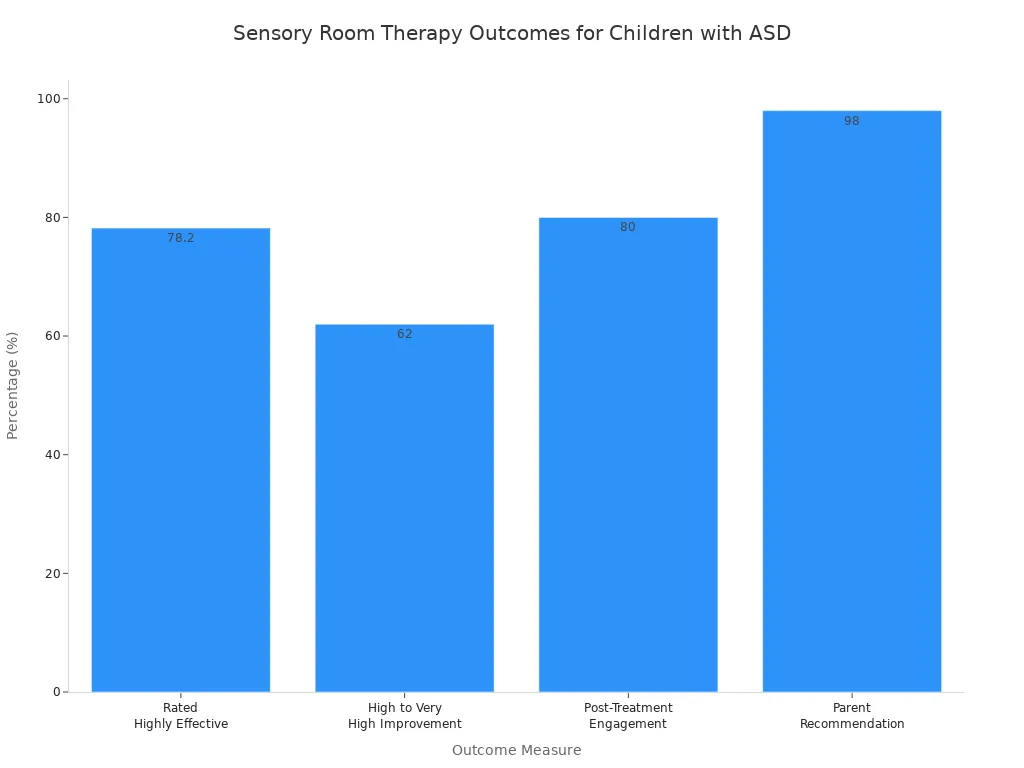
Snoezelen therapy helps kids with autism and sensory processing disorders. Many parents see their kids become calmer and repeat actions less after using a sensory room. Studies show snoezelen therapy lowers stress and anxiety. It also helps kids feel less upset and more steady. After time in a sensory room, kids can focus better in class or at home. Sensory rooms teach kids how to handle their feelings and learn important skills for life.
Here’s a quick look at the most common benefits:
Benefit | Description |
|---|---|
Emotional Regulation | Sensory rooms help children manage their emotions and reduce anxiety, preventing meltdowns. |
Improved Focus and Performance | Students return to class more focused after using sensory rooms, enhancing their learning experience. |
Development of Life Skills | Children learn to recognize their sensory needs and develop coping strategies for emotional balance. |
Inclusivity and Understanding | Sensory rooms promote a supportive environment for all learners, fostering empathy in school communities. |
You can see real changes too. Kids spend 32% more time on tasks and have 26% fewer behavior problems after eight weeks. They also feel less stress and worry in these rooms.
Improvement Type | Measurement |
|---|---|
Reduction in repetitive behaviors | Significant decrease noted |
Reduction in stress | Observed in controlled settings |
Increased task engagement | |
Reduction in behavioral incidents | 26% decrease over eight weeks |
Lower anxiety and physiological arousal | Supported by controlled environments |
Who Can Use a Sensory Room?
You can make a snoezelen room for many kids. Kids with autism, sensory processing disorders, or other disabilities get the most help. About 78% of parents say snoezelen therapy works very well for their kids. Most parents would tell others to try it. Sensory rooms also help kids who need a break from loud places or want a quiet spot to rest. These rooms are good for all kids, not just those with special needs.
Tip: You do not need a big room or fancy tools to start. Even a small spot with soft lights and a few sensory things can help a lot.
How to Create a Sensory Room at Home
Choosing the Right Location
You do not need a huge space to set up a sensory room. Start by looking for a quiet spot in your home. This could be a corner of a bedroom, a small spare room, or even a section of the living room. The most important thing is to make sure your child feels safe and comfortable there.
Here are some key things to think about when picking the best spot:
Factor | Description |
|---|---|
Space between equipment | Leave enough room for your child to move around. This helps prevent stress and keeps things safe. |
Electrical outlets | Place sensory equipment near outlets. This saves money and makes setup easier. |
Room layout | Think about where outlets and windows are. Good airflow helps, too. |
Floor coverings | Use plain carpets or mats. Simple colors keep the space from feeling too busy. |
Light control | Cover windows if you want to use special lighting. This makes the sensory experience better. |
Tip: You can use blackout curtains or shades to control natural light. This helps you create a more calming environment.
Calming Colors and Lighting
The right colors and lighting can make a big difference in your snoezelen room. Soft, gentle colors help your child feel calm and safe. You might want to use lavender, light gray, or earth tones. These colors lower stress and make the space feel warm and welcoming. Soft blues and greens also work well. They remind us of nature and help with focus.
Here are some calming color ideas:
Lavender helps reduce stress and brings a sense of calm.
Light gray gives your eyes a break and keeps things simple.
Earth tones, like beige or soft brown, make the room feel cozy.
Soft blues and gentle greens remind your child of the outdoors and help them concentrate.
When it comes to lighting, natural sunlight is best. If you do not have much sunlight, use soft lighting like LED bulbs or incandescent bulbs labeled as Soft White or Daylight. These lights feel gentle and do not hurt your eyes. Avoid harsh fluorescent lights because they can feel too bright and make it hard to relax.
Soft lighting tools like fiber-optic lights and bubble tubes work wonders in a sensory room. Bubble tubes give off a gentle glow and make soft bubbling sounds. This helps your child relax and focus. Fiber-optic lights add a magical touch and give your child something soothing to look at. Both of these options offer steady, predictable sensory input. This helps your child’s brain stay calm and not get overwhelmed.
Note: You do not need expensive equipment. String lights, small lamps, or even a simple nightlight can create a cozy feeling.
Sound and Scent Elements
Sound and scent play a big part in making your sensory room peaceful. You can use nature sounds, like rain or ocean waves, to block out loud noises from the rest of the house. Soft music or white noise machines also help your child relax and focus.
Here are some sound and scent ideas for your sensory space:
Type of Sound/Scent | Description/Effect |
|---|---|
Nature sounds | Rain, ocean waves, or forest sounds help your child feel calm and block out other noise. |
Binaural beats | Special sounds that use headphones to help your child relax or focus. |
Ambient music | Soft, steady music with few changes keeps the room peaceful. |
White/Pink/Brown noise | Gentle background sounds that help with sleep and focus. |
Lavender | This scent lowers anxiety and helps your child sleep better. |
Chamomile | A gentle scent that feels safe and nurturing. |
Vetiver | Earthy and grounding, good for calming busy thoughts. |
Bergamot | Uplifting but still soothing, helps with stress. |
Eucalyptus | Opens airways and helps your child feel relaxed. |
You do not need fancy machines to add these sounds and scents. Try these budget-friendly ideas:
Use a small speaker or your phone to play nature sounds or soft music.
Buy a simple white noise machine or use a free app.
Add a diffuser with a few drops of lavender or chamomile oil.
Make scented pillows or sachets with calming herbs.
Tip: Set up a small scent station with a few favorite oils. Let your child choose which scent they want to use. This gives them control and helps them feel safe.
You can create a sensory room that fits your budget and your child’s needs. Start small and add new things as you go. The most important thing is to make a space where your child feels calm, safe, and happy.
Essential Sensory Room Equipment and Materials

Visual and Tactile Elements
You can make your sensory area come alive with the right visual and tactile tools. Bubble tubes and projectors create moving lights and colors that grab your child’s attention. Fiber optic lighting adds soft, colorful strands that your child can touch and watch. These tools help make your snoezelen room feel magical and safe.
Tactile play is just as important. Try textured walls, sensory mats, or cushions with different surfaces. Tactile pillows and sensory bins filled with rice or sand give your child a chance to explore with their hands. Weighted blankets offer deep pressure, like a gentle hug, which helps many kids feel calm and steady. Fidget toys and stress balls keep busy hands moving and help with focus.
Description | |
|---|---|
Visual Stimulation | Bubble tubes, fiber optic lighting, projectors for calming effects |
Tactile Stimulation | Textured walls, sensory mats, tactile pillows, weighted blankets |
Soothing and Interactive Items
A sensory area works best when you add soothing and interactive items. Bubble tubes, tactile mats, and interactive projectors give your child something to watch and touch. You can also use hourglasses, Zen sand gardens, or magic sand for calming play. Fidget toys, silly putty, and expanding balls help your child focus and relax. Stuffed animals and coloring books add comfort and fun to your sensory room.
Weighted blankets help regulate emotions by giving deep pressure. This can lower stress and help your child feel safe. Fidget toys let your child play with their hands, which can ease anxiety and boost attention. Swings, bean bag chairs, and crash pads support body awareness and give your child a cozy spot to rest.
Budget and DIY Options
You do not need to spend a lot to create a great sensory area. Many sensory room ideas use things you already have at home. Hang up Christmas lights for soft lighting. Use a foam play mat or soft rug for the floor. Fill a laundry basket with balls to make a mini ball pit. Turn an old duvet cover into a crash mat by stuffing it with pillows. Pool noodles can become balance beams, and an old baby wrap can turn into a swing.
Check dollar stores for fidget toys and textured balls. Look for deals at home improvement stores or find used items online. Everyday items like old pillows, bean bags, and glow-in-the-dark stickers work well in a sensory area. Repurpose a closet or quiet corner to make a cozy sensory room for your child.
Equipment Type | |
|---|---|
Entry-level kits | $50–$200 |
Mid-range items | $200–$600 |
Premium products | $700–$2,500+ |
Full-room installations | $5,000–$15,000 |
Tip: Start small with your sensory area. Add new sensory room ideas as you learn what your child likes best. Your sensory room will grow with your child’s needs and interests.
Create a Multi-Sensory Room: Setup and Personalization
Arranging the Space for Safety
Safety is the most important thing in a multi-sensory room. First, make sure all equipment is strong and will not fall over. Put soft mats or padding on the floor to stop injuries if your child falls. Hide cords and cover outlets so no one gets hurt. Only let a few people in the room at once to keep it safe. Always watch kids, especially when they use swings or heavy things.
Here’s a simple safety guide:
Safety Tip | Why It Matters |
|---|---|
Floor padding | Stops kids from getting hurt if they fall |
Secure equipment | Keeps things from tipping over or breaking |
Regular checks | Finds problems before someone gets hurt |
Makes sure kids are safe while they play | |
Limit occupancy | Stops the room from getting too crowded |
Soft lights and things that block noise make the room calm. Set up quiet spots and different seats so your child can pick where to relax.
Personalizing for Children’s Needs
Each child is different, so the sensory room should match what they need. Watch how your child acts with different lights, sounds, and textures. You can talk to parents, watch your child, or use tools like the Sensory Profile to learn what your child likes.
Try these ideas to make your sensory room special:
Use furniture you can move to change the room for new activities.
Add lights that can get brighter or dimmer, or change color.
Make different areas for relaxing, playing, and exploring senses.
Give your child choices like swings, weighted blankets, bubble tubes, and tactile panels.
A multi-sensory room helps your child feel safe and interested. You can change the snoezelen space as your child grows or needs something new.
Maintenance and Upkeep
It is important to keep your sensory room clean and safe. Wipe down things after each use, especially if more than one child uses the room. Clean bubble tubes with special cleaner and empty them when you are not using them. Check mats and electronics every three months and fix or replace anything that is broken.
Make a cleaning plan:
Every day: Wipe surfaces and look for spills.
Every week: Clean mats, toys, and sensory tools.
Every month: Check all equipment for damage.
Remind kids to wash their hands before and after playing. Use cleaners that are safe for skin. Taking care of your sensory room keeps it safe, nice, and fun for everyone.
You can set up a sensory space at home by picking a quiet spot, adding calming lights, and choosing soothing sounds. Start with a few items and let your space grow as your child’s needs change. Many families see fewer problem behaviors and better focus when kids use sensory rooms.
Remember, a sensory room gives your child a safe place to relax and learn new ways to handle feelings. Every small step you take can make a big difference in their well-being.
FAQ
How much space do I need for a sensory room?
You do not need a big room. A small corner or a section of a bedroom works well. Focus on making the area safe and cozy. Start with what you have.
Can I make a sensory room on a tight budget?
Absolutely! Use things like string lights, soft rugs, and homemade sensory bins. Dollar stores have great finds. Repurpose old pillows or blankets. Your creativity matters more than expensive equipment.
What if my child does not like some sensory items?
That is okay. Every child has different likes. Watch how your child reacts. Remove anything that upsets them. Let your child help pick items. This makes the space feel special.
How do I keep the sensory room clean?
Wipe down surfaces daily. Wash soft items like blankets and mats weekly. Check equipment for damage every month. Encourage your child to wash hands before and after using the room.
See Also
Essential Steps for Creating a Home or School Sensory Room
Creating a Sensory Gym Space for Kids on the Autism Spectrum
Comprehensive Instructions for Designing an ASD Sensory Room
Tips for Establishing a Calming Environment Using Sensory Lighting
