How to Set Up an Autism Quiet Room for Maximum Comfort
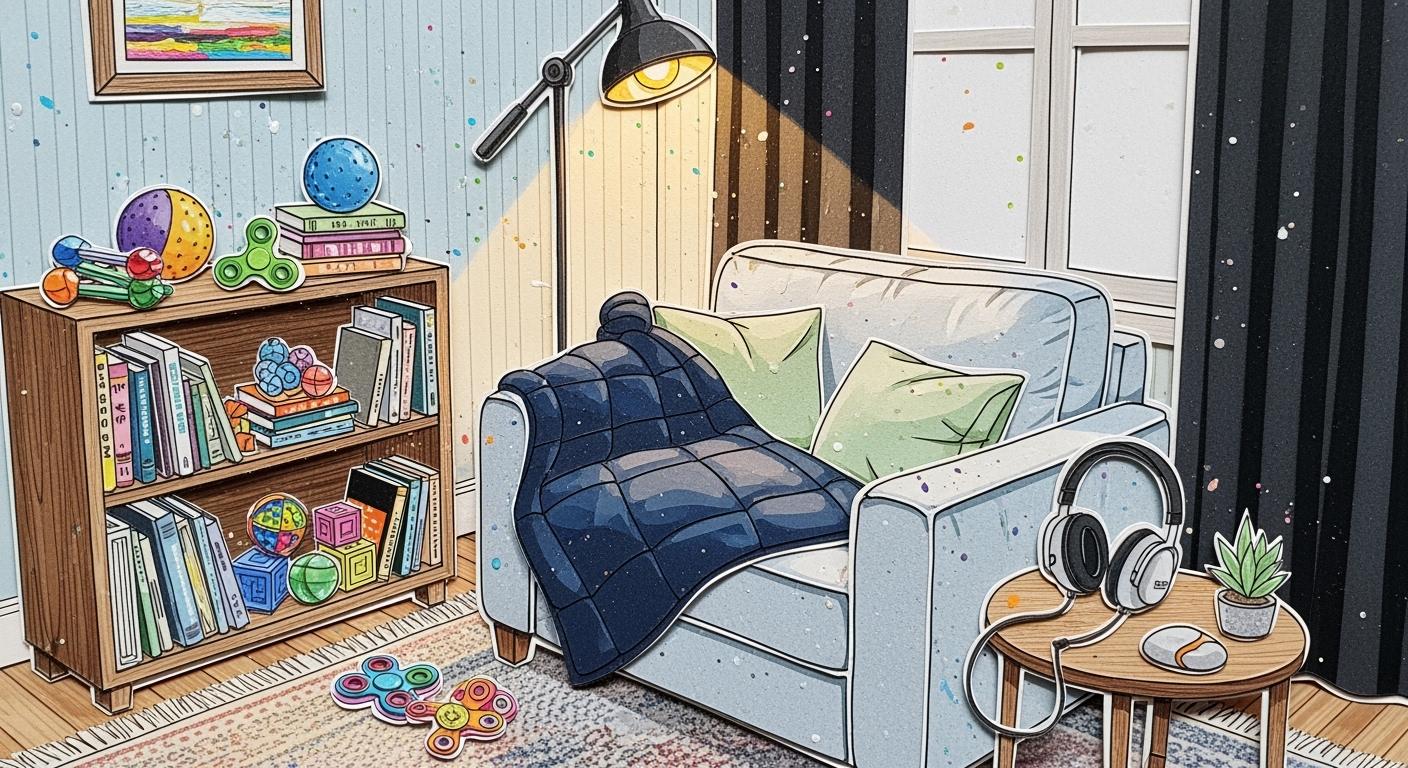
You can make an autism quiet room by making a calm space. This space should help with sensory needs and comfort. Many people with autism feel stressed by loud sounds, bright lights, or rough textures. More than 90% have trouble with sensory processing in normal places. A calming area is not the same as a sensory room. Sensory rooms usually focus on stimulation. A quiet room helps people relax and control their feelings. You do not need to buy costly items to make a calming area. Easy steps can help you create a helpful space for anyone who needs it.
Key Takeaways
Make a calm space to help with stress and big feelings. This area should feel safe and private.
Use soft lights and gentle colors to make it comfy. Stay away from bright lights and loud sounds.
Ask the autistic person to help plan the space. Their ideas make sure the room fits their needs.
Add sensory tools like weighted blankets and fidget toys. These things help people relax and focus.
Check the room often and make changes to keep it nice. Change the space if sensory needs are different.
What Is an Autism Quiet Room?
Purpose and Benefits
An autism quiet room gives you a calm place to relax and feel safe. You can use this space to manage stress or strong feelings. Many autism specialists say these rooms help you in three main ways:
Sensory Regulation: You can control your environment and avoid sensory overload. This helps you feel more comfortable.
Emotional Regulation: You can calm down and practice self-soothing. This helps you handle big emotions and learn coping skills.
Social Interaction and Communication: You can use the room to practice talking or being with others in a low-pressure setting.
Many people have shared positive stories about using a quiet room. For example, a child wanted to use a calm room in public to cool down when feeling angry. Occupational therapists also say these rooms help both families and schools. Early tests show that these spaces can lower anxiety and help you feel better.
Quiet Room vs. Sensory Room for Autism
You might wonder how an autism quiet room is different from a sensory room for autism. A quiet room focuses on calm and comfort. You use it to relax, take a break, or recover from too much noise or activity. The main goal is to help you feel safe and in control.
A sensory room for autism has a different purpose. You use it to explore and engage your senses. These rooms often have lights, sounds, and textures that help you learn and play. When you create a sensory room, you focus on stimulation and discovery. In contrast, a quiet room helps you rest and recharge.
Both types of rooms support people with autism, but they serve different needs. You can use both in your home or school to give yourself more choices for comfort and learning.
Choosing a Calming Area

Location and Minimizing Distractions
Pick a spot that is quiet and away from busy places. The best place is not near loud rooms or hallways. You want it to feel private and peaceful. Try to find a spot where people do not walk by a lot. This helps you avoid loud noises or people coming in.
Here are some things to think about when picking your calming area:
Criteria | Description |
|---|---|
Positive Experience | The calming area should feel safe and nice. Do not use it as a punishment or 'time out zone.' |
Accommodating Sensory Sensitivities | Change the lights and colors so they are not too strong. Use soft lights and calm colors. |
Common Items | Add crash pads, weighted blankets, visual prompts, fidgets, and relaxing music for comfort. |
The way the room feels is also very important:
Description | |
|---|---|
Adjustable Lighting | Soft, natural light helps you focus and keeps glare away. Sensory lights can make it more relaxing. |
Quiet Zones | Use things that soak up sound to keep the area quiet. This helps block out unwanted noise. |
Tactile Features | Sensory walls with different textures let you touch and relax. |
Color Impact | Soft colors like light blue or green help you feel calm. Bright colors might make you feel anxious. |
Sensory-Friendly Lighting | Natural light is best. Soft or dimmable LED lights keep things comfortable. |
Avoiding Sensory Triggers | Keep the area clean and tidy. This helps you feel calm and in control. |
You can keep distractions low by doing these things:
Make a calm corner with soft seats and cozy items.
Turn down bright lights to help your senses.
Use calm pictures and gentle sounds for a soothing space.
Pick warm, soft lights to stop glare.
Keep noise low. Noise-canceling headphones can help.
Play soft music to help you relax.
Keep the area simple. Too many things can be distracting.
Tip: Blackout curtains can block bright light and make the space calm. Neutral colors and soft textures help you feel more relaxed.
Creating a Safe Space
Safety matters when you make a calming area. The space should feel safe and comfy. Ask the autistic person to help plan the area. This makes sure it fits their needs and feels special.
Here are some good ways to make your calming area safe:
Tip | Description |
|---|---|
Ask what they want so the space works for them. | |
Sensory space location | Pick a spot away from noise and light for privacy. |
Consider all sensory aspects | Think about sight, sound, and touch for comfort. |
You can also do these things to make it safer:
Make a calm corner with soft lights and cozy textures.
Use neutral colors so patterns do not overwhelm.
Put up blackout curtains to stop too much light.
Add safety features like these:
Childproof locks on cabinets and drawers.
Window guards and safety gates.
Secure furniture and TVs so they do not tip over.
Cover outlets and hide cords.
Note: Check the calming area often to keep it safe and comfy. Change things if sensory needs change.
When you make a calming area, you help create a quiet space for comfort. Simple changes can make it safe and inviting. This gives you a place to relax and feel better.
Essential Items for Comfort and Calming
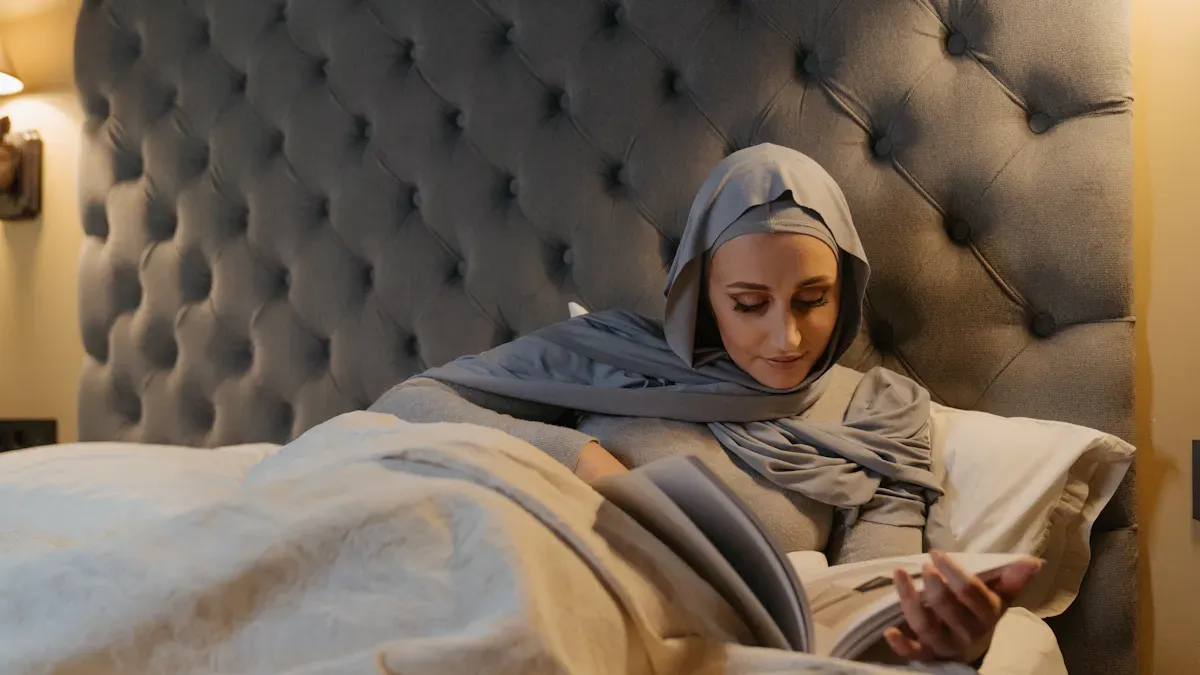
When you make a calming space, pick things that help you relax. These items should help you feel safe and comfortable. You do not need to spend a lot of money. Many simple items work well and are easy to find.
Sensory Tools and Textures
There are many sensory tools you can use. These tools let you touch, squeeze, or hold something. They help you focus and feel calm. Here are some items you might want:
Bean bags or crash pads for soft seats
Weighted blankets or lap pads for deep pressure
Fidget toys, squish balls, or putty for your hands
Sensory bins with rice, beans, or sand
Wall panels with different textures
Body socks for gentle squeezing
Sensory swings or hammocks for gentle movement
Rocking chairs or spinning seats for motion
Balance boards or trampolines for movement breaks
Soft and smooth textures can help you feel calm. Plush fabrics, silky surfaces, and smooth objects are good choices. You can add tactile wall art, cuddle balls, or vibrating pillows to your space. These tools help you control your feelings and manage sensory overload.
Tip: You can make a sensory room for autism by adding different textures and movement options. This gives you choices and helps you find what feels best.
Lighting and Sound Options
Lighting is important in a calming space. Natural light is best if you can use it. If you need other lights, pick soft, dimmable LED lights or string lights. Overhead lights should be flat to stop glare. Do not use fluorescent lights because they can flicker and bother you.
You can try these lighting options:
Bubble tubes or lava lamps
Color-changing LED strips
Projectors with moving images
Blackout curtains to block bright sunlight
Sound also affects how calm you feel. White noise machines or calming music playlists can help you relax. Carpets and heavy curtains soak up sound and keep the room quiet. You can use a Bluetooth speaker for gentle music or nature sounds. Some people like instruments such as rain sticks or drums for soft sounds.
Note: It is important to control noise for people who are sensitive to sound. You can use sound machines or play calming music to make the space peaceful.
Noise-Canceling Headphones
Noise-canceling headphones are helpful for many people with autism. They block loud or sudden noises. This helps you stay calm and focused if you are sensitive to sound. You can use them in your calming area or take them with you.
Here is a study that shows how noise-canceling headphones help:
Study Title | Authors | Findings |
|---|---|---|
Effectiveness of earmuffs and noise-cancelling headphones for coping with hyper-reactivity to auditory stimuli in children with autism spectrum disorder | Ikuta N., Iwanaga R., Tokunaga A., Nakane H., Tanaka K., Tanaka G. | Noise-canceling headphones can help children with autism manage hyper-reactivity to sounds. |
You can use noise-canceling headphones in your sensory room or take them anywhere. They help you control your environment and avoid sensory overload.
Try to keep headphones in your calming area. You can use them when you need a break from noise.
When you pick calming items, think about what feels good to you. You can mix tools, textures, and sounds to make your space relaxing. If you want a sensory room, add more movement and play options. The most important thing is to make the space fit your needs and help you feel comfortable.
Introducing and Using the Room
How to Introduce the Calming Area
You can help someone feel good in an autism quiet room by using easy steps. First, pick what the room is for. This helps everyone know how to use it. Choose a spot that feels safe and private. Change the lights by turning off bright ones or using soft lamps. Make rules so everyone knows how to use the space. Add sensory tools like weighted blankets or soft pillows to help people relax.
Think about who will use the room. Some people need a place to calm down. Others may use it for therapy. You can change the room for one person or a small group. Always think about the age and sensory needs of each person. For kids, you might add sensory toys and a chill spot. Adults may like mindfulness tools or a quiet place for yoga.
Techniques | Tools | |
|---|---|---|
Children | Tactile options, chill space | Weighted blankets, sensory toys |
Adults | Mindfulness, yoga | Quiet areas for decompression |
Practicing and Encouraging Use
You should show the calming area before anyone feels upset. Practice using the room when everyone is calm. Show how to use each item, like fidget toys or noise-canceling headphones. Ask people to visit often so the room feels safe and familiar. This helps you know what to do if someone feels upset.
Make the room cozy and positive. Add calming scents with essential oils or scented play dough. Create a snuggle spot with blankets and stuffed animals. Build a wall with different textures to touch. Offer vibration input with a hand-held massager. Play calming music with a steady beat to make the mood peaceful.
You can change the space based on what feels good to you. Update the room often to keep it fun and helpful. If you have a sensory room for autism, you can use both spaces for different needs. This gives you more choices for comfort and support.
Maintaining and Adapting the Space
Keeping the Area Calming
You should keep your calming area friendly and helpful. Check the space often to make sure it feels nice. Keep the lights soft and the colors gentle. Change sensory tools if someone’s needs change. Everyone likes different things, so update the room when needed.
Switch out sensory items if they break or stop working.
Clean the room often so it stays neat and welcoming.
Ask people who use the room what they think.
Add or swap sensory tools to see what helps most.
Tip: Make the calming area fit each person. This helps everyone feel safe and happy.
A good calming space needs the right lights, colors, and tools. Focus on what each person likes to make the room work better.
Adapting for Travel or Shared Spaces
Sometimes you need a calming area in new places. For trips, you can make a small, portable calming space. Pick soft colors like blue or green. Bring light chairs and easy-to-carry sensory tools. Weighted blankets and sensory bottles are good for travel.
Recommendation | Description |
|---|---|
Manage sensory input | Use calm colors and dim lights for a peaceful space. |
Use portable sensory tools | Bring things like weighted blankets and sensory bottles. |
Ensure accessibility | Pick light furniture that is easy to move and set up. |
If you share the space, make clear rules and use picture cards. Put up daily schedules and use timers to help everyone know what to do. Tell people before you change things. Give out fidget toys and noise-canceling headphones. Make quiet corners with soft lights and comfy seats. Turn off bright lights and keep the room tidy.
Give a quiet spot with soft pillows.
Make a space for moving and playing.
Add a play area with toys you can touch.
Small changes can help everyone feel good. A flexible calming area works well for trips and groups.
You can make an autism quiet room by doing these things: First, keep the room safe with soft corners and strong furniture. Next, use soft chairs and round tables to make it comfy. Add things like dim lights, soft blankets, and gentle music to help you relax. Make a plan for when to use the room and check if anyone feels too overwhelmed. Change the room so it fits what each person needs to feel calm.
Personalization | Benefit |
|---|---|
Changing the room for each person | Makes you feel more at ease and happy |
A kind and caring space helps people share feelings and feel less worried. Even small changes, like softer blankets or lighter colors, can help a lot.
Always remember, each thing you do adds comfort and hope. You help make a place where everyone belongs and feels welcome.
FAQ
What is the best color for an autism quiet room?
Soft colors like light blue, green, or beige work best. These colors help you feel calm and safe. Bright or bold colors can make you feel anxious or overwhelmed.
How big should a quiet room be?
You do not need a large space. A small corner or a part of a room works well. The most important thing is that you feel safe and comfortable in the area.
Can you use a quiet room at school?
Yes, you can set up a quiet room at school. Teachers and staff can help you find a calm spot. You can use this space when you need a break or feel stressed.
What if you share your calming area with others?
You can use clear rules and visual schedules. This helps everyone know when and how to use the space. You can also use headphones or fidget tools to make the area work for you.
See Also
Affordable Ways to Create a Sensory Room for Autism
Ten Unique Sensory Room Concepts for Kids with Autism
Benefits of Sensory Rooms for Children with Autism
