How to Set Up a Sensory Deprivation Room at Home

Imagine walking into your own sensory deprivation room at home. You shut the door and leave everything else outside. Many people say float therapy in a sensory deprivation room makes them feel calm and happy. You may feel less stress or pain after you try it.
Recent studies show that sensory deprivation tanks have many benefits. They help with mental health and physical recovery. Float therapy can help with anxiety, stress, and chronic pain. It also helps athletes recover faster. It may help with post-traumatic stress, burnout, and trouble sleeping that does not get better with other treatments. People with chronic pain, like fibromyalgia or tension headaches, often feel much better after float therapy.
You do not need special training to make your own sensory deprivation room. Float therapy can help you relax and recharge. You can enjoy the benefits every week. When you set up your own sensory deprivation room, you make a space that helps you feel good. Float therapy gives you a break from noise and light. You can use your sensory deprivation room to rest and recover. You may feel better each time you go. Float therapy lets you focus on yourself and what you need.
Key Takeaways
Pick a quiet spot in your house with few people walking by. This will help you avoid distractions in your sensory deprivation room.
Make sure the room is big enough and has fresh air. The float tank needs at least 8 by 10 feet of space. The ceiling should be at least 7 feet high.
Use materials that block sound and light to make the room better. Try to keep the room very quiet and dark for your float.
Do some easy steps before your first float session. Do not drink caffeine or eat heavy meals so you can relax.
Clean and take care of your float tank and room often. This keeps everything safe and nice for every use.
Choosing Your Sensory Deprivation Room
Picking a Low-Traffic Area
Start by looking for a quiet spot in your home. You want a place where people do not walk by all the time. Corners of bedrooms, living rooms, or even a large closet can work well. Less traffic means fewer distractions. You can relax more when you know no one will interrupt you. Try to pick a spot away from loud TVs, busy hallways, or the kitchen.
Room Size and Privacy
Room size matters for sensory deprivation. Float pods need at least 8 by 10 feet of space. This gives you enough room to move around and keep things clean. You also need a ceiling that is at least 7 feet high. This helps with airflow and makes sure the float tank lid opens easily. Good ventilation is important. Humidity from the tank can build up fast. If you do not have a waterproof room, water and salt can damage the floor or walls. Privacy is just as important as size. You want to feel safe and alone in your space. Try to use a room with a door you can close.
Tip: If you plan to use a float tank, make sure you have a dedicated outlet for safety. Do not use extension cords or share circuits.
Adapting Small Spaces
You do not need a huge room to enjoy sensory deprivation. Many people use small or shared spaces. You can make a small area work with a few smart choices. Here are some best practices:
Best Practice | Description |
|---|---|
Use certified materials | Pick materials that block sound well. This helps keep your space quiet. |
Modular solutions | Try portable panels or furniture you can move around as needed. |
Aesthetic considerations | Choose panels that look nice and work well for your space. |
Some common challenges include:
Space requirements for the tank and ceiling height
High humidity and salt that can damage surfaces
Needing a safe, dedicated electrical outlet
With a little planning, you can turn almost any space into a peaceful sensory deprivation room.
Essential Equipment for Sensory Deprivation

Float Tank Options
You have a lot of choices when picking a float tank for your sensory deprivation room. Some models work better for home use than others. Here’s a quick look at popular float tank options:
Float Tank Model | Price Range | Type | Best For |
|---|---|---|---|
Superior Float Tanks | N/A | N/A | Durability and support |
Samadhi | N/A | Cabin-style | Trusted home use |
Zen Float Tent | $5,000–$7,000 | ABS hard-shell | Affordable entry point |
Float Lab | $10,000–$14,000 | Fiberglass hard-shell | Athlete recovery |
i-sopod | ~$12,500–$15,000 | Fiberglass egg-shell | Looks and tech |
Escape Pod | $5,000–$7,000 | ABS hard-shell | Mid-range upgrade |
The Zen Float Tent is a favorite for many people starting out. It’s affordable and easy to set up. Samadhi tanks have a great reputation for reliability. If you want something strong, Superior Float Tanks are a good pick.
DIY Sensory Deprivation Tank
You can build your own sensory deprivation tank if you want to save money or customize your setup. A DIY home sensory deprivation tank usually costs between $9,000 and $10,000 to start. You’ll spend about $1,500 to $2,000 each year to keep it running. This is much less than commercial float tanks, which can cost up to $20,000 or more. You can find plans online for different budgets and room sizes.
Soundproofing and Light Blocking
To get the best results from your float tank, you need to block out sound and light. Here are some top materials for soundproofing:
Material | Description | Best Use |
|---|---|---|
Green Glue Noiseproofing Compound | Raises soundproofing by up to 12 STC points | Walls and ceilings |
Quiet Barrier® Specialty Composite | Four layers for blocking and absorbing noise | High-noise rooms |
For light blocking, try these solutions:
Blackout curtains for windows
Window film for extra darkness
Light-blocking shades
Eye masks if you still see light
Rolled towels under doors
Comfort and Temperature Control
You want your float tank to feel just right. The best water temperature is between 93.5°F and 94.5°F. This matches your skin’s surface temperature. At this range, you can’t tell where your body ends and the water begins. That’s what makes sensory deprivation float tanks so relaxing. Make sure your home sensory deprivation tank has a good water filter and a safe water connection. Always follow safety rules for float tanks to keep your space clean and healthy.
Preparing the Sensory Deprivation Room
Soundproofing Steps
You want your sensory deprivation room to be as quiet as possible. Soundproofing helps you block out noise from the rest of your house. Here’s a step-by-step guide to get you started:
Add Mass: Start by adding Mass Loaded Vinyl (MLV) or extra drywall to your walls. These materials block sound waves and make your room quieter.
Vibration Damping: Use Green Glue between layers of drywall. This special glue stops sound vibrations and turns them into heat.
Sealing Gaps: Check for any cracks or gaps around doors and windows. Seal them with acoustic caulk. Add door sweeps and weatherstripping to keep sound from sneaking in.
Decoupling Methods: Try using resilient channels, sound isolation clips, or staggered stud walls. These tools help stop sound from traveling through your walls.
Tip: Even small changes can make a big difference. Start with the easiest steps and add more as you go.
Installing Light Blocking Features
Light can ruin the sensory deprivation experience. You want your room as dark as possible. Here are some ways to block out light:
Hang blackout curtains over windows. These curtains keep sunlight and streetlights out.
Use window film for extra darkness. This film sticks right to the glass.
Place rolled towels or draft stoppers under doors to block light from the hallway.
Install light-blocking shades if you have tricky windows.
Try an eye mask if you still notice a little light.
Note: Test your room by turning off the lights and looking for any glow. Cover up any spots you find.
Setting Up the Float Tank
Now it’s time for the float tank setup. This part is exciting, but you need to follow some important steps to keep things safe and comfortable.
Pick a ground-floor spot with a drain nearby. This makes cleaning and draining the tank much easier.
Make sure your room has good ventilation. Humidity from the float tank can build up fast and damage your walls or floor.
Place the float tank within 15–20 feet of a drain. This helps you avoid spills and messes.
Use a dedicated electrical outlet for your float tank. Don’t use extension cords or share outlets with other devices.
Check that your float tank has a strong filtration system. Look for UV sterilization, hydrogen peroxide or ozone treatment, and micron filters. These features keep the water clean and safe.
Only use the sensory deprivation tank if you are healthy. People with certain medical or skin conditions, uncontrolled epilepsy, or open wounds should not use sensory deprivation float tanks. Always check with your doctor if you are unsure.
Safety First: Never skip the health screening. Clean your float tank often to prevent bacteria.
Arranging Equipment
You want your sensory deprivation room to feel calm and organized. Arrange your equipment for the best experience:
Place the float tank in the center or against a wall, depending on your space.
Keep towels, robes, and slippers close by. You’ll want them when you get out of the float tank.
Store cleaning supplies in a cabinet or on a shelf. This keeps your room tidy.
Add a small bench or chair for changing clothes.
Use baskets or bins for personal items like earplugs, eye masks, or water bottles.
Equipment | Best Placement | Purpose |
|---|---|---|
Float tank | Center or side wall | Main sensory deprivation tank |
Towels & robes | Near tank entrance | Drying off and comfort |
Cleaning supplies | Closed cabinet/shelf | Easy access, stays hidden |
Bench or chair | Corner or near door | Changing area |
Personal items bin | Next to bench/chair | Storage for small essentials |
Pro Tip: Keep your space clutter-free. The less you see, the easier it is to relax.
With these steps, you can create a peaceful sensory deprivation room at home. Careful float tank setup and smart equipment placement help you get the most from your sensory deprivation float tanks.
Comfort and Safety in Sensory Deprivation Float Tanks
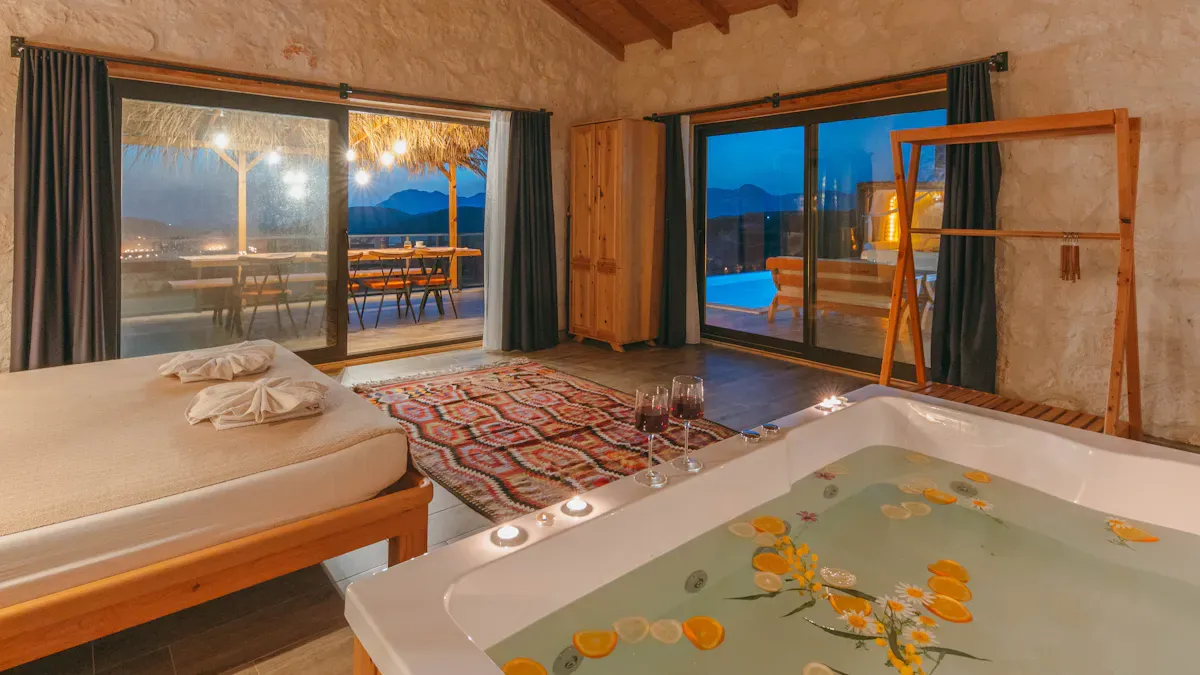
Ventilation and Cleanliness
You want your sensory deprivation room to feel fresh and safe every time you use it. Good air quality helps you relax and keeps the room healthy. Here’s what you should look for in ventilation:
Aim for 10–15 air changes per hour in your float room.
For a room that is 80–100 square feet with 8-foot ceilings, use a fan that moves at least 130–200 CFM.
If your room is bigger or you use it a lot, try for 200–300 CFM.
Pick a fan that is quiet, with a sone rating of 1.5 or lower.
Make sure your fan can run all the time in a humid space.
Keeping your float tank clean is just as important as good air. Follow these steps to keep your tank safe and free from germs:
Shower before you float, check the water, skim the surface, put the cover back on, and wipe the inside of the cover every day.
Test and adjust the water chemistry every week to stop bacteria from growing.
Once a month, drain the tank, check for mold, clean with hydrogen peroxide, wash the filter, clean the lines and jets, dry everything, and refill with fresh water.
A clean and well-ventilated room helps you reduce tension and stress. You will notice decreased stress and anxiety when you know your space is safe.
Personal Safety Tips
You should always think about safety before you float. Keep a phone or emergency button nearby in case you need help. Tell someone in your home when you start a session. Make sure you can open the tank easily from the inside. If you ever feel dizzy or uncomfortable, get out right away. These steps help you manage stress and keep your mind at ease.
Accessibility
Everyone deserves to enjoy the benefits of float therapy. Many float rooms have wide doors and open spaces. This makes it easier for people with mobility challenges to get in and out. You can add support bars or a bench if you need extra help. A comfortable and accessible room can help you feel safe and welcome. When you feel secure, you can focus on relaxing, lowering stress, and enjoying improved quality of sleep.
Using Your Sensory Deprivation Room
Starting Your First Session
You might feel excited or a little nervous before your first float. That’s normal! Here’s a simple routine to help you get ready:
Start preparing about 4–6 hours before your session. Skip caffeine so you can relax more easily.
Eat a light meal 1–2 hours before you float. Heavy foods can make you uncomfortable.
Avoid alcohol. It’s safer and helps you enjoy the experience.
Don’t shave or wax for at least 24 hours. Salt water can sting your skin.
Take out your contact lenses before you get in the tank.
Wash your hair well. This keeps the water clean.
Arrive in your room 15 minutes early. Use this time to get comfortable and review emergency steps.
This setup and maintenance guide helps you start your float therapy journey with confidence.
Tip: Bring a towel and water bottle. You’ll want both nearby when you finish.
Maximizing Float Therapy Benefits
You can get even more out of your sensory deprivation room by adding a few simple routines:
Try a sauna before you float. This relaxes your muscles and gets your body ready.
Do some gentle yoga or meditation before you enter the tank. This helps your mind slow down.
After your float, use red light therapy within 15–30 minutes. This boosts your recovery.
Stick to a weekly float schedule. Regular sessions help lower stress and improve sleep over time.
You can personalize your experience, too. Adjust the lighting or tank lid to your liking. Use optional head support for extra comfort. If you want, try a pre-float drink to relax or a post-float drink to rehydrate.
Maintenance and Personalization
A good setup and maintenance guide keeps your sensory deprivation room in top shape. Here’s a quick look at what you need to do:
Frequency | Tasks |
|---|---|
Weekly | Test pH (7.2–7.8), check specific gravity, rinse filter, wipe walls |
Monthly | Replace filter, inspect UV bulb, check clamps, test heater, inspect seals |
Quarterly | Change 10–20% water, deep clean shell, descale heater, inspect pump |
Annual | Replace UV bulb, add salt, full water change, inspect electrical |
You may run into issues like salt creep or high humidity. Wipe surfaces often and keep the room at 55–65% humidity. Use materials that handle Epsom salt well. Good ventilation stops condensation and keeps everything safe.
Personal touches make your room special. Add breath cues if you need help relaxing. Choose your favorite lighting. Move the tank lid to the spot that feels best for you. This setup and maintenance guide helps you create a space that fits your needs and keeps your float therapy going strong.
You can set up your own sensory deprivation room with a few simple steps. Make your space comfortable and adjust it as you learn what works best for you. Personal touches help you relax and enjoy every session. Over time, you may notice these benefits:
Less stress in your daily life
Easier ways to manage anxiety
Better sleep and clearer thinking
Keep exploring new ideas. Your room can grow with you. Enjoy the peace and calm you create at home! 🧘♂️
FAQ
How long should you float in your sensory deprivation tank?
Most people float for 60 to 90 minutes. You can start with 30 minutes if you feel unsure. Listen to your body. If you feel relaxed, you can stay longer next time.
Can you use a sensory deprivation room if you cannot swim?
Yes, you can! The water in a float tank has a lot of Epsom salt. You will float without effort. You do not need to know how to swim.
What should you wear during a float session?
You can float in a swimsuit or nothing at all. Most people choose to float nude for the best experience. The goal is to remove all distractions.
Is it safe to use a float tank at home?
Tip: Always check your equipment before each session.
Float tanks are safe if you follow the setup and cleaning steps. Keep emergency contacts nearby. If you have health concerns, talk to your doctor first.
See Also
Your Comprehensive Guide to Creating a Home Sensory Room
Essential Steps for Establishing a Sensory Room Anywhere
Transform Your Space with Soothing Sensory Room Lighting

