How to safely install a canvas swing indoors and outdoors
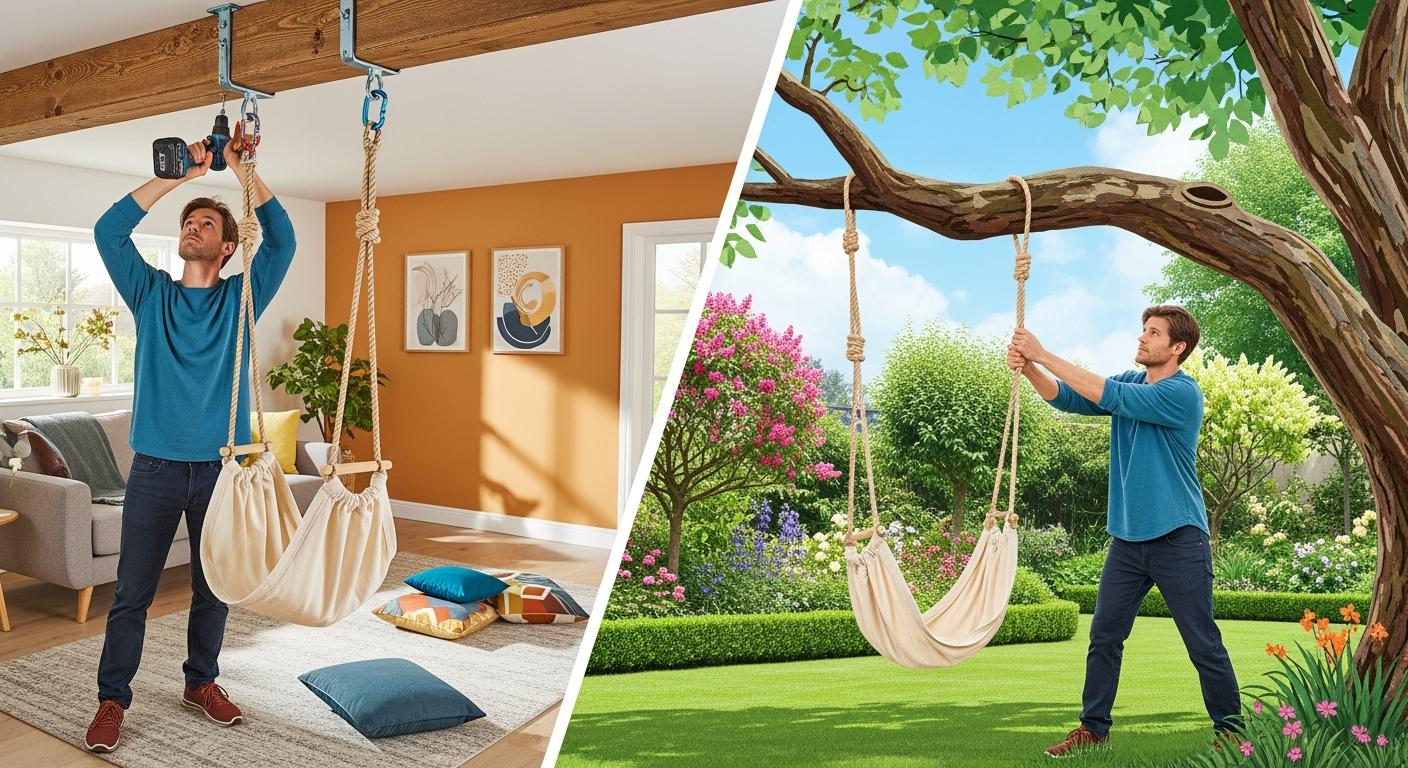
You can put up a canvas swing inside or outside if you follow some safety rules. First, choose a strong place, like a ceiling joist or a thick tree branch. Use hardware that can hold the weight you need, especially with a Wing Sensory Pod Swing. Always read and follow the manufacturer's instructions when you install it. Before anyone uses the swing, make sure it feels steady. Check the canvas swing often to keep it safe for everyone.
Key Takeaways
Pick a strong and safe spot for your swing, like a ceiling joist or a thick tree branch. This helps keep everyone safe.
Use good quality hardware that can hold the swing’s weight. Always look at the weight ratings to stop accidents.
Follow safety rules when you buy swings and hardware. Check for ASTM and CPSC labels to make sure they are safe.
Check your swing and its hardware often for damage or wear. Look at them every week, especially after storms or lots of use.
Make a safe area around the swing. Keep at least six feet of space on all sides to stop accidents.
Choosing a Canvas Swing and Hardware
Types of Canvas Swings
You have a lot of choices when it comes to canvas swings. Each one offers something special. Here are some common types you might see:
Therapy swings help with sensory experiences. Kids and adults use them to feel calm or focused.
Calming swings give you a cozy spot to relax. They can help you feel safe and comfortable.
Active swings let you move and play. These swings help your body learn balance and coordination.
Some swings work well at home, in school, or even during therapy sessions.
Think about where you want to use your swing. Some types fit better indoors, while others can handle outdoor weather.
Hardware Selection and Weight Ratings
You want your swing to stay safe and strong. Always pick hardware that matches the weight of the person using the swing. Look for sturdy hooks, carabiners, and ropes. If you plan to use the swing outside, choose hardware that will not rust or break in the rain. Stainless steel or heavy-duty coated metal works best for outdoor use.
Tip: Check the weight rating on every piece of hardware. Make sure it can hold at least twice the weight you expect.
Safety Certifications
Safety matters most when you hang a swing. You should check for safety certifications before you buy. These labels show that the swing and hardware meet important safety rules.
Certification | Description |
|---|---|
ASTM | Ensures compliance with safety standards for playground equipment. |
CPSC | Provides guidelines for the safe design and use of playground equipment. |
If you see these certifications, you know the swing passed safety tests. This helps you feel confident every time you use it.
Tools and Materials for Installation
Essential Tools for Indoor Swings
Getting ready to hang a swing inside? You want to make sure you have the right tools before you start. Here’s a simple list to help you get set up:
Stud finder – This tool helps you find a strong beam or joist in your ceiling. You want your swing to hang from something sturdy.
Drill – You’ll need this to make holes for your mounting hardware.
Screw eye – This heavy-duty hook goes into the ceiling beam and holds the swing.
Heavy-duty chain links or locking carabiners – These connect the swing to the screw eye and keep everything secure.
Galvanized metal chain or heavy-duty rope – Both options work well for holding up your swing. Galvanized metal resists rust, so it lasts longer.
Tip: Always pre-drill holes before you screw in the hardware. This helps prevent the wood from splitting and makes the job easier.
Outdoor Swing Materials
When you want to install a swing outside, you need materials that can handle the weather. Some materials work better than others because they resist rot, rust, and fading. Here are some top choices:
Wood: Cedar and redwood stand up to rain and sun. They don’t rot easily, so your swing stays safe.
Metal: Steel and aluminum both work well. Steel needs a special coating to stop rust, while aluminum naturally resists it.
Plastic: High-density polyethylene (HDPE) is tough and doesn’t fade in the sun. It’s easy to clean, too.
Vinyl: This material mixes the strength of wood with the weather resistance of plastic. It needs less care than regular wood.
Note: Always pick outdoor-rated hardware for your swing. This keeps everything strong and safe, even after storms or hot days.
Indoor Canvas Swing Installation

Find a Secure Beam or Joist
You want your indoor canvas swing to feel safe and steady every time you use it. Start by picking a suitable mounting location. Look for a strong ceiling beam or joist that can handle the weight limits of your swing. Here’s how you can find the right spot:
Use a stud finder to locate hidden beams above your ceiling. This tool helps you avoid guessing.
Inspect the ceiling structure. Make sure it looks solid and free from damage or rot.
If you see exposed beams, these can be great for hanging your swing indoors.
Steel beams in some buildings also work for installation.
Always check that the joist is at least 2x6 in size and supported on both ends.
Remove any ceiling panels if you need to see the joists clearly.
If you feel unsure about the ceiling’s strength, ask a contractor or structural engineer for help.
You want to make sure the structure can support the swing’s capacity, especially if more than one person might use it. Never hang your swing from a weak or damaged joist. This step is key for safety and comfort.
Pre-Drilling and Mounting Hardware
Now you’re ready to install the hardware. Pre-drilling helps you avoid splitting the wood and makes the job easier. Here’s a simple way to do it:
Drill a pilot hole that’s at least 1/4 inch deeper than the screw length.
Use a drill or driving tool to insert the fastener into the hole.
Make sure the fastener sits snug against the ceiling. You don’t want any movement.
If you’re mounting into concrete, follow the same steps. Always use hardware that matches your swing’s weight limits. This keeps your installation strong and safe.
Attach the Swing and Safety Check
You’re almost ready to enjoy your indoor swing. Attach the swing to the hardware using heavy-duty carabiners or chains. Double-check every connection. Here’s a quick safety checklist before you start swinging:
Make sure the swing is fully attached and connected to the swing holds.
Lightly push on the swing to check for shifting or sagging.
Inspect all hardware, ropes, and the swing itself for signs of wear or damage.
Replace any worn or damaged parts right away.
Clear the area under and around the swing. Remove obstacles and use floor mats for extra safety.
Supervise children closely while they use the swing.
If you want to install an indoor baby swing, use quality ceiling hooks and make sure the seat hangs no higher than 40 cm from the ground. Check that the rope is secure and can support your baby’s weight. Choose a swing made from high-quality materials, free from harmful chemicals. Always think about your baby’s safety and comfort.
Many parents ask, “What age can a baby use the indoor swing?” Always follow the manufacturer’s guidelines. Pick the right swing for my baby by checking age and weight recommendations. If you need solutions for installing or have questions about proper installation, talk to a professional.
Hanging your swing indoors can bring joy and relaxation to your home. When you hang a baby swing, focus on safety and comfort every step of the way. With careful installation, you can create a fun and secure spot for your children to play and relax.
Outdoor Swing Installation and Safety

Choose a Safe Location
You want your canvas swing to feel safe and fun every time you use it. Picking the right location is the first step. Look for a spot in your yard that gives you plenty of space. You need to think about how children will get to the swing and if the ground is soft enough to cushion a fall.
Here’s a quick table to help you remember what to check:
Criteria | Description |
|---|---|
Accessibility | Make sure there’s a clear path from your house or driveway to the swing. |
Surfacing | Use a surface that meets playground safety standards, like mulch or rubber. |
When you choose a location, keep these tips in mind:
Make the use zone in front and behind the swing longer than the sides.
The use zone for a belt swing should be at least twice the height from the swing’s top to the ground.
Keep at least 6 feet between the swing and any walls, fences, or other equipment.
Tip: Always create a safety zone around your swing. Leave at least six feet of space on all sides. This helps prevent accidents and gives children room to play.
If you want to hang a baby swing, pick a spot where you can watch your baby easily. Avoid busy walkways or places with sharp objects nearby. Your baby’s safety and comfort come first.
Install Outdoor Hardware
Now you’re ready to install the hardware for your outdoor swing. You need strong, weather-resistant parts to keep your swing safe and steady. Outdoor-rated hardware stands up to rain, sun, and wind. Here are some top choices for hanging your swing:
Heavy-duty eye bolts work well for thick wooden beams and give strong anchor points.
Swing hangers let the swing move smoothly and reduce wear.
Tree strap kits protect the tree and hold the swing securely.
Check out this table for what to look for in outdoor hardware:
Feature | Description |
|---|---|
Material | Zinc-plated steel resists rust and weather. |
Accommodates | Works for single or double swings. |
Weight Capacity | Holds up to 450 lbs. |
Hardware Included | Comes with brackets, S-hooks, and bolts. |
Assembly | Needs a drill for installation. |
Corrosion Resistance | Yes, built for outdoor use. |
Before you start hanging, check the strength of your tree or structure. Pick a mature hardwood tree like oak or maple. The branch should be at least 8 inches thick. Stay away from trees with mushrooms, cracks, or missing leaves. These signs mean the branch might not support the swing. Never use a branch that is more than half the size of the trunk. That can make the connection weak.
Note: Always check for insects or rot before hanging your swing. A healthy tree means better stability and safety.
Hang the Swing and Inspect
You’re almost ready to enjoy your outdoor canvas swing. Attach the swing to your hardware using strong chains or ropes. Make sure every connection feels tight and secure. Test the swing by gently pulling and sitting on it before letting children play.
Here’s a checklist for your final inspection:
Look for rust, splinters, or frayed ropes.
Make sure all parts are tight and nothing wobbles.
Remove any swings not in use to keep the area safe.
Only let children use the swing if it matches their age and size.
Always supervise children while they play.
You should check your swing often. Look for damage every week, especially after storms or lots of use. In places with harsh weather, check even more often. The Consumer Product Safety Commission says you should adjust how often you inspect based on how much you use the swing and the weather in your area.
Tip: Regular inspections keep your swing safe and help it last longer. If you see any problems, fix them right away.
If you want to hang a baby swing outdoors, follow the same steps. Use hardware that supports your baby’s weight and check the seat for comfort. Make sure the swing hangs low enough for easy access but high enough to keep your baby safe. Always think about your baby’s safety and comfort when you set up and use the swing.
With careful installation and regular checks, your outdoor canvas swing will bring joy and relaxation to your family. You can feel confident that your swing offers both safety and comfort for everyone.
Safety Checklist and Maintenance
Pre-Use Safety Checks
Before you start hanging out on your canvas swing, you want to make sure everything is safe. Use this checklist every time you or your baby plan to swing:
Checklist Item | Description |
|---|---|
Make sure your swing has enough space all around. | |
Check for cracks or splits in seats and chains | Look for any damage before hanging or swinging. |
Verify swing seats are securely attached to chains | Check all connections before hanging your swing. |
Always check the hanging hardware and ropes. If you see any fraying or rust, stop using the swing. Make sure the swing matches the weight limits and capacity for everyone, especially if your baby will use it. Never skip this step, even if you just checked yesterday.
Troubleshooting Common Issues
Sometimes you might notice problems with your swing after hanging it for a while. Here are some quick fixes:
Choose UV-resistant fabrics if your swing sits outside. This helps the canvas last longer.
Place your swing in a shaded spot to protect it from sun damage.
Use a cover when you finish hanging the swing for the day.
Measure your swing frame before buying a new canopy. Make sure the size fits to avoid sagging.
If you need a replacement canvas, you can fix it for about $30 instead of buying a new swing.
If you notice your baby’s swing looks worn or loose, stop hanging it right away. Always double-check the hanging points and hardware before letting your baby use the swing.
Maintenance Tips for Longevity
You want your swing to last for years of hanging fun. Here are some tips:
Inspect wood for splinters or bugs before hanging the swing.
Apply sealant or stain to protect against rain and sun.
Lubricate chains and joints to keep hanging parts moving smoothly.
Clear the area under the swing so your baby stays safe while hanging.
Store accessories indoors during winter and use a weatherproof cover.
Sand rough spots and touch up bare areas to keep the swing strong.
Regular hanging checks and maintenance keep your swing safe. You save money and protect your baby by catching problems early. When you follow a routine, you get more years of safe hanging and fewer worries about your baby’s safety.
You can install a hanging chair or canvas swing safely if you follow a few simple steps. Pick strong materials, check anchor points, and make sure the ground is level before hanging. Always inspect for sharp edges, broken seats, or loose parts. Supervision matters—keep supervised children safe by watching them while they play. Set a schedule for hanging checks and maintenance. If you feel unsure about how to install a hanging chair, ask a pro for help. Remember, skipping hanging checks can lead to accidents. Enjoy your swing with peace of mind and keep hanging fun and safe for everyone!
Improper hanging can lead to injuries and even legal trouble. Stay alert and keep up with hanging maintenance.
FAQ
How often should you check your swing for safety?
You should check your swing every week. Look for loose bolts, frayed ropes, or worn canvas. After storms or heavy use, inspect it again. Staying alert keeps everyone safe.
Can you install a canvas swing in an apartment?
Yes, you can! Use a stud finder to locate a strong ceiling joist. Always ask your landlord before you drill. If you feel unsure, hire a professional.
What is the best way to clean a canvas swing?
Remove the swing and shake off dirt. Use mild soap and water with a soft brush. Let it air dry completely before hanging it again.
How do you know if a tree branch is safe for a swing?
Pick a thick, healthy branch—at least 8 inches wide. Avoid branches with cracks, mushrooms, or missing bark. If you see any damage, choose another spot.
See Also
Essential Advice for Choosing the Perfect Sensory Swing
Guidelines for Choosing Safe and Sturdy Wall Padding
Comprehensive Instructions for Creating a Home Sensory Room
Thorough Guide for Establishing Sensory Rooms at Home or School
Creative Sensory Table Concepts for Simple Home Arrangements
