How to Plan Effective Sensory Activities for Autism in the Classroom

You can plan good sensory activities for autism in the classroom by first knowing that sensory challenges are very common. Studies say that between 42% and 88% of kids with autism have sensory processing problems. Sensory play helps kids pay attention better and feel less worried, especially when they can pick how they join in the activity. When you learn about each child’s needs, sensory activities for autism become a strong way to build confidence and make learning fun for all students.
Key Takeaways
Know that sensory challenges happen a lot for students with autism. Change activities to fit each student’s sensory needs. This helps students join in better.
Sensory play helps students handle feelings. It also helps them focus and learn social skills. Playdough or water play can calm students. These activities also teach new things.
Watch each student to see what sensory things they like. Use checklists and tools to find what helps or bothers them. This makes sure activities work well.
Make the classroom friendly for sensory needs. Use soft lights and quiet areas. Give students different places to sit. This helps students feel safe and relaxed.
Make clear goals for sensory activities. Check how students do and change activities if needed. This helps students learn and grow more.
Understanding Sensory Activities for Autism
Common Sensory Challenges
If you teach students with autism, sensory activities for autism can help a lot. Many students deal with sensory challenges every day. These challenges are not the same for everyone. Some students get upset by loud sounds or bright lights. Others do not notice sounds or touch much. You may see students spin, jump, or chew things for more sensory input. Some students avoid certain textures or react strongly to smells. These actions are not just habits. Students use them to handle their sensory world.
Over-responsiveness: Loud sounds, bright lights, or some textures can upset students.
Under-responsiveness: Some students do not notice noise or pain and want strong sensations.
Sensory seeking: Spinning, jumping, or making loud sounds helps some students feel better.
These sensory processing differences change how students act, learn, and behave in class.
Why Sensory Play Matters
Sensory activities for autism help students deal with these challenges. Sensory play gives students a safe way to explore and learn. It helps students control feelings, make friends, and focus better. For example, squeezing playdough or touching sand can calm students and help them pay attention. Sensory activities for autism also help with language and problem-solving. When students share sensory play, they learn to work together and talk to others.
Sensory play helps students learn new ways to share feelings and needs.
Studies show sensory activities for autism can help brain growth, memory, and emotional control. These activities help students feel safe and ready to learn.
Observing Student Needs
To plan good sensory activities for autism, watch and listen to your students. Talk to parents and caregivers to learn about each student’s sensory likes and dislikes. Watch how students react to sounds, textures, and activities. You can use easy checklists or tests to find what helps or bothers each student.
What to Watch | Why It Helps |
|---|---|
Reactions to textures, sounds | Helps you choose the best sensory activities |
Favorite sensory tools | Shows what calms or excites each student |
Signs of distress or comfort | Helps you change sensory activities for autism |
When you know your students’ needs, you can pick sensory activities for autism that help them grow. Leemoland gives you many sensory toys made for students with autism. These tools help you make a classroom where every child feels welcome and ready to learn.
Planning and Choosing Types of Sensory Activities
Assessing Individual Preferences
You want each student to feel safe and happy. First, find out what every child likes and dislikes. Some kids enjoy squishy things. Others like soft sounds or gentle movement. You can watch students, talk to families, or use special tests to learn more.
Here are some tools you can use to check sensory preferences:
Assessment Tool | Description | Administration | Duration | Age Range |
|---|---|---|---|---|
Sensory Processing Measure, Second Edition (SPM™-2) | Shows how kids handle sensory input in different places | Parents, teachers, and students fill out forms | 20–30 minutes for each main form | Ages 4 months to 87 years |
SPM-2 Quick Tips | Gives ideas for helping with sensory challenges | Comes with Preschool and Child kits; print or online | N/A | Ages 2-12 years |
Sensory Integration and Praxis Tests (SIPT™) | Checks how kids use senses for learning and behavior | Kids do tasks with sight, touch, movement, and motor skills | 2 hours for all tests, or do one at a time | 4 years to 8 years, 11 months |
When you use these tools, you learn what helps each student. You also see which sensory items help kids feel calm or pay attention. Using sensory objects during tests helps kids trust you and show what they can do. Letting students choose sensory items keeps them interested and happy.
Selecting Sensory Play Ideas
Once you know what each student likes, you can pick activities that fit their needs. Choose activities that are safe, fun, and help students grow. Think about these things when picking sensory activities:
Sensory appeal: Pick toys and materials that give the right sensory input.
Developmental appropriateness: Make sure activities match the child’s age and skills.
Safety: Use items that are strong and do not have small parts.
Engagement level: Choose activities that keep kids interested.
Therapeutic value: Pick activities that help with movement, social, or emotional skills.
Sensory features: Find materials that match sensory needs and help comfort.
Social skills: Use activities that help kids talk and work together.
Cognitive development: Offer challenges that help kids think and learn.
Personal interests: Choose activities that each child enjoys most.
You can use many sensory activities in your classroom. Here is a table with ideas for different needs:
Activity Type | Examples | Benefits | Additional Notes |
|---|---|---|---|
Sensory Exploration | Sand or water bins, natural objects | Helps with touch and calming | Use things from home for easy options |
Outdoor Senses | Nature walks, gardening, scavenger hunts | Uses many senses, helps relax | Try natural textures and smells |
Motor Regulation | Swinging, trampolines, climbing structures | Improves balance and movement | Watch for safety |
Creative Expression | Finger painting, slime, scented playdough | Lets kids express themselves and touch | Change for sensory needs |
Emotional Support | Pets, routines, sensory-safe spaces | Helps with feelings and social skills | Keep things the same for comfort |
Some fun sensory play ideas are scented playdough, painting with fingers or feet, making a sensory ocean in a box, or making homemade musical instruments. You can use Leemoland sensory toys for these activities. Their toys have many textures, sounds, and movement choices, so you can find something for every student.
Setting Goals for Activities
You want sensory activities to help students learn and grow. Clear goals help you see progress and change plans if needed. Think about what you want each activity to do. Do you want a student to stay calm? Are you working on social or movement skills? Write down your goals and share them with your team.
Here are some ways to set and reach goals with sensory activities:
Start with one goal, like better focus or less worry.
Use preference checks to match favorite sensory items to learning.
Watch how students react and change activities if needed.
Check preferences often to keep activities new and helpful.
Let students explore and lead play to keep them interested.
Leemoland sensory toys can help you reach these goals. Their choices let you match activities to each student’s needs and likes. You can make a classroom where every child feels welcome and supported.
Tip: Use a simple chart to track which sensory activities help each student most. This helps you plan new activities and share ideas with other teachers.
By checking preferences, picking the right sensory activities, and setting clear goals, you build a classroom that helps every child with autism. You make learning fun, safe, and meaningful for everyone.
Setting Up Sensory Table Ideas and Classroom Spaces
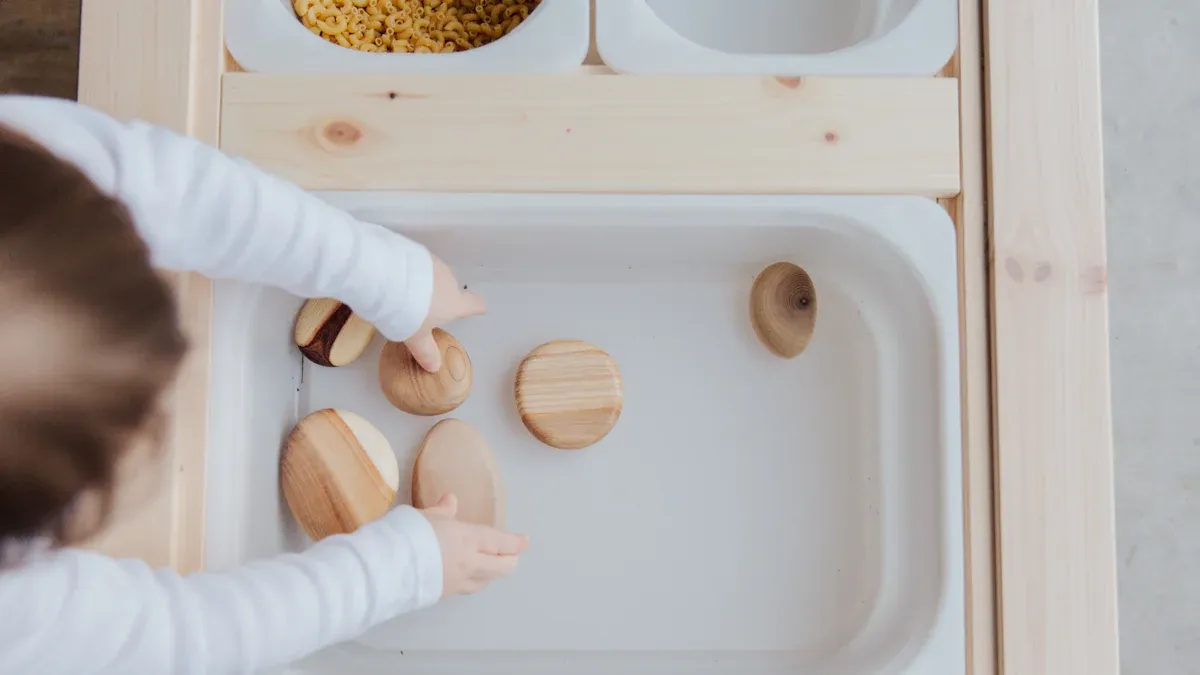
Creating a Sensory-Friendly Area
You want every student to feel safe and welcome. Start by making a sensory table area that helps students feel calm. Think about the lights, sounds, and space in your room. Use soft lights instead of bright ones. Quiet corners or soft materials help students who do not like loud sounds. Give students different places to sit, like bean bags or cushions. This helps everyone feel comfortable.
Here’s a simple guide for your classroom:
Element | Considerations |
|---|---|
Lighting | |
Acoustics | Add sound-absorbing items, create quiet areas |
Layout | Keep the area open and spacious for easy movement |
Seating Options | Offer bean bags, floor cushions, or standing desks |
When you pay attention to these things, you help students feel less stressed. Sensory tables help students focus, feel better, and join group activities. Leemoland sensory toys work well in these spaces. They give students many textures and sounds to try.
Organizing Materials and Tools
Good organization helps sensory table ideas work best. Label bins and shelves so students know where things go. Use clear boxes for fidget toys, textured items, and weighted blankets. This makes students feel sure of themselves and able to help.
Try these tips for organizing your sensory table:
Put sensory table items into groups by type, like touch or sound.
Use picture labels to show where things belong.
Keep the area neat so moving between activities is easy.
Using sensory tables every day helps students manage their time and work. Leemoland has sensory tools that are easy to sort and clean. This helps your classroom run better.
Establishing Routines
Routines help students feel safe. Use sensory table ideas at the same time each day so students know what will happen. Visual schedules or checklists help everyone follow along. Sensory tables are more helpful when they are part of daily life.
Here’s a table with routine ideas:
Activity | Sensory Elements | Support Strategies |
|---|---|---|
Arrival | Fidget toys, soft textures | Visual schedule, modeling |
Group Time | Sensory bins, music | Clear transitions |
Breaks | Weighted items, quiet zone | Positive reinforcement |
Sensory tables help students feel calm and ready to learn. Making a sensory table area and using it in routines helps students feel sure of themselves. Leemoland sensory toys help keep activities fun and new.
Tip: Change your sensory table ideas every few weeks. This keeps students interested and meets their new needs.
Adapting and Implementing Sensory Activities
Customizing for Individual Needs
Each student with autism has different sensory needs. You can help by making calming corners with sensory tools. Use things like fidget toys and textured materials. Flexible furniture, like wobble cushions or standing desks, helps students move. Visual cues, such as labels and picture schedules, lower stress. Add movement breaks and sensory bins to your daily routine. These changes help students join tactile stimulation activities and feel relaxed.
You can make a sensory-friendly space by keeping the room neat and using soft lights. Work with families and therapists to make a plan for each child. Sometimes, you need to slowly introduce new sensations to help students adjust.
Ensuring Safety and Comfort
Safety and comfort are very important during sensory play. Here is a table with safety steps:
Safety Guideline | Description |
|---|---|
Adult Supervision | Always watch students during activities. |
Environmental Modifications | Set up sensory escape spaces for breaks. |
Structured Routines | Use routines to support regulation and meet needs. |
Equipment Tracking | Check sensory items often for damage. |
Cleaning Protocols | Clean and disinfect tools regularly. |
Floor Padding | Use padding to prevent injuries. |
Communication System | Keep a phone nearby for emergencies. |
Soft chairs, noise-canceling headphones, and gentle colors like blue or green help students feel safe. Clean and organized spaces also help students feel calm and enjoy tactile stimulation activities.
Encouraging Engagement
You want students to enjoy sensory play. Try calming activities like gentle rocking or swinging. Deep pressure activities, like weighted blankets or compression vests, help students feel better. Sensory bottles, soft lights, and quiet spaces lower stress. Give students fidget toys, textured fabrics, and weighted plush toys for emotional support.
Tactile stimulation activities, like textured playdough or water play, make students curious. Visual supports, like picture schedules, help students know what happens next. Deep pressure activities and movement play give students more ways to join and feel good.
Here is a table showing the benefits of engagement:
Benefit | Description |
|---|---|
Emotional Regulation | Helps manage feelings and reduce stress. |
Social Skills | Builds sharing and positive interactions. |
Self-Awareness | Supports understanding of emotions. |
Neural Stimulation | Boosts brain growth and adaptability. |
Personalized Engagement | Keeps students interested and comfortable. |
Monitoring and Adjusting
Watch how students react to sensory activities. Make a calm-down area for students who feel overwhelmed. Change the classroom if you see sensory overload. Flexible seating, like wobble chairs, helps students control themselves. Use routines with sensory breaks and calming tools. Mindfulness apps can help students handle anxiety.
Check and change your sensory plans often. When you adjust activities for students, you help everyone get the most from sensory play. Keep changing things to meet each child’s needs and help them grow.
Tip: Be ready to change your plans. Every student’s needs can change, so keep watching and adjusting your sensory activities.
You can help students by making a classroom that uses both touch and sight activities. Start with seats that can move, short sensory breaks, and a quiet spot to relax. Use tools for touch and sight to help students feel calm and do well. The table below lists important ways to help your classroom:
Strategy | Description |
|---|---|
Sensory-Friendly Environment | Mix touch and sight input for comfort. |
Flexible Seating | Give touch and sight choices to every student. |
Sensory Breaks | Use touch and sight activities to help students. |
Quiet Retreat Area | Offer touch and sight calming tools. |
Mindfulness Exercises | Help students use touch and sight to calm down. |
Fidget Toys | Let students use touch and sight to stay focused. |
Student Retreat Zone | Make touch and sight spaces for students to relax. |
You help students when you use touch and sight activities in class. Keep trying new ideas and change your classroom as needed. Let students explore with touch and sight. Every time you do this, you help children with autism learn and grow in a world full of touch and sight.
FAQ
What are some easy sensory activities I can try in my classroom?
You can start with playdough, water beads, or textured bins. Try simple activities like finger painting or using fidget toys. These ideas help students explore different senses and feel calm.
How do I know if a sensory activity is working?
Watch your students. If they look calm, focused, or happy, the activity helps. If you see stress or discomfort, try something else. Keep a chart to track what works best.
Can I use Leemoland sensory toys for group activities?
Yes! Leemoland sensory toys work well for both group and solo play. You can use them at sensory tables or during circle time. These toys help students share, take turns, and learn together.
Tip: Let students choose their favorite sensory toy. This keeps them interested and helps them feel in control.
What should I do if a student gets overwhelmed during sensory play?
Give the student a quiet space or a break. Use soft lights and calming tools like weighted blankets or noise-canceling headphones. Always stay close and offer support.
Signs of Overwhelm | What You Can Do |
|---|---|
Covering ears | Lower the noise |
Hiding or crying | Offer a break |
Refusing to join | Try a new activity |
See Also
Creating An Engaging Sensory Gym For Kids With Autism
Effective Strategies For Sensory Rooms For Students With ASD
Affordable Guide To Creating A Sensory Room For Autism
