How to Make Motor Skills Activities Fun for Kids at Home
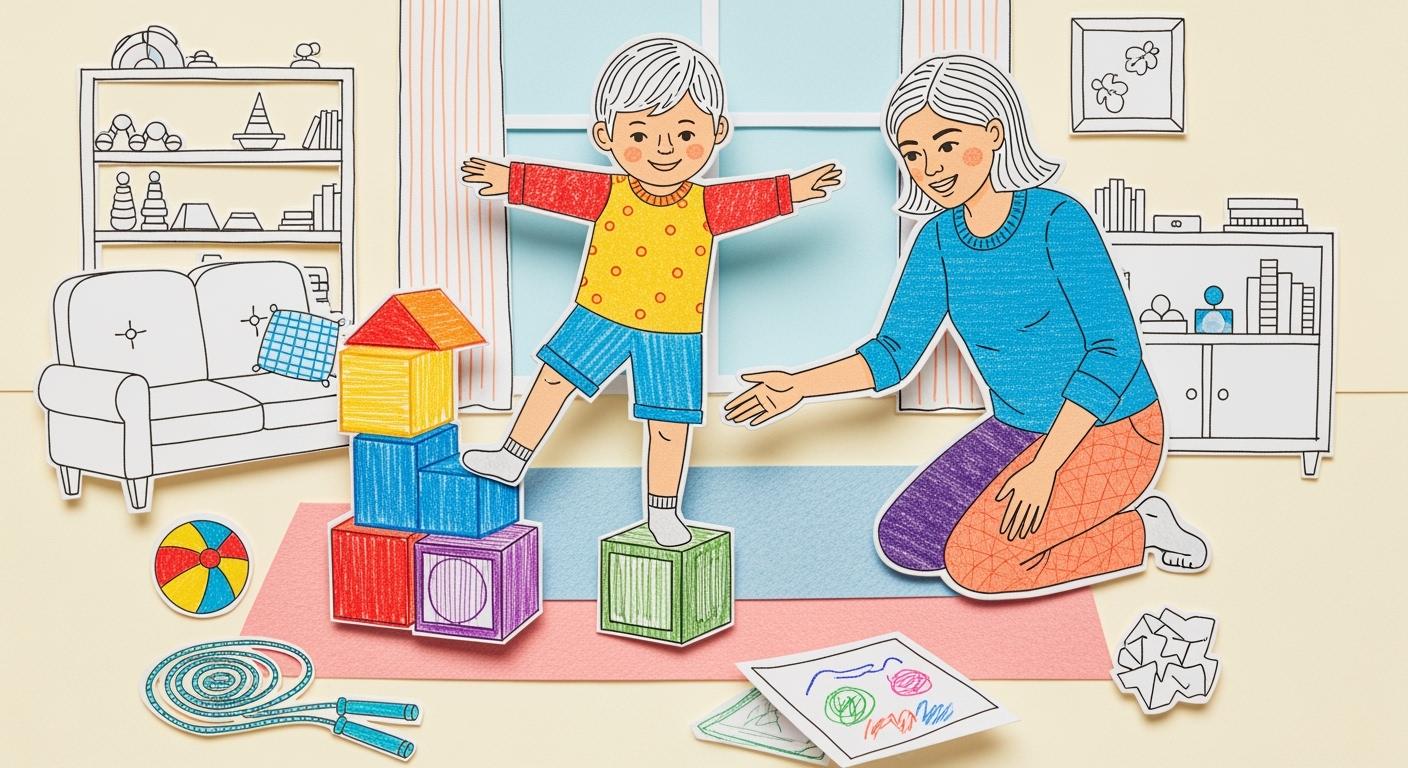
You can make motor skills activities exciting for kids right at home. Grab a few household items, and you’re ready to go. These activities don’t need much prep, and you’ll find that kids often stay engaged when you keep things playful and varied. Many structured programs use fun and creative designs to boost motivation and movement. Why not try the same approach at home? You’ll see your child’s confidence and coordination grow while you both enjoy quality time together.
Key Takeaways
Use things from around the house like containers and playdough for fun fine motor activities. These things help make your child's grip stronger and improve coordination.
Change small spaces into places to play. Easy games like indoor bowling or animal walks can help gross motor skills and balance.
Make chores part of playtime. Turn chores into games to help motor skills and make cleaning fun.
Let your child be creative with art and DIY projects. Doing things like painting and crafting helps fine motor skills and makes your child feel more confident.
Keep activities interesting by changing them often. Try to have 10–15 minutes of active play each day to keep your child interested and motivated.
Everyday Motor Skills Activities
Fine Motor with Household Items
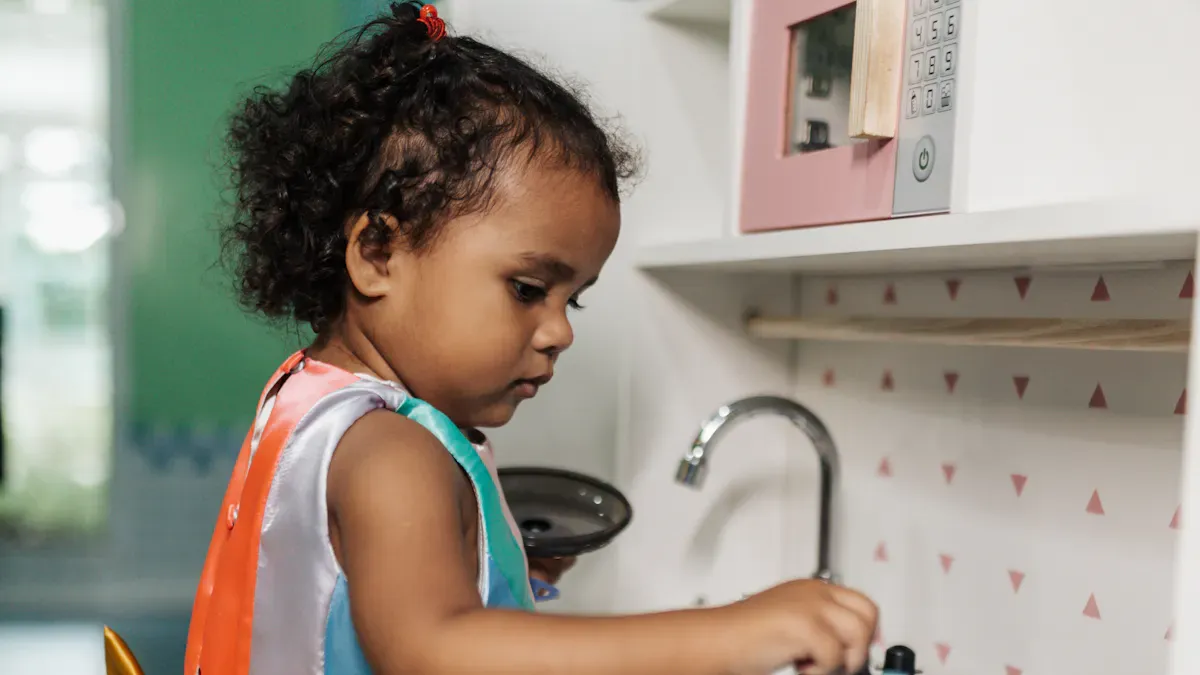
You can use things at home for fun fine motor activities. Everyday objects are great for practicing fine motor skills. Try using containers, tissue boxes, or cardboard rolls. These items help your child grip, pinch, and sort. Playdough is a favorite for many kids. Kids can roll, squish, and shape it to make hands stronger. Stickers and clothespins are also good for fine motor activities. Peeling stickers or pinching clothespins helps fingers get stronger and more skilled.
Here’s a table that shows how you can use household items for fine motor development:
Household Item | Activity Description |
|---|---|
Containers | Fill with small items for sorting or insertion practice. |
Tissue Boxes | Retrieve coins or beans for tactile play. |
Cardboard Rolls | Build or craft for creative fine motor activities. |
Playdough | Roll and shape to strengthen hands. |
Stickers | Peel and place to improve dexterity. |
Clothespins | Pinch and grip for finger strength. |
Coins | Slot activities to refine pincer grasp. |
Cereal | Sort or count for early math skills and fine motor practice. |
You can make these activities more fun by changing the materials. Switch out puzzles, playdough, or stickers each week. This keeps your child interested and wanting to try new things. Using household items for fine motor skills helps your child learn to move and control their hands. These activities also help your child feel proud and more independent.
Tip: Let your child choose what to play. Ask, “What do you want to build today?” This helps your child be creative and solve problems.
Gross Motor in Small Spaces
You do not need a big yard for motor skills activities. Use your living room or hallway for gross motor activities. Try yoga for kids to build strength and flexibility. Simon Says with movement is a fun game that mixes listening and moving. Indoor bowling with empty bottles helps your child throw and learn about space.
Here are some easy activities you can do in small spaces:
Paper plate “ice skating”: Slide on the floor to practice balance.
Painter’s tape Olympics: Make balance beams or hopscotch with tape.
Animal walk races: Crab walks and frog jumps use different muscles.
Balloon volleyball: Helps with hand-eye coordination and arm strength.
Indoor hopscotch: Jump and balance on numbered squares.
You can make these games more exciting by having your child beat their own score or by playing together. When you join in, your child feels happy and supported. These activities help your child get better at gross motor skills, balance, and stability. You also teach teamwork and how to handle feelings.
Note: Change up the activities every few days. This keeps your child active and stops them from getting bored.
Chores as Motor Practice
Chores can be fun and help with motor skills. Turn sorting socks into a race. See if your child can tidy up before the timer runs out. Make a scavenger tidy by listing things to find and put away. Pretend chores are missions with fun characters. Kitchen orchestra lets your child stir, pour, and scrub to music, which helps with coordination.
Here’s a table with ways to make chores fun and good for motor skills:
Strategy | Description |
|---|---|
Gamified chores | Turn chores into games for skill development. |
Age-appropriate tasks | Match chores to your child’s abilities. |
Incorporating play | Add playful elements to chores for cooperation and self-control. |
Beat-the-timer | Race against the clock for speed and quality. |
Scavenger tidy | Find and put away items, encouraging teamwork. |
Role-play chores | Assign character roles for engaging missions. |
Laundry relay | Sort socks in a fun race for movement practice. |
Kitchen orchestra | Use rhythm in meal prep for coordination. |
Treasure hunt | Hide items to be found and cleaned up for problem-solving. |
Reflection debrief | Discuss skills practiced after chores. |
When chores are playful, your child learns fine motor skills and gross motor skills. Tasks like wringing sponges or pouring water help with grip and control. Chores also help your child learn about space and how to handle emotions. Studies show kids who do chores have better thinking skills and do better in school. You can make these activities part of your daily routine for preschoolers and toddlers.
Try saying, “Can you sort the socks faster than me?” This makes chores a fun challenge and helps your child enjoy motor skills activities.
Creative Play for Motor Skills
Art and Drawing Activities
Art and drawing can help with motor skills at home. Give your child crayons, markers, or paint to use. These tools help build fine motor skills. Drawing and coloring help your child grip and move tools. Painting helps them control their hands better. Coloring inside shapes or tracing lines helps with hand-eye coordination. It also helps with manual dexterity. Art education helps fine motor control. This is important for handwriting and typing. Coloring also helps the brain grow and improves focus.
Here’s a table with art projects that help fine motor skills:
Activity | Materials Needed | Benefits for Fine Motor Skills |
|---|---|---|
Paper Weaving Project | Construction paper, scissors, glue | Builds fine motor skills, pattern recognition, patience |
Pompom Ice Pops | Colorful pompoms, craft sticks, glue | Excellent for fine motor skills, color sorting |
Friendship Bracelets | Embroidery floss or yarn | Great for fine motor control, pattern creation |
Toothpick Sculptures | Toothpicks, marshmallows or clay | Develops spatial reasoning, problem-solving, fine motor skills |
Let your child pick colors or shapes they like. Try chalk drawing outside for balance and coordination. Drawing with sidewalk chalk builds hand and finger strength. It also makes art more active.
Playdough and Clay Fun
Playdough and clay make fine motor activities fun. When your child kneads, rolls, and shapes clay, they build hand muscles. This helps with pencil grip and using scissors. Working with clay helps your child see how movements change the material. This builds spatial awareness. Clay gives quick feedback. Your child can try new ideas and fix mistakes right away.
Studies show daily playdough time, like Dough Disco, helps fine motor skills. Just a few minutes each day can help a lot. Playdough activities help your child relax and focus. This makes learning more fun.
“When a child learns a dance routine, they process steps, music, and movement all at once. This multitasking strengthens neural pathways for both fine and gross motor planning. Dance and clay activities boost motor control and executive functioning.”
Here’s a table showing skills built with playdough:
Skill Type | Description |
|---|---|
Hand strength | Essential for pencil grip, scissor use, and using utensils. |
Finger isolation | Moving individual fingers independently, vital for typing and musical instruments. |
Bilateral coordination | Using both hands together—for buttoning and cutting. |
Pincer grasp | Thumb-index finger grip needed for small objects and writing tools. |
Hand-eye coordination | Matching what they see to precise hand movements. |
Tripod grasp development | The classic pencil hold used in writing. |
DIY Craft Projects
DIY crafts are easy ways to practice fine motor skills. Try sponge painting, footprint art, or cotton swab painting. These activities let your child squeeze, stamp, and dot. This builds finger strength and control. Tape-resist painting and crayon resist art teach planning and pattern making. Nature art with leaves and paint mixes creativity and movement.
Playdough, bubble wrap, or finger paints are good for toddlers.
Paper plate crafts and crayon drawing work for 2-year-olds.
Sensory bags let your child feel shapes, colors, and textures.
Fingerprint art makes fun pictures like caterpillars or rainbows.
Make craft time part of your routine. Change materials often and let your child choose. Creative play helps motor skills and makes your child feel proud.
Gross Motor Skills Activities at Home
Obstacle Courses Indoors
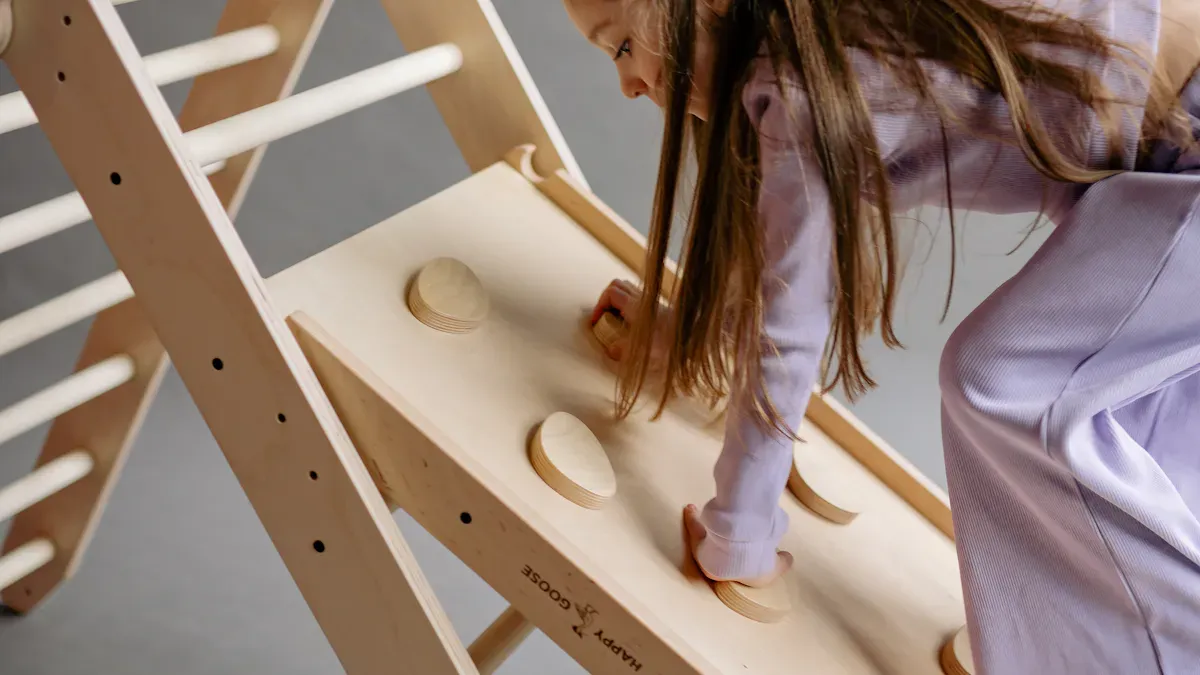
You can turn your living room into an exciting obstacle course with just a few pillows, chairs, and some tape. Kids love to crawl under tables, jump over cushions, and weave around cones. Each part of the course helps your child practice different motor skills. Crawling builds strength, jumping improves balance, and tossing soft balls into baskets boosts coordination. You can add picture cards or color-coded routes to make the course easy to follow. Try using textured mats for a sensory twist. Team up with your child to make the course together. This makes the activity more fun and helps your child feel proud of their ideas. Research shows that obstacle courses improve balance, coordination, and even reduce fall risk. You can change the course each week to keep your child interested and challenged.
Tip: Let your child help design the course. Ask them to pick the next challenge or add a silly rule!
Animal Walks and Pillow Jumping
Animal walks are a playful way to get your child moving. Ask your child to waddle like a duck, hop like a frog, or crawl like a bear. These activities use big muscle groups and help your child learn where their body begins and ends. Pillow jumping is another favorite. Place pillows on the floor and have your child jump from one to the next. This builds balance and teaches safe landing. Both animal walks and pillow jumping support sensory integration and give calming input. They also help your child develop body awareness and core strength, which are important for all kinds of movement and fine motor development.
Balloon and Sock Games
You can make simple games with balloons and socks that keep your child active. Try “Keep the Balloon Up”—see how long your child can tap the balloon before it touches the ground. Use different body parts like elbows or knees for a challenge. Laundry basket toss is another fun game. Have your child throw rolled-up socks into baskets at different distances. These activities improve hand-eye coordination, reaction time, and balance. Balloon volleyball is also a hit. Your child will love moving around and trying to keep the balloon in the air. These games are easy to set up and make motor skills activities at home exciting for every child.
You can make motor skills activities simple and effective for your child at home. Try new ideas and see what your child enjoys most. When you make activities fit your child’s interests, you boost motivation and help your child learn. Consistency and creativity matter. Even short bursts of play can make a difference. Here’s what experts suggest:
Rotate activities to keep your child engaged.
Aim for 10–15 minutes of active play each day.
Focus on joyful movement, not perfection.
Study | Findings |
|---|---|
BMC Pediatrics | |
Sun et al. | Exercise can help motor skills in children. |
Vysniauske et al. | Exercise has a positive effect on motor skills in children. |
Make these activities a regular part of playtime, and you’ll see your child grow stronger and more confident. Your child will thank you for making learning fun for kids.
FAQ
How often should you do motor skills activities with your child?
You can try motor skills activities every day. Short sessions work best. Aim for 10–15 minutes. Your child will benefit from regular practice. Consistency helps your child build confidence and skills.
What if your child loses interest in the activities?
Kids sometimes get bored. You can switch up the activities or let your child pick what to do next. Try rotating toys or materials. Ask your child for ideas. This keeps things fresh and exciting.
Can you use these activities for kids of different ages?
Yes! You can adjust activities for any age. Younger kids may need simpler tasks. Older kids can handle more complex challenges. Always match the activity to your child’s abilities.
Tip: Watch how your child responds. Change the activity if your child needs more support or wants a bigger challenge.
What household items work best for motor skills activities?
You can use containers, pillows, tape, socks, and balloons. These items help your child practice both fine and gross motor skills. Everyday objects make activities easy and fun for kids.
How do you know if your child is improving?
You can look for signs like better balance, stronger grip, or more confidence. Your child may complete tasks faster or with less help. Celebrate small wins. Kids love praise and encouragement.
See Also
Essential Montessori Toys for Developing Kids' Motor Skills
Engaging Christmas Sensory Activities for School-Aged Children
Comprehensive Reviews of Popular Gross Motor Toys for Kids
The Role of Sensory Toys in Enhancing Motor Skills for Autistic Children
Innovative Ideas to Boost Learning Through Sensory Play Mats

