How to Design Sensory Rooms for Every Age Group
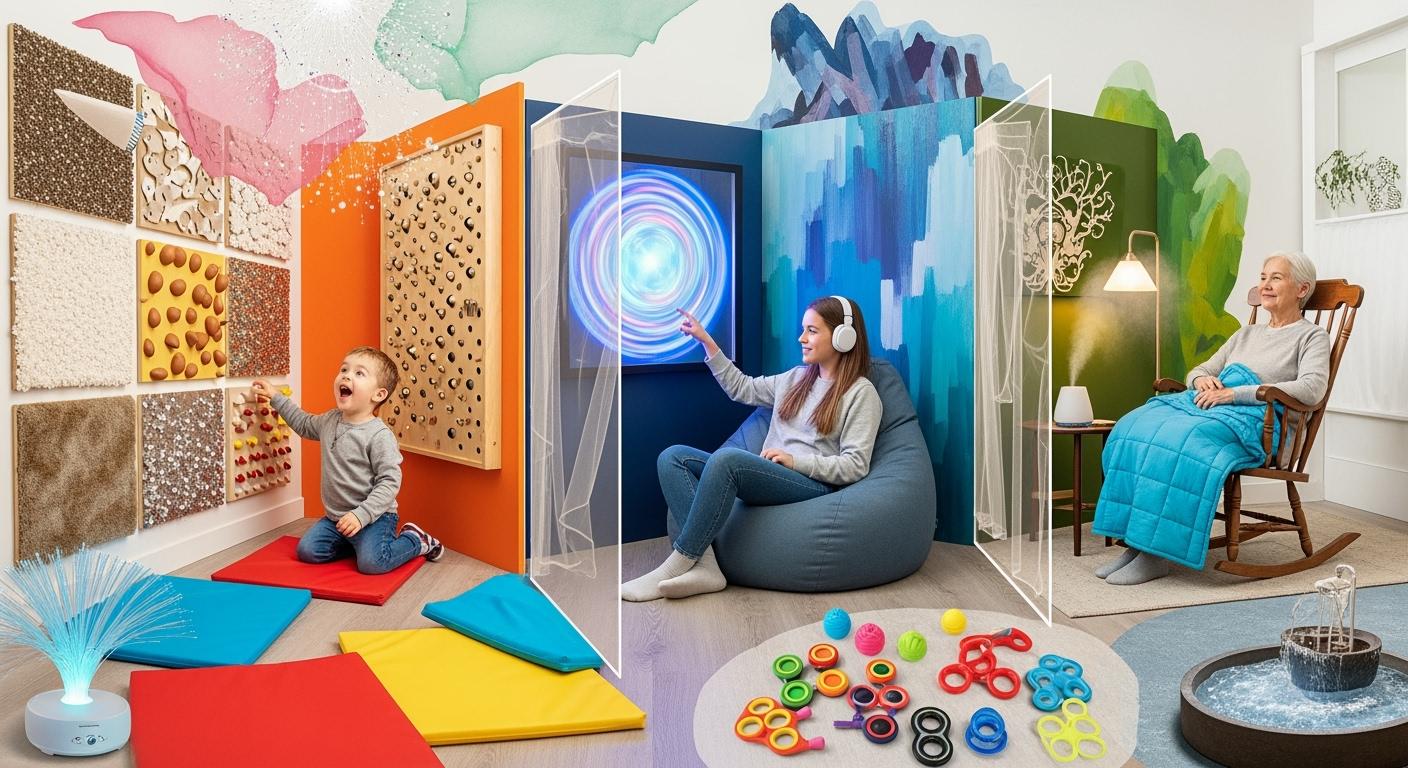
You can make sensory rooms for any age group. Focus on what each person needs and can do. Sensory rooms help in many ways. They support self-care and help people handle stress. These rooms make places safer and more friendly. At home or in the community, you may want to:
Help with therapeutic experiences
Support self-regulation
Give crisis prevention strategies
Improve sensory development for daily life
Think about your goal. Use Sensory Room Resource guides. Match your design to the people who will use the sensory room.
Key Takeaways
Sensory rooms help people relax and handle stress better. Different sensory rooms meet special needs, like multi-sensory and sensory integration rooms. Anyone can use a sensory room, not just people with a diagnosis. Important features are soft lights, comfortable seats, and soothing sounds. Updating the room often and having community help makes sensory rooms work better.
Sensory Rooms Overview
What Are Sensory Rooms?
You might hear about sensory rooms at school, clinics, or home. Experts say a sensory room is a special place. It helps people feel calm and comfortable. These rooms help people who have trouble with sensory processing. For example, some kids with autism get upset by bright lights or loud sounds. Strong smells can also bother them. A sensory room gives a safe spot to relax. It helps you handle these feelings. You can use the room to lower stress and feel better.
Types of Sensory Rooms
There are different kinds of sensory rooms. Each one has its own features and goals. The table below shows two main types and what they include:
Type of Room | Key Features |
|---|---|
Multi-Sensory Room | Stimulates senses like hearing, sight, touch, and smell. Has padded floors, cushions, and visual tools like water tubes. |
Sensory Integration Room | Therapists use these to build confidence and movement skills. They have swings and activities for each person’s needs. |
Pick the type that matches your goals. Think about what people need in the room.
Who Needs a Sensory Room
Many people can use sensory rooms. You may want to make one if you know someone who:
Has ADHD
Has a sensory processing disorder
Is an older adult with dementia
Is an older adult with Parkinson’s disease
Tip: You do not need a diagnosis to use a sensory room. Anyone who feels stressed or overwhelmed can use these rooms for comfort and support.
Benefits of Sensory Rooms
Emotional and Stress Relief
Sensory rooms help you feel calm and safe. They make it easier to relax and lower stress. Many people enjoy spending time in these rooms. Kids often bond with others in sensory spaces. You can learn to handle your feelings better here. This helps you feel happier and healthier.
The peaceful space helps you relax and grow.
Sensory rooms boost social and emotional skills.
These rooms give you a safe place to lower anxiety.
People with anxiety, depression, or PTSD can feel better in sensory rooms.
Tip: You do not need a diagnosis to use sensory rooms. Anyone can visit these rooms to feel calm and manage stress.
Focus and Motor Skills
Sensory rooms help you focus and build motor skills. You can touch different textures or see cool lights. You might listen to music or play with buttons. These activities help your brain and hands work better. You can press buttons or turn dials to improve your skills.
Sensory circuits use movement to help you stay alert. These activities can wake you up or help you calm down. This makes it easier to pay attention and do daily tasks. Studies show sensory activities help people with learning problems, autism, or delays.
Accessibility and Empowerment
Sensory rooms make places easier for people with disabilities. The table below shows how these rooms help people feel more independent and happy:
Evidence Type | Description |
|---|---|
Importance of Sensory-Friendly Environments | These spaces lower stress and help people with disabilities be independent. |
Role of Sensory Rooms | Sensory rooms help people control feelings and avoid overload, especially for autistic people. |
Alignment with Policy | Sensory-friendly spaces support rules that help autistic people live better lives. |
Sensory rooms welcome everyone and help people feel confident.
Recognizing Sensory Challenges
Common Signs by Age
People can have sensory challenges at any age. These challenges change how you see, hear, taste, or smell things. Kids, teens, adults, and seniors all have different signs. The table below lists some signs for each group:
Age Group | Sight | Hearing | Smell & Taste |
|---|---|---|---|
Children | Hard to see details, squinting | Not hearing sounds, covering ears | Refusing foods, strong smell reactions |
Teens | Eye strain, avoiding bright lights | Asking to repeat, listening to loud music | Not liking favorite foods, avoiding cafeterias |
Adults | Trouble reading, headaches | Missing parts of talks | Appetite changes, not enjoying meals |
Seniors | Blurry vision, cataracts | Hard to understand speech | Loss of taste, eating less |
Sensory problems can make people feel alone or unsafe. They can also change daily habits. Kids with autism may react strongly to lights or sounds. Teens might stop hanging out with friends. Adults and seniors may lose interest in things they liked before. These signs show why it is important to support everyone’s needs and feelings.
When to Create a Sensory Room
You may wonder when to make a sensory room. Occupational Therapists help families and schools decide. They look at what each person needs and suggest tools. You can follow these steps to help you choose:
Talk to experts about sensory processing challenges and autism.
Watch for things like covering ears, avoiding lights, or refusing foods.
Write down what causes stress or overload.
Set clear goals for the sensory room, like calming or skill-building.
Pick safe, age-appropriate equipment and make sure the room is easy to use.
Watch children and check the room often.
A sensory room can help people of all ages feel better. You do not need a diagnosis to use a sensory room. If you see signs of stress or discomfort, a sensory room can help daily life.
Core Features of a Sensory Room
Lighting and Visuals
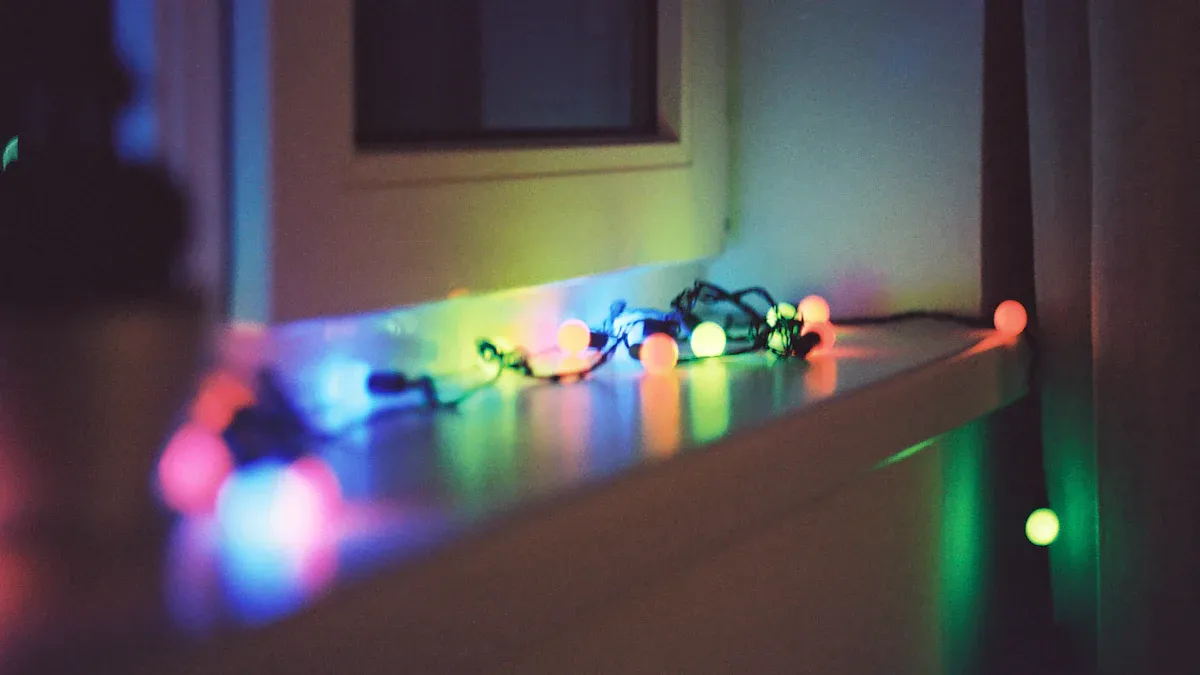
Lighting is very important in sensory rooms. Bright fluorescent lights can make people feel stressed. It is better to use soft spotlights or LED lights you can dim. These lights help people relax and feel calm. You can add bubble tubes or fiber optics for fun visuals. Light projectors also make the room interesting. Blackout blinds help block sunlight. This makes the room more comfortable for everyone. These lighting choices help the room feel safe and welcoming.
Seating and Textures
Every sensory room needs comfy places to sit. You can use beanbags, soft chairs, or floor cushions. These make the room feel cozy and nice. Younger kids might like pop-up tents or plush toys. Weighted blankets can help them feel calm. Kids in school often like fidget toys or lap pads. Cushions are good for them too. Teens and adults may want big beanbags or soft chairs. Weighted blankets are also helpful for them. Adding different textures lets people touch and explore. Tactile toys or sensory walls are good ideas. These things help people feel comfortable and engaged.
Sound and Music
Sound is very important in sensory rooms. Soft music or nature sounds can help you relax. Gentle white noise can help you focus. Music therapy can make you feel happier. It also helps you control your feelings. You can use headphones or speakers to change the sound level. Soundproofing the room keeps outside noise away. This helps people feel calm and peaceful. These sound ideas make the room a good place to relax.
Scent and Aromatherapy
Smells are also important in sensory rooms. Aromatherapy uses special oils to make the room smell nice. Scents like lavender can help you relax and feel less stressed. You can use diffusers or scented toys for gentle smells. These things make the room feel safe and peaceful. They also help you feel better emotionally.
Organization and Access
A tidy sensory room is very helpful. Keep toys and cushions where you can reach them. Use shelves or bins to store everything. A neat room helps you feel more independent. The table below gives ideas to make your room easier to use:
Strategy | Description |
|---|---|
Accessible Design | Use things like grab bars or rails that look nice and work well. |
Incremental Changes | Change lights or features without big projects. |
Sensory Management | Pick sounds and smells carefully so they are not too much. |
Neurodiverse Guidelines | Use lights you can change and materials that feel good. |
These features help you make a sensory room that fits your needs. They support comfort, relaxation, and independence.
Sensory Room Design by Age

Children’s Sensory Room
You can make a sensory room for kids that feels fun and safe. Experts say kids need places where they can play and explore. Use soft lights and gentle colors to make the room calm. Add sensory toys and play areas that match what kids like. These things help kids with autism or sensory needs feel better. You can put in plush toys, walls you can touch, and small tents. Kids do well in rooms that help them relax and try new things.
Teens’ Sensory Room
Teens want privacy and to feel in control. You can make a sensory room that lets them choose what they want. Use lights and sounds that they can change. Teens might like cool tech, like light panels or music spots. Give them comfy seats and fidget toys to help with stress. Some teens with autism or sensory problems like quiet corners to relax. A teen sensory room should help them focus and also chill out.
Adult Sensory Room
An adult sensory room can help lower stress at home or work. Pick soft lights that you can dim or make warmer. Use bean bags or soft chairs to help adults relax. Play calm music or nature sounds to make the room peaceful. Use oil diffusers to add nice smells. Add things like stress balls or quiet corners to make the room special. Adults with autism or sensory needs like rooms that can be both exciting and calm.
Sensory Rooms for Adults: Special Considerations
When you make sensory rooms for adults, think about their needs. Use lights you can dim and do not use bright fluorescent lights. Make the room quiet with soundproofing or headphones. Pick soft fabrics and give sensory tools like weighted blankets and fidget toys. Keep the room neat and use calming colors. Be ready to change things—ask adults what they need and change the room for them. Sensory rooms for adults with autism should let them change things and have relaxing items.
Seniors’ Sensory Room
Seniors like sensory rooms that feel safe and remind them of home. Use sunlight and calm colors in the room. Put up clear signs and big letters. Quiet spots and open spaces help seniors feel good. Use signs with pictures and home-like things to make it nice. Simple layouts and things they know help seniors with sensory problems or dementia. A calm sensory room for seniors helps them relax and feel free.
How to Design a Sensory Room
Assessing Needs and Preferences
You start by learning what people need from sensory rooms. You look at how each person reacts to light, sound, touch, and movement. You watch for things that make them feel calm or upset. You talk with professionals like occupational therapists or special education coordinators. You write down what you see and hear. You make a sensory profile for each user. This helps you choose the best sensory room ideas for your space.
Talk with experts to get advice.
Watch how users behave and what makes them comfortable.
Write down triggers and favorite activities.
Make a sensory profile for each person.
Tip: A good assessment helps you pick the right equipment and activities for your sensory room.
Choosing Space and Budget
You pick a space that feels safe and easy to use. You look for a quiet spot with enough room for movement and relaxation. You think about how many children or adults will use the sensory room. You set clear goals for the space. You make a budget that covers setup and maintenance. You include costs for staff training and safety checks. You plan for changes as needs grow.
Focus on what users need, not just equipment.
Train staff and do risk checks before opening.
Set clear goals for your sensory room.
Make a budget for setup and future care.
Plan for staff training to keep the room safe.
Check your budget to see what you can buy.
Add costs for setup and keeping the room clean.
Train staff to help users and keep the sensory room safe.
Note: A clear plan for space and budget helps you build a sensory room that works for everyone.
Selecting Equipment
You choose equipment that matches the needs of your users. You look at age, abilities, and goals. You pick items that help with calming, movement, or focus. You make sure everything is safe and easy to use. You ask professionals for advice. You train staff and caregivers to use the equipment well. You mix lighting, textures, sounds, and movement tools to fit your design.
Criteria | Description |
|---|---|
Ask experts, watch behaviors, and write sensory profiles. | |
Setting Objectives | Pick goals like calming, stimulating, or building motor skills. |
Design Elements | Use lights, textures, sounds, movement, and interactive tools. |
Safety and Accessibility | Make sure equipment is safe, non-toxic, and easy for all ages. |
Training Staff and Caregivers | Teach staff about sensory triggers and how to help users. |
Tip: Choose equipment that fits your goals and is safe for children, teens, adults, and seniors.
Testing and Adjusting
You test your sensory room by watching how users react. You record sessions to see what works best. You change lights, sounds, or textures based on feedback. You let users pick what feels good. You adjust the sensory room to match their needs. You keep notes and ask for ideas from users and staff. You make changes to improve comfort and engagement.
Method | Description |
|---|---|
Write down what works for each user to help plan future sessions. | |
Real-time Adjustments | Change sensory settings during use to match user feedback. |
Customizable Response Patterns | Let users pick their favorite sensory experiences for better comfort. |
Tip: Work with professionals and listen to users. Change your sensory room as needs grow.
Overcoming Sensory Room Challenges
Preventing Overload
You want your sensory room to help people feel calm. Too many sights, sounds, or textures can be too much. This is called sensory overload. It happens a lot for people with autism. Adults with sensory processing challenges can feel this way too. You can stop overload by making the room quiet and gentle. Use soft lights and keep loud noises away. Let people pick what activities they want to try. Sensory integration activities, like slow movement or touching things, help people focus. These activities also help them control their feelings. In rooms with more than one person, a mobility officer might help a student find a quiet spot. Many schools and centers do not have special sensory rooms. You might need to use portable tools or make a small sensory corner.
Strategy | Description |
|---|---|
Low Arousal Environment | Control sensory input to reduce anxiety and support focus. |
Sensory Integration Activities | Use specific activities to help manage sensory experiences and improve attention. |
Safety and Accessibility
Safety is important for everyone in a sensory room. It is extra important for kids and adults with autism. Check the room for anything dangerous. Take away things people could tie things to. Use equipment that is strong and does not break easily. Make sure there are no sharp edges or corners. Put things close to the wall and use small holes in air vents. Pick equipment that lasts a long time. For accessibility, add ramps and elevators for wheelchairs. Give parking spots and bathrooms that everyone can use. Keep walkways open and make the room easy to move around. Use simple layouts and lots of space. Universal design helps everyone use the room.
No places to tie things or sharp corners
Ramps, elevators, and open walkways
Bathrooms and parking for everyone
Simple layouts and lots of space
Maintenance Tips
Taking care of your sensory room keeps it safe and nice. Clean soft chairs and toys often to stop germs. Wipe down things people touch a lot with wipes. Ask people to take off their shoes to keep the room clean. Check equipment often to find problems early. Get professionals to fix and check your sensory tools. Service plans can include tests, checks, and repairs.
Maintenance Task | Purpose |
|---|---|
Stops germs and keeps the room hygienic. | |
Use of antibacterial wipes on equipment | Keeps interactive panels and switches clean and responsive. |
Conducting regular inspections | Finds issues before they become costly problems. |
Professional servicing options | Ensures equipment works well and meets safety standards. |
Maintenance service plans | Helps you keep all equipment functional and safe for adults and children. |
Tip: Good care means your sensory room works well and costs less. People will be happier and you will follow safety rules.
Extra Tips for Sensory Rooms
Nutrition and Well-Being
You can help your sensory health by eating well and having good habits. Eating meals with lots of vitamins and minerals gives you energy and helps you focus. Drinking water keeps you awake and helps your body handle sensory input. Some foods might change your mood or make you more sensitive to sounds or lights. Try to pick snacks that are simple and do not have strong smells in the sensory room. A calm space and healthy snacks help you feel better. Moving around and getting enough rest are also important. These tips help you stay comfortable and ready to learn.
Tip: If you notice changes in how you feel after eating, ask a nutritionist or healthcare provider for help.
Community Resources
There are many community resources that can help you make and care for sensory rooms. Local groups can give you design help and teach staff and families. You can work with experts to check what people need and plan the room. You might get money from schools, nonprofits, or grants. Many centers share stories and ideas to make sensory rooms better. You can add tools for visual, auditory, tactile, proprioceptive, vestibular, and olfactory stimulation. Check often to see how the sensory room is working and make changes if needed. Community support helps you learn new things and keep your sensory room safe and helpful.
Design help and training for staff and families
Working with experts to plan sensory rooms
Money from schools and nonprofits
Stories and learning from other centers
Checking how the room helps and making changes
Note: Community resources help you learn new things and make your sensory room better for everyone.
You can design a sensory space for any age. Start by looking at sensory needs and preferences. Choose tools and features that match those needs. The right sensory choices help you create a calm and safe place. You will see benefits like better focus and less stress. Begin with small changes and adjust as you learn. Ask for help if you need it. Please share your sensory tips or questions in the comments!
FAQ
What is the best size for a sensory room?
You do not need a large space. A small room or even a corner works well. Focus on making the area safe and comfortable. Add soft lighting and a few sensory tools. Start small and adjust as you learn what works.
Can you make a sensory room on a budget?
Yes! You can use simple items like pillows, blankets, and string lights. DIY sensory bottles and homemade fidget toys also help. Ask local groups for donations. Start with a few items and add more over time.
How often should you update a sensory room?
Check your sensory room every few months. Watch how people use it. Ask for feedback. Change or add items as needs change. Regular updates keep the room helpful and interesting.
Who can help you design a sensory room?
You can ask occupational therapists, teachers, or community groups for advice. Many experts share free guides online. Local disability organizations often offer support. Working with others helps you create a better space.
See Also
Essential Guidelines for Creating Sensory Rooms in Schools
Effective Strategies for ASD Sensory Spaces in Education
Recommended Sensory Room Concepts for Children with Special Needs
Comprehensive Steps for Establishing Sensory Rooms at Home and School
Important Elements of Effective ASD Sensory Rooms in Schools
