How to Design an Autism Room That Supports Sensory Needs
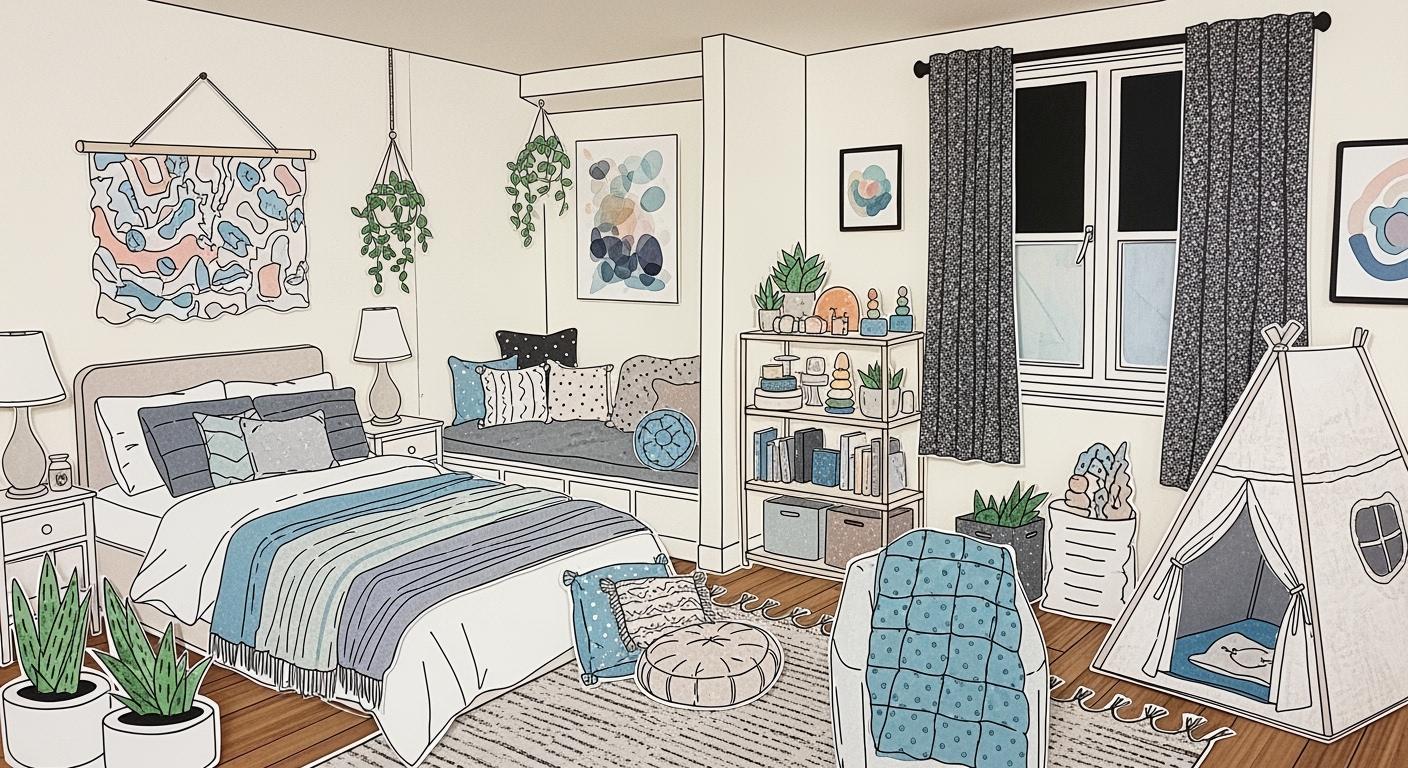
Designing autism rooms starts with knowing what helps you feel safe. It is important to know what makes you calm. Sensory experiences are different for each person. Studies show that most autistic people have sensory processing differences. This number is between 93% and 96%. You may see that small changes help a lot. Moving furniture or adding visual supports can help. These things can make a room feel better. The best part is you do not need a lot of money. Small changes can make you feel more comfortable. They can also help your well-being. You can look at Sensory Room Resources for ideas and tips. This can help you get started.
Key Takeaways
Learn about sensory needs. Everyone reacts differently to sights, sounds, and textures. Change the room to match these likes for comfort.
Small changes can help a lot. Move furniture or add soft lights. These things make the room calm and do not cost much.
Pick good sensory tools. Use weighted blankets, fidget toys, and calming sounds. These help lower anxiety and help people focus.
Make spaces that can change. Have places for quiet and for play. This lets people pick what they want at any time.
Update the room often. Look at sensory likes every few months. Change the room so it still fits what people need.
Understanding Sensory Needs in Autism Rooms
What Are Sensory Needs
People react to sights, sounds, and textures in their own way. For those with sensory processing disorders, these feelings can be much stronger. In autism rooms, it is important to think about how senses affect comfort. Some kids may think certain noises hurt or lights are too bright. Others might really like soft things or need to move a lot.
Here are some common sensory needs you might notice:
Auditory input: Loud or sudden sounds can feel too much.
Visual input: Bright lights or fast images may cause stress.
Tactile input: Some fabrics or tags can feel scratchy or bad.
Olfactory and taste input: Strong smells or new tastes might make someone feel sick or worried.
Vestibular input: This is about balance and movement. Some kids love spinning or swinging, but others do not.
Proprioceptive input: This means body awareness. Some people want deep pressure, like hugs or heavy blankets.
Sensory needs can change as people get older. Everyone has a different sensory profile. These profiles can change how you pay attention or talk to others. Adults and kids may have different needs, but both can use a sensory room that fits them.
Why Sensory Environments Matter
A sensory room can help you feel calm and safe. When you control sights, sounds, and textures, it is easier to relax. You can also join activities more easily. Many teachers and therapists see that sensory rooms help kids learn and handle feelings.
Tip: If you have choices in your sensory space, you may feel more in control and less stressed.
Studies show that using a sensory room can help you feel less anxious and more focused. You might do fewer repetitive actions and show more good behavior. These rooms can help with social skills and help you get ready to learn. Even though research is still growing, many families and schools see that sensory rooms help people with autism and sensory processing disorders.
Types of Sensory Room Designs
Calming Sensory Room
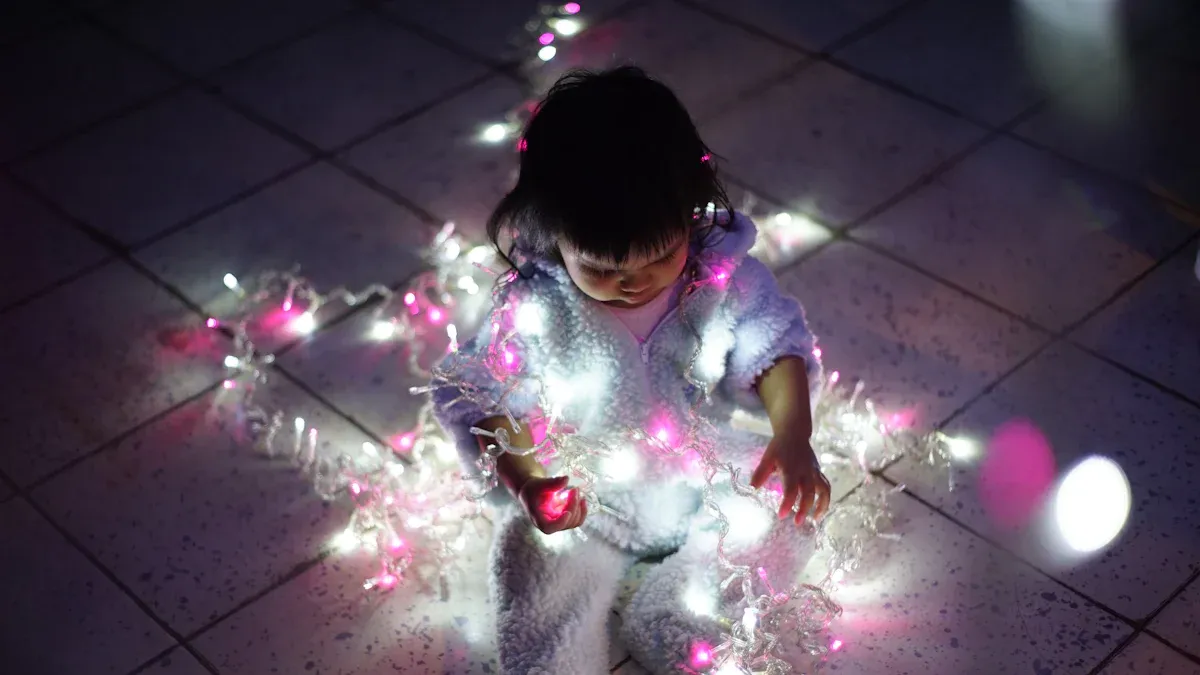
A calming sensory room is a place to relax and feel safe. You can go here if you need a break or want less stress. Many people like soft lights, quiet sounds, and comfy seats in these rooms. These things help you feel better.
Element | Description |
|---|---|
Lighting | You can use lights that get brighter or dimmer. This helps make the room calm. |
Sound | Soft music or nature sounds help you relax. You can pick what you like best. |
Textures | Different surfaces let you touch and explore with your hands. |
Seating and Comfort | Bean bags or soft mats give you a cozy place to sit. |
Visual Stimulation | Bright colors and fun projectors help you pay attention. |
Safety | The room should be safe and have soft padding to stop injuries. |
You can also add fidget toys, sensory balls, or weighted toys for comfort. Many families see that sensory rooms help kids calm down when they feel too much. Studies show these rooms can lower stress and help you control your feelings.
Tip: Try deep breathing or slow movement in your sensory room to help you relax.
Active Sensory Room
An active sensory room is for moving, playing, and exploring. This space is good for kids who need to use energy or try new things. You can put sensory bins, fidget toys, or a small trampoline in the room. Here are some fun activities:
Activity Type | Description |
|---|---|
Fidget Toys | These help you stay calm and pay attention. |
Sensory Sound Resources | You can play musical chairs, use noise machines, or try rhythm instruments. |
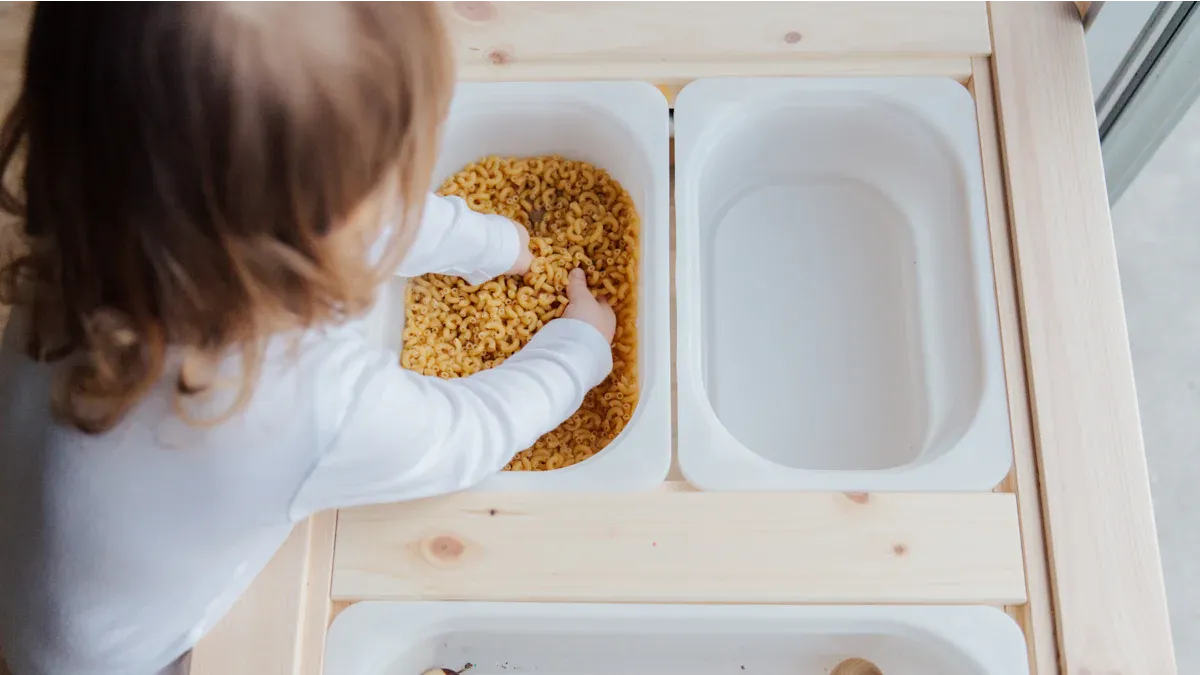
Sensory Bins | These let you play alone and try new textures. |
Scientific Slime Experiments | You can do art and science with slime and have fun. |
Active sensory rooms help you control your senses and feelings. When you have choices, you feel more sure of yourself. Research says these rooms can make you happier, help you learn, and build social skills.
Hybrid Sensory Room
A hybrid sensory room mixes calm and active things. This is good if you need both or want to change what you do. You can have one side with soft lights and pillows for quiet time. Another side can have a ball pit or wall games for play. The table shows how a hybrid room helps different needs:
Room Type | Stimulus Level | Suitable For | Key Benefit |
|---|---|---|---|
Hybrid | Moderate | Mixed needs | Flexible engagement |
Hybrid sensory rooms let you pick what you want to do. You can change activities when you need to. Many families say this kind of room helps everyone feel welcome and supported.
Note: If you use lights, sounds, and textures you can change, it is easy to meet new needs.
Creating a Sensory-Friendly Space at Home
Assess Sensory Preferences
You want your autism rooms to match your child’s needs. Start by finding out what helps them feel calm or excited. There are different ways to learn about their likes and dislikes. Here is a table to show some ways:
Method | Description |
|---|---|
Interviews | Talk with parents or caregivers to find out what your child enjoys or avoids. |
Direct Observation | Watch how your child acts with sounds, lights, textures, and smells every day. |
Structured Assessments | Use special tests to see what makes your child feel good or stressed. |
Some children like bright colors and moving lights. Others want quiet spots with soft things. If your child does not like some foods or smells, respect that. You can change daily routines to fit their sensory needs. Being flexible helps when you go outside or try new things. If you let your child help, the space will feel safe and friendly.
Tip: If your child likes looking at things, use bright art or light projectors. If they do not, keep the room simple and calm.
Choose Essential Sensory Tools
The right tools make your sensory room work better. You do not need to buy expensive things. Simple tools can help kids feel safe and less stressed. Here is a table with some good choices:
Category | Examples of Tools |
|---|---|
Proprioceptive | Weighted blankets, body socks, crash pads, therapy balls, resistance tunnels, wall-mounted bands |
Vestibular | Platform swings, hammocks, spinning chairs, balance boards, mini trampolines, rocking horses |
Auditory | White noise machines, noise-canceling headphones, Bluetooth speakers, musical instruments, sound panels |
Calming Corners | Tents, soft seating, visual timers, weighted stuffed animals, sensory bottles, books |
Weighted blankets and tactile pillows are favorites for many kids. They help children relax and feel better. Research says deep pressure from weighted blankets can calm the body. This can lower stress and anxiety. Tactile pillows with different textures help kids explore and play.
Weighted blankets give gentle pressure, like a hug. They help kids sleep and feel less worried.
Tactile pillows have many textures. Kids can touch and play, which helps them feel calm.
Better Sleep: Weighted blankets help your child rest at night.
Less Anxiety: The weight helps nerves and makes stress easier to handle.
Sensory Play: Tactile pillows let kids try new textures and build skills.
Arrange for Comfort and Flexibility
You want your autism rooms to feel cozy and easy to use. Put things where your child can move and pick what they like. Here are some tips:
Make a quiet corner with soft seats and gentle textures.
Use closed bins to hide clutter.
Set up spots for reading, playing, or resting.
Pick furniture you can move or change.
Try sensory panels you can swap for new ones.
If you have little space or money, you can still make a sensory room. Find a spot where you can control light and sound. Turn a closet or corner into a sensory area. Hang blackout curtains to block bright light. Use magnetic tape if you do not want to make holes. Foldable seats like bean bags save space. Add a swing if you have room. Soft rugs, pillows, and weighted blankets add comfort without costing much.
Note: You can make a sensory space in almost any room. Even a small corner works if you keep it neat.
Lighting and Visual Elements
Lighting is important in autism rooms. Avoid harsh lights and pick ones that help kids relax. Here are some choices:
LED lights let you change brightness and color.
Fiber optic lights make a soft twinkle.
Mood lights change color for a special touch.
Full-spectrum bulbs feel like daylight.
Black UV lights make white things glow.
Kaleidoscope lamps show moving colors.
Cheap projectors put shapes and patterns on walls.
Studies say natural daylight is best for inside spaces. If you use fluorescent lights, make sure you can dim them. Neutral lights and LEDs are better than fluorescent lights, which can bother some kids.
Colors and patterns also change how your child feels. Here is a table to help you choose:
Color/Pattern Type | Effect on Sensory Experience |
|---|---|
Bright primary colors | Can be very strong and cause discomfort or stress |
Muted or pastel tones | Usually more calming and easier to handle |
Fluorescent colors | Can cause sensory overload |
Contrasting patterns | Can be too much and distracting |
Some kids see things differently. What calms one child may upset another. Try soft or pastel colors for walls and furniture. Stay away from bright or fluorescent colors and busy patterns.
Auditory and Tactile Features
Sound and touch are important in sensory rooms. You want to control noise and give soothing choices. Soft music, nature sounds, and white noise machines help make the room peaceful. These things help kids relax and feel less stressed.
Soft music or white noise machines make the room calm.
Nature sounds like rain or birds help nerves settle.
Tactile items help kids touch and play. Bouncy balls, rubber bands, pop-its, and slime toys let kids try new textures. Many kids like to play with these things over and over. These items help kids learn and feel safe.
Tip: Keep your sensory spaces tidy. Too much mess can be too much for the senses. Closed bins and shelves help you find things and keep the room neat.
You can make your sensory room work for any budget or size. Start with a few things and add more as you learn what helps. The goal is to make a space where your child feels safe, happy, and ready to learn.
Maintaining and Updating Your Autism Room
Monitor Changing Needs
Your sensory room should grow with you. Sensory needs change as you get older or try new things. You can keep your space helpful by checking in often. Ask yourself or your child what feels good and what does not. Try to notice if certain lights, sounds, or textures start to bother you.
Here are some ways to keep up with changing needs:
Make small changes, like using blackout curtains or softer lights, to help with comfort.
Add or remove tools, such as noise-canceling headphones, if sound becomes a problem.
Use supportive items that match your current sensory profile.
Personalize the space with things that help you cope, like weighted blankets or fidget toys.
You do not have to change everything at once. Just update your sensory room when you notice something is not working. Regular updates help the space stay useful and welcoming.
Tip: Sensory preferences can shift over time. A quick check every few months helps you spot what needs to change.
Keep the Space Safe and Inviting
Safety matters in every sensory room, especially for children. You want to make sure the space feels calm and secure. Start by removing clutter and keeping things organized. Use bins and shelves with labels so you can find things easily.
Try these steps to keep your room safe and tidy:
Move furniture away from places where kids might climb.
Lock away cleaning supplies, medicine, and anything dangerous.
Use childproof locks on doors and gates.
Install alarms outside bedrooms to alert you if someone leaves.
Add gates or barriers to prevent falls.
You can also make the room feel more inviting by:
Creating clear zones for quiet time, play, or reading.
Using calming colors on the walls and furniture.
Limiting decorations to avoid too much visual input.
Involving your child in choosing what goes in the room.
A clean and organized sensory room helps everyone feel relaxed. When you keep things simple, you lower the chance of sensory overload. Make it a habit to tidy up and remove things you do not need. This way, your space stays safe, peaceful, and ready for fun or rest.
When you design a sensory room, first think about your space. You should know what you need to feel comfortable. Make different areas for calming, moving, and touching things. Use easy tools like weighted blankets and bubble tubes. Fidget toys are also good for play and focus. Keep the room easy to change as your needs change. Ask your family to help make choices for the room. Even small things, like a quiet spot, can help you feel less stressed. These changes can help you pay attention better. Dr. Aaron Nelson says it is good to have a place to recharge. Every small thing you do to help matters.
FAQ
What is the best color for an autism-friendly room?
Soft, muted colors work best. Try light blues, greens, or gentle pastels. These shades help you feel calm and relaxed. Avoid bright or neon colors because they can feel overwhelming.
How can I make a sensory room on a small budget?
Start small! Use things you already have, like pillows, blankets, or string lights. DIY sensory bottles or bins with rice or beans work great. You can add more items later as you learn what helps.
Do I need special equipment for a sensory room?
No, you do not need fancy tools. Everyday items like bean bags, soft rugs, or even a quiet corner can help. The most important thing is to match the space to your sensory needs.
How often should I update the sensory room?
Check in every few months. Ask yourself or your child what feels good and what does not. You might need to swap out items as needs change. Keeping the room fresh helps everyone feel comfortable.
See Also
Innovative Sensory Room Concepts for Kids with Autism
Effective Strategies for Creating ASD Sensory Spaces in Schools
Affordable Guide to Designing a Sensory Room for Autism
Benefits of Sensory Rooms for Kids with Autism
Essential Elements of Effective ASD Sensory Rooms in Schools
