How to Transform Any Room into a Sensory Haven for Special Needs Kids
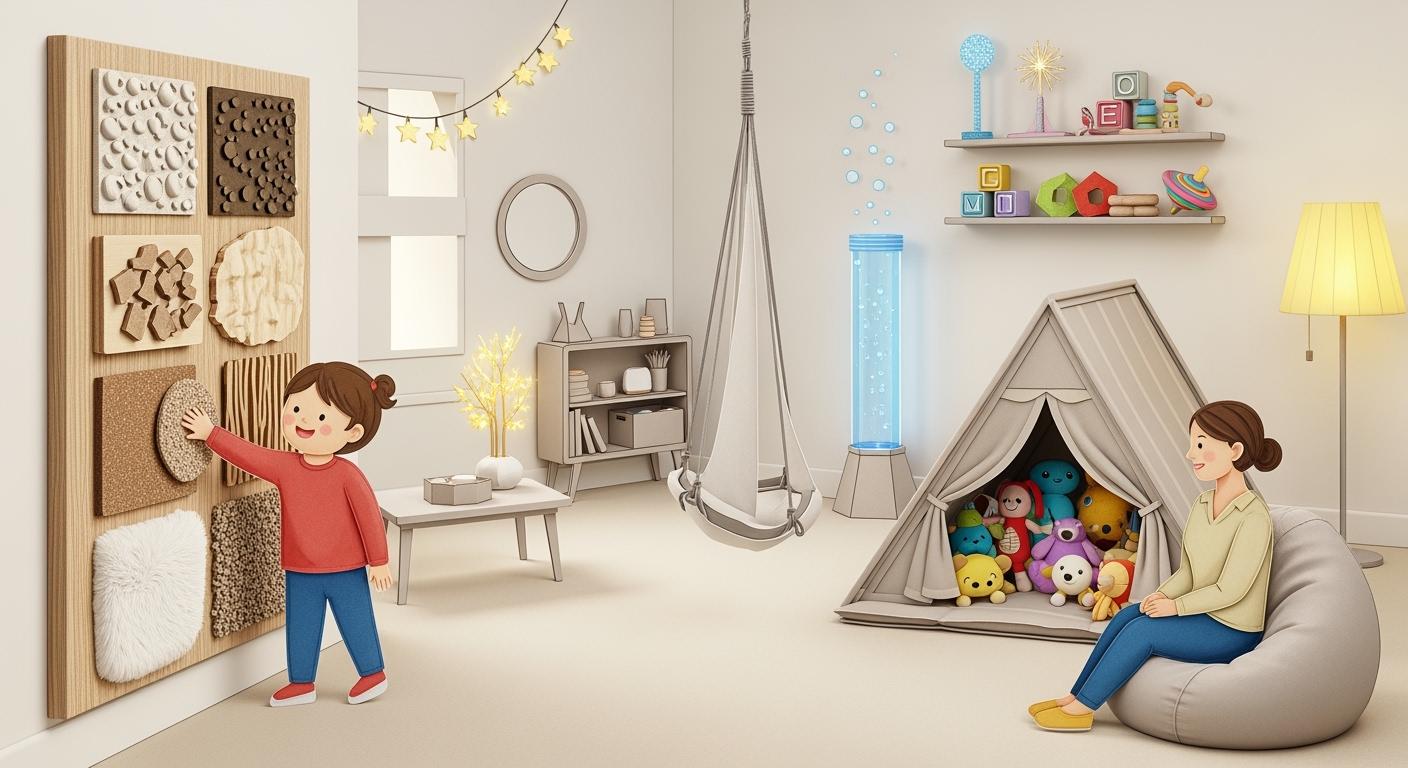
You may feel worried about creating a special needs sensory room. But you can do this at home without spending a lot of money. You can design a calm space that caters to your child’s sensory needs. Many families utilize simple items like paint, soft chairs, and lights. Check out this cost guide to see how easy it is:
Budget Level | Cost Range (USD) | Features Included |
|---|---|---|
Basic Setup | Paint, adjustable lighting, comfy seating, nature patterns, fans, and speakers. | |
Moderate Setup | Varies | Strong furniture, colored lights, sound, air flow, and built-in technology. |
Higher Budget | Significantly more | Harder features like haptic elements, interactive projectors, circadian lighting, and tactile finishes. |
Key Takeaways
A sensory room can help your child feel calm. It can help them focus and feel happy. It gives a safe place to relax and learn.
Use simple things like soft chairs and pillows. Try lights you can change and calming colors. These make the room feel cozy. You do not need a lot of money to help your child.
Watch what your child likes. Pick the right textures, sounds, and smells. Making the room fit your child helps them feel good.
Safety is very important. Check the room often for dangers. Keep it clean so your child does not feel stressed.
Be ready to change the sensory room as your child grows. Let your child help make choices. This makes the room feel special to them.
Why Create a Sensory Room
Benefits for Special Needs Children
A sensory room can make life better for your child. It gives your child a safe place to relax and learn. Many parents see their kids become calmer and happier in these rooms. You may notice your child smiles more or tries new things.
Here’s what research says about the benefits for special needs children:
Findings | Description |
|---|---|
Autistic children paid more attention when they could control the room. | |
Reduced Repetitive Behaviors | Having control over changes led to fewer repeated movements and less repeated speech. |
Improved Learning Conditions | Letting children control things helps them learn better, especially autistic children. |
You can help your child feel more confident and independent. When your child learns to calm down in a sensory room, they feel ready for other places. These rooms also help with social skills. Kids can play and talk without feeling stressed.
Tip: Every child is different. Try out different textures, lights, and sounds to find what your child likes best.
Supporting Calmness and Focus
A sensory room helps your child handle stress and focus better. Many kids with sensory needs feel nervous or distracted in busy places. You can use a sensory room to make a quiet spot for your child to relax and feel better.
Sensory rooms help kids deal with too much or too little sensory input.
They give a safe space that helps with feelings and focus.
With calming tools, these rooms lower anxiety and meltdowns.
You may see your child feel less nervous and pay more attention after using the sensory room. This space lets your child control their surroundings, which makes them feel safe. When your child feels safe, they can learn and grow.
Evidence Type | Description |
|---|---|
Sensory rooms help kids handle too much noise or light, so they feel better emotionally. | |
Social Participation | These rooms help kids join in and make friends without being scared. |
Independence and Confidence | Learning to calm down in sensory rooms helps kids feel brave in other places. |
A sensory room is not just for play. It is a tool that helps your child do well every day.
Assessing Needs and Space
Identifying Sensory Preferences
Before you set up your home sensory space, you need to know what your child likes and dislikes. Every child reacts differently to sounds, lights, textures, and movement. You can start by watching your child during play or daily routines. Notice what makes them smile or what causes stress. Ask yourself, does your child love soft blankets or bright lights? Maybe they cover their ears when music plays.
Occupational therapists use a few methods to figure out these preferences. You can try some of these at home:
Method | Description |
|---|---|
Use tools like Sensory Profile 2 to get clear data on how your child responds to things. | |
Direct Observations | Watch your child in different places to see how they react to sounds, lights, and textures. |
Input from Caregivers | Talk with family members or teachers who know your child well. |
You don’t need fancy tests. Trust your instincts and what you see every day. Write down what helps your child feel calm or excited. This list will guide you as you create a home sensory space that fits your child’s needs.
Choosing the Right Room
Picking the best spot for your home sensory space makes a big difference. Look for a peaceful area in your house. Stay away from busy places like kitchens or hallways. A quiet corner in a bedroom or a spare room works well. You want your child to feel safe and relaxed.
Here are some things to keep in mind when you choose a room:
Pick a low-traffic spot to avoid too much noise.
Make sure the space feels cozy and enclosed.
Choose a room your child can reach easily when they need a break.
Add padding or soft rugs for safety and comfort.
If you want your sensory room to help your child calm down, keep the space simple. If your child needs more energy, add items that encourage movement. Always check that equipment is safe and easy to use. Your home sensory space should grow with your child, so stay flexible and open to change.
Sensory Room Setup Tips
Layout and Safety
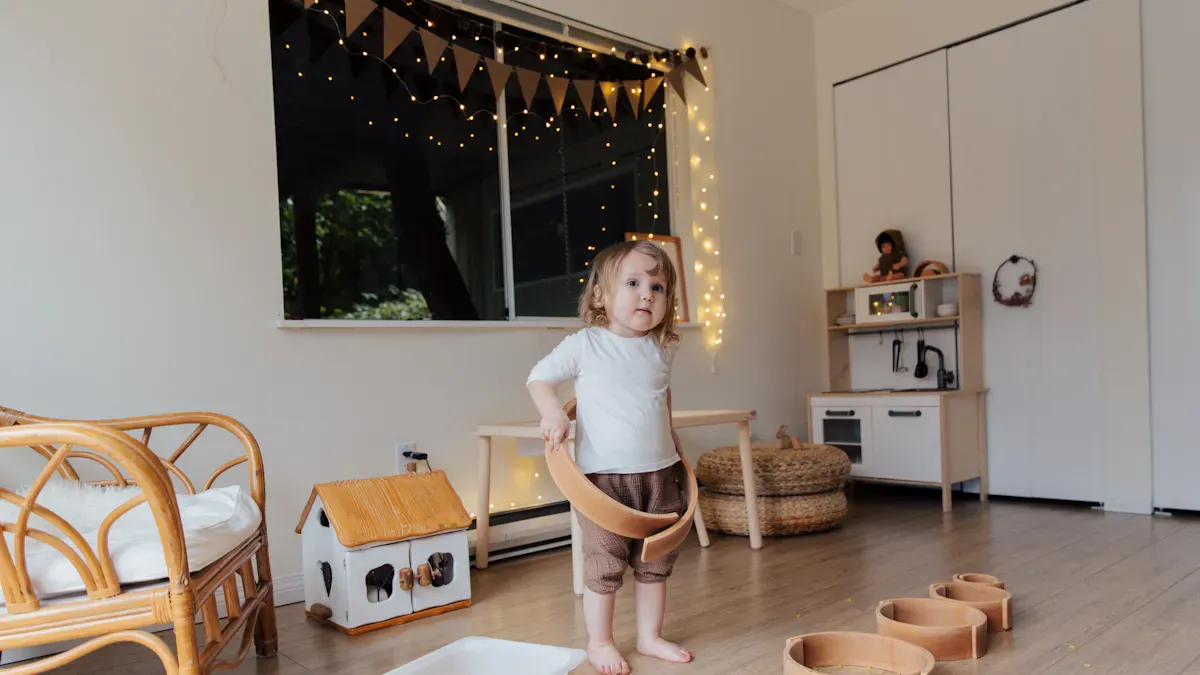
You want your sensory room to feel safe and friendly. First, look at the space you have. Think about what your child needs most. Some kids need a quiet place to rest. Others want a spot to move and play. You can split the room into different zones. One zone can be for calming down. Another zone can be for active play.
Safety is the most important thing in a sensory room. Check for sharp corners or dangerous objects. Cover all outlets and tie up cords. Use battery lights if you can. Pick materials that are non-toxic and hypoallergenic. Keep small things out of reach. Check the room every month to keep it safe and clean. Ask your child how they feel about the room. Listen to what they say.
Here’s a quick guide for safety:
Category | Best Practices |
|---|---|
Physical Safety | No sharp objects, padded corners, secure equipment, and regular checks. |
Electrical Safety | Use battery lights, cover outlets, and tie up cords. |
Material Safety | Use non-toxic items, hypoallergenic fabrics, and store small things safely. |
Maintenance | Do monthly safety checks and ask for feedback. |
Keep your layout flexible. Move furniture or equipment as your child’s needs change. Paint the walls with soft blues or greens. These colors help your child relax and focus. Keep the room neat and tidy. Too many things can distract your child. Add your child’s favorite items to the room. This helps them feel at home and ready for sensory room intervention.
Tip: Let your child help set up the room. This gives them control and makes the space special.
Cozy Spaces and Seating
Comfort is very important in a sensory room. You want your child to feel safe and supported. Try making cozy corners with soft seats. Bean bags and crash pads feel snug and safe. Swings or hammocks give gentle movement. Rocking chairs and yoga balls help your child relax or move.
Here are some good seating choices:
Seating Type | Description |
|---|---|
Bean Bags | Soft and cozy, making a safe seat. |
Crash Pads | Ground seats that help kids feel safe and calm. |
Sensory Swings | Give gentle motion that helps kids calm down. |
Body Socks | Give a snug feeling that helps with sensory input. |
Weighted Blankets | Give calming pressure for comfort and sensory help. |
Rocking Chairs | Give steady movement that helps kids calm down. |
Yoga Balls | Can be used in many ways for comfort. |
You can use more than one type of seat. Some kids like to snuggle with a weighted blanket. Others want to bounce on a yoga ball or swing. Try different things to see what helps your child cope. Modular seats let you change the setup as your child grows. A cozy corner with soft pillows can be a favorite spot for reading or quiet time.
Note: Always check that swings and other equipment are safe before using them.
Lighting and Visual Elements
Lighting can change how your sensory room feels. Soft, adjustable lights help your child feel calm. Fiber optics and bubble tubes add gentle, fun light. LED strips let you change colors and brightness. This gives your child control over their space.
Here are some lighting choices:
Lighting Type | Description | Benefits |
|---|---|---|
Fiber Optics | Strands with soft, touchable light | Gentle and interactive |
Bubble Tubes | Tubes with bubbles and colored water | Calming and relaxing |
LED Light Strips | Flexible strips with changing colors | Set the mood and control the light |
Different lights help with sensory needs. Fiber optics give gentle light. LED strips let you pick colors for relaxing or play. Bubble tubes make the room calm with moving colors and bubbles. These lights help your child cope and focus.
Visual things matter too. Use soft colors like pastels or neutrals on walls and furniture. Keep the room neat and do not use too many decorations. This stops visual overload. Add toys with moving parts or color changes. These toys catch your child’s eye and help them enjoy the space.
You can also add nature. Use soft sunlight or pictures of trees and water. This makes the room peaceful. Keep the space tidy with little clutter. This helps your child focus and feel less stressed.
Callout: Every child is different. Try different lights and visuals to see what works best for your child’s sensory room intervention.
You can make a sensory room for both rest and play. With the right layout, comfy seats, and good lighting, your sensory room will be a safe place for your child to practice coping and grow. There are many types of sensory rooms, so try new things and change the room as your child’s needs change.
Essential Elements for a Special Needs Sensory Room
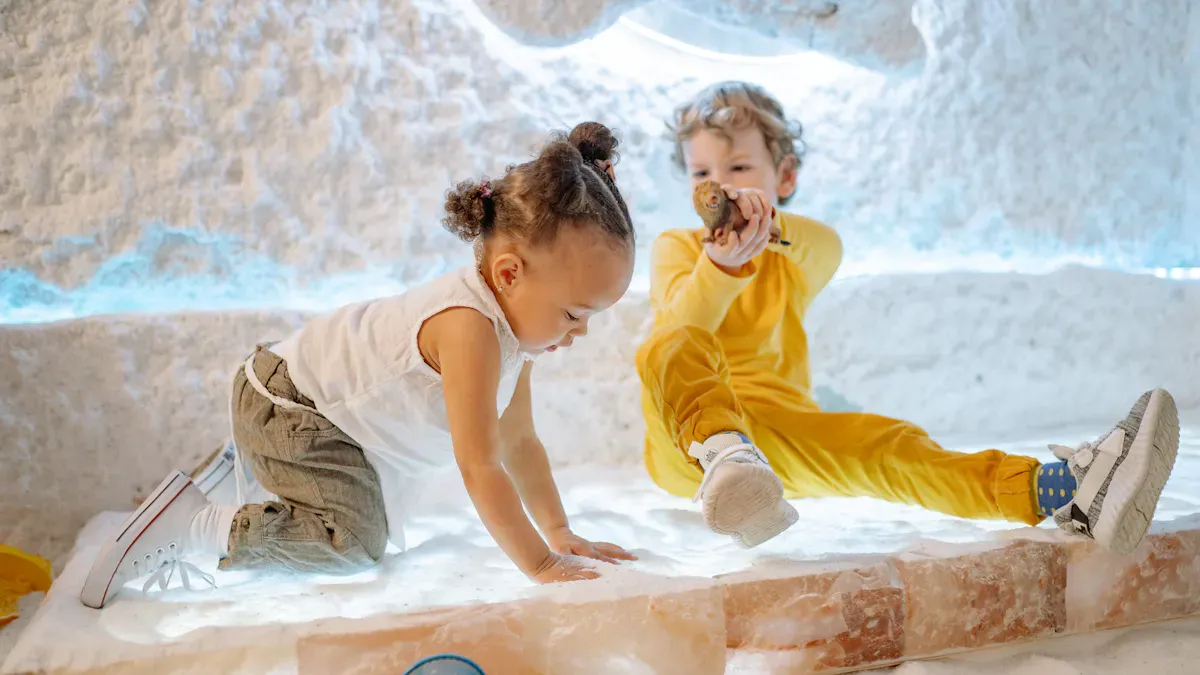
Creating a special needs sensory room means picking the right tools and materials. You want your child to feel safe, calm, and engaged. Let’s look at the most important elements you can add to your sensory-friendly home.
Tactile Bins and Materials
Touch is a big part of sensory play. When you fill your special needs sensory room with tactile bins and materials, you give your child a chance to explore and learn. Tactile bins are simple containers filled with different textures. You can use them for fun, calming, or even learning new skills.
Here are some great tactile materials to try:
Kinetic sand: Feels soft and moves easily in your hands. Kids love to build and squish it.
Fidget toys: Pop tubes, stress balls, and other small toys help your child stay focused.
Bristle blocks: These blocks have different textures and let your child build and create.
Sensory bins: Fill them with rice, beans, or water beads for endless exploration.
Tactile tiles: Place them on the floor or wall for your child to touch and step on.
Slime: Stretchy and squishy, slime is a favorite for many kids.
Thinking putty: This putty is great for squeezing and stretching. It also helps build hand strength.
Play-Doh: Classic and easy to shape, Play-Doh is perfect for open-ended play.
You can rotate these materials to keep things fresh. Try mixing textures in one bin or let your child choose what goes inside. Tactile play helps with fine motor skills and can calm your child after a busy day.
Tip: Always watch your child with small items to keep playtime safe.
Movement and Balance Tools
Movement is key in any special needs sensory room. Many kids need to move to feel calm or focused. You can add tools that help with balance, strength, and body awareness. These tools turn your sensory-friendly home into a place for both fun and growth.
Check out this table for some popular movement and balance tools and their benefits:
Sensory Tool | Benefits |
|---|---|
Yoga balls | Deep pressure, builds core strength |
Trampolines | Rhythmic movement, vestibular stimulation |
Scooter boards | Smooth movement, balance practice |
Balance beams | Coordination, body control |
Swings and sit-and-spins | Controlled motion, vestibular input |
Weighted balls | Calming deep pressure, proprioceptive input |
Tunnels | Crawling, activates multiple senses |
Yoga cards | Mindful movement, body awareness |
You don’t need a huge room for these tools. Even a small corner can fit a yoga ball or a tunnel. Swings and trampolines offer big movement, while yoga cards and balance beams help with focus and control. Try different tools to see what your child enjoys most. Movement breaks can help your child reset and get ready for learning or relaxing.
Note: Always check that equipment is secure and safe before use.
Sound and Scent Options
Sound and scent can change the mood in your special needs sensory room. Some kids need quiet to feel calm. Others like gentle sounds or music. You can use sound machines, soft music, or even noise-canceling headphones to help your child find the right balance.
Here’s a quick list of sound and scent ideas for your sensory-friendly home:
White noise machines: Block out loud or sudden sounds.
Noise-canceling headphones: Help your child focus or relax.
Soft music: Calms nerves and sets a peaceful mood.
Bubble tubes: Add gentle bubbling sounds and visual interest.
Scents also play a big role. Some smells help your child feel calm, while others boost energy or focus. Children with sensory processing issues may react strongly to certain scents. Some kids feel overwhelmed by strong smells, while others seek out new scents for comfort.
Try these scents in your special needs sensory room:
Eucalyptus: Helps with mental clarity and focus.
Lavender: Calms and helps with sleep.
Lemon: Uplifts and clears the mind.
Lemongrass: Cleanses and refreshes.
Peppermint: Energizes and wakes up the senses.
Start with just one scent at a time. Watch how your child reacts. If your child seems upset or agitated, try a different scent or skip scents altogether. Every child is unique, so you may need to experiment to find what works best.
Callout: Emotional overload from too much sound or scent can lead to meltdowns. Keep things simple and adjust as needed.
A special needs sensory room works best when you mix tactile, movement, sound, and scent elements. You can create a sensory-friendly home that helps your child feel safe, happy, and ready to take on the world.
Personalizing and Maintaining Your Sensory Room
DIY and Budget Tips
You do not need a lot of money to make a sensory space. Many families use easy DIY ideas to make it special. Try using string lights for soft lighting. Hang them on the walls or around chairs for a warm glow. Make a sensory wall with things like sandpaper, bubble wrap, or old fabric. Kids like to touch and feel these different textures.
You can make calming bottles with plastic bottles, water, and glitter. These bottles help kids calm down when they shake them or watch the glitter move. Make a cozy spot with a small tent or a blanket fort. Add bean bags or yoga mats for soft places to sit. Use old cabinet doors to make busy boards. You can also use things from around the house for sensory bottles. Stores like Rompa, Abilitations, and FlagHouse have cheap sensory tools. Sensory Toy Warehouse has good deals too.
Tip: Let your child help pick out textures, colors, and lights. This makes the space feel special to them.
Adapting for Changing Needs
Your child’s sensory space should change as they grow. Kids often want new things as they get older. Ask your child what they like in their space. Talk to their therapist to learn about new needs. Let your child help choose what to add or take away. This gives them control and helps them feel safe.
You may see your child wants new things as they grow up. Maybe they want more movement or softer lights. Change the space a little at a time to fit their needs. What works now may not work later. Stay open to trying new ideas for your sensory space.
Troubleshooting Common Issues
Sometimes the sensory space does not feel right. Too much stuff can make kids feel overwhelmed. Keep the space simple and neat. Use soft things and warm lights to make it calm. Add things that block noise if it gets too loud. Pick soft colors for the walls and furniture. Use gentle scents so strong smells do not bother your child.
Make sure there is a clear path so your child can move around. Work with your child’s therapist to fix problems. Caregivers and therapists help you find ways to cope. They show you how to support your child at home.
Note: Check the sensory space often. Ask your child how they feel and watch for changes. Make changes with help from therapists and caregivers.
A good sensory space helps your child every day. You can make a place where your child feels calm, learns, and grows.
You don’t need a big budget to make a difference. Start with simple changes like soft string lights, cozy crash pads, or a corner filled with textured fabrics. These small touches can help your child feel safe and calm. As your child grows, keep adjusting the space. Sensory rooms help kids manage emotions, build resilience, and learn calming strategies. With a little creativity and care, you can create a room that supports your child’s comfort and growth every day. You’ve got this—your efforts truly matter!
FAQ
How much space do I need for a sensory room?
You don’t need a big room. A small corner or even a closet works. Focus on making the area safe and cozy. Add soft seating and calming lights. Your child’s comfort matters more than the size.
Can I make a sensory room on a tight budget?
Yes! Use items you already have, like pillows, blankets, and string lights. DIY sensory bins and homemade fidget toys save money. Shop at thrift stores for deals. Creativity goes a long way.
What if my child doesn’t like the sensory room?
That’s okay. Try changing one thing at a time. Ask your child what they want. Let them help pick colors or textures. Sometimes, small changes make a big difference.
How do I keep the sensory room clean and safe?
Check the room every week. Wipe down surfaces and wash soft items. Look for broken toys or loose cords. Ask your child if anything feels unsafe. Safety checks help everyone relax.
See Also
Recommended Sensory Spaces for Children with Special Needs
Inspiring Sensory Bedroom Concepts for Relaxed Children
Effective Sensory Room Concepts for Educational Settings

