How to Build a Calming Sensory Room for Autism Support
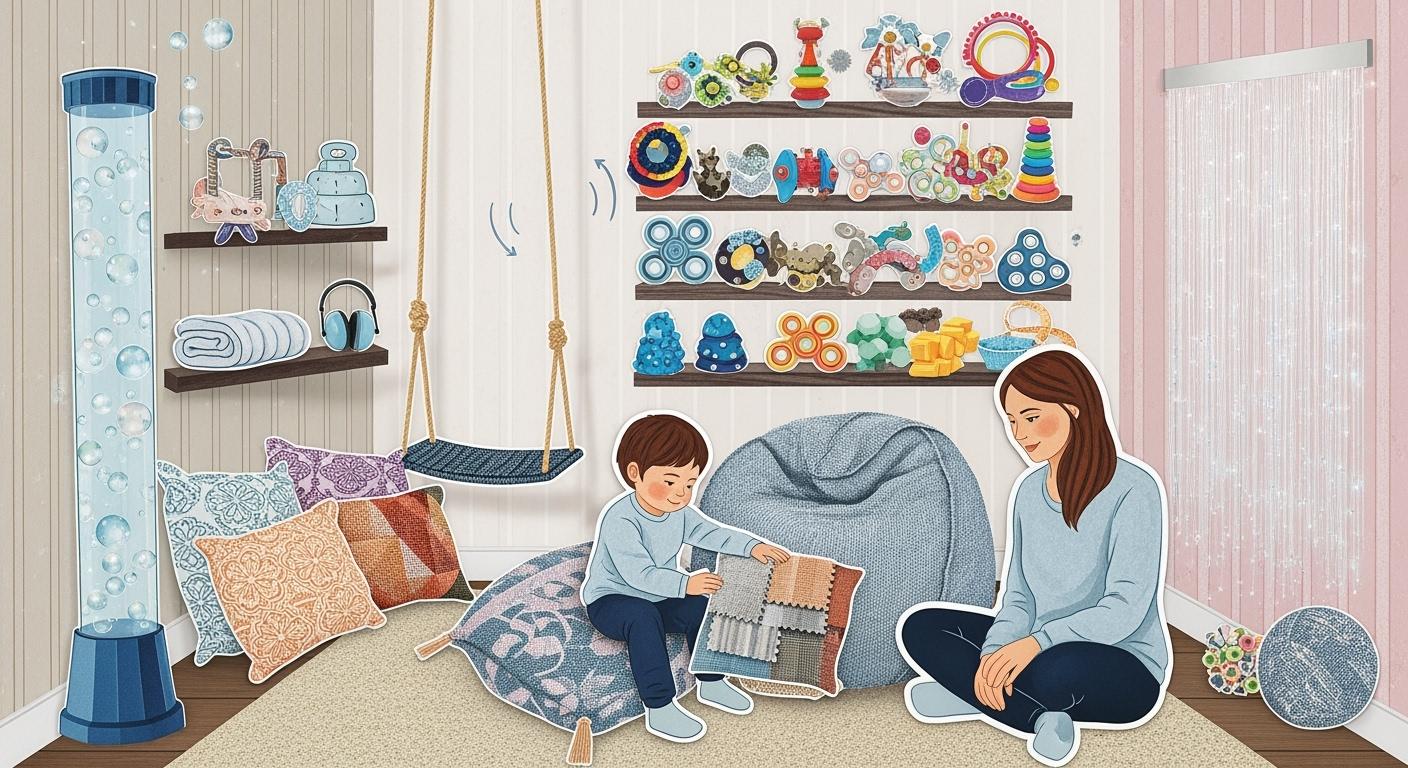
You can make a sensory space that helps kids with autism by thinking about comfort and safety. A sensory room has things like a Swing Frame, Fiber Optic Carpet, Bubble Tube, Busy Board Wall, and Mirror Wall to make the room calm. Autism rooms help lower stress and make people feel peaceful. If you pick the right things, every child can relax and learn. You make a place where sensory needs are most important.
Key Takeaways
Begin with some easy sensory items to make a calm space for kids with autism.
Pick soft lights and gentle colors to help kids relax and feel less worried in the sensory room.
Add different sensory toys to use many senses and help kids pay attention.
Make sure the sensory room has open space so kids can move around, explore, and calm down.
Clean and change the sensory space often to fit new needs and keep it healthy.
Understanding Autism Rooms and Their Benefits
What Is an Autism Room?
You might ask why autism rooms are different. These rooms help people with autism handle sensory needs. All sensory rooms try to make a safe and calm space. Autism rooms use soft lights, gentle sounds, and smooth textures. You can put in swings, bubble tubes, or walls you can touch. These things help you feel safe and relaxed.
Autism rooms can be in homes, schools, or therapy places. You can change the room to fit your needs. Some rooms help you rest, and some help you move or explore. No matter how you set it up, autism rooms help you feel less stressed and more peaceful.
Tip: Begin with a few easy items. Add more as you find what helps your sensory needs.
Key Benefits for People with Autism
Autism rooms have many good effects. You may act better, learn more, and feel happier. Studies show these rooms lower stress and worry. One study found students felt less anxious and had fewer meltdowns after using sensory tools.
Here is a list of the good things:
Benefit | Description |
|---|---|
You join in learning and daily tasks more. | |
Arousal Regulation | You stay calm and steady during the day. |
Enhanced Socialization | You get to practice social skills like waiting and taking turns. |
Reduced Challenging Behaviors | You may have fewer outbursts or times off-task. |
Long-lasting Behavioral Changes | You feel braver and better about yourself over time. |
Studies also show autism rooms help you handle stress and feelings. These rooms help you feel safe, even during hard times or doctor visits. When you use a calming room, you can feel better faster and join activities with more courage.
Essential Sensory Room Features

Lighting and Mood
Lighting changes how a sensory room feels. You want the room to feel calm and friendly. Many people with autism like dim lights. Bright lights can make them feel upset or worried. Pick soft lights that you can change. Do not use strong colors or busy wall patterns.
Here is a table with good lighting choices for a sensory room:
Type of Lighting | Description |
|---|---|
Colour-changing mood | Downlights, strip lights, and flood lights that create a calming atmosphere. |
UV Lighting | Makes objects glow and helps with visual stimulation and sensory regulation. |
LED Lighting | Flexible and interactive, great for engagement and learning about cause and effect. |
Fibre Optic Lighting | Soothing, twinkling effect, perfect for quiet areas to help you self-regulate visually. |
Use calm wall colors with little contrast. This helps you stay relaxed and not get distracted. Always have a spot to rest if you feel too much.
Tip: Use dim lights in most places. Add brighter lights only for reading or close-up work.
Sensory Toys from Leemoland
Sensory toys are important in a sensory room. These toys help you use your senses and feel less stressed. Leemoland has many sensory toys for kids with autism. You can get fidget toys, toys to touch, chew toys, and toys that make noise.
Some favorite sensory toys are:
Fidget toys like spinners, cubes, tubes, and rings. These keep your hands busy and help you pay attention.
Tactile toys like playdough, slime, and sand. These feel nice when you touch them.
Chew toys made from safe stuff. These help if you need to chew to feel calm.
Noise-making toys like shakers and small drums. These let you enjoy different sounds and beats.
Leemoland’s toys help with many sensory needs. You can use them to feel less stressed, focus better, and have fun. You can see more toys at Leemoland’s official website.
Tactile and Visual Elements
Tactile and visual things make a sensory room more fun. You can add different textures and things to look at. This helps you relax and explore. Experts say to make special areas for touch and sight.
Here is a table with some examples:
Zone Type | Purpose | Example Features |
|---|---|---|
Tactile Zone | Stimulate touch exploration | Tactile walls, sensory bins with rice, sand, foam, textured mats |
Visual Elements | Provide calming visual stimuli | Moving projections, bubble walls, fibre optic curtains, lava lamps, bubble tubes |
Use soft fabrics like cotton or bamboo for pillows and blankets. These feel nice and help you relax. Stay away from rough fabrics like polyester, which can feel bad.
Fabric Type | Texture | Comfort Level |
|---|---|---|
Cotton | Soft | High |
Polyester | Rough | Low |
Bamboo | Soft | High |
Note: Weighted blankets and soft pillows can help you feel safe and calm.
Movement and Open Space
Movement is needed in a sensory room. You need space to move, stretch, or use swings and boards. Open space lets you use up energy and learn to calm yourself. Experts say a sensory room should be at least 3 meters by 4 meters. If more people use it, use this rule: 3 meters by (number of users times 1 meter).
Recommended Dimensions | Description |
|---|---|
3m x 4m | Minimum size for sensory rooms to ensure movement and accessibility. |
3m x (number of users x 1m) | Formula for social sensory spaces accommodating multiple users. |
Example: 3m x 5m | For five students, can be balanced to 4m x 4m as long as minimum dimensions are met. |
A sensory room with open space helps you learn about yourself and be more independent. You can go in when you feel upset. The room gives you a safe place to calm down and feel better.
Tip: Keep the floor clear and use soft mats for safety. Add things like swings, balance boards, or exercise balls for movement.
If you use these ideas, you can make a sensory room that is safe, comfy, and helps people with autism feel better.
Planning Your Safe Sensory Space
Choosing the Right Area
Pick a spot where you can focus and feel calm. Find a quiet place that is not near busy halls or loud rooms. Spaces with simple patterns and soft colors are best. Stay away from places with sharp edges or lots of mess. A sensory space should have clear areas for different things. Some kids like a quiet corner to relax. Others want open space to move around. Think about how the room might change in the future.
Criteria | Description |
|---|---|
Innovative design and technology | Pick things that use new materials or cool tech. |
Effectiveness in enhancing sensory experiences | Choose items that help you feel calm, focused, or excited. |
Durability and suitability for schools | Make sure everything is safe and strong for everyday use. |
Arranging for Comfort and Safety
Safety is the most important thing in a sensory space. Use toys and equipment that fit the child’s age. Always check for small parts that could be choking hazards. Do not use things that can cause allergies. Clean the area often to keep it healthy. Watch children when they play in the room. Put furniture so you can walk around easily and not trip. Soft mats and round corners help stop injuries. Keep the room neat and tidy. This helps you relax and feel less stressed.
Tip: Think about what each child needs. Some kids may need extra help or special tools.
Budget-Friendly Solutions
You do not need a lot of money to make a safe sensory space. Small rooms work just as well as big ones. Use things you have at home for touch play, like rice bins or mats with texture. Rocking chairs or exercise balls can take the place of swings. Cheap fairy lights or homemade lights make the room cozy. You can use a shower curtain and hula-hoop to make a private spot. Play tents and snuggle spaces give comfort and safety. You can make cause and effect toys at home to help with learning.
Moveable sensory spaces can change to fit your needs.
DIY projects save money and let you make the room your own.
Cheap ideas can work as well as expensive ones.
A good sensory room helps kids with autism feel safe and happy.
Customizing and Maintaining Your Sensory Space
Personalizing for Individual Needs
You can make your sensory space just right for you. Think about what helps you feel calm and pay attention. People with autism like different things. Some kids want a quiet spot or soft lights. Others need fidget toys or weighted blankets to help them feel better. Some children like reading or doing puzzles.
Make quiet spots with no loud sounds or mess.
Put in sensory things like fidget toys and weighted blankets.
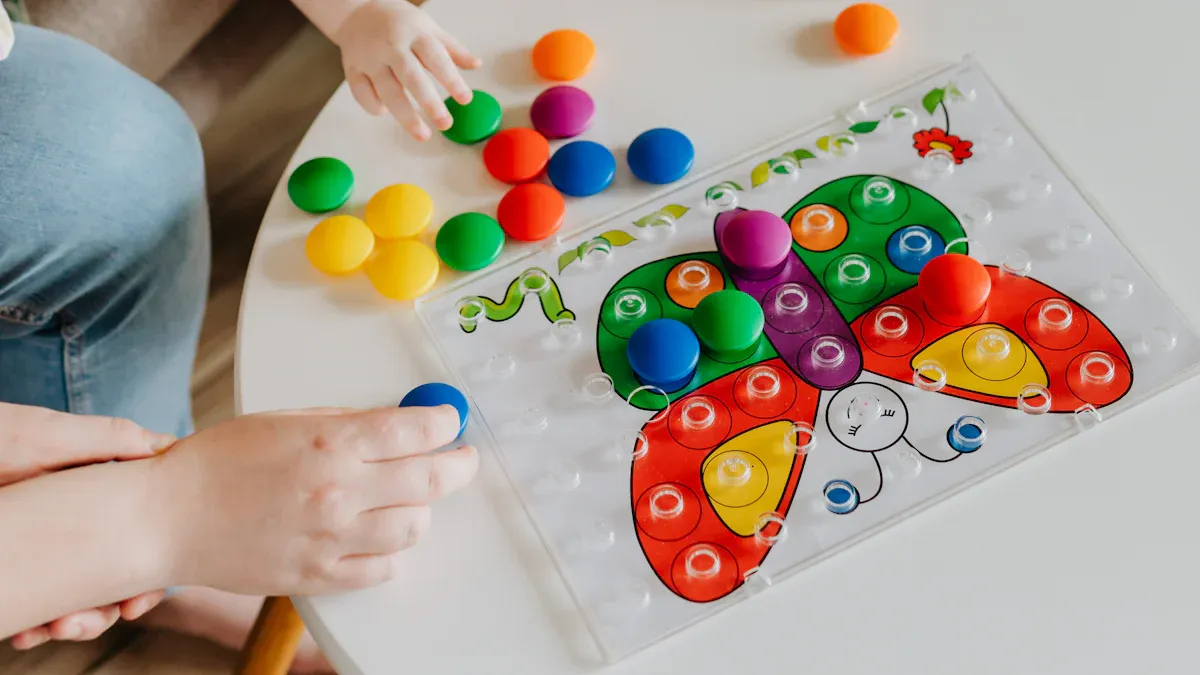
Pick activities you enjoy, such as art or puzzles.
A sensory space helps you learn about your senses. You can use it to relax or move around. This makes you feel safe and ready to learn.
Studies say about 90% of autistic people have sensory needs. If you change your room to fit you, you feel better and can focus more. The table below shows how making changes helps:
Source | Benefit |
|---|---|
National Autistic Society | Makes you more comfortable and helps you do more work |
NHS England | Helps you feel good and pay attention |
NICE Guidance | Improves your mood and helps you do better at work |
Keeping the Sensory Space Clean
You must keep your sensory space clean to stay healthy. Wipe mats and toys with wipes often. For bubble tubes or water toys, change the water every 6-8 weeks. Always check that the water is clean and safe. If you have a hydrotherapy pool, test and clean the water every hour. Teach everyone to follow these cleaning steps.
Tip: Clean up after each use so the room stays nice and fresh.
Updating as Needs Change
Your sensory space should change when your needs change. Ask people who use the room what they think. Try new things or swap out old activities to keep it fun. Add new decorations or textures to make the room feel different. Listen to what works best and update the room often.
Change the room to fit what you like.
Use ideas from others to make changes.
Add new things or move stuff around as you grow.
A sensory room that changes with you will always help you feel good and ready to learn.
You can make a calm place for autism support by doing these steps:
Put comfy chairs in your sensory room.
Add things to touch and ways to move.
Use soft sounds and nice smells.
Make quiet spots and places for deep pressure.
Keep your room safe and change it when needed.
A good sensory room helps you handle feelings, pay attention, and be more independent. The table below shows how it helps over time:
Long-term Outcomes | Description |
|---|---|
Improved Emotional Regulation | Using sensory rooms often helps people control their feelings better. |
Enhanced Focus | Sensory rooms are calm and help you focus more. |
Development of Communication Skills | Doing sensory activities helps you talk and get along with others. |
Increased Independence | Sensory play helps you feel braver and do things on your own. |
Improved Motor Skills | Time in sensory rooms helps you move your body better. |
Begin with easy changes in your sensory room. Change things as you find what works best. Families and teachers see kids join in more when they work together. Try sensory toys from Leemoland to help your room and help everyone do well.
FAQ
What is the best size for a sensory room?
You should aim for at least 3 meters by 4 meters. This size gives you enough space to move and play safely. If more people use the room, add one meter for each extra person.
How often should you clean sensory toys?
You should clean sensory toys after each use. Wipe them with safe cleaning wipes. For water toys, change the water every 6-8 weeks. Clean toys keep you healthy.
Can you build a sensory room on a budget?
Yes! You can use items from home like pillows, bins of rice, or soft lights. DIY projects and simple tools work well. You do not need expensive equipment to make a calming space.
Which Leemoland toys are best for sensory rooms?
Toy Type | Benefit |
|---|---|
Fidget Toys | Help you focus |
Tactile Toys | Calm your senses |
Chew Toys | Soothe oral needs |
Musical Toys | Add gentle sounds |
You can find more options at Leemoland’s website.
See Also
Affordable Ways to Create a Sensory Room for Autism
Ten Unique Concepts for Autism Sensory Rooms for Kids
Creating a Sensory Gym Space for Children with Autism
