How to Create a Small Sensory Room at Home Step by Step
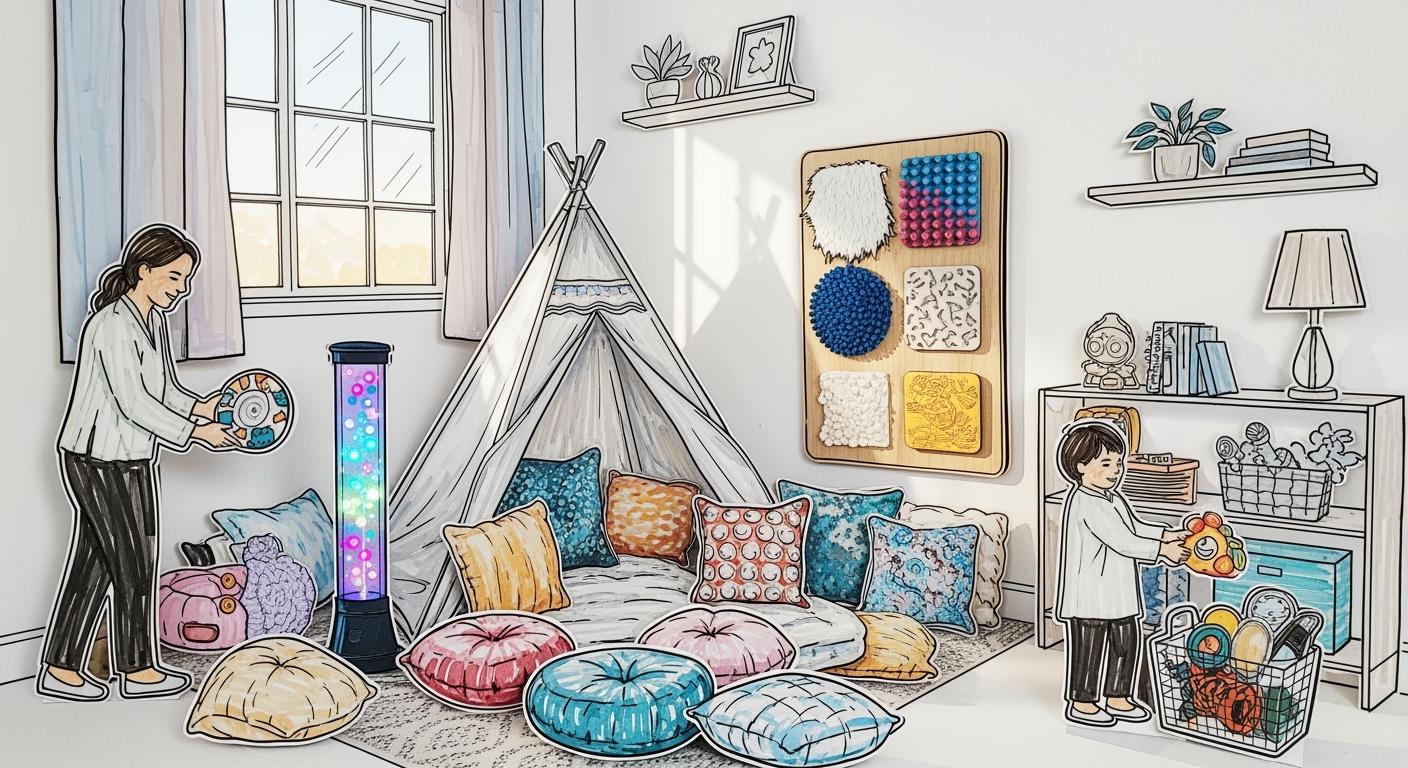
You can make a small sensory room at home. First, choose a cozy spot. Add calming lights and soft places to sit. Put in sensory tools like weighted blankets or fidget toys. People have different sensory needs. Think about what helps you or your family feel calm and safe. Many families see that a sensory-friendly home helps with sleep and emotions. It also makes routines happier. Even a small sensory room can be a great place to relax, play, and focus. When you make a sensory-friendly space, you give everyone a safe spot to rest and feel better.
Key Takeaways
Pick a quiet and comfortable place in your house. A small corner or closet is a good choice.
Add calming lights and soft seats to make it feel nice. Try using bean bags and weighted blankets.
Put in sensory tools that fit what each person likes. Make a checklist to see what helps people feel calm.
Set up routines for using the sensory room. This helps everyone feel safe and know what will happen.
Keep the room clean and neat. Check often for broken things and change the setup if needed.
Assessing Needs for a Small Sensory Room
Identifying Sensory Preferences
Before you build your sensory room, notice what feels good or stressful. Everyone likes different things. Some people enjoy soft lights and gentle sounds. Others feel calm with movement or deep pressure. You can use a sensory checklist to find out what you like. The checklist sorts experiences by sense, like touch, sound, or movement. It helps you see patterns and avoid feeling overwhelmed.
Experts suggest a few ways to learn about sensory likes and dislikes:
Method | What It Involves | Example |
|---|---|---|
Parent/Caregiver Interviews | Asking people who know the child well. | Parents talk about reactions to foods or sounds. |
Direct Observation | Watching how the child reacts to things. | Child covers ears when blender is on. |
Structured Assessments | Using special tools to check reactions and triggers. | Finding stress from loud school bells. |
When you notice these details, you can make a space that helps with sensory regulation, emotional health, and sensory motor skills.
Choosing the Right Space at Home
You do not need a big room for a sensory room. Look for a quiet corner, a closet, or part of the living room. Pick a spot away from busy or noisy places. Make sure it is easy to get to, especially for neurodiverse people or those with mobility needs. Soft lighting, like fairy lights or dim lamps, can make the area feel safe and cozy. Walls in pastel or neutral colors help lower sensory overload.
Tip: Families often find a calm, low-traffic spot works best for a kids sensory room.
Considering Who Will Use the Room
Think about the age and needs of everyone who will use the room. Young kids, teens, and adults may want different things. Swings and balance boards help kids move. Weighted blankets or soft seats comfort older users. Choose soothing colors and flexible furniture. Let users help pick decorations and tools. This makes the space feel personal and welcoming for neurodiverse users and those with sensory processing challenges.
A sensory room at home can help with many goals:
Sensory regulation
Emotional well-being
Skill development
When you match the space to your family’s needs, you create a supportive place for everyone.
Selecting Sensory Elements for a Home Sensory Space

When you make a sensory room, pick tools that fit your needs and budget. You can turn a small room into a calm place or a fun spot. There are many sensory room diy ideas that work in any home.
Deep Pressure Tools (Weighted Blankets, Lap Pads)
Weighted blankets and lap pads give deep pressure touch. This helps your body feel calm and safe. You may feel less anxious and focus better with these tools. Families and therapists see weighted items help with sleep and relaxation. You can make a weighted lap pad at home with fabric and rice or poly pellets. Studies show deep pressure tools help sensory integration and body awareness. They also help lower tactile defensiveness.
Tip: Use a weighted lap pad during homework or quiet time. It may help you concentrate.
Cozy Seating (Bean Bags, Cushions)
Soft seats make your sensory space comfortable. Bean bags and cushions help with emotional regulation and create a calm environment. Kids who feel overwhelmed relax in cozy seats. Add pillows or a bean bag chair to your sensory room. These options are cheap and easy to move. Cozy seating helps your sensory space feel welcoming.
Visual Stimulation (Mood Lights, Projectors)
Lights and visuals change the mood in your sensory room. You can use mood lights, projectors, or fiber optic lamps. These tools show gentle colors and patterns to help you relax or focus. Here are some popular options:
Product Type | Features | Pros | Cons |
|---|---|---|---|
Ocean Wave Projector | Makes gentle ripples on walls and ceiling, remote control available | Peaceful mood, adjustable colors, small size | Hard to use with bright light, covers small area |
Touch-Activated Hexagon Panels | Interactive panels with color and brightness control | Fun for kids, shapes can change, remote control | Stickers may not stick well, short remote range in big rooms |
Sea Lamp | Gentle light patterns with built-in sounds | Seven light modes, small size, good for bedtime | Plastic quality, not bright for big rooms |
Bubble Tube | Floating fish and color-changing lights | Cool effects, remote control for colors | Heavy, can tip over, costs more than small options |
Fiber Optic Lamp | Portable, battery-powered with color cycles | Gentle glow, easy for kids | Not very bright, battery life issues, strands break easily |
You can use fairy lights or a small projector for a sensory corner. Visual stimulation helps you manage emotions and makes your sensory room feel magical.
Tactile Play (Textured Materials, Sensory Bins)
Tactile play lets you explore different textures. Sensory bins are a favorite for sensory room diy ideas. Fill a plastic bin with rice, beans, sand, or water beads. Kids like digging, scooping, and sorting. Tactile play helps brain development, memory, and motor skills. It also helps with language and social skills. Use textured fabrics, squishy toys, or make stress balls with balloons and flour. These activities help your brain and build body memories.
Note: Tactile play helps creative thinking and emotional regulation. Change the materials in your bin to keep things fun.
Calming Sound (Noise-Cancelling Headphones, Music)
Sound can help or hurt your sensory room. Noise-cancelling headphones block loud noises and help you focus. You can use apps like Calm or Headspace to play gentle rain or brown noise. Some people like audiobooks or podcasts for focus. Wearing headphones without sound gives you quiet time. Here are some popular options:
Recommended Product Type | Top Model Suggestions |
|---|---|
Premium Over-Ear ANC Headphones | Bose QuietComfort Ultra, Sony WH-1000XM5 |
In-Ear ANC Earbuds / Acoustic Filters | Apple AirPods Pro (2nd Gen), Loop Engage, Flare Calmer |
Longevity-Focused Over-Ear Headphones | Sennheiser Momentum 4, Bose QuietComfort Ultra |
Audiophile-Grade ANC Headphones | Sennheiser Momentum 4, Sony WH-1000XM5 |
Specialized Acoustic Filters | Flare Audio Calmer, Loop Switch |
Soundscapes and quiet time help you manage sensory input and make your sensory space peaceful.
Movement and Activity (Swings, Balance Boards)
Movement is important in a sensory room. Swings and balance boards let you rock, sway, or balance. These activities help body awareness and motor skills. If you want a swing, measure your space carefully. You need at least a 6-foot area for safety. Pick a flat, open spot and use rubber mats or tiles to absorb shock. Adult supervision keeps everyone safe. Movement tools make your sensory space more active.
Fidget and Focus Items (Fidget Toys, Stress Balls)
Fidget toys and stress balls help with focus and self-regulation. They give your hands something to do and help manage restless energy. Use pop it toys, infinity cubes, magnetic rings, or sensory bottles. Fidget toys help with emotional regulation and concentration. DIY stress balls are easy to make with balloons and rice. These tools are cheap and fit well in a small sensory room.
Fidget Toy Type | Benefits |
|---|---|
Pop It Fidget Toy | Quiet, satisfying, good for calming nervous energy. |
Infinity Cube | Relieves stress, boosts focus, discreet and fun to use. |
Sensory Stress Balls | Calms anxiety, releases tension, grounding for the nervous system. |
Magnetic Fidget Rings | Helps manage fidgeting and stress, small and easy to use anywhere. |
Aluminium Fidget Spinner | Durable, simple, and smooth, good for adults who want calming tools. |
Safe Snuggle Spaces (Play Tents, Private Corners)
Everyone needs a cozy spot to snuggle. Make a private snuggle space with a play tent or a blow-up kiddie pool filled with blankets and stuffed animals. Some kids like to crawl under comforters or heavy blankets for deep pressure. These spaces help you feel safe and calm. Snuggle spaces are easy to set up and make your sensory room feel personal.
Callout: Making a sensory corner with soft seats, gentle lights, and snuggle spaces gives you a place to relax and recharge.
You can mix and match these sensory elements to build a sensory room that fits your needs. Try different textures, sounds, and activities to see what works best. Your sensory space at home can grow and change as you find new sensory activities.
Planning and Setting Up Your Sensory Playroom

Layout and Zones for Small Spaces
You can use any space for a sensory playroom. Even a small room works well. Divide your sensory area into different zones. Each zone has its own job. You might want a spot for reading or a quiet corner. Maybe you need a place for art. Use shelves and hooks to keep things neat. Wall displays help you stay organized. Store things up high to save space. Rugs and cushions make the room feel cozy and bigger. Put a rug under a bean bag chair. Place cushions in a corner for comfort.
Tip: Clear zones show where to go for calm or play. This makes your sensory room feel neat and friendly.
Balancing Calming and Stimulating Inputs
Your sensory playroom should help you relax and be active. Mix calm things with exciting things. White noise machines and soft music help you feel calm. Swing chairs and balance boards let you move and play. Essential oil diffusers add nice smells. These scents help you feel less stressed. Soft lights make the room gentle and relaxing. Textured items give your hands something to touch. Switch between calm and active zones as needed. This makes your sensory room work for everyone.
Calming Inputs | Stimulating Inputs |
|---|---|
White noise machine | Swing chair |
Calming music | Balance board |
Essential oil diffuser | Movement activities |
Soft lighting | Bright visuals |
Textured materials | Interactive toys |
Safety and Accessibility Tips
Safety is important in a sensory room. Let kids help set up the space. Make it a fun family project. Use equipment that works for all ages. Do not fill the room with too many things. This keeps the space safe and easy to use. Make sensory tools from things you have at home. This saves money and lets you be creative. Keep walkways clear and check for dangers. A safe sensory room helps everyone feel good and secure.
Callout: You make a sensory room that fits your needs. It helps your home feel calm and friendly. Your sensory playroom is a place to relax, play, and learn.
Customizing and Maintaining Your Sensory Room at Home
Establishing Routines and Usage Guidelines
You get more from your sensory room with routines. Routines help everyone feel safe and know what will happen. Start each visit with a favorite activity. Begin at the tactile station, then go to the movement zone, and finish in the sound and music area. Here’s a simple guide for routines:
Routine Type | Description |
|---|---|
Tactile Station | Use favorite textures, clear bins, and change materials often. |
Movement and Vestibular Zone | Try gentle movement, always have supervision, and mix with calm activities. |
Sound and Music Sanctuary | Lower unwanted noise, let users pick sounds, and make playlists for different moods. |
Post a schedule on the wall. This helps kids and neurodiverse people feel in control. It also lowers sensory overload.
Adapting for Changing Needs
Sensory needs change as people grow or seasons change. You want your sensory room to work for everyone. Watch how your family uses the space. If someone feels bored or upset, try new activities or materials. Add new textures, change the lights, or offer different sensory breaks. Check in often to see what works and what does not. Change how often or what kind of sensory breaks you use. This keeps your sensory room flexible and helpful.
Tip: Update your sensory room often. Ask users what they like and what helps them.
Maintenance and Troubleshooting
Keep your sensory room clean and safe. Clean bins and toys often. Check for broken items and fix or replace them. If you see clutter or too much noise, try these tips:
Cut down visual clutter and use soft lights for a calm space.
Give noise-canceling headphones to help with loud sounds.
Make calm spots with weighted blankets and tactile materials.
Slowly add new sounds or textures and give lots of praise.
Work with families to keep routines steady and support sensory motor skills.
A clean sensory room helps lower stress and supports everyone with sensory challenges. You make a sensory-friendly space that grows with your needs and makes your home feel safe.
You can create a sensory room in your home by following a few simple steps. Start with a quiet spot, use soft lighting, and add sensory tools that fit your needs. Keep your sensory playroom safe and clutter-free. Try new ideas and change things as your family’s sensory processing challenges shift. Remember, your home sensory space does not need to be perfect.
The best sensory space is one that feels comfortable, safe, and easy to adjust as you grow.
FAQ
How much space do I need for a sensory room?
You do not need a big area. A small corner, closet, or part of a bedroom works well. Focus on comfort and safety. You can make a sensory room in almost any space.
What is the best age to use a sensory room?
Anyone can enjoy a sensory room. Kids, teens, and adults all benefit. You can adjust tools and activities for different ages. Always watch young children for safety.
Can I make a sensory room on a budget?
Yes! Use items you already have. Try homemade sensory bins, soft pillows, or string lights. You do not need expensive equipment to create a calming space.
How do I keep the sensory room clean?
Clean toys and surfaces often. Store items in bins or baskets. Check for broken pieces. A tidy space helps everyone feel relaxed and safe.
What if my child does not like the sensory room?
Ask what feels good or bothers them. Change lights, sounds, or textures. Let your child help pick new items. Every person has different needs, so keep trying new ideas.
See Also
Comprehensive Instructions for Creating a Home Sensory Space
Affordable DIY Concepts for Your Sensory Room Project
Ultimate Handbook for Establishing Sensory Spaces at Home or School
Budget-Friendly Steps to Create an Autism Sensory Room
Tips for Designing a Calming Environment with Sensory Lighting
