How to Create a Sensory House at Home for Children with Special Sensory Needs
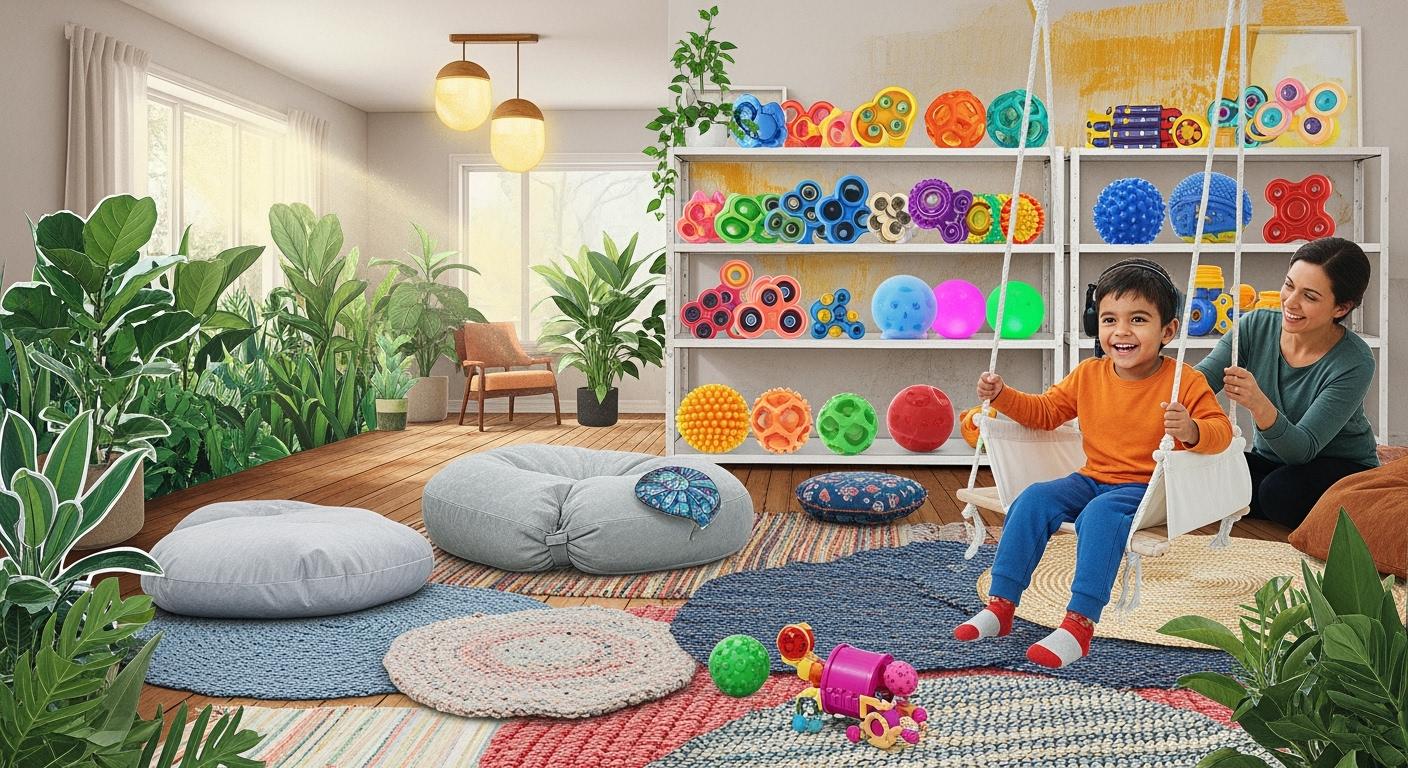
You can make a sensory house at home that feels safe and friendly for your child. A sensory house uses special rooms, colors, and tools to help children who need extra support with sights, sounds, and textures. This type of home can really help with daily life. Studies show that a sensory house can lower stress, make kids feel better, and help them pay attention. Here is how each part can help:
Feature | Benefit |
|---|---|
Makes the room calm and helps lower stress. | |
Quiet Zones | Gives people a place to get away from too much noise. |
Tactile Stimuli | Helps kids feel better by using different textures. |
Adjustable Elements | Lets kids change things to feel more comfortable. |
You do not need a lot of money or a big house. Even small changes can make your home a sensory house that helps your family do well.
Key Takeaways
A sensory house helps kids with special needs feel safe. It also helps them feel comfortable. Use calming colors in the rooms. Use soft lighting to make it gentle. Make quiet zones to help create a friendly place.
Let your child help with the process. Allow them to pick sensory tools they like. Let them choose activities they enjoy. This helps them feel confident. It also makes the space feel special to them.
Check and update your sensory house often. As your child's needs change, change the space too. Add new tools and move things around. This keeps the space helpful for your child.
Make a quiet area for breaks. This spot should be cozy and calm. It lets your child relax when they feel overwhelmed.
Small changes can help a lot. You do not need much money or space. Simple things like pillows and soft lights can make it more comfortable.
Understanding the Sensory House
What Is a Sensory House?
A sensory house is not like a regular home. It is made to help neurodiverse people feel safe and comfortable. You use different senses to make the space friendly. Here are some important things you can add:
Take away dangers and use locks to keep kids safe.
Put in sensory tools like weighted blankets and things to touch.
Pick calm colors like soft blue, green, or beige.
Use materials that absorb sound and play relaxing noises.
Show peaceful pictures or videos for visual comfort.
Make clear rules for using rooms and watching kids.
Keep everything clean and make sure tools work well.
Learn ways to help neurodiverse people and handle sensory overload.
A sensory house lets you build a place that fits special sensory needs.
Why a Sensory House Matters
Most homes do not think about sensory needs. Sensory-friendly rooms help stop too much noise or light. They help people relax and focus better. You can change lights, textures, and sounds to make the space nice. These rooms often have quiet spots away from busy areas. You put calming tools there so kids can handle their senses.
Tip: Make a quiet spot with soft lights and sensory items. This helps anyone who needs a break.
Benefits for Children with Sensory Needs
A sensory house has many good effects. Studies show kids pay more attention and repeat actions less when they control their senses. Sensory houses lower meltdowns and worry. They give safe places to calm down and get ready for things. You help kids focus, join in, and play without stress. Over time, kids learn to handle sensory input better.
Research shows sensory processing disorders can change feelings and actions. Early help in a sensory house can make emotions and behavior better. You help neurodiverse people feel confident and safe every day.
Assessing Sensory Needs
Observing Your Child’s Sensory Responses
Start by watching how your child reacts at home. Notice what makes them happy or upset. Try easy things like letting them play with rice or beans. Make a calm spot with soft lights, weighted blankets, or fidget toys. These small changes help you learn what your child likes.
Look for signs your child feels good or bad during activities.
Try deep pressure, like gentle hugs or using weighted items.
Keep routines the same to help your child feel safe.
Tip: Write down what you notice. A notebook helps you remember which sensory tools or activities your child likes best.
Consulting Professionals
Sometimes, you need help to understand your child’s sensory needs. Many professionals can help you:
Professional | Role in Assessment |
|---|---|
Infant Psychiatrist | Checks social and emotional growth, and other issues. |
Occupational Therapist | Looks at sensory, motor, and social skills. |
Speech-Language Pathologist | Checks how your child talks and understands words. |
Developmental Psychologist | Measures thinking skills and how they connect to talking. |
These experts use tools like the Sensory Profile or the Infant/Toddler Symptom Checklist. They may ask you to fill out forms. This gives them a full picture of your child’s sensory needs. Your notes and daily records help them see what causes problems.
Involving Your Child
Let your child help with this process. Ask them what feels nice or what bothers them. Show them different sensory items and let them choose favorites. When you listen to them, you help them speak up for themselves.
Kids who share their feelings feel more sure of themselves.
You can make your sensory house fit what they really need.
Working together builds trust and comfort at home.
Note: Every child is different. Their ideas make your sensory house special.
Creating a Sensory-Friendly Space
Choosing the Right Area
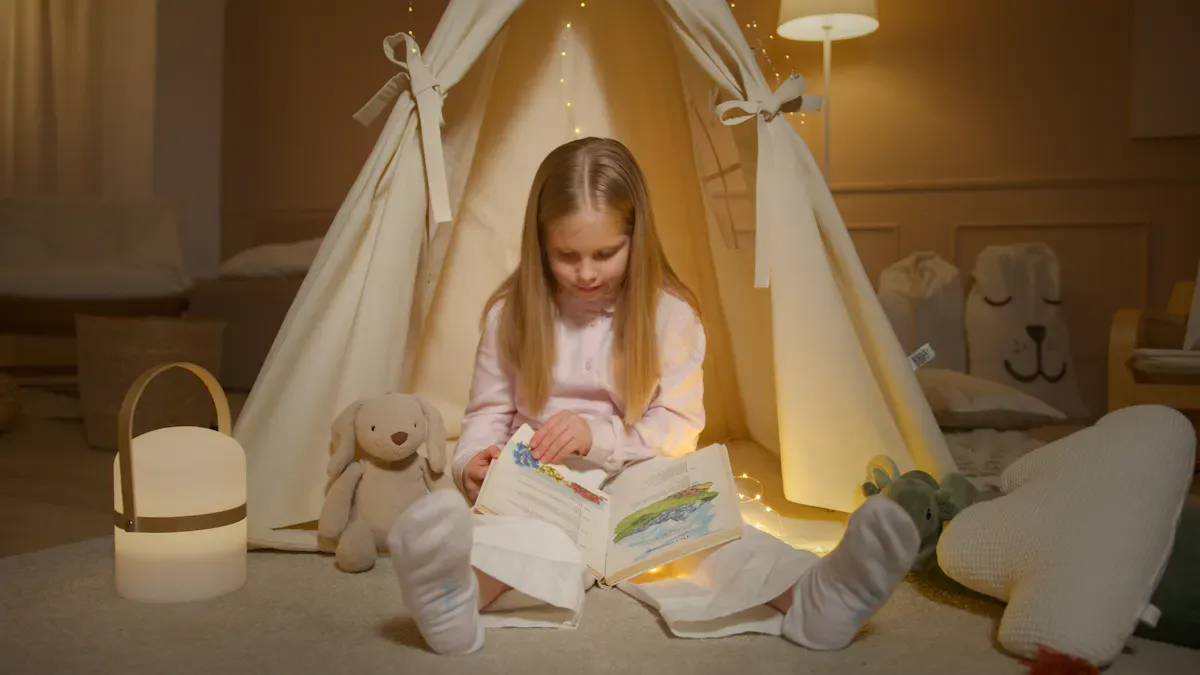
You want your sensory-friendly space to feel calm and safe. Start by picking a quiet spot in your house. Try to find a place away from loud sounds or busy halls. You can use a bedroom corner, a closet, or a small tent. If you do not have much room, get creative. A cozy nook with pillows or a pop-up tent can help a lot.
Here’s a simple checklist to help you pick the best spot:
Choose a quiet area. Make sure it has no dangers or distractions.
Pick calming colors for walls or decorations.
Use soft lighting, like small lamps or fairy lights.
Tip: If you do not have an extra room, use a corner or closet. Add soft rugs and cushions to make it cozy.
Calming Colors and Lighting
Colors and lighting can change how you feel in a sensory-friendly space. Soft colors like blue, green, or beige help make the room calm. Stay away from dark colors because they can make people feel nervous. Natural daylight is best, but you can use LED lights if you need to. Many people like LED lights more than fluorescent ones because they are softer.
Here’s a quick look at what works well:
Evidence Type | Description |
|---|---|
Color Preferences | Pastel and light colors help people feel calm. Dark colors can make people upset. |
Calming Colors | Blue helps people feel calm and creative. |
Adjustable Lighting | Dimmable lights help control feelings and stop discomfort. |
Natural Light | Sunlight makes people feel better. Curtains can spread out sunlight and stop glare. |
LED Preference | LED lights are softer and feel better than fluorescent lights. |
You can use dimmable lamps or fairy lights to change the brightness. Try using curtains to spread out sunlight and stop glare. If your child likes certain colors, let them help pick paint or decorations. This makes the sensory-friendly space feel special and welcoming.
Note: Soft colors and adjustable lights help everyone relax and focus. You can change the lights for different activities.
Safe and Comfortable Furnishings
Furniture in a sensory-friendly space should feel soft and safe. You want things that help children with their sensory needs. Weighted blankets, bean bags, and rocking chairs give comfort and support. Swings or balance boards give movement, which can help kids feel calm.
Here are some good choices:
Bean bags, rocking chairs, and seats you can move for comfort.
Textured cushions, rugs, and wall panels for touching.
Sensory swings, balance boards, and spinning chairs for movement and balance.
Make sure swings are mounted safely and furniture does not tip over.
Use strong, safe, and easy-to-clean materials for safety.
Let your child help pick out furniture. This makes the space feel special and fits their needs. You can add fidget toys or textured pillows for extra sensory help. These items help lower stress, help kids focus, and help them relax.
Tip: Always check that furniture is safe and fits your child’s size. Clean things often to keep the space healthy.
You do not need to buy expensive things. Simple changes, like a soft rug or a weighted blanket, can help a lot. Your sensory-friendly space will help your child feel good and confident every day.
Sensory Room Tools and Activities
Sensory Tools (Squish Balls, Fidget Spinners, Putty)
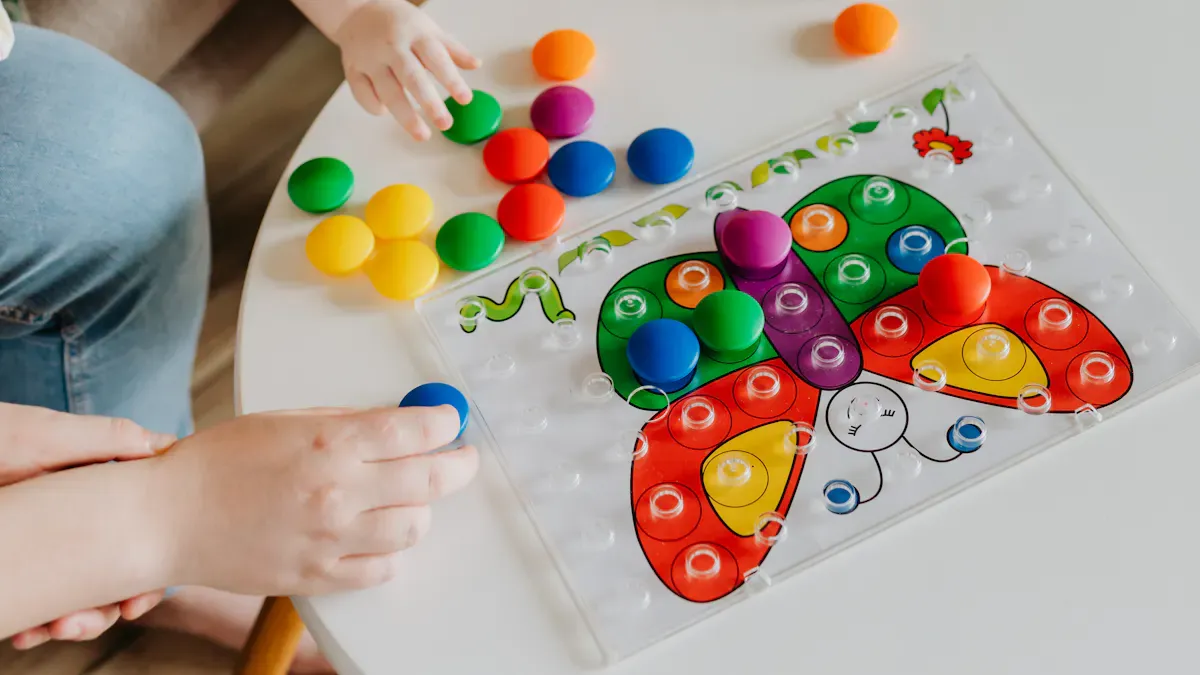
When you build a sensory room, you want tools that help your child feel calm or focus. Some tools are good for active play, while others help your child relax. Here are some tools you can use in your sensory room:
Purpose | |
|---|---|
Visual Calm-Down Corner | Helps your child control emotions when they feel overwhelmed. |
DIY Stress Balls | Gives deep pressure to lower anxiety and help your child feel better. |
Sensory Bins | Lets your child touch different textures and improves small hand movements. |
Weighted Lap Pads | Offers deep pressure to help your child stay calm and pay attention. |
Noise-Canceling Headphones | Lowers noise and helps kids who are sensitive to sound. |
Fidget Sensory Bottles | Gives a calming visual experience for your child. |
You can add squish balls, fidget spinners, and putty to your sensory room. These tools let your child squeeze, spin, or stretch things. They help your child focus and feel less stressed during sensory room time.
Tip: Let your child pick their favorite sensory tools. This helps them feel comfortable and in control.
Tactile and Visual Activities
Tactile and visual activities are important for your sensory room. You can make sensory bins with rice, beans, or sand for your child to touch and explore. Try arts and crafts, baking, or gardening in your sensory room. These activities help your child learn about touch and build small hand skills.
For visual fun, use memory games, string beads, or play flashlight games. Shadow puppets and colorful charts make the sensory room more interesting. These activities help your child pay attention and enjoy their sensory room time.
Play with soap, sand, or textured items in your sensory room.
Use light games or matching cards for visual fun.
Note: Mixing tactile and visual activities helps your child focus and build social skills.
Quiet Spaces and Calming Areas
Every sensory room needs a quiet spot for calming down. You can make a cozy corner with a soft rug or cushion. Add plants or a small swing to make the room feel safe and peaceful. Some kids like an art easel or a sensory table for solo play.
Here are some ideas for your sensory room:
Put a comfy seat or bean bag in a quiet area.
Add a sensory table or buckets with different materials for calming play.
Use gentle lighting and keep the room away from loud places.
A quiet space gives your child a place to take breaks and reset. This helps them feel safe and ready for more sensory room activities.
Tip: Make sure your quiet area is always open for your child to use when they need a break.
Maintaining Your Sensory House
Updating as Needs Change
Your child’s needs will change as they grow. You can keep your sensory house helpful by checking in often and making small updates. Maybe your child starts to like new textures or needs more quiet time. You can swap out old tools for new ones or move furniture to make the space work better. Here’s a quick table with strategies you can use:
Strategy | Description |
|---|---|
Assess Your Child’s Needs | Change the space to fit their sensory likes and dislikes. |
Incorporate Variety | Mix up sensory tools, textures, and calming items. |
Maintain Flexibility | Stay ready to adjust as your child’s needs change. |
Create a Safe Space | Keep the room safe and free from hazards. |
Tip: Try to reflect on what works and what doesn’t every few months. This helps you keep the space safe and fun.
Encouraging Flexibility
You might notice your child’s interests or sensitivities shift over time. Stay open to changing routines, materials, or even the room layout. Here are some ways to keep things flexible:
Update routines or tools to match your child’s growth.
Think about new activities or calming items.
Check if the space still feels safe and welcoming.
Flexibility lets you meet your child where they are right now, not just where they used to be. Regular reflection helps you spot what needs to change.
Family Involvement
Everyone in your family plays a part in making your sensory house work. When you all join in, you help your child feel supported and understood. Parents who notice signs of overload, use sensory tools, and join in calming routines make a big difference. You can practice therapy exercises together and use calming spaces as a family. This teamwork helps your child feel safe and builds strong emotional skills.
Some challenges may pop up, like too much clutter, loud noises, or tricky textures. These can make daily life harder for everyone. You might also see your child struggle with moving between rooms or needing more movement breaks. When you work together, you can spot these problems and find solutions that help your whole family.
You can build a sensory house one step at a time. Begin with easy changes like soft lights, comfy corners, and simple sensory tools. Many families use do-it-yourself ideas or reuse things to save money. Here’s a quick chart of the benefits:
Sensory Activity | Benefits |
|---|---|
Short, repeated sessions | Less stress and better mood |
Personal sensory spaces | More focus and calm |
You can change the space as your child gets older. Every small thing you do helps your child feel safe, happy, and understood. You can do it! 🌟
FAQ
How can I make a sensory house if I have limited space?
You can use a corner, closet, or even a small tent. Add soft rugs, pillows, and sensory tools. Small changes help your child feel comfortable and safe.
What is the difference between a sensory house and a sensory gym?
A sensory house supports your child’s needs at home. A sensory gym offers bigger equipment and activities for movement and play. Both help your child manage sensory input.
How often should I update my sensory-friendly space?
Check your child’s needs every few months. Swap out tools or rearrange furniture when you notice changes. Stay flexible and keep the space safe.
Can I use everyday items as sensory tools?
Yes! You can use rice, beans, pillows, blankets, and water bottles. Many household items work well for sensory play and calming activities.
How do I know which sensory tools my child likes?
Watch your child during play. Ask them about their favorites. Let them try different tools and activities. Keep notes to remember what works best.
See Also
Essential Steps for Creating a Sensory Room at Home
Constructing a Sensory Gym for Kids on the Autism Spectrum
Detailed Instructions for Designing an ASD Sensory Space
Recommended Sensory Room Concepts for Kids with Special Needs
