How to Pick the Best STEM Toy for Your Child
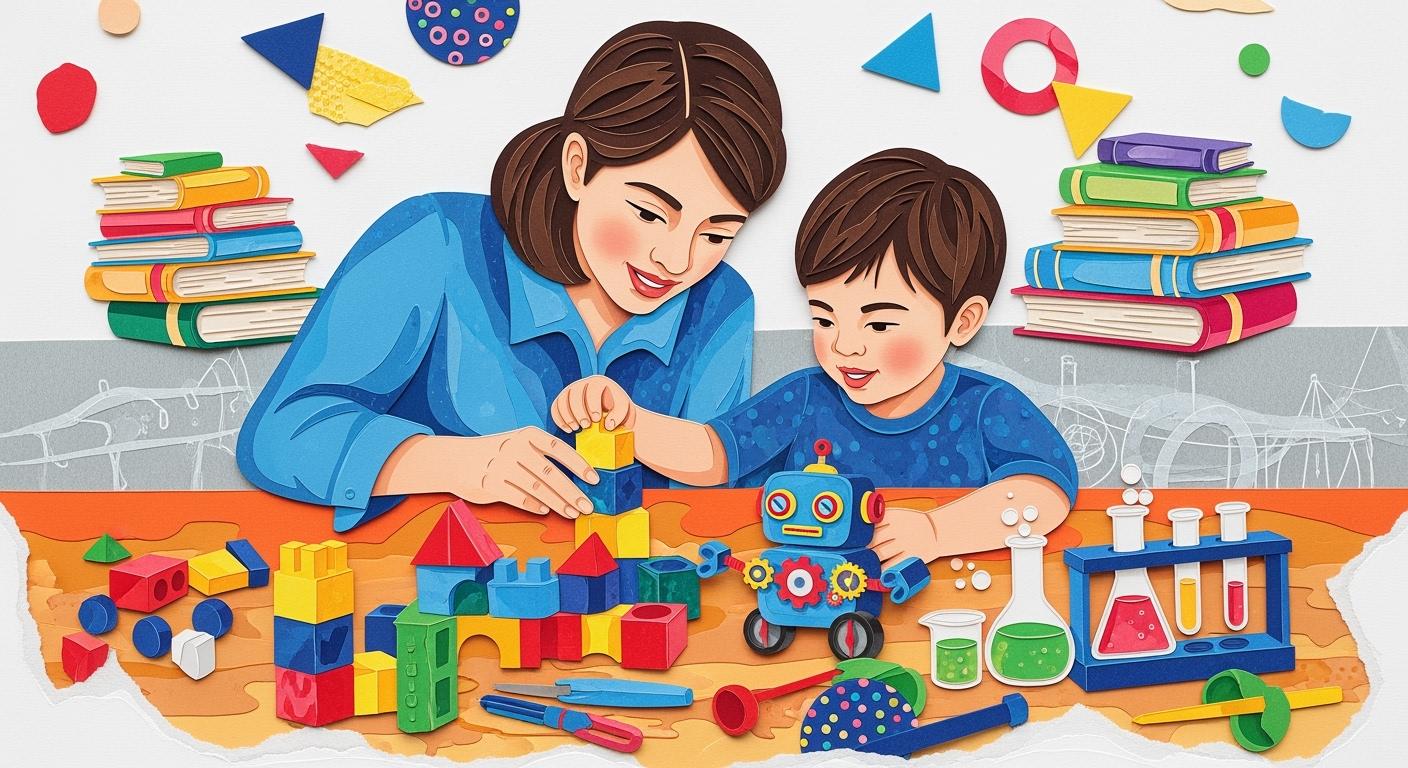
Choosing stem toys for kids can be challenging. You want a toy that fits your child’s age, sparks curiosity, and supports their growth. Every child is unique, so select stem toys for kids that match their personality and interests. Some kids love mixing chemicals with a Chemical Experiment Kit (chemistry), while others enjoy building numbers using Base Ten (math). Some are fascinated by connecting Electronic Circuits Block (physics), and others like exploring the Human Body Anatomy Model (biology). The best stem toys for kids encourage hands-on play and are durable enough for many adventures. Recent studies show that carefully choosing stem toys for kids benefits children in several ways:
Benefit | Description |
|---|---|
Scientific concepts | Kids learn more about science ideas, especially with toys like the Chemical Experiment Kit (chemistry) and Human Body Anatomy Model (biology). |
Mathematical reasoning | Playing with Base Ten (math) helps kids improve their math skills and problem-solving abilities. |
Spatial skills | Toys such as Electronic Circuits Block (physics) and Base Ten (math) help kids understand space and shapes. |
Problem-solving | Experimenting with stem toys for kids makes them think harder and develop problem-solving skills. |
Creativity | Open-ended play with stem toys for kids encourages creativity. |
Collaboration | Kids learn to share and work together when using stem toys for kids like the Chemical Experiment Kit (chemistry) or Electronic Circuits Block (physics). |
Inquiry-based learning | Exploring stem toys for kids helps children understand STEM subjects better. |
Tip: Don’t stress about labels or price. Choose stem toys for kids that your child enjoys and are safe.
Key Takeaways
Pick STEM toys that fit your child's age and likes. This can make them curious and help them grow. Look for toys that let kids use their hands to learn. These toys help kids remember ideas and feel more sure of themselves. Choose toys that get harder as your child plays. This keeps them interested and helps them solve problems better over time. Make sure the toys are safe and made well. Check for safety labels and safe materials to protect your child. Let your child play in ways that have no set rules. This helps them be creative and work well with others.
What Are STEM Toys?

Defining STEM
You may hear the word stem often now. It means Science, Technology, Engineering, and Math. Picking a stem toy helps your child learn these subjects in a fun way. These toys are more than just play. They help kids ask questions and try new things. Kids also learn to solve problems.
Some toys only look interesting but do not teach much. Others are too easy or too hard for your child. The best stem toys are not too simple or too difficult. They challenge your child and let them try new things. Here is what makes a stem toy great:
Characteristic | Description |
|---|---|
Too simple | Toys that help kids practice skills but can get boring fast. |
Too advanced | Toys needing lots of adult help may upset kids and stop them from trying again. |
Just right | Toys need some adult help at first but let kids play alone later. |
Experimentation | Toys let kids do many projects and be creative, not just one thing. |
Gender-neutral | Toys should be fun for everyone, so all kids can learn stem. |
Functionality | Toys should really work for science, not just look cool. |
Tip: Pick stem toys that let your child build and discover by themselves. These toys help them feel confident and curious.
Why STEM Toys Matter
You may wonder how stem toys are different from other toys. The difference is in what your child learns and how they play. Regular toys are mostly for fun. Stem toys teach real skills and ideas. They make learning exciting.
Look at this comparison:
Feature | Traditional Toys | STEM Toys |
|---|---|---|
Learning Outcome | Basic play | Learning real concepts |
Engagement | Short-term | Long-lasting and skill-based |
Skills Developed | Creativity, social play | Logic, new ideas, problem-solving |
Parent Involvement | Not much | Parents help and guide |
Future Relevance | Just for fun | Helps build skills for jobs |
Stem toys make your child think and build things. They do not just sit and watch. Kids get involved and active. This kind of play helps them learn important skills for school and life. When you pick a stem toy, you help your child learn, grow, and have fun all at once.
Benefits of STEM Toys for Kids
Hands-On Learning
You want your child to learn by doing, not just by watching. That’s where hands-on learning comes in. When your child builds, experiments, or explores, they use their senses and their mind together. This type of play helps them remember what they learn. It also makes learning more fun and exciting.
With stem, your child gets to touch, move, and create. They might stack blocks, mix colors, or connect circuits. These activities help them understand how things work in the real world. Hands-on learning also builds confidence. Your child sees what they can do with their own two hands.
Here’s why hands-on learning matters:
It helps your child practice curiosity and manage uncertainty.
It gives your child a chance to solve problems on their own.
It makes learning stick because your child uses more than one sense.
Tip: Let your child try new things, even if they make mistakes. That’s how real learning happens.
Creativity & Problem-Solving
Stem toys spark creativity. Your child can build a robot, design a bridge, or invent a new game. There are no limits. When your child plays with stem, they learn to think outside the box. They try different ideas and see what works.
Problem-solving is another big benefit. Your child faces challenges and figures out how to fix them. This skill helps in school and in life. Play is not just for fun. It helps your child develop critical thinking and resilience.
You might notice your child working with a LEGO set. They follow instructions, but they also create their own designs. This mix of free and guided play boosts their cognitive skills. Your child learns to plan, test, and improve.
Play helps your child become a better thinker.
It teaches your child to keep trying, even when things get tough.
It prepares your child for future challenges in stem fields.
Note: Encourage your child to ask questions and explore. Every mistake is a step toward learning.
Assess Age & Development
Choosing the right stem toy means thinking about your child’s age and where they are in their growth. Not every toy fits every child. Some toys work best for little hands, while others challenge older kids who want to build or invent. When you match toys to your child’s stage, you help them learn and have fun at the same time.
Age Recommendations
Manufacturers and experts often give age ranges for stem toys. These guides help you pick toys that are safe and just right for your child’s skills. You might see a toy marked for ages 3 and up, or another for ages 8 to 12. These labels matter because they match what most kids can do at each age.
Here are some common age recommendations for stem toys:
Many stem toys work for a wide range of ages, from 3 to 15 years old. You can find something for almost every child.
Popular stem playsets often target kids aged 6 to 10. These sets mix learning and fun, making them a hit at home and in classrooms.
Guides from child development experts show that different toys fit different stages. Younger children need simple toys they can hold and explore. Older kids enjoy kits that let them build, code, or experiment.
Tip: Always check the age label on the box. If your child is at the edge of an age range, think about their interests and skills before you buy.
Developmental Milestones
Every child grows at their own pace. You can use milestones to help you choose the best stem toy for your child. Milestones are skills most kids reach by a certain age. When you know what your child can do, you can pick toys that help them grow even more.
Look for these signs as you shop:
Physical progress: If your child loves running, kicking balls, or using their hands to twist and turn objects, building toys are a great match. These toys help with fine motor skills and hand-eye coordination.
Curiosity blooms when your child sorts shapes, matches colors, or presses buttons on a busy board. These activities lay the groundwork for problem-solving and early science thinking.
Language leaps: If your child starts using two-word phrases or points to objects, storybooks and interactive toys can boost their language skills.
Social smiles: When your child imitates actions or shows empathy, pretend play sets like play kitchens or tool kits help them practice social skills.
Note: You know your child best. Watch how they play and what makes them excited. Use these clues to guide your stem toy choices.
Matching toys to your child’s age and milestones supports healthy child development. You give your child the chance to learn new things, build confidence, and have fun every day.
Match STEM Toys to Interests
Identifying Interests
You know your child best. You see what makes them excited and what grabs their attention. When you pick a good stem toy, you want it to match your child’s interests. Some kids love building things. Others enjoy exploring nature or solving puzzles. You can spot these interests by watching how your child plays and what they talk about.
Here are some ways to identify your child’s interests:
Notice which activities your child chooses during free time. Do they reach for blocks, art supplies, or science kits?
Listen to their questions. Kids who ask about how things work may enjoy engineering or technology toys.
Pay attention to favorite books or TV shows. If your child likes stories about space or animals, science toys might be a hit.
Ask your child what they want to learn. Sometimes, kids surprise you with new interests.
Tip: Keep a small notebook. Write down what your child enjoys each week. Patterns will appear and help you choose the right stem toys.
You can use a simple table to match interests with types of stem toys:
Interest | Example STEM Toy |
|---|---|
Building | Construction sets, robotics kits |
Nature & Science | Microscope, gardening kits |
Math & Logic | Puzzle games, math manipulatives |
Art & Design | Coding robots, creative circuits |
When you match toys to interests, you support child development. Your child feels seen and valued. They get excited to learn and explore.
Learning Styles
Every child learns in their own way. Some kids like to see things. Others prefer to touch or hear. You can boost learning by picking stem toys that fit your child’s style. There are three main learning styles: visual, auditory, and kinesthetic.
Let’s break them down:
Visual learners love pictures, diagrams, and colors. They enjoy stem toys with bright parts and clear instructions.
Auditory learners like sounds and music. They may enjoy toys that talk, play tunes, or let them record their voice.
Kinesthetic learners want to move and touch. They thrive with hands-on kits, building sets, and experiments.
You can use this list to spot your child’s style:
Visual: Does your child draw, watch videos, or organize things by color?
Auditory: Do they sing, repeat stories, or ask you to explain things out loud?
Kinesthetic: Are they always moving, building, or touching everything?
Note: Most kids use more than one style. Try mixing different stem toys to see what works best.
When you match stem toys to your child’s learning style, you make learning easier and more fun. You help your child build confidence and skills. You also support child development by letting your child learn in the way that feels natural.
Choosing stem toys that fit your child’s interests and learning style sets them up for success. You give them tools to explore, create, and grow.
Encourage Exploration & Teamwork
Open-Ended Play
You want your child to feel free to explore and create. Open-ended play lets your child use their imagination and try new ideas. When you give your child a good stem toy, you open the door to endless possibilities. Your child can build, mix, or invent without strict rules. This kind of play helps your child become a flexible thinker.
Open-ended materials boost creativity and problem-solving skills. These skills are important for learning in stem.
Kids who play with open-ended toys get to explore their interests and express themselves. This leads to innovation and helps them think in new ways.
Playful learning improves outcomes in stem, literacy, and social skills.
You might notice your child stacking blocks in a new way or mixing colors to see what happens. Every experiment teaches your child something new. Open-ended play encourages your child to ask questions and find answers on their own.
Tip: Let your child lead the play. Watch how they use stem toys in ways you never expected.
Collaboration Skills
Teamwork matters in life and learning. When your child plays with stem toys, they often work with others to solve problems or build something together. You see your child testing ideas, tweaking their designs, and sharing their results. This process builds communication skills and helps your child learn how to work toward a common goal.
Construction toys are great for teamwork. Your child talks about their ideas, negotiates roles, and solves conflicts. These moments teach your child how to listen and explain their thinking. When kids build together, they share and discuss their creations. This boosts language development and critical thinking.
You can encourage collaboration by inviting friends or siblings to join in. Watch your child learn to cooperate, share, and celebrate success as a team. These skills help your child in school and later in life.
Note: Teamwork makes learning more fun. Your child learns from others and grows in confidence.
Look for Progressive Challenge
Levels of Difficulty
When you pick a good stem toy, you want it to offer different levels of challenge. Kids feel proud when they master something new. If a toy is too easy, your child might lose interest fast. If it’s too hard, frustration can take over. The best toys grow with your child and keep them engaged.
You can spot toys with progressive difficulty by looking for sets that let your child start simple and then try harder tasks. Many kits include beginner, intermediate, and advanced projects. This way, your child builds confidence step by step. Success with educational materials makes kids feel good about themselves. That confidence pushes them to try new things and tackle bigger challenges.
Here’s what happens when you choose toys with progressive challenge:
Kids feel proud when they solve problems on their own.
Confidence grows, making your child eager to learn more.
Your child stays interested and keeps coming back to play.
Building Skills Over Time
You want your child to build skills that last. Toys that offer progressive challenge help your child develop abilities over time. As your child moves from simple to complex tasks, they learn to think critically and solve problems. Studies show that integrating stem learning with computational thinking boosts problem-solving skills. Middle school students who use these toys gain a deeper understanding across subjects.
Let’s look at how progressive challenge supports learning:
Kids improve problem-solving skills with each new task.
They understand more about science, math, and technology as they play.
Academic performance gets a boost compared to traditional methods.
A good stem toy encourages your child to keep exploring and learning. You give your child the tools to grow, adapt, and succeed. When you choose toys that challenge your child, you help them build skills for school and life.
Tip: Look for toys that offer new projects or levels as your child grows. This keeps play fresh and exciting.
Safety, Quality & Durability in STEM Toys
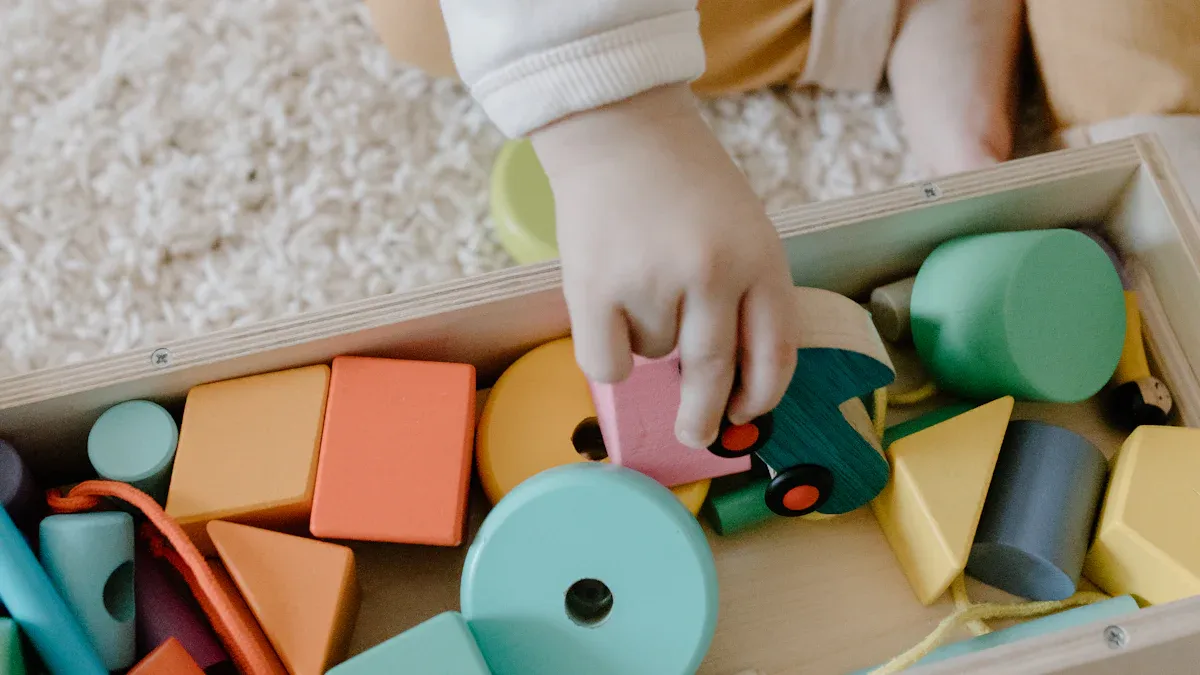
You want your child to be safe and have fun for a long time. Picking a good stem toy means you need to check for safety, quality, and how strong it is. Here’s what you should look for.
Safety Standards
Safety is the most important thing. You should always look for special marks before you buy any toy. These marks show the toy follows strict rules and keeps your child safe. Here are some common safety marks in the United States:
Certification | Description |
|---|---|
ASTM F963 | Checks for things like choking hazards, sharp edges, germs, and dangerous chemicals. |
CPSIA | Makes sure toys do not have lead or phthalates. |
Federal Hazardous Substances Act | Makes sure toys do not have dangerous substances. |
47 CFR Telecommunication (FCC) | Controls how toys with communication parts work. |
You can find these marks on the box or in the toy’s description. If you see them, you know the toy passed important tests. This is extra important for little kids who might put toys in their mouths.
Tip: Always look for safety marks. They help keep your child safe from hidden dangers.
Non-Toxic Materials
What toys are made of is important. You want toys made from safe, non-toxic materials. This keeps your child healthy and lets them play without worry. Look for these materials when you shop for stem toys:
Birch Plywood
Solid Wood
ABS Plastic
PP or PE
Encased Magnetic Components
Water-Based Non-Toxic Paint
Electronic Components
Food-Grade Silicone
These materials are strong and safe. They do not break easily or let out bad chemicals. You can trust toys made from these things.
Quality and strength matter too. Pick toys made from tough materials like wood or good plastic. Brands that give warranties usually care about their toys. Toys that last a long time mean your child can play and learn without needing new ones.
Choose toys that are built well.
Pick brands that are known for good quality.
Think about getting toys with warranties for extra safety.
When you focus on these things, you help your child stay safe and enjoy their stem toys for many years.
Trusted Sources & Reviews
Expert Recommendations
You want to make a good choice for your child. Expert reviews help you feel sure about your pick. Trusted sources test toys and share honest opinions. You can find expert lists online that show the best toys for learning and fun.
CNET is a trusted source for STEM toy advice. They make lists and share tips based on expert checks.
Teachers also share which toys work well at school and at home. They look for toys that help kids learn and grow. Here is what teachers check when they review toys:
Criteria | Description |
|---|---|
Hands-on learning | Toys let kids touch and use materials to learn better. |
Engagement | Toys grab kids’ attention and make them want to join in. |
Alignment with educational standards | Toys meet learning goals and standards like NGSS for good learning. |
Development of critical skills | Toys help kids solve problems, think about space, and be flexible. |
Support for social-emotional learning | Toys teach kids to keep trying and bounce back when things go wrong. |
You can trust reviews from teachers and experts. They care about what helps your child grow.
Tip: Always check reviews from experts and teachers before you buy. You get real advice and save money.
Where to Buy
You want to shop at stores that sell good toys and give great service. Many parents pick well-known shops and websites. These sellers have toys that are safe and show clear age labels.
Here are some trusted places to buy stem toys:
Specialty toy stores near you
Big stores like Target or Walmart
Online shops like Amazon, Fat Brain Toys, and Learning Resources
Stores that sell classroom supplies
You can also visit science museums or children’s museums. They often sell cool toys that make kids curious. When you shop at trusted stores, you get safe and strong toys.
Note: Pick stores with easy returns and friendly staff. This makes shopping simple and worry-free.
Gender Neutrality & Inclusivity
Avoiding Stereotypes
You want your child to feel free to explore any interest. Some toys still use colors or themes that suggest certain activities are only for boys or girls. This can limit what your child tries. When you pick a stem toy, look for options that do not push these old ideas. Choose toys with a mix of colors, themes, and characters. Let your child know it is okay to love robots, science kits, or building sets, no matter who they are.
Here are a few ways to avoid stereotypes when shopping for toys:
Pick toys that show both boys and girls having fun with science or math.
Look for packaging that uses a variety of colors, not just pink or blue.
Encourage your child to try new things, even if the toy aisle suggests otherwise.
Tip: Ask your child what they want to play with. Their answer might surprise you!
Inclusive Play
Inclusive play helps every child feel welcome. When you choose stem toys that celebrate different cultures, backgrounds, and abilities, you help your child grow in many ways. Kids who play in diverse groups learn to communicate and cooperate better. They also become more curious and open-minded.
Inclusive play practices boost social skills and curiosity.
Playing with children from different backgrounds helps your child develop empathy and understanding.
Multicultural playgroups teach important skills like communication and teamwork, which matter in today’s world.
You can support inclusive play by inviting friends from different backgrounds to join in. Try toys that feature a range of characters or stories from around the world. This helps your child see that everyone can enjoy learning and discovery.
Note: When you make playtime inclusive, you help your child build friendships and learn about the world.
Tips for Maximizing STEM Toy Play
Parent Involvement
You are important when your child plays with stem toys. Playing together helps your child ask questions and try new things. You can make your home a place where learning is fun. This makes your child feel brave and excited to learn.
Try these ideas to help your child:
Pick toys that fit your child’s age and skills.
Think about what you want your child to learn. Guide play to build those skills.
Let your child play in their own way. Imagination is important.
Choose toys with different shapes, colors, and ways to play. These make your child curious and creative.
Use simple things like puzzles or science experiments to help your child learn more.
Talk to teachers. Do some school activities at home too.
Tip: Ask your child questions while you play. Try “What do you think will happen?” or “Why did that work?” These questions help your child think more.
Rotating Toys
You can make playtime more fun by switching out toys. When your child has fewer toys, they play longer with each one. This helps them focus and enjoy play more. Kids get creative when they do not have too many choices.
Here is what happens when you rotate toys:
Key Point | Evidence |
|---|---|
Diminished Concentration | Kids with fewer toys play longer with each one. They pay more attention. |
Enhanced Play Quality | Fewer toys make kids use them in new ways. They explore more. |
Renewed Interest in Toys | Toys kept away for a while seem new again. Kids get excited and want to play more. |
You can put some toys away and bring them back later. Your child will be happy to see them again. This keeps play interesting and helps your child find new ways to use toys.
Note: Rotating toys keeps your child curious and focused. It also makes stem play better.
You can make picking the best STEM toy easy by following these steps:
Assess your child’s age, interests, and skills.
Set your budget.
Identify learning goals.
Check reviews from educators and parents.
Look for safety certifications.
Review return policies.
Avoid red flags.
Smart toys combine fun and learning, supporting your child’s growth. Today’s parents value safety and inclusivity. Remember: “Children learn as they play. More importantly, in play, children learn how to learn.” Inspire curiosity every day!
FAQ
What if my child loses interest in a STEM toy?
Kids’ interests change fast. Try rotating toys or introducing new challenges. Sometimes, playing together or inviting friends can spark excitement again. If your child still isn’t interested, that’s okay! You can always try a different STEM toy later.
Are expensive STEM toys always better?
Not always! Many affordable STEM toys offer great learning and fun. Focus on quality, safety, and how well the toy matches your child’s interests. Sometimes, simple toys inspire the most creativity.
How do I know if a STEM toy is safe?
Look for safety certifications like ASTM or CPSIA on the packaging. Check for non-toxic materials and avoid toys with small parts for young kids. When in doubt, read reviews or ask store staff for help.
Can STEM toys help with schoolwork?
Yes! STEM toys build problem-solving, math, and science skills. These skills help your child in school and beyond. Many teachers use STEM toys in the classroom to make learning hands-on and fun.
What if my child prefers playing alone?
That’s perfectly fine. Many STEM toys work well for solo play. Your child can explore, build, and experiment at their own pace. If you want, you can join in or encourage group play sometimes, but solo play also supports learning.
See Also
Guidelines for Teachers to Choose Quality STEM Toys
Selecting Engaging STEM Toys That Spark Children's Interest
Understanding STEM Toys and Their Importance for Children
