How to Choose the Best Wall Activity Board for Your Classroom or Home
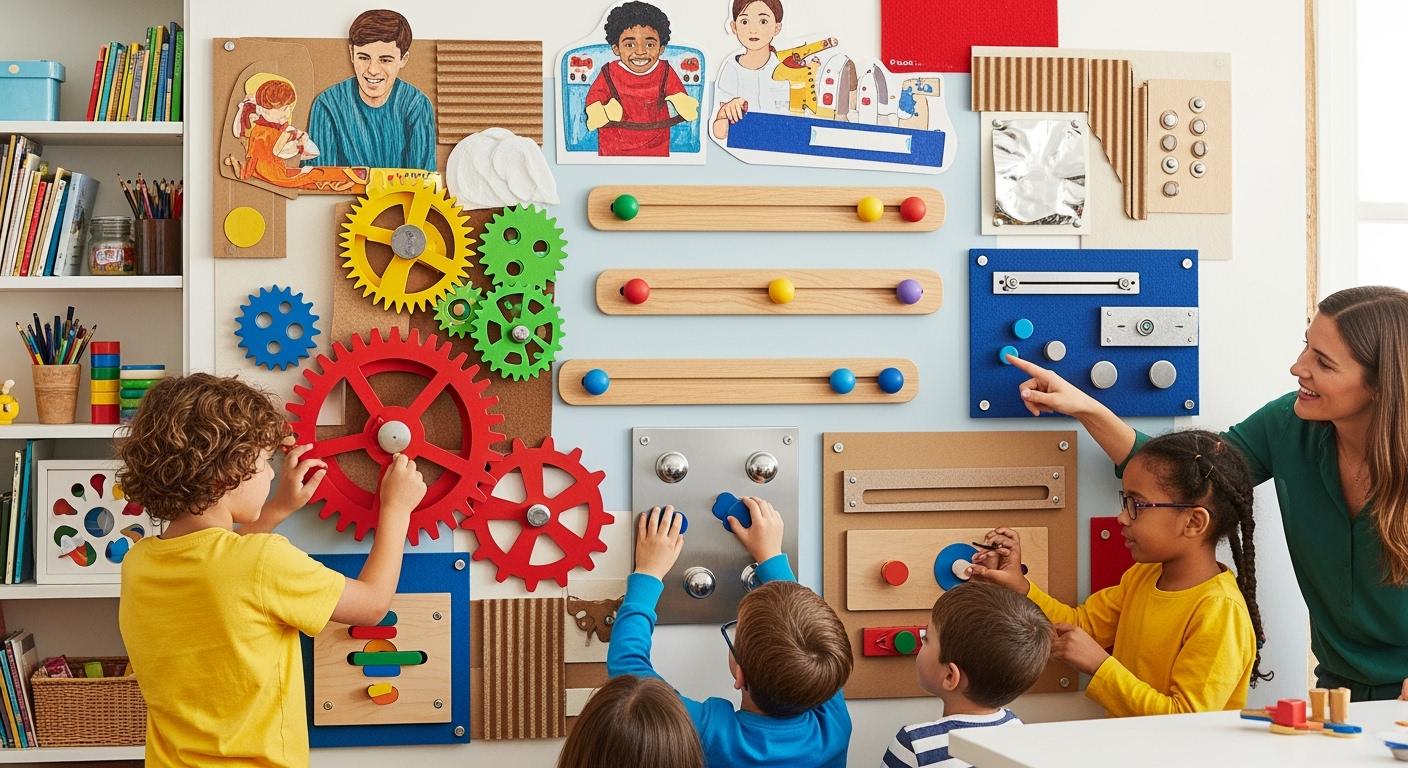
You want the best wall activity board for your space, right? Start by thinking about safety and durability. Look for strong materials and check for smooth edges. Think about what the kids need and what features will keep them interested. Ask children what they like, too. You can feel sure about your choice when you focus on these points.
Key Takeaways
Put safety first. Pick wall activity boards made from safe materials. Make sure the edges are rounded to stop injuries.
Choose a board that fits the age of the kids. Make sure it matches their skills. This helps them learn and have fun.
Let kids help pick the board. This makes sure the board has activities they like. It keeps them interested and excited.
Find boards made from strong materials. Make sure they are built well. This helps the board last longer and handle daily use.
Think about boards with modular designs. These boards are easy to update and change. Kids’ interests and needs can change over time.
Who Will Use the Wall Activity Board
Picking a wall activity board starts with knowing who will use it. You should match the board to the kids’ ages, skills, and how many will play. This helps everyone have fun and learn more.
Age and Developmental Needs
Kids need different things from a wall activity board as they grow. Younger kids like simple activities. Older kids want harder challenges. Here’s a quick guide to help you choose the right board:
Recommended Age Range | |
|---|---|
Montessori Busy Board with Lights | 18 months and up |
Joyreal Montessori Busy Board LED Sensory Toys | 18 months and up |
Children’s Busy Board with 10+ Activities | 18 months to 8 years |
Wooden Busy Board with LED Lights - Autism Toy | 18 months and up |
Sensory Wall Busy Board - Train-Shaped Learning | 18 months and up |
If you let kids help pick the board, you can see what they like. Ask them about their favorite colors, shapes, or activities. This makes them feel important and helps you find a board that fits their needs.
Abilities and Group Size
Kids have different skills and learn at their own speed. Some need easy tasks. Others want harder ones. Look at how activities can fit skill levels:
Age Range | Recommended Activities | Number of Elements |
|---|---|---|
Easy tasks like turning knobs and opening flaps | 5-9 | |
3-4 years | Harder tasks like lacing and locks | 10-14 |
4-5 years | Advanced activities with mini-mazes and interactive parts | 10+ |
Think about how many kids will use the board. If you have lots of kids, pick a board with many activities. This way, everyone gets a turn. Here are some ideas for matching activities to skills:
Infants like soft fabrics, big safe pieces, and bright colors.
Toddlers enjoy zippers, buttons, and puzzles for fine motor skills.
School-aged kids want tough puzzles, numbers, letters, and drawing pads for creative play and fine motor skill growth.
Tip: Boards that help fine motor skills make kids’ hands stronger and improve coordination. This helps them do daily tasks more easily.
When you match the wall activity board to age, skills, and group size, you make a fun and helpful space for all kids.
Wall Activity Board Features
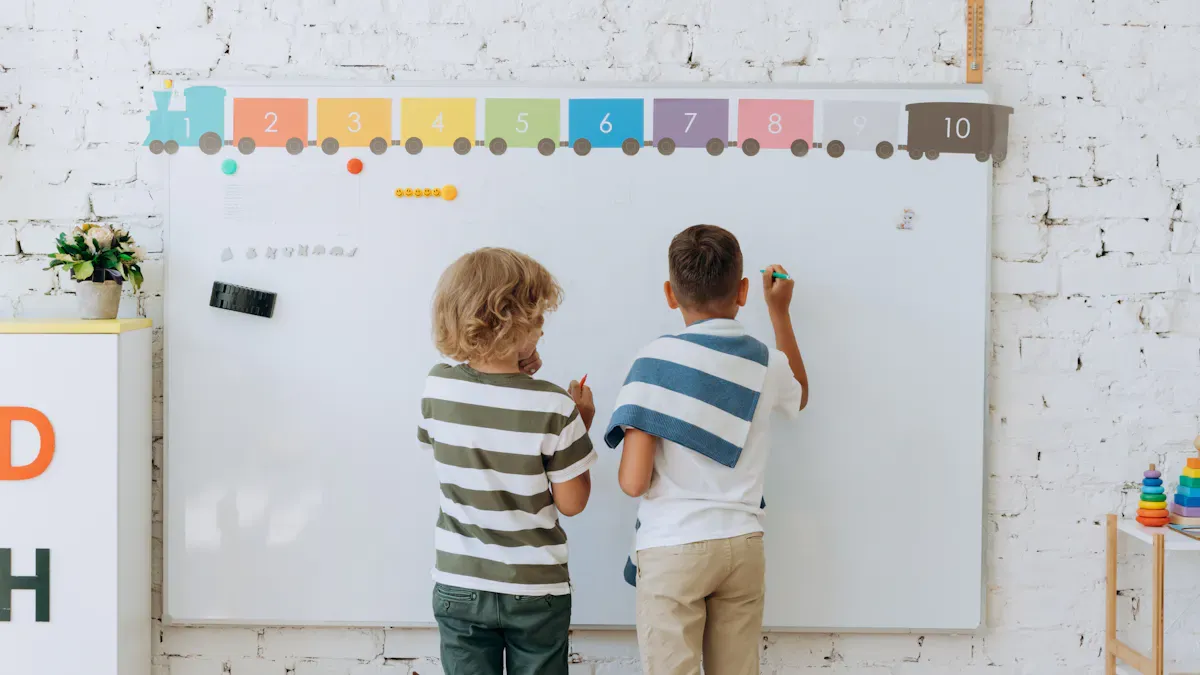
Durable Materials and Construction
You want your wall activity board to last a long time. Kids can be rough when they play. So, you need strong materials that can take daily use. Some materials are better for busy places like schools or therapy rooms. Check out this table to see which ones are the toughest:
Material Type | Durability Characteristics | Applications |
|---|---|---|
PSI Wall Systems | Made to look nice, last long, and install easily. Better than regular finishes. | Great for busy places like schools and hospitals. |
High-Pressure Laminate | Tough against hits and simple to clean. Has few cracks or seams. | Good for smooth, clean surfaces. |
Phenolic (Compact Laminate) | Strong, keeps out water and chemicals. | Best for places that need to stay clean. |
Food Grade Wall Panels | Smooth and keeps germs away. | Used in food and health care places. |
You might think about wood or plastic boards. Wood boards last five to ten years. You can fix them if they break. Plastic boards last only one to three years. They are harder to repair. If you want your sensory wall to last, pick wood or good laminate.
Sensory and Educational Elements
The best sensory wall panels do more than look cool. They help kids learn new things. Sensory wall panels use touch, sight, and sound to keep kids interested. If you add spinning wheels, bumpy spots, or music buttons, kids can play and learn at the same time.
Sensory wall panels help kids use their senses together. Kids can press buttons to make lights or sounds. These activities help kids solve problems and make choices. When you use different textures, colors, and sounds, you help kids think and learn on their own.
You also want kids to build fine motor skills. Turning knobs, sliding beads, or tracing shapes makes hands stronger. These skills help with writing and tying shoes.
Here are some things you often see in good sensory wall panels:
Parts you can change or move
Fun sensory games that are not too much
Calm, hands-on play for every child
If you want to help kids learn and grow, pick sensory wall panels with many textures, colors, and sounds. This keeps kids busy and helps them learn in many ways.
Tip: The best sensory wall panels let kids choose what to do. This helps them feel brave and safe.
Modular Wall Activity Board Design
Kids change fast. What they like today may change soon. That’s why a modular sensory wall is smart. You can switch out panels or add new games as kids grow.
A modular system gives you lots of choices. You can move parts or add new ones without buying a new board. This is great if you have kids of different ages. You can set up the board for little kids one day and for older kids the next.
Here’s how a modular sensory wall helps you:
You can change or grow the board as you need.
Main boards with many spots let you add new things.
The play area grows with the kids and stays fun.
If you want the best sensory wall panels for your space, pick modular designs. They make learning with your hands easy and fun for everyone.
Note: Modular sensory wall panels help all kids learn and use their senses. You get more ways to play and learn in one board.
Safety and Installation
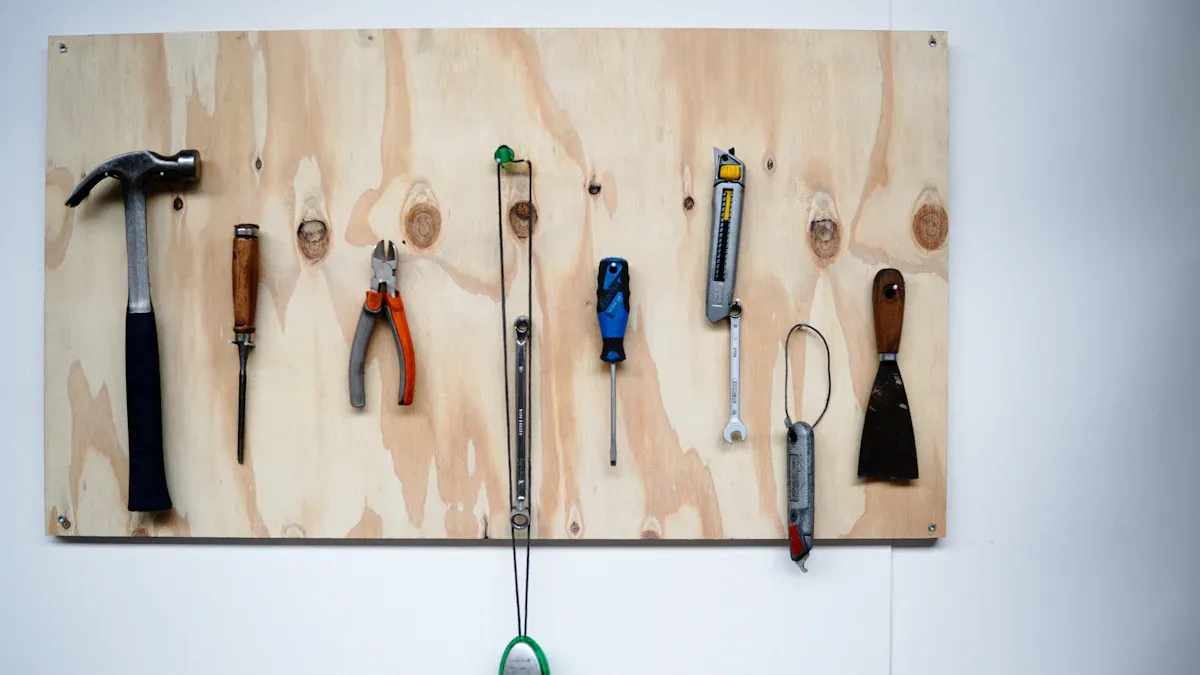
Safe Wall Activity Board Materials
You want kids to play and learn without worry. Always check the materials in your sensory wall panels. Look for boards made from non-toxic wood or BPA-free plastic. These materials keep kids safe if they touch or even taste the board. Many sensory wall panels use paints and finishes that do not have harmful chemicals. You can ask the seller for safety information if you are not sure.
Tip: If you see a strong smell or sticky surface, that is a warning sign. Pick sensory wall panels that feel smooth and smell clean.
Rounded Edges and Secure Parts
Kids move fast and sometimes bump into things. Rounded edges on sensory wall panels help prevent cuts and scrapes. You should run your hand along the edge to check for sharp spots. All small parts must stay attached. Loose pieces can become choking hazards. Good sensory wall panels use screws or strong glue to hold everything in place.
Here is a quick checklist for safety:
Rounded corners on every panel
No loose or wobbly parts
All screws covered or hidden
No sharp edges or splinters
Mounting and Certifications
You want your wall activity board to stay on the wall, even with lots of play. Use strong anchors or brackets for mounting. Follow the instructions from the maker. If you are not sure, ask for help from a handyman. Some sensory wall panels come with their own mounting kits.
Certifications show that sensory wall panels meet safety rules. Look for labels like ASTM, EN71, or CPSIA. These marks mean the panels passed safety tests. You can ask the seller for proof if you do not see a label.
Note: Safe installation and certified sensory wall panels give you peace of mind. Kids can play and explore without risk.
Inclusive Design
Accessibility Features
You want all kids to feel welcome and included. Sensory wall panels help you do this. These panels support kids with different needs. If you add easy-to-reach activities, big buttons, and clear pictures, everyone can play.
Here’s a table that shows how sensory wall panels help all kids:
Feature or Benefit | How It Helps Kids |
|---|---|
Controlled sensory input | Helps autistic kids have fewer meltdowns |
Empowerment through choice | Lets kids pick what they want to do |
Development of self-advocacy skills | Teaches kids to know and ask for what they need |
Support for sensory processing challenges | Helps kids use their strengths and work on challenges |
Reduction in repetitive behaviors | Helps kids focus and learn better |
Enhanced emotional regulation | Helps kids talk and get along with others |
Giving kids choices helps them feel in charge. They learn to choose what works for them. This makes them more confident and independent. Sensory wall panels can be changed to fit each child’s needs.
Universal Design Principles
Universal design means you plan for everyone from the start. You do not wait to add things later. Sensory wall panels with universal design work for all kids. You can use different heights, bright colors, and many textures. This way, every child can join in.
Interactive panels let kids use their hands, eyes, and ears.
Mobile stands and different heights help all kids reach.
Sensory wall panels let kids explore by themselves and learn to do things alone.
These panels help kids move from one activity to another and stay calm.
In special education, sensory wall panels help kids feel less worried and give them something good to do.
When you use universal design, every child feels safe and included. Sensory wall panels help all kids learn and play together.
Mistakes to Avoid & Quick Checklist
Ignoring Space and Placement
You might get excited about a new wall activity board, but forget to check your space. If you pick a board that is too big, it can block walkways or hang too high for kids. Always measure your wall first. Make sure there is enough room for kids to stand and move. Place the board at a height where everyone can reach and use it. This helps all kids work on their fine motor skills without trouble.
Overlooking User Needs
Every group of kids is different. If you skip thinking about what your kids need, the board might not help them grow. Some kids need more practice with fine motor skills, while others want new challenges. Ask kids what they like. Watch how they play. Choose activities that match their interests and help them build fine motor skills every day.
Skipping Safety Checks
Safety should always come first. Before you buy, check for these things:
Pick boards made from non-toxic hardwoods or high-quality plastics.
Make sure all parts are tight and there are no rough edges or loose threads.
Avoid small pieces that could be choking hazards; all parts should be big enough.
Look for strong construction with secure attachments and tough materials.
Check the board often for loose parts and do regular maintenance.
When you follow these steps, you help kids stay safe while they work on fine motor skills.
Wall Activity Board Selection Checklist
A checklist can save you time and help you avoid mistakes. It keeps you on track and makes sure you do not miss any steps. Here is how a checklist helps:
Benefit | Explanation |
|---|---|
Checklists help you do tasks right the first time and reduce errors. | |
Safer procedures and conditions | They remind you about safety steps, so you avoid injuries and mistakes. |
Better maintenance planning | Clear steps help you plan and finish tasks on time. |
Before you buy, use this quick checklist:
Did you measure your space?
Did you match the board to the kids’ ages and fine motor skills?
Did you check for safe materials and strong build?
Did you ask kids what they want?
Did you plan for easy cleaning and regular checks?
Tip: A good checklist helps you pick the best wall activity board and keeps kids learning and building fine motor skills every day.
You can pick the best wall activity board by following a few simple steps:
Focus on safety and strong materials.
Match the board to your kids’ ages and needs.
Involve children in the choice.
Look for features that include everyone.
Use the checklist to feel sure about your decision. You can create a safe, fun, and welcoming space where every child loves to learn and play!
FAQ
What age is best for a wall activity board?
You can use a wall activity board for kids as young as 18 months. Many boards work well for toddlers and children up to 8 years old. Always check the maker’s age guide before you buy.
How do I clean a wall activity board?
Wipe the board with a damp cloth. Use mild soap if you need to. Dry it with a towel. Avoid soaking the board or using harsh cleaners.
Tip: Clean the board every week to keep it safe and looking new.
Can I install a wall activity board by myself?
Yes, you can. Most boards come with instructions and mounting kits. If you feel unsure, ask a friend or a handyman for help. Always check that the board feels secure before kids play.
What features should I look for in a wall activity board?
Must-Have Feature | Why It Matters |
|---|---|
Safe materials | Keeps kids healthy |
Rounded edges | Prevents cuts and scrapes |
Fun activities | Keeps kids interested |
Easy to clean | Saves you time |
See Also
Discover The Ideal Sensory Wall For Your Child's Needs
Easy Guide To Choosing Safe Wall Padding For Sensory Areas
Tips For Selecting The Right Sensory Chair For Kids
Comparing Sensory Floor Mats To Find The Best Option
Innovative Ideas To Promote Learning Through Sensory Play Mats

