How to Choose the Best Sensory Swing for Your Child in 2026
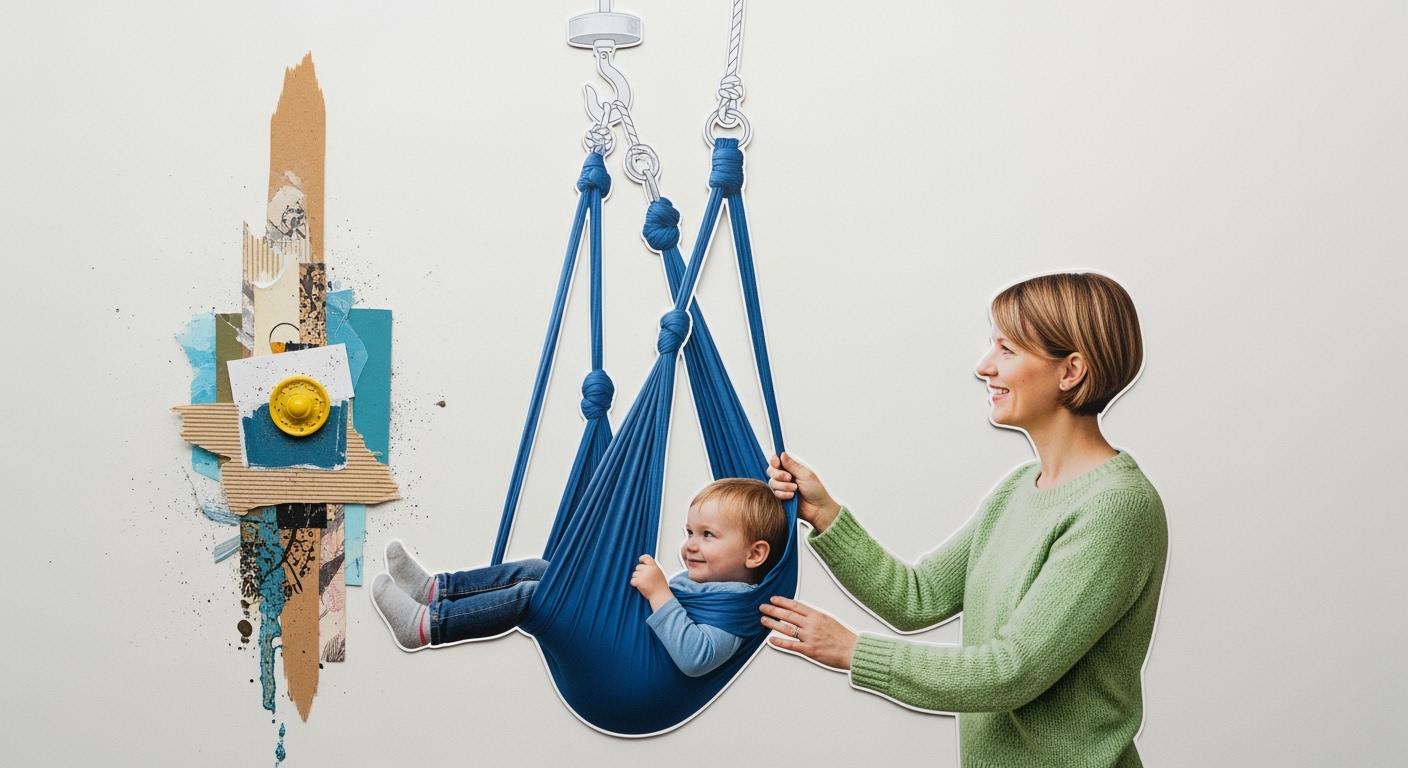
Choosing the best sensory swing begins with knowing your child’s needs. Many kids feel better with calming movement or deep pressure. This can help them focus and control their feelings. About 5–16% of school-aged kids have sensory processing challenges. These challenges are often connected to autism or ADHD. When you pick a swing, think about how your child likes to move. Check the weight limits and the fabric quality. Also, think about how easy it is to clean and keep safe. Safety matters, especially if you rent your home. Picking a swing means finding comfort, support, and easy setup for your house.
Key Takeaways
Know what your child needs before picking a swing. Think about how they like to move and what feels good to them.
Safety is very important. Always look at the weight limits. Make sure the swing is mounted safely.
Pick a swing that fits in your space. Doorway and portable swings work well in small rooms. They are also good for people who rent.
Swings do different things. Calming swings help kids relax. Movement swings help kids play and stay active.
Add swinging to your child's daily routine. Using a swing often can help your child focus. It can also help with sensory processing problems.
Sensory Swing Types & Needs
Picking the right sensory swing means knowing what your child likes. Some kids want a quiet place to relax. Others like gentle swinging or spinning. Let’s look at the main sensory swings and see which ones fit different needs.
Calming & Deep Pressure Swings
If your child needs a calm spot, try pod swings or compression swings. These swings wrap around the body and feel like a soft hug. Many kids with sensory processing challenges like deep pressure. Deep pressure can help kids sleep better and stay calm. Weighted blankets and massage also help kids with ADHD relax and sleep.
Here’s a quick look at calming and deep pressure swing options:
Swing Type | Main Feel | Motion Style | Sensory Shielding | Space Need | Best Fit | Age Tendency |
|---|---|---|---|---|---|---|
Pod | Cozy, cocoon-like | Gentle sway, light spin | High | Small footprint | Calm-down, retreat | Kids, older users |
Compression | Stretchy hug | Steady sway, bounce | Medium | Small footprint | Pressure + movement | Kids through adults |
Hammock | Lounge-like sway | Gentle sway | Low | Moderate | Reading, relaxing | Older kids, teens, adults |
Tip: The SensoryHarbor™ Pod Swing is great for kids and teens who want a cozy spot. It holds up to 220 lbs and works inside or outside. Many parents say their child with ADHD uses it to relax after a hard day.
Movement & Spinning Swings
Some kids need to move and spin. These swings give vestibular input, which helps with balance and knowing where your body is. You can pick a disc swing or a saucer swing for active play. Movement swings can be slow and calming or fast and exciting. Exercise like swinging and jumping helps kids with autism grow stronger and make friends.
Here’s how movement and spinning swings compare:
Disc swing: Lets kids spin and swing in all directions. Good for kids who want to move fast and feel alert.
Saucer swing: Big, flat seat for sitting, lying down, or spinning. Great for playing alone or with friends.
Platform swing: Open seat for moving in many ways. Works well in therapy rooms and for sharing with siblings.
Note: Sensory swings can lower anxiety and stop meltdowns. They also help kids focus and move better. If your child needs a safe way to stim, a disc swing or saucer swing is a good pick.
Swings for Small Spaces
You might worry about fitting a swing in your home. Some sensory swings are made for small spaces. Doorway swings are good for apartments and renters. You don’t need to drill holes, and you can take the swing down easily. Ceiling swings let you move more but need more space and tools.
Installation Method | Best For | Pros | Cons | Difficulty |
|---|---|---|---|---|
Doorway Installation | Apartments, renters | No drilling, removable | Limited swing arc | Easy |
Ceiling Installation | Sensory rooms | Full motion, secure | Needs tools, beam | Medium |
Tip: If you have little space, try pod swings or compression swings that don’t take up much room. Doorway swings are small and easy for renters.
You can pick a sensory swing that matches your child’s needs, your space, and how you want to set it up. Whether you want a calming pod swing, a fun disc swing, or a saucer swing for friends, there is a sensory swing that will help your child grow.
Sensory Swing Comparison Table
Features & Best Uses
Choosing the right sensory swing can feel tricky, but a simple table can help you see the differences at a glance. Here’s a quick guide to the most popular types:
Swing Type | Weight Limit (lbs) | Fabric & Durability | Maintenance | Best For |
|---|---|---|---|---|
Pod | 150–250 | Thick cotton, double-stitched | Spot clean, air dry | Calming, small spaces |
Compression | 150–250 | Stretchy nylon, reinforced | Spot clean, air dry | Deep pressure, sensory retreat |
Hammock | 150–250 | Woven cotton, strong seams | Spot clean, air dry | Lounging, reading, relaxing |
Saucer/Disc | 150–250 | Weather-resistant polyester | Wipe down, air dry | Spinning, active play |
Therapy/Platform | 300+ | Heavy-duty canvas, reinforced | Spot clean, air dry | Multiple users, therapy rooms |
Tip: Look for double-stitched seams and high fabric denier if you want a swing that lasts. These features matter most in busy homes or therapy spaces.
Most sensory swings need regular spot cleaning with mild soap and a damp cloth. Machine washing is rare because the fabric is large and strong. Always check the care tag from the maker.
Safety & Weight Limits
Safety comes first when you pick a swing. You want to make sure the swing holds your child’s weight and stays secure during use. Here are the top safety features to check:
Safety Feature | What It Means for You |
|---|---|
Secure Mounting | Heavy-duty straps and carabiners keep the swing in place. |
Weight Capacity | The swing must support your child’s size. |
Material Strength | Strong fabric and seams prevent rips or falls. |
Choose a mounting system that feels sturdy and safe.
If you live in a small space, doorway swings are a good portable option.
Always check the swing’s weight limit before you buy. Commercial-grade swings for kids usually hold 150–250 lbs. Therapy swings for teens or adults can hold over 300 lbs. Regularly look for wear and tear, especially at seams and stress points.
Sensory Swing Types Explained
Fabric Swings
You might see fabric swings called yoga or stretchy swing. These swings wrap around your child and give a gentle squeeze. Many kids love the deep pressure comfort. You can use them for calming, focus, or just relaxing indoors.
Pros:
Deep pressure helps reduce anxiety
Encourages relaxation and focus
Great for sensory rooms
Cons:
Needs more space
Usually needs ceiling installation
For cleaning, check the hardware and fastenings often. Use mild soap for spot cleaning. Some fabric swings have covers you can remove and wash, which makes life easier.
Net Swings
Net swings look like a web or net. They let air flow and give a different feel than fabric. Kids can sit, lie down, or even stand. Here’s a quick look at what net swings offer:
Benefit | Description |
|---|---|
Swinging calms the nervous system and helps kids feel balanced. | |
Strength and Coordination | Builds core muscles and balance through play. |
Better Focus and Attention | Short swinging sessions help kids with ADHD focus on homework. |
Fun Indoor Activity | Lets kids move safely when outdoor play is not possible. |
Net swings work well for active kids who need movement and sensory input.
Cocoon Swings
A cocoon swing feels like a pod swing. It wraps your child in a snug, enclosed space. This swing gives deep pressure and a calming effect. The gentle swinging motion also helps with sensory processing. Many parents notice their kids focus better and feel less anxious after using a cocoon swing. Some children with autism or anxiety even show better social skills.
Hammock Swings
A hammock swing lets your child lounge and sway. The fabric is soft and strong. Kids can read, nap, or just relax. This swing works best for older kids or teens who want a chill spot. You can hang it in a bedroom or sensory room. Cleaning is easy—just spot clean with mild soap and check the seams for wear.
Rope & Disk Swings
Rope and disk swings bring a playground feel indoors. Kids can sit or stand on a disk, or climb on ropes. These swings help build strength and balance. Some setups look like a skateboard swing, where your child stands and rocks back and forth. Here are some types you might see:
Examples | |
|---|---|
Freestanding Net Climbers | Ascend Peak Max, Ascend Gateway |
Rope Courses | Ascend Quest Series |
Towers and Structures | Ascend Thrill Tower, Ascend Treefort |
Track-Based Systems | Ascend Low Loop Track |
Combination Structures | Ascend Thrill Tower with Slide |
Rope and disk swings fit best in larger spaces or therapy rooms. They offer lots of ways to move and play.
Choosing by Age & User
Swings for Toddlers
When you look for a sensory swing for a toddler, safety comes first. Young children need extra support as they learn to swing. You want a swing that keeps your child secure and comfortable. Here are some top choices for toddlers:
Bucket swings work well for ages 6 months to 3 years. They give full support and help your child feel safe.
Always supervise your child while swinging. This helps prevent accidents and keeps playtime fun.
Check that the swing is secure. Make sure the ground under the swing is soft, like with a mat or grass.
If your child has sensory processing disorder or autism, a bucket swing can offer gentle movement and comfort. You help your child feel calm and safe when you choose a swing that fits their age and needs.
Swings for Older Kids & Teens
Older children and teens often want more space and privacy. You might notice that your child prefers a swing that feels more grown-up. When choosing a swing for this age group, think about size and weight limits. Some great options include:
Hammock swings give a roomy, open spot for lounging or reading.
Adult-sized compression swings offer privacy and deep pressure. These work well for teens with sensory processing disorder or autism.
Many older kids do not like pod swings because they look too young.
If your child has autism or anxiety, these swings can help them relax and focus. You support their sensory needs by picking a swing that matches their size and style.
Swings for Multiple Users
Sometimes, you want a swing that fits more than one child. This works well for siblings or friends who like to play together. When choosing a swing for multiple users, check the weight limit and space needed. Saucer swings and platform swings are good choices. They hold more weight and let kids swing together. These swings also help children with sensory processing disorder or autism practice social skills and teamwork. You make playtime more fun and inclusive when you choose a swing everyone can enjoy.
Installation & Space Tips
Doorway & Portable Swings
You might want a sensory swing but worry about drilling holes or making big changes to your home. Doorway and portable swings make things easy. You can set them up fast and move them when you need more space. Many parents love doorway swings because you can take them down in seconds. Portable stands give you more freedom to place the swing anywhere in the room.
Here’s a quick look at the most popular setups:
Setup Type | Advantages | Limitations |
|---|---|---|
Doorway setup | Removable, low-commitment, cozy cocoon feel | Smaller swing path, may not fit all doorways, less room |
Stand setup | No mounting needed, flexible placement | Takes up more space, can wobble, not as sturdy as ceiling |
Renter-safe option | Sensory input without a full swing | Less swinging motion, but easier for small spaces |
Tip: If you live in an apartment or want to move the swing often, doorway and stand setups work best. Always check the size of your doorway before you buy.
No-Drill & Renter-Friendly Options
No-drill swings help you avoid damage to walls or ceilings. You can pick a doorway-mounted swing or a freestanding frame. Both options are great for renters or anyone who wants a simple setup.
Feature | Doorway-Mounted Swing | Freestanding Frame Swing |
|---|---|---|
Installation | Quick, needs few tools | No tools, assembles like furniture |
Portability | Easy to move and store | Fully portable, move it anywhere |
Space Needed | Small swing arc, fits tight spaces | Needs more floor space (about 6x6 feet) |
Weight Capacity | 100–200 lbs | Higher, good for active swinging |
Stability | Depends on door frame | Wide base, more stable |
Cost | $15–$60 | $200–$600 |
Best For | Renters, classrooms, small budgets | Renters needing sturdy, flexible options |
Note: Freestanding frames work well if you have extra space and want a swing that feels more like a playground.
Safety Checks
You want your child to swing safely every time. Here’s a simple checklist to follow:
Use hardware that can hold at least three times your child’s weight.
Inspect carabiners, straps, and mounts often for wear or damage.
Supervise young children while they swing.
Ask your child’s occupational therapist if you have questions about setup.
Safety first! Regular checks and the right setup help you create a fun and secure sensory space at home.
Picking the right sensory swing is simple if you follow these steps:
Begin with short sessions and gentle swinging.
Notice your child’s reaction and change things if needed.
Make swinging part of your daily routine for comfort.
Plan a quiet activity after swinging.
A sensory swing can help your child feel calm and focused. It also helps them get ready for new things. Here’s how sensory swings help your child grow:
Aspect of Development | Description |
|---|---|
Regulation | Gives calming or alerting movement. |
Vestibular Discrimination | Helps build sensory skills with different motions. |
Participation in Daily Activity | Boosts confidence and skill growth. |
Moving can help kids with autism focus better. After swinging for a few minutes, kids may find it easier to do schoolwork or therapy. They can also pay attention to other activities.
Check the comparison table and swing types for help. You can pick a swing that fits your space and keeps your child safe. This will help your child do their best.
FAQ
How do I clean a sensory swing?
Most swings need spot cleaning with mild soap and water. Some fabric swings have removable covers you can machine wash. Always check the care label from the manufacturer for the best results.
Can I install a sensory swing if I rent my home?
Yes! You can use doorway swings or freestanding frames. These options do not require drilling holes. They work well for renters and anyone who wants a portable setup.
What is the best swing for a child with autism?
Many kids with autism love compression or cocoon swings. These swings give deep pressure and a calming effect. You might want to try a few types to see what your child likes best.
How much space do I need for a sensory swing?
You need enough room for the swing to move safely. Most swings need a clear area of about 6x6 feet. Always check for walls, furniture, or other obstacles before you set up.
See Also
Essential Guidelines for Selecting the Perfect Sensory Swing
Guidelines for Finding the Ideal Sensory Chair for Kids
Popular Sensory Toys That Parents Love for Their Children

