How to Choose the Best Sensory Chewing Necklace for Your Needs
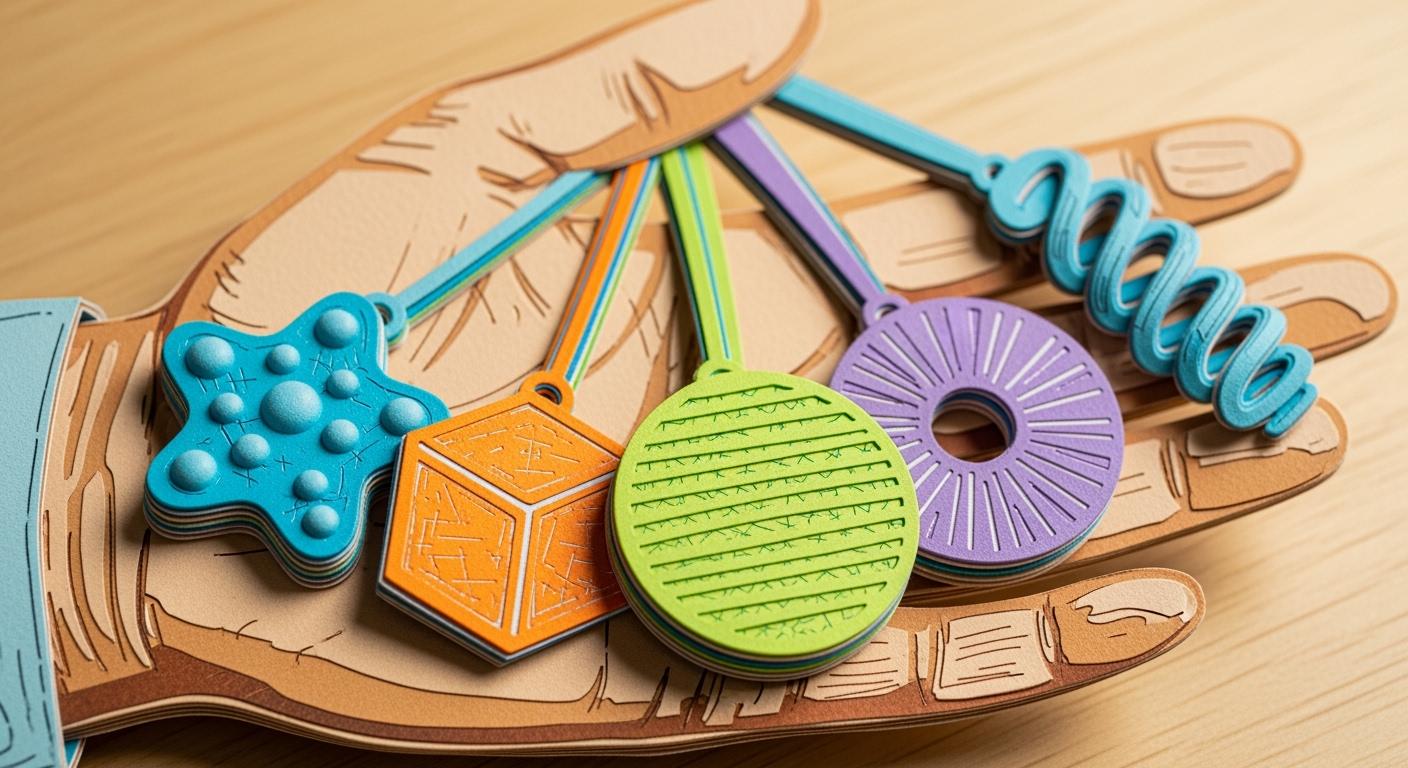
You want the best sensory chewing necklace, right? Start by checking safety. Choose a necklace made from strong, non-toxic material. Think about how much chewing you do and what textures feel good to you. Everyone has different sensory needs. Pay attention to what works for you and trust your instincts. Picking the right necklace is easier than you think!
Key Takeaways
Always pick chewable jewelry made from safe materials like food-grade silicone. This helps keep you healthy.
Choose a necklace that matches how hard you chew. Softer necklaces are good for gentle chewers. Firmer ones are better for strong chewers.
Think about the size and shape of the necklace to stop choking. Do not pick necklaces with small parts. Choose designs that are easy to hold.
Pick a style that you like and that fits your life. Many necklaces look like normal jewelry, so you can use them quietly.
Clean and check your chewable jewelry often for damage. Get a new one every 1 to 3 months to stay safe.
What Is A Sensory Chewing Necklace?
Purpose And Benefits
You might ask why chewable jewelry is so common. Chewable jewelry lets you safely meet your sensory needs. When you chew, your body gets input that helps you feel calm. This input can help you focus better. Many people use chewable jewelry to deal with stress or anxiety. You can use a chew necklace instead of chewing pencils or sleeves. This keeps you safe and protects your teeth.
Here are some benefits you get from chewable jewelry:
You can control your sensory needs yourself.
Chewing helps you feel calm, like when you fidget.
You may find it easier to focus when you use chewable jewelry.
Chewable necklaces stop you from chewing things that are not safe.
You can handle frustration and too much sensory input.
Caregivers and therapists suggest chewable jewelry for many reasons. Look at this table to see why:
Benefit | Description |
|---|---|
Increase Oral Awareness | Chewable jewelry gives your mouth more input if you have low oral tone. |
Decrease Oral Sensitivities | Chewable jewelry can make your mouth less sensitive and help you try new textures. |
Calm and Soothe | Chewable jewelry gives gentle feedback that can stop self-biting and help you relax. |
Who Uses Them
You can find chewable jewelry in lots of places. Children with sensory needs use chewable jewelry the most. Teachers and therapists use chewable jewelry in classrooms to help kids pay attention. If you feel upset or stressed, chewable jewelry can help you calm down. People with autism often use autism chew toys to help with their sensory needs. Autism chew toys are also used by adults who need sensory support. Chewable jewelry comes in many shapes and colors. Some necklaces use non-toxic materials to keep you safe. If you need sensory support, a sensory chewing necklace can really help.
Sensory Chewing Necklace: Key Criteria
Safe, Non-Toxic Materials
You want your chewable jewelry to be safe. Always check if the label says food-grade or medical-grade silicone. This kind of silicone does not have bad chemicals. Stay away from necklaces with BPA, phthalates, or lead. These chemicals can hurt your health.
Sensory chewing necklaces made from 100% food-grade silicone do not have harmful chemicals.
These necklaces are free from BPA, phthalates, and lead, which can be dangerous.
Using safe materials helps lower health risks from sensory chewing necklaces.
Good chewelry is made from non-toxic, medical- or food-grade materials.
These materials do not have chemicals like BPA, phthalates, or lead.
You can look for safety standards on the package. Here is a quick guide:
Certification Standard | Description |
|---|---|
ASTM F2923 | Children’s jewelry safety standard |
CPSIA | Checks for lead and cadmium in children’s products |
EU REACH | Tests for nickel release (<0.5 µg/cm²/week) |
ASTM F963-17 | U.S. toy safety standard for phthalates, lead, and cadmium |
If you see these certifications, you know the materials are safe. This is important for kids and adults who use chewable jewelry for sensory needs.
Durability And Chewing Strength
You need chewable jewelry that matches how you chew. Some people chew softly. Others chew hard and need something strong. If you chew with a lot of force, pick a chew necklace that can handle it.
The strongest silicone is used to make silicone chew products. The way it is built decides how tough it is. Chew silicone can bend but still feel firm. A smooth pendant gets teeth marks fast, but a textured pendant can take more chewing. For example, the Heart Chew Necklace was tested by a hard chewer and did not break after tough use.
If you have strong sensory needs, choose a textured chewable necklace. These last longer and give you more sensory input. If you chew gently, a smooth pendant might work for you. Always look for cracks or missing pieces. Replace your chewable jewelry if you see damage. This keeps your necklace safe to chew.
Age And Developmental Suitability
You want chewable jewelry that fits your age and needs. Kids need different chewable necklaces than adults. For kids, pick bigger pieces with no small parts. This helps stop choking. Adults may want something that looks cool or is not easy to notice. Some adults with autism or ADHD like chewable jewelry that looks like a normal necklace or bracelet.
If you buy for kids, check the age range on the box. Make sure the necklace is not too small. For adults, pick a style that fits your life. Some adults use autism chew toys at work or school. You can find chewable jewelry that looks like a pendant or bracelet. This helps you meet your sensory needs without others noticing.
Size, Shape, And Choking Safety
Size and shape are important for safety. You want a chew necklace that is big enough so you cannot swallow it. Do not pick necklaces with small beads or parts that can break off. This is important for kids and adults with sensory processing disorders.
Here are some tips for picking safe chewable jewelry:
Pick a size that cannot fit all the way in your mouth.
Choose shapes that are easy to hold and chew.
Do not get necklaces with pieces that come off.
Look for breakaway clasps. These help stop choking if the necklace gets pulled.
If you follow these tips, you lower the chance of choking. You also make sure your chewable jewelry helps you focus and stay calm. Safe chewable necklaces help you handle anxiety and meet your sensory needs every day.
Matching Chewable Jewelry To Individual Needs
Sensory Preferences: Texture And Firmness
You want chewable jewelry that feels good in your mouth. People have different sensory needs. Some like smooth textures. Others like bumpy or ridged ones. You may need to try a few types to find what you like. If you have autism or sensory processing disorders, some textures can help you feel calm or focused.
Firmness is important, too. If you chew softly, you might like a soft necklace. If you chew hard, you need a firmer one. The table below shows the most common firmness levels and who they are for:
Firmness Level | Description | Recommended For |
|---|---|---|
Softest | The softest level, good for mild chewers. | Mild chewers who do not chew through things. |
Medium Firm | The middle level, still easy to chew. | Moderate chewers. |
Very Firm | Very firm and strong, lasts the longest. | Avid chewers. |
If you are not sure, start with medium firmness. If you chew through things fast, pick a very firm one. Many people say the right texture and firmness help them stay calm. You get better sensory input, which can help lower anxiety and help you control your feelings.
Tip: If chewing does not help you feel calm, try a new texture or firmness. You might need more feedback in your mouth to feel better.
Chewing Habits And Strength
Think about how you chew. Do you nibble gently or bite down hard? Your chewing style helps you pick the best chewable jewelry. If you chew softly, you can use a soft or medium necklace. If you chew hard, you need a very firm and strong one. This keeps your chewelry from breaking and keeps you safe.
Try medium strength if you are not sure.
If you chew hard, look for necklaces made for strong chewers.
If you chew gently, a soft or medium one may last longer.
Chewing can help you focus and stay calm. Many kids and adults use chewable jewelry as a safe chew toy for anxiety or stress. If you have ADHD or autism, you might chew more when you feel stressed. The right chewable jewelry can help you handle these feelings and lower anxiety.
Note: If your chewable jewelry wears out fast, you may need a firmer or more textured one.
Style, Comfort, And Design
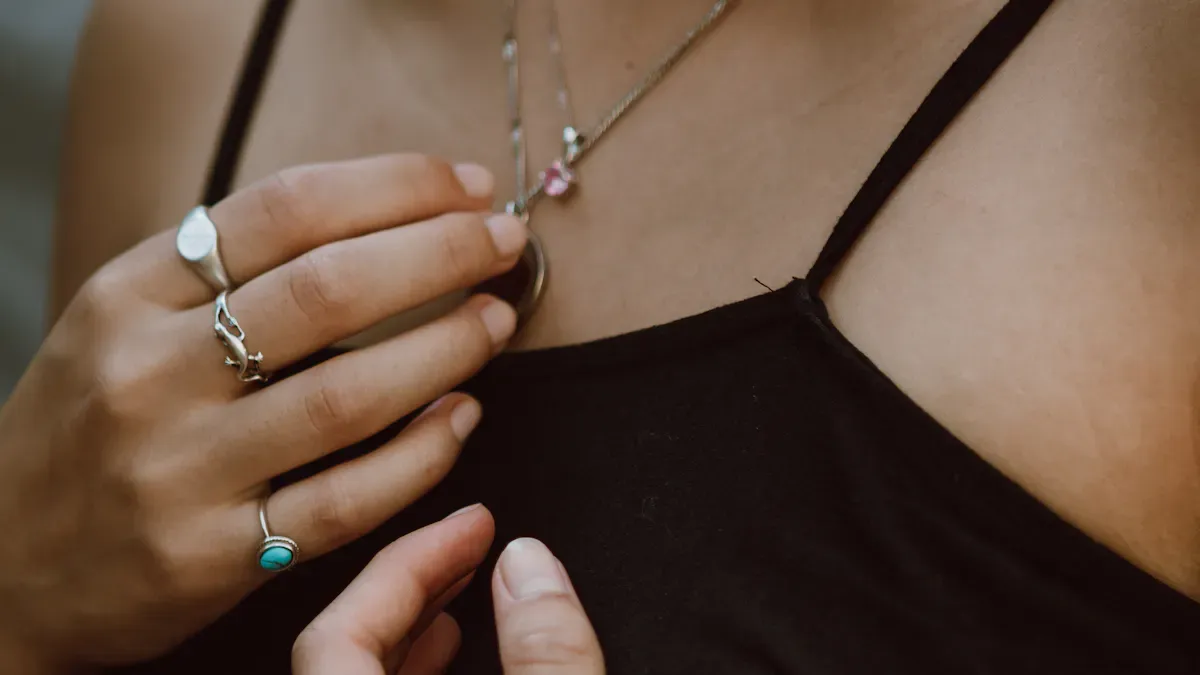
You want chewable jewelry that fits your life and feels good. Some people like bright colors and fun shapes. Others want something simple that does not stand out. Many adults and older kids like chewable necklaces that look like regular jewelry or a bracelet. This helps you use your necklace without people noticing.
Simple designs help you feel comfortable in public.
Subtle pendants or bracelets are good for school or work.
Multi-textured surfaces give you more comfort and sensory input.
The CalmCircle is popular because it looks nice and feels good.
Kids may want chewable jewelry that does not make them feel shy. Fun pendants or simple shapes can help. Adults often pick designs that look grown-up and match their clothes. You can find chewable jewelry in many colors, shapes, and sizes. Pick what makes you feel good and confident.
Remember: Picking the right chewable jewelry means thinking about your sensory needs, chewing style, and what you like. The best choice helps you stay calm, focused, and in control every day.
Factor | Description |
|---|---|
Unique Sensory Profile | Think about what helps you stay calm or focus. |
Sensory Needs | Pick chewable jewelry that gives you comfort and confidence. |
Context of Use | Notice how you feel in different places, like school, home, or work, to pick the right support. |
Chewable jewelry works well for kids and adults with autism, ADHD, or sensory processing disorders. It gives you a safe chew toy for sensory input, helps you calm down, and supports your feelings. Many people think chewable necklaces and autism chew toys look better and are easier to use than other sensory tools. You can use them at school, work, or home without anyone noticing.
If you want the best sensory chewing necklace, focus on safety, comfort, and your own needs. The right chewelry can really help you every day.
Care And Replacement Tips
Cleaning Methods
It is important to keep your chewable jewelry clean. This helps you stay healthy and safe. Most chewable jewelry can be washed with warm water and soap. Some necklaces and bracelets can go in the dishwasher. Put them on the top rack for easy cleaning. Always read the label to see if your necklace is dishwasher safe.
Here’s an easy guide for cleaning and storing chewable jewelry:
Frequency/Notes | |
|---|---|
Top-rack dishwasher safe | Quick and convenient sanitization |
Washable with warm water and soap | Regular cleaning to maintain hygiene |
Inspect before each use | Check for damage such as cracks or discoloration |
Replace every 1–3 months | Based on frequency of use and visible wear |
Store in a clean, dry place | Prevents mold and bacterial buildup |
Check your chewable jewelry before you use it. Look for cracks or color changes. Keep your necklace or bracelet in a dry place. This stops mold and keeps it fresh. Clean your chewable jewelry often, especially if you use it every day to help you calm down or focus.
Tip: If you use chewable jewelry at school or work, keep an extra one with you. You might need a clean necklace or bracelet when you least expect it.
When To Replace
Chewable jewelry will not last forever. You should check it often, especially if you chew hard. Both kids and adults with ADHD or sensory needs may use their jewelry a lot. This means it can wear out faster.
Look for these signs to know when to get a new one:
Cracks, tears, or thin spots in the material
Small pieces that could break off and cause choking
Changes in color or how it feels
Any damage that makes the jewelry unsafe
If you see any of these problems, get a new necklace or bracelet right away. Everyone needs safe chewable jewelry. Most people get a new one every one to three months, depending on how much they use it. You want your sensory chewing necklace to stay strong and safe, so do not wait too long.
Note: Safe chewable jewelry helps you stay calm and focused. Getting a new one when it is worn out keeps you safe and comfortable.
You can pick the best sensory chewing necklace by following these steps:
Find a necklace with a strong cord.
Look for a breakaway clasp for safety.
When you match your necklace to your needs, you help yourself feel calm and confident. Sensory tools boost your emotional health and give you quick ways to handle stress. The right necklace makes a real difference in your daily life.
FAQ
How do I know which firmness is right for me?
Try different firmness levels. Start with medium if you are not sure. If you chew through it quickly, pick a firmer one. If it feels too hard, go softer. Your comfort matters most.
Can I wear my sensory chewing necklace all day?
Yes, you can! Many people wear theirs all day at school or work. Just remember to clean it often and check for damage. If you feel sore, take short breaks.
Is a sensory chewing necklace safe for sleep?
You should not wear your chew necklace while sleeping. It can be a choking risk. Always take it off before bed or naps.
How do I get my child to use a chew necklace instead of chewing clothes?
Offer the necklace when you see your child chewing clothes.
Praise them for using the necklace.
Keep the necklace easy to reach.
Show them how to use it.
Can adults use sensory chewing necklaces?
Absolutely! Many adults use chewable jewelry for stress, focus, or sensory needs. You can find styles that look like regular jewelry, so you feel comfortable anywhere. 😊
See Also
Selecting The Perfect Sensory Chair For Your Child
Essential Advice For Choosing The Ideal Sensory Swing
Best Chewable Sensory Toys For All Ages In 2025
Preferred Sensory Toys That Parents Choose For Their Children
