How to Select the Best Special Education Supplies for Your Classroom
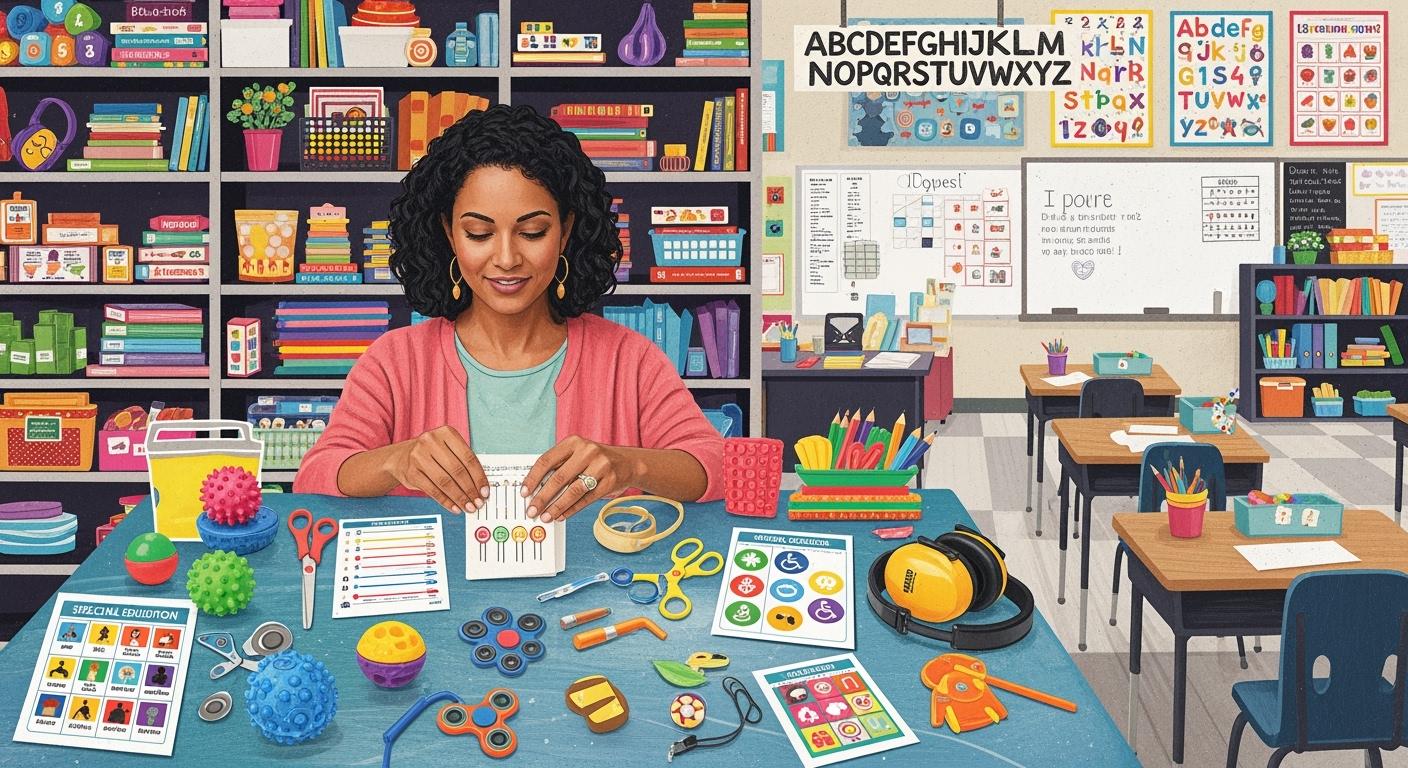
Choosing special education supplies can seem hard. Each student learns in a different way. Some kids need to move and touch things. They might like using an Emoticon Sensory Motion Bubble. They may also enjoy Texture Sensory Pads. Other students focus better with a visual tool. Some like a Messy Play Tray for hands-on work. Studies show that multisensory tools help students remember lessons. These tools also help them understand better. You can find the right mix for your classroom. This will help every learner do their best.
Key Takeaways
Pick supplies that fit how students learn best. Use sensory tools, visual aids, and communication devices to help everyone.
Make your classroom friendly for the senses. Use weighted vests, quiet areas, and sensory activities to help students focus and feel safe.
Keep your classroom neat with clear labels and easy-to-reach supply spots. This helps students find things fast and makes them more independent.
Check what each student needs often. Use learner profiles to pick the right supplies and teaching ways for better learning.
Work with staff and families. Good talking and teamwork give more support to students with functional needs.
Essential Special Education Supplies
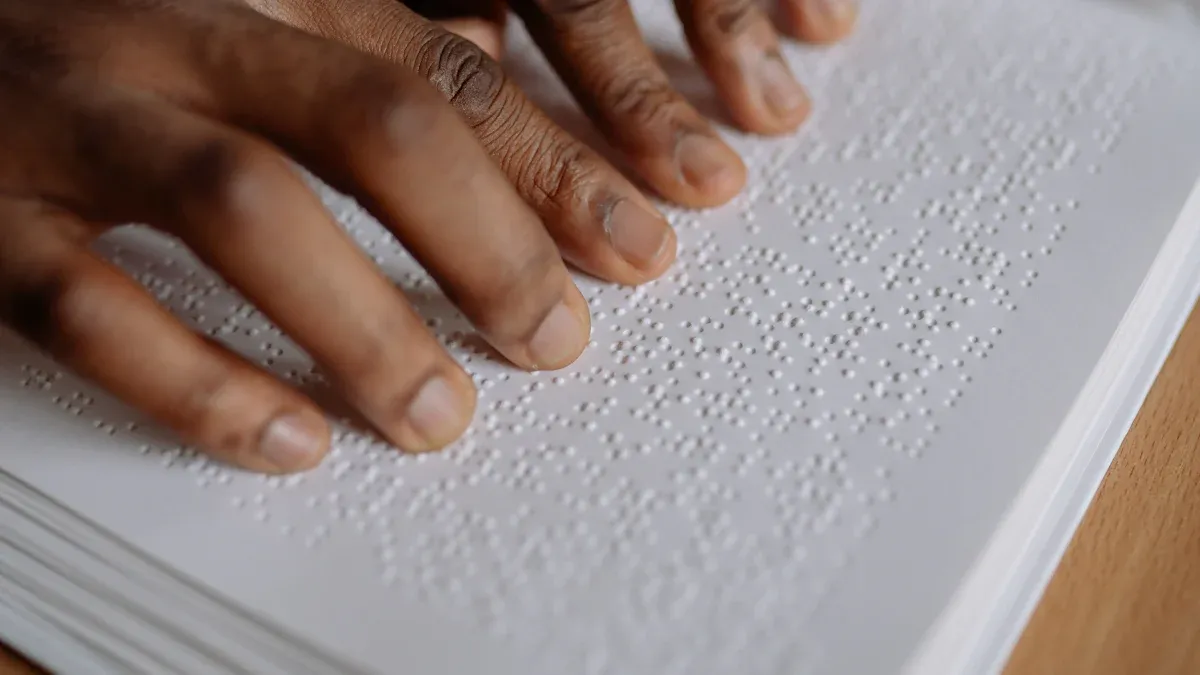
When you get your classroom ready, you need the right special education supplies. These supplies help every student learn. There are different types of supplies. Each type helps students in a special way.
Communication Tools
All students need ways to share their ideas and feelings. Communication tools help students who find talking hard. Many classrooms use augmentative and alternative communication (AAC) methods. These can be speech-generating devices, communication apps, or picture boards. AAC lets students say what they need and join class activities. You might use sign language, picture cards, or tablets with special apps. These tools help students talk and make friends.
Tip: Begin with easy communication tools. Add harder ones when students are ready.
AAC devices can be simple or advanced.
Tablets and smartphones help students talk in new ways.
These tools help students join in and feel part of the group.
Sensory and Tactile Supports
Some students need sensory and tactile supports to stay calm. You may see kids fidget or move a lot. Occupational therapists suggest things like weighted vests, deep pressure blankets, and quiet spaces. These supports help students with sensory processing disorders feel safe.
Weighted vests and blankets give gentle pressure.
Sensory activities, like swinging or jumping, help students handle sensory input.
Quiet corners with soft lights help students relax.
A sensory-friendly classroom helps students focus and feel less worried. Students with autism or ADHD do better when their sensory needs are met. You will see more learning and fewer problems.
Visual Aids and Schedules
Visual aids and schedules are important special education supplies. They help students know what to do and when. For students with autism, visual schedules make changes easier. You can use daily schedules, choice boards, first-then boards, and picture schedules.
Tool Type | Description | Benefits |
|---|---|---|
Daily Schedules | Pictures show what happens each day | Lowers worry, builds routine |
Choice Boards | Shows choices for activities | Builds independence, helps with decisions |
First-Then Boards | Shows what comes first and next | Makes changes easier |
Picture Schedules | Movable pictures for each job | Gets students involved, tracks progress |
Object Schedules | Uses real things to show activities | Helps young students learn routines |
Visual schedules help students who have trouble planning. They break tasks into small steps. They help students manage time and work alone. You can put schedules on the wall or bring them to students.
Fine Motor and Manipulatives
Fine motor skills help with writing and cutting. You need manipulatives to build hand strength and control. Good choices are palm-sized toys, games for thumb and finger use, and grip activities.
Toy Type | Benefits |
|---|---|
Palm-sized toys | Make small hand muscles stronger |
Toys for thumb-finger movement | Help grip and control |
Hand strength games | Make thumbs and hands stronger |
These supplies make learning fun and hands-on. They help students practice skills while playing.
Timers and Organization Tools
Timers and organization tools help keep your classroom organized. Visual timers, like the Time Timer, show how much time is left. This helps students focus and move between tasks. Organization tools, like bins and folders, keep things neat.
Visual timers help students manage time.
Organization tools help everyone stay organized.
These supplies lower stress and make routines easy.
Benefit | Description |
|---|---|
Time Management | Visual timers show time passing and help with tasks |
Routine Establishment | Tools help with changes and build daily habits |
Focus and Regulation | Students learn to finish work on their own |
These special education supplies help your classroom work well. They help students who have trouble paying attention. They help everyone feel sure of themselves.
Note: The best special education supplies help many learning styles and sensory needs. Try different tools to see what works for your students.
Assessing Student Needs
Learning Styles: Tactile, Visual, Sensory
Students in your class have many different needs. Some students learn best by touching and moving things. Others need to see pictures or charts to understand. Students with functional needs often do well with sensory activities. You can use fine motor development tools to help them build hand strength. Visual aids, tactile objects, and sensory supports give more ways to learn.
To find out what works for each student, you can use assessment tools. Here are some you might try:
Woodcock-Johnson Test of Cognitive Abilities (WJ-III)
Comprehensive Test of Nonverbal Intelligence (CTONI – 2)
Behavioral and Emotional Rating Scale, Second Edition (BERS-2)
Dunn and Dunn Online Learning Style Assessments
These tools help you see how students with disabilities learn. They also show what students need in the classroom.
Customizing Materials for Individuals
Every student is different. You can help them learn better by personalizing supplies. Start by making learner profiles. These profiles show what students like and how they learn. You can use fine motor development tools for students who need extra help with hand skills. Try to match your teaching and materials to each student’s needs.
Learn about your students and help them learn about themselves.
Use learner profiles to track progress and set goals.
Change your lessons and supplies as students grow.
Give regular feedback so students know how they are doing.
Differentiation lets you change your teaching to fit students’ needs. You can change your content, activities, or supplies to help everyone do well.
Collaborating with Staff and Families
You do not work alone. Staff and families help you meet students’ needs. When you talk with others, use simple words so everyone understands. Share information before meetings so families feel ready. Follow an agenda to keep meetings clear and fair. Let everyone talk and share ideas.
Team Member | Role in Supporting Students with Functional Needs |
|---|---|
Connect families and school, create engagement | |
School Leaders | Encourage inclusivity, inspire participation |
School Counselors | Support communication and emotional needs |
Family engagement helps students with functional needs feel supported. When you work together, students get the help they need to do their best.
Organizing Your Special Education Classroom
Storage and Labeling Solutions
It is important to keep classroom must-haves neat. Good storage helps you find things fast. Clear labels make it easy for everyone. Try using different ways to store your materials. Here is a simple guide:
Strategy | Description |
|---|---|
1-drawer unit | One big drawer holds many items. It has a label for quick use. |
Shoebox storage solution | Small boxes hold items for certain tasks. You can swap and label them. |
Plastic container with lid | Large space for curriculum materials. Labeled sections help you sort them. |
Craft cabinet with 30 drawers | Many small drawers hold tiny must-haves. Each drawer has a label. |
Use color-coded labels or pictures for students who cannot read yet. This helps everyone find classroom must-haves easily.
Creating Accessible Supply Stations
All students should get classroom must-haves by themselves. Put supply stations at different heights. This way, everyone can reach what they need. Universal Design for Learning (UDL) says easy-to-reach materials help all students. Use bins, baskets, or trays in open places. This helps students with different needs feel included.
Supply stations let students get materials alone.
You can change classroom must-haves for new lessons or interests.
Accessible stations help students be independent and confident.
Tip: Put your most-used materials in the front or at eye level.
Maintaining Clean and Safe Materials
Clean classroom must-haves often to keep everyone healthy. Make a cleaning plan and follow it. Teach students and staff how to clean up and wash hands after using shared materials. Here are some easy rules:
Guideline | Description |
|---|---|
Routine Cleaning | Clean often to keep the classroom safe. |
Proper Use of Cleaning Supplies | Use safe cleaners to protect surfaces and students. |
Prioritizing High-Touch Surfaces | Wipe down things students touch a lot. |
Implementing a Cleaning Schedule | Set times for cleaning to cover all areas. |
Training Staff and Promoting Hygiene | Show everyone the right way to clean and stay healthy. |
When you keep classroom must-haves clean and neat, students can learn better and feel safe every day.
Supporting Communication and Independence
Using AAC and Low-Tech Tools
You want every student to share what they think and need. AAC and low-tech tools help students talk in special education classrooms. These tools can be picture cards, speech devices, or adapted toys. They help students who have trouble speaking. The Individuals with Disabilities Education Act says you must think about assistive technology for each student’s plan. AAC is proven to help students do better in school.
Here’s what research says about these tools:
Key Findings | Description |
|---|---|
Importance of AAC | AAC systems help students join class and become more independent. |
Collaborative Efforts | Teachers, speech experts, and staff work together for the best results. |
Training and Resources | You need training and creative ideas to use AAC tools every day. |
You can start with simple tools like picture boards. Add harder tools as students learn new skills. Make sure students can use these tools in all activities.
Reinforcement and Behavior Supports
You can help students learn new skills and manage behavior with the right supports. In special education, creative rewards work best. Try to match rewards to what each student likes. Focus on good actions and give praise often. Let students make choices and help decide how they learn. This helps them feel confident and talk more.
Here are some ways to use rewards:
Use praise and social rewards to build trust.
Give tokens or adapted toys for good behavior.
Let students earn time with favorite activities.
Use a self-check system so students track their own skills.
Keep routines simple and easy to follow.
Type of Reinforcement | Impact on Motivation and Behavior |
|---|---|
Social Reinforcement | Builds strong teacher-student bonds and encourages positive actions. |
Tangible Reinforcement | Gives real rewards that motivate students to use new skills. |
Activity Reinforcement | Lets students enjoy favorite tasks as a reward for using their skills. |
Token Economy | Students earn tokens for good choices and trade them for rewards. |
Edible Reinforcement | Snacks can motivate, but use them only if they fit the student’s needs. |
You can use these tools to help students feel proud of what they do.
Promoting Independent Work Skills
You want students to work alone and use their skills in many places. Independent work systems are a proven way to help. These tools use visual supports to show what to do, how much to do, and what comes next. The National Professional Development Center on ASD says these systems work well for students with autism.
You can set up work stations with clear steps. Give students more time or let them work with a partner. Use teacher notes or recorded lessons if needed. Break big jobs into small parts. Let students answer by talking, writing, or using computers. These tools help students practice life skills like hygiene, social skills, and money management.
Independent work systems help students finish tasks, use their skills, and need less help from you. You will see more confidence and better behavior as students learn to work alone.
Tip: Keep tools and adapted toys easy to reach so students can use their skills anytime.
You can make your classroom work for every student by picking the right supplies and keeping things organized. Check your supplies often and change them as your students grow. Try using tools like Google Forms, AbleSpace, or ESGI to track what works best. Work with your team and share ideas. Here’s how teamwork helps:
Key Themes | Description |
|---|---|
Effective Communication | Teams talk and plan together for better results. |
Shared Understandings | Everyone knows the goals for your students. |
Practical Collaboration | You find new ways to organize and support learning. |
When you choose the right tools, you help your students shine every day.
FAQ
What are the most important supplies for a special education classroom?
You need tools for talking, sensory supports, and visual aids. Fine motor manipulatives and timers are also important. These supplies help all students learn and feel good. Try different items to find what works best.
How do I keep my special education classroom organized?
Use clear labels and storage bins. Put supplies where students can reach them. Make a simple cleaning plan. A tidy classroom helps students find things and feel independent.
How can I make my special education classroom more inclusive?
Give every student choices. Use visual schedules and sensory tools. Let students help set up the classroom. Including everyone makes students feel welcome and ready to learn.
How often should I update supplies in my special education classroom?
Check your supplies every month. Replace anything broken or missing. Ask students what they like. Updating supplies keeps learning fresh and meets new needs.
What if I have a limited budget for my special education classroom?
Tip: Get must-have supplies first. Ask families or the school for donations. You can make some tools yourself. Many teachers share ideas online for low-cost classroom items.
See Also
Essential Tools For Educators Setting Up Sensory Rooms
Guidelines For Choosing The Best STEM Toys For Students
Selecting The Ideal Sensory Chair For Your Child
Effective Strategies For Creating ASD Sensory Rooms In Schools
Understanding Sensory Interactive Products For Special Needs Learning
