How to Choose the Right Sensory Toy for Autism in 2026
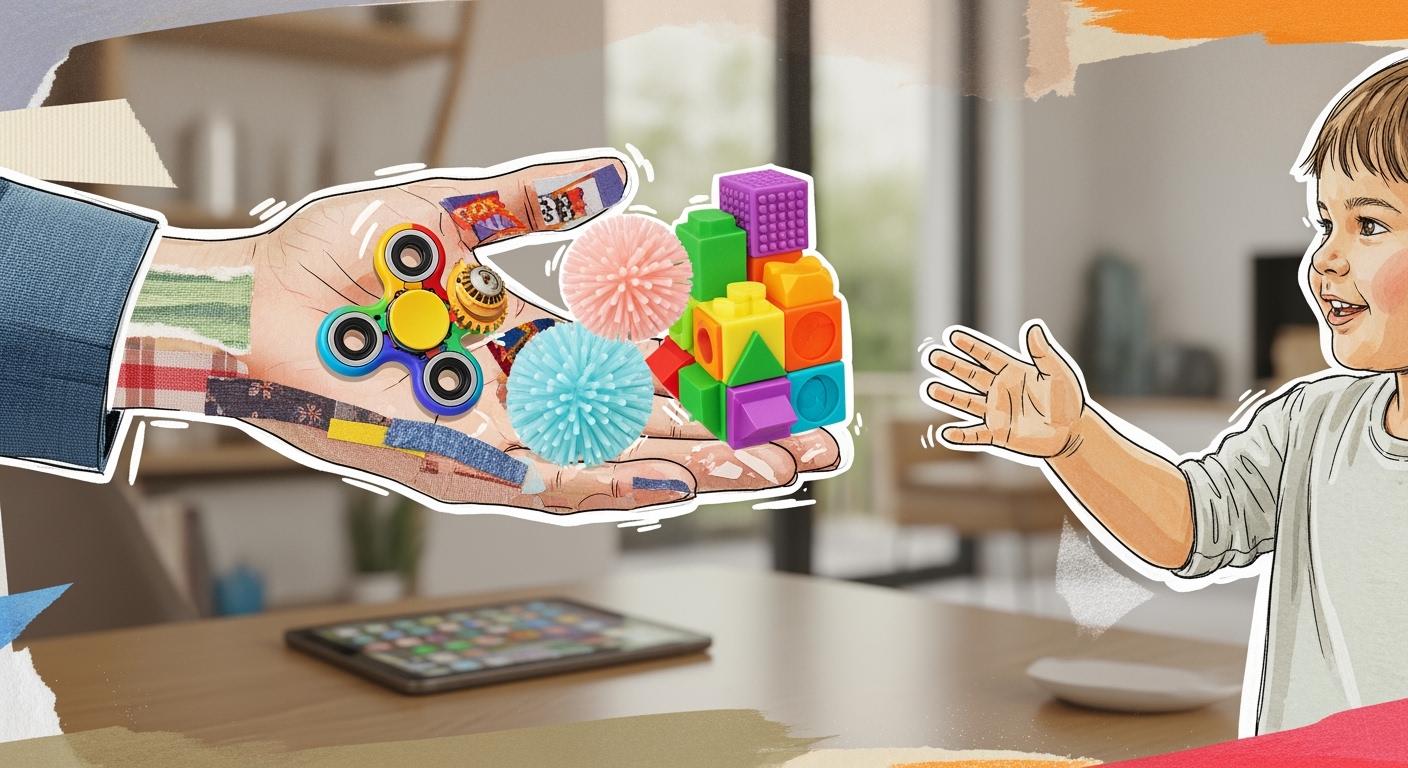
You can pick the best sensory toys for autism by looking at what each child needs. First, watch what your child likes to do. Notice what your child avoids or needs help with. Occupational therapists use special ways to learn about sensory needs. They use clinical observation, the Sensory Profile questionnaire, and hands-on testing. Think about where your child will use fidgets or stress relief toys. Also, think about when your child will use them. Making a kit with sensory toys, fidgets, and other tools helps your child every day.
Key Takeaways
Watch what your child likes and how they act. This helps you know what sensory needs they have. Then you can pick toys they will like and use.
Pick sensory toys that are safe and strong. Make sure the toys fit your child's age. The toys should be made from safe materials. They should not have tiny parts.
Make a special sensory kit with different toys. Change the kit often to fit your child's new likes and needs.
Use sensory toys in your child's daily routine. This can help your child stay calm and pay attention. Use picture schedules and timers to help with activities.
Talk to occupational therapists for expert help with picking sensory toys. They can give advice that fits your child's needs.
Why Sensory Toys for Autism Matter
Benefits for Autistic Individuals
You help children with autism do their best. Sensory toys for autism let kids explore safely. These toys help children handle too much noise or touch. They also help kids feel calm and in control. When you give sensory toys, you make kids feel better in busy places. Many kids with autism use fidgets to stay calm. Fidget toys, like spinners or stress balls, are easy to use. They help lower stress and help kids pay attention.
Here are some common benefits of using sensory toys for autism:
Help with sensory integration and processing
Help kids feel calm and less worried
Improve focus and attention
Support talking and social skills
You can see how these toys help neurodivergent children. They make kids feel safe and sure when they are with others.
How Sensory Toys Support Development
Sensory toys are not just for fun. They help children with autism grow in many ways. You can use fidgets to help kids control feelings and stay on task. Fidget toys give touch input, which helps with stress and hand skills. Tactile toys with different textures let kids try new things and make hands stronger.
The table below shows how sensory toys help children with autism:
Evidence Source | Key Findings |
|---|---|
Empower ABA | Sensory fidgets help lower anxiety, improve focus, and manage sensory needs in autistic children. |
Actify ABA | Fidget toys help control sensory input and movement, lower stress, and improve focus. |
Step Ahead ABA | Sensory toys give needed sensory input, helping growth and self-control. |
You can use sensory toys to make a space for learning and play. These tools help kids learn skills and feel better every day.
Types of Sensory Toys for Autism

There are many sensory toys for autism. Each kind helps with a different need. Picking the right toy can help your child feel calm and focused. It also helps them get ready to learn.
Category | Sensory Needs Addressed |
|---|---|
Tactile | Gives special textures and resistance for touch, like stress balls and putty. |
Visual | Shows colors and movement with things like liquid motion bubblers and light-up toys. |
Auditory | Makes sounds or music in a controlled way for kids who like sound. |
Proprioceptive | Gives deep pressure and heavy work with weighted items and chewable tools. |
Oral | Helps with oral needs using chewable jewelry and textured chew tools. |
Tactile Sensory Toys
Tactile sensory toys let your child safely explore touch. You can use stress balls, putty, or mats with texture. These toys help with fine motor skills and sensory needs. They also make a calm space for your child. Touch from these toys can lower stress and help with daily routines.
Visual Sensory Toys
Visual sensory toys use color, light, and movement to catch your child’s eye. Light tables, liquid timers, and kaleidoscopes are good choices. These toys help with tracking and paying attention. They also give calming input and help your child control feelings.
Auditory Sensory Toys
Auditory sensory toys make sounds in a way you can expect. You can use musical instruments, rain sticks, or headphones that block noise. These toys help your child handle loud places and stay calm.
Oral Motor Sensory Toys
Oral motor sensory toys, like chew necklaces and chew tools, let your child safely chew. Chewing helps with focus and mouth skills. These toys can also lower stress and help with talking.
Movement and Vestibular Sensory Toys
Movement and vestibular sensory toys, like swings, balance boards, and wobble cushions, help with balance and moving. These toys help your child use their senses and feel more sure when moving.
Olfactory and Taste Sensory Toys
Olfactory and taste sensory toys let your child safely try new smells and tastes. Scented playdough or flavored chewies can help your child get used to new things.
Autism Sensory Fidgets
Autism sensory fidgets are small tools your child can hold and move. Fidgets, like spinners or cubes, give touch input and help with worry. Fidget toys help with focus and staying calm. You can use these fidgets at home, school, or anywhere. Fidgets give your child a safe way to use extra energy and stop sensory overload.
Assessing Sensory Needs in Autism
Knowing how to check a child's sensory needs helps you pick the right toys and tools. Every child has a different sensory profile. You can learn what they like and what bothers them by watching what they do and listening to what they say. This helps you make a space with many sensory options that fit their needs.
Observing Sensory Preferences
Start by watching what activities your child chooses, avoids, or needs help with. Some kids like touching different textures, while others may avoid loud sounds or bright lights. You might see your child using fidgets to calm down or focus. Notice which toys or activities make your child feel safe and happy.
Use visual tools, like pictures or dimmer lights.
Try sound strategies, like lowering background noise or giving headphones.
Respect tactile preferences and offer options like weighted blankets for deep pressure.
Allow movement and create calm-down areas.
You can make a simple chart to track what your child likes or dislikes. This helps you see patterns and choose better sensory toys and fidgets.
Identifying Sensory Triggers
Some children with autism react strongly to certain sights, sounds, or textures. These reactions can cause sensory overload. Find out what causes these strong feelings. Keep a behavior log to note what happens before and after your child gets upset. This helps you find patterns and triggers.
Ask if your child's reactions are to sensory input, like loud noises or scratchy clothes.
Talk with family members about triggers at home.
Work with specialists to make plans that fit your child's needs.
When you know the triggers, you can use fidgets, fidget toys, or other tools to help your child handle sensory needs and avoid overload.
Tip: Involve your child in this process. Ask how they feel about certain toys or activities. Their answers give you helpful clues.
Consulting Occupational Therapists
Occupational therapists are important in checking sensory needs for autism. They use careful observations, developmental histories, and special tools to see how sensory input affects your child's behavior and growth. These experts make plans that match your child's unique profile.
Therapists use fun, sensory activities like swinging or obstacle courses.
They teach families how to support sensory regulation at home, including sensory diets.
They help you pick the right fidgets, fidget toys, and other tools for your child.
Don't only rely on your child's age when choosing sensory toys. Getting advice from professionals makes sure you meet your child's needs and help them grow in a space with many sensory options.
Considering Developmental and Language Needs
Every neurodivergent child develops at their own speed. Some may need extra help with talking or moving. Look for toys that match what your child can do and what interests them. Fidgets and sensory toys can help children communicate, focus, and stay calm.
Think about how your child uses language. Some use words, others use gestures or pictures. Pick toys that encourage talking and help your child join activities with others.
By watching carefully, finding triggers, talking to professionals, and thinking about development, you can support your child's sensory needs and create a helpful space for children with autism.
Choosing the Right Sensory Toys
Safety and Durability
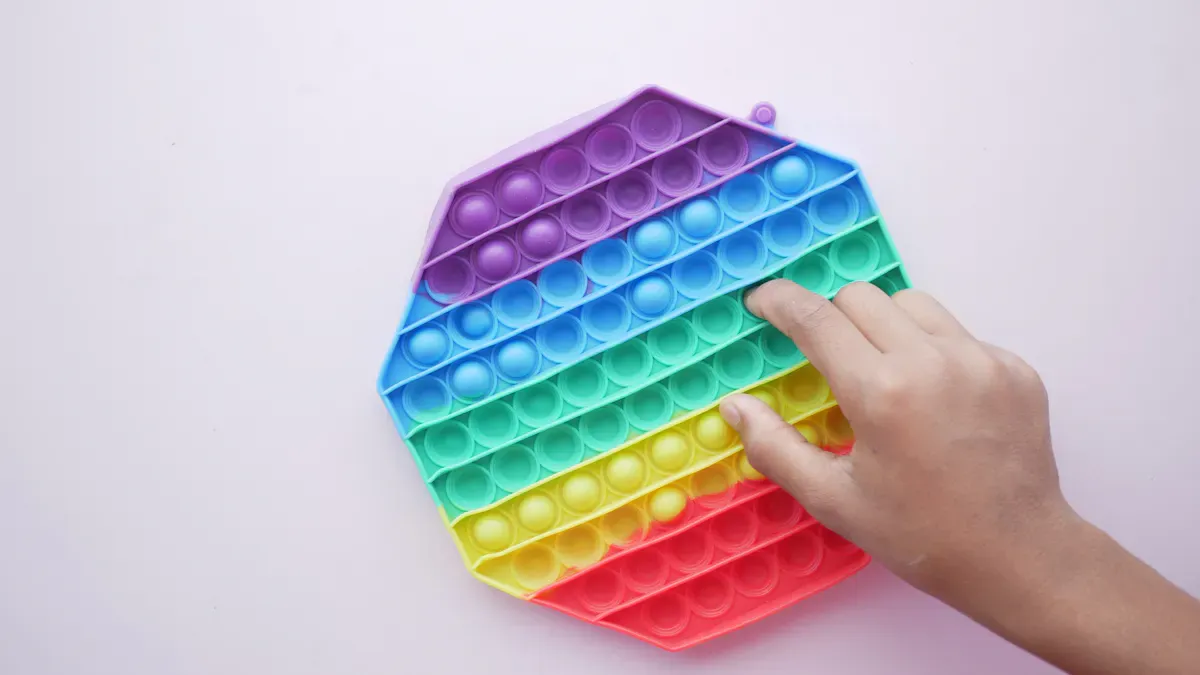
Safety is the most important thing when picking sensory toys. Kids with autism may play with toys in different ways. Always check if toys are safe and do not have small parts. Pick toys made from safe materials. Strong toys last longer and can take lots of squeezing. You want toys that do not break easily.
Here is a table to help you pick safe and strong sensory toys:
Criteria | Description |
|---|---|
Age-Appropriateness | Choose toys that match your child’s age and skills. This makes play fun and stops frustration. |
Safety First | Always look for safe materials and no choking risks. |
Open-Ended Play | Pick toys that let your child use their imagination, like blocks or putty. |
Durability | Choose tough toys that last through lots of use. |
Multi-Sensory Experience | Find toys that use more than one sense for better learning. |
You can use autism sensory fidgets that fit these rules. Fidgets like stress balls, chewable jewelry, and textured mats are safe choices. You help your child grow by picking toys that let them play in many ways and use many senses.
Suitability for Home, School, and Travel
You want sensory toys that work in your child’s daily life. Some toys are best for home, while others help at school or on trips. Small and easy-to-carry toys are good for travel. Try to avoid loud toys so everyone stays calm.
Tip: Change up sensory toys during long trips to keep your child interested and relaxed.
Here are steps to help you pick the right sensory toys for each place:
Choose toys that are right for your child’s age and needs.
Look for toys that help your child learn and be creative.
You make a fun space by picking toys that use touch, sight, and sound. Sensory toys for autism help your child feel safe in new places. Autism sensory fidgets, like spinners or cubes, are good for school and travel. You help your child by matching fidgets to what they need in each place.
Creating a Personalized Sensory Kit
You can make a sensory kit just for your child. It is important to make it fit your child’s needs. Watch your child to see which toys they like best. Change the kit as your child grows or needs new things. Ask an occupational therapist for help if you are not sure.
Customization: Make the kit fit your child’s likes and needs.
Observation: Watch how your child uses the toys and fidgets.
Adaptation: Change the kit when your child’s needs change.
Professional Support: Ask an occupational therapist for tips.
Maintenance: Keep the kit fresh and working well.
Put autism sensory fidgets, tactile toys, and visual tools in your kit. You help your child learn by giving them many kinds of sensory toys. Pick toys that match the main sense your child likes. This helps your child feel calm and ready to learn.
Note: Picking the right fidgets for your child’s needs makes the kit work better. You help your child handle stress and pay attention.
You make a space that helps your child at home, school, and on trips. Sensory toys for autism give your child ways to handle sensory input and do their best every day.
Integrating Sensory Toys for Autism Support
Building Sensory-Friendly Routines
You can help your child by making routines with sensory toys. A routine helps your child feel safe and know what will happen next. Use picture schedules, timers, and simple stories to guide your child each day. These tools make changes easier and help lower stress. Try to mix activities that wake up and calm your child. For example, use autism sensory fidgets to help focus in the morning. Use calming fidgets before your child goes to bed.
Here is a table with ways to make sensory-friendly routines:
Strategy | Description |
|---|---|
Tailored Activities | Pick activities that match your child’s needs. |
Visual Supports | Show daily plans with pictures or charts. |
Gradual Introduction | Add new sensory toys slowly so your child does not get overwhelmed. |
Balanced Routine | Mix calming and alerting activities during the day. |
Social Stories | Use stories to explain sensory activities and routines. |
Timers & Visual Schedules | Help your child get ready for changes and activities. |
Sensory-Friendly Environments | Make spaces with less noise and less clutter. |
Encouraging Independent Use
You can teach your child to use autism sensory fidgets by themselves. Start by setting up the play area with clear labels and easy choices. Keep the space calm with soft lights and quiet sounds. Use cards with pictures to help your child show feelings or pick a fidget. Break activities into small steps and use pictures to help your child. Give gentle reminders at first, then let your child pick and use fidgets alone. Over time, your child will feel more sure and want to use autism sensory fidgets on their own.
Keep the area simple and tidy.
Let your child pick and use fidgets with less help from adults.
Supporting Social Interaction
Sensory toys and autism sensory fidgets can help your child play with others. You can plan group games that use fidgets or sensory play. These games teach sharing, taking turns, and working together. When you know your child’s sensory likes, you can plan group play that feels safe and fun. Playing with fidgets in a group helps your child learn about faces and body language. This kind of play builds social skills and helps your child feel part of the group.
Playing together with fidgets teaches sharing and taking turns.
Group play helps your child learn by playing with others.
Tip: Use autism sensory fidgets when your child plays alone or with others to help build confidence and social skills.
Monitoring and Adjusting Sensory Toy Use
Observing Behavioral Changes
You need to watch your child closely when they use fidgets and other tools. Notice if your child seems calmer or more focused after using a fidget. Look for signs like less fidgeting with hands, more eye contact, or better listening. If your child starts to avoid a favorite fidget or shows frustration, this may mean the tool no longer helps. Sometimes, children with autism show new behaviors when their sensory needs change. You might see more rocking, chewing, or covering ears. These changes can signal that your child needs a different fidget or a new way to use fidgets.
Gathering Feedback
Ask your child how they feel about their fidgets. Use simple questions or picture cards if your child does not use many words. You can also ask teachers or therapists what they notice. Sometimes, children will show you what works best by choosing the same fidget over and over. Other times, they may push a fidget away or ignore it. Listen to these clues. You can keep a short log to track which fidgets help your child stay calm or focused. This feedback helps you pick the best sensory tools for your child.
Tip: Involve your child in choosing new fidgets. This builds confidence and helps them learn to manage their own needs.
When to Update the Sensory Kit
You should update your sensory kit when your child’s needs change. Add tools like noise-reducing headphones for alarms, chewelry for chewing, or weighted lap pads for grounding. Include a comfort item that signals safety. Follow these steps to keep your kit helpful:
Address root causes by looking for triggers, not just behaviors.
Build on your child’s strengths and interests.
Promote independence by letting your child choose and use fidgets.
Adapt your kit as your child grows or their environment changes.
A good sensory kit grows with your child. You help your child with autism feel safe and ready to learn by keeping fidgets and sensory tools up to date.
You can choose the best sensory toys for autism by following these steps:
Watch your child’s routines and favorite objects.
Pick toys that match their interests, like vehicles or animals.
Select materials that build on their strengths.
Ongoing assessment and personalization help you meet your child’s changing needs. New trends show more choices and better designs for families. Stay connected with therapists and keep learning about new tools. You support your child’s growth every day.
FAQ
What is the best sensory toy for autism?
You will not find one best toy for every child. Each child has unique sensory needs. Try different toys like fidgets, textured balls, or chewable jewelry. Watch which ones your child enjoys most.
How do I know if a sensory toy is safe?
Check for age recommendations and avoid small parts. Look for non-toxic materials. You should inspect toys for damage often. If you have questions, ask your occupational therapist for advice.
Can sensory toys help with focus at school?
Yes! Sensory toys like stress balls or fidget cubes can help your child stay focused. Teachers often allow quiet fidgets in class. You can ask your child’s teacher about using them during lessons.
How often should I update my child’s sensory kit?
Update the kit when your child’s needs or interests change. You may notice your child stops using certain toys. Add new items as your child grows or tries new activities.
Do sensory toys replace therapy?
No. Sensory toys support therapy but do not replace it. You should use them along with guidance from professionals. Occupational therapists can help you choose the right tools for your child.
See Also
Autism-Friendly Sensory Toys Create Calm and Joyful Play
Top Sensory Toys Chosen by Parents for Their Children
Key Features Doctors Seek in ADHD Sensory Toys

