How to Choose Sensory Tactile Toys That Support Development
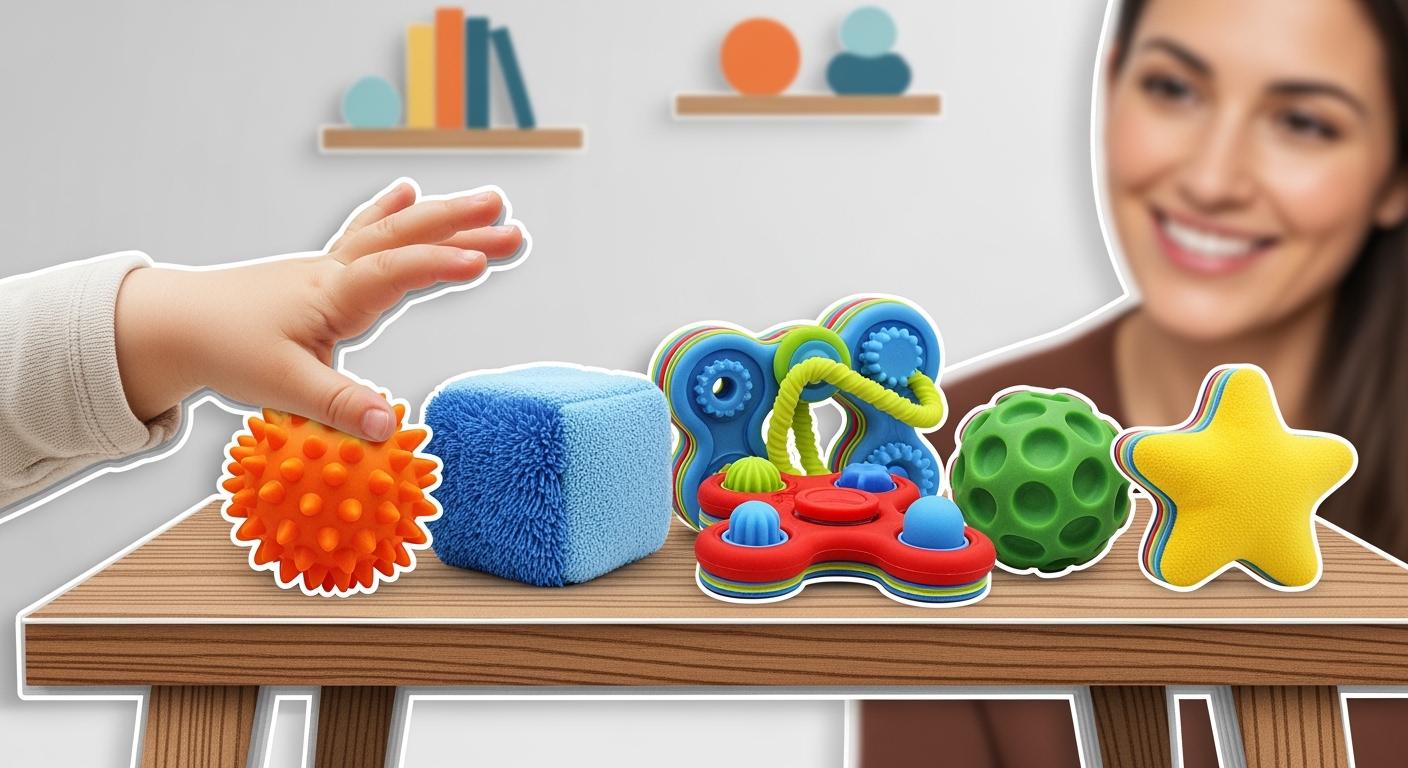
When choosing a sensory tactile toy to support your child’s learning, it’s important to consider how your child responds to different textures. Some children light up when playing with Sensory Bean Bags, while others are drawn to a Silicone Sensory Mat. Many kids enjoy the fun of Textured Silicone Slap Bracelets, and some prefer the unique feel of a Textured Silicone Stone. If you’re unsure which option is best, consult an occupational therapist for guidance. Always prioritize safety—selecting toys that are age-appropriate ensures playtime is both safe and enjoyable. Here’s a quick overview of expert recommendations for matching toys to your child’s developmental stage:
Developmental Stage | Recommended Toys | Key Features |
|---|---|---|
3-4 months | Lightweight rattles, sensory balls | Soft, bright, high-contrast, easy to hold |
7-8 months | Activity cubes, varied rattles | Helps pincer grip, more ways to play |
Key Takeaways
Pick sensory toys that fit your child's age and likes. Find toys that match their growth and sensory needs.
Watch how your child plays with different textures. This helps you choose toys that interest them and help them learn.
Make safety important by picking toys for their age. Look for safety labels and stay away from toys with small pieces. This helps stop choking risks.
Use sensory toys to help with feelings and social skills. These toys let your child show emotions and talk with others.
Plan playtime with both active and quiet games. Mixing play types keeps your child interested and stops them from getting too excited.
Why Sensory Tactile Toys Matter
Developmental Benefits
A sensory tactile toy is not just for fun. These toys help your child grow in many ways. When your child squeezes or rolls a toy, they learn new skills. Touching different textures helps them get better at using their hands. Here are some main benefits you will see:
Cognitive Development: Sensory toys help your child’s brain connect ideas. This makes it easier to remember things and solve problems.
Physical Development: Playing with playdough or a stress ball makes hand muscles stronger. This helps your child write and draw better.
Emotional Development: Soft textures can help your child feel calm. They learn to handle big feelings and relax by themselves.
You can see these toys help your child in many ways. The table below shows how sensory play helps build skills:
Evidence Description | Impact Area |
|---|---|
Motor Skills | |
Feeling different textures helps kids control their hands better. | Motor Skills |
Sensory play helps kids move their bodies and feel more confident. | Motor Skills |
Using many senses helps kids remember things better. | Cognitive Development |
Sensory play helps kids pay attention and remember things. | Cognitive Development |
Sensory Play and Learning
Giving your child a sensory tactile toy helps them learn by doing. Kids use their senses to figure out the world. Tactile play teaches them how things feel and move. Here is what happens during sensory play:
Kids get better at telling textures apart, which helps their hands work well.
They learn about pressure and how their bodies move.
Sensory bins with different textures help kids sort and explore.
Playdough and clay help kids be creative and think like artists.
Playing with water and sand lets kids learn science in a fun way.
Texture games help kids learn new words and notice details.
Your child will feel more sure of themselves as they play. They learn to solve problems and show their feelings. A sensory tactile toy makes learning exciting.
Choosing Sensory Tactile Toys by Age
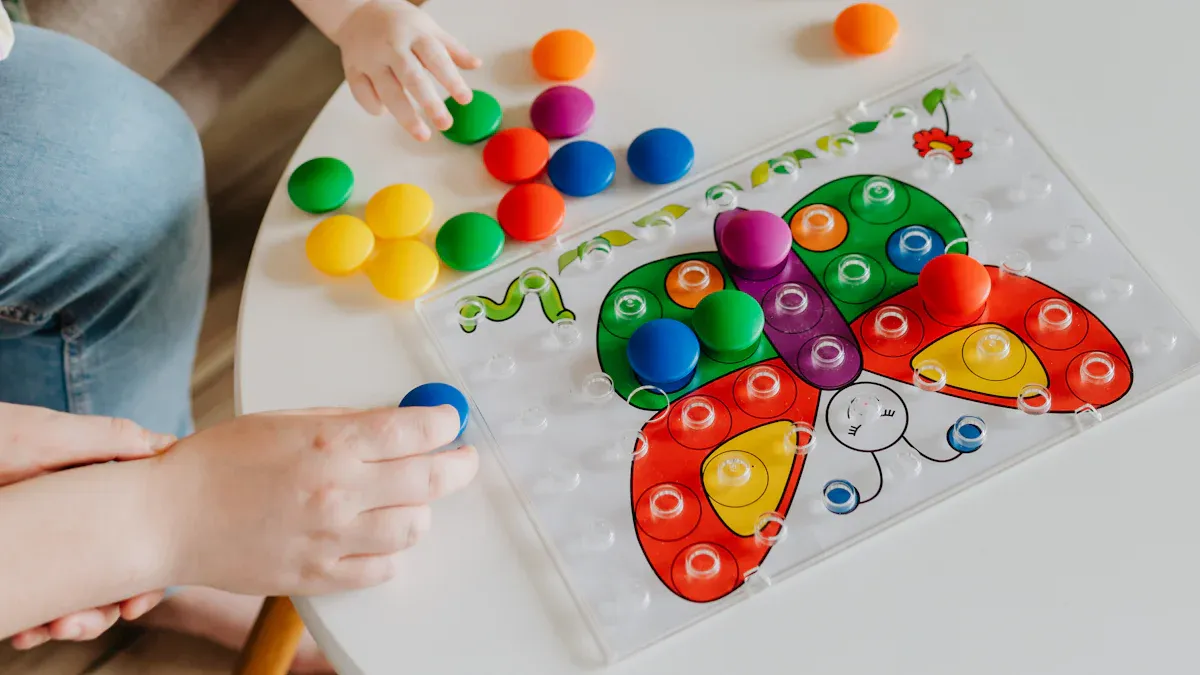
Every child grows at their own pace. You want to pick toys that match your child’s age and sensory needs. Some kids love squishy textures, while others prefer smooth or bumpy surfaces. You can look for clues in how your child reacts to different materials. If you ever feel unsure, a pediatric occupational therapist can help you find the best fit for your child’s sensory profile.
Infants and Toddlers
Babies and toddlers explore the world with their hands and mouths. They need safe, simple toys that encourage touching, squeezing, and shaking. You want to choose toys that help them reach important milestones, like grabbing, shaking, and passing objects from hand to hand.
Here are some great options for this age group:
Infantino Seek & Squish Gel-Pouch Pal – Soft and squishy, perfect for tiny hands.
Baby Einstein Curiosity Clutch – Offers popping and rattling for babies three months and up.
Fat Brain Toy Co. InnyBin – A shape sorter that helps babies practice fine motor skills.
Little Senses Baby Maracas – Fun for shaking and listening, for ages three to 36 months.
Baby Einstein Ocean Glow Sensory Shaker – Lights up and has different textures, safe from birth.
Playgro Explor-A-Ball – Full of textures and sounds for babies six months and older.
Ocean Drum Tambourine – Combines sound and movement for children one year and up.
Clementoni Soft Clemmy Touch and Play Sensory Ball – Bright colors and soft textures for babies six months and older.
Tip: Always check for safety standards before buying a toy for your baby or toddler. Look for marks like UKCA or CE. Make sure there are no small parts that could be a choking hazard. Choose toys made from toxin-free materials. Pick toys with soft lights and warm colors to avoid overstimulation.
Safety Standard | Description |
|---|---|
Compliance Marks | Look for UKCA or CE marks to ensure safety regulations are met. |
Battery Safety | Make sure battery compartments are secure and cannot be opened by children. |
Material Safety | Choose toys made from toxin-free materials. |
Light Brightness | Select toys with soft, warm lights. |
Absence of Small Parts | Avoid toys with small pieces that could be swallowed. |
Preschoolers
Preschoolers love to play with friends and try new things. You can use sensory tactile toys to help them express feelings, calm down, and learn to work with others. These toys also help them get ready for school by building focus and patience.
Some features to look for in toys for preschoolers:
Help kids express emotions and calm themselves
Encourage persistence and teach how to handle frustration
Support social play and sharing with friends
Prepare kids to sit and focus during group activities
Build fine and gross motor skills
You might notice your child using a sensory tactile toy to relax after a busy day. These toys can help your child feel safe and comfortable. They also give your child a chance to talk and play with others. Familiar textures and repeated movements can make your child feel less anxious and more confident.
School-Age Children
School-age kids have more complex sensory needs. Some children need extra help focusing in class or calming down when they feel overwhelmed. You can choose toys that match your child’s sensory profile and support their growth at school and home.
A Silicone Sensory Mat works well for many children. It has a soft, durable texture and is easy to clean. Kids can use it to improve their sense of touch, body coordination, and concentration. Sensory foam is another good choice. You can add it to a classroom sensory box or a calm-down corner. It helps children refocus and gives them a safe space to relax.
Occupational therapists play a big role in helping you choose the right sensory tactile toy. They can assess your child’s needs and suggest tools for emotional regulation, focus, and social interaction. Many therapists create sensory advice packs for schools. These packs include tips on sensory processing and how to use sensory equipment. You can ask your child’s therapist for ideas that fit your child’s unique needs.
Note: Every child is different. Watch how your child responds to each toy. If you see signs of discomfort or overstimulation, try a different texture or activity. You know your child best, but you can always ask for help from a professional.
Sensory Tactile Toy Features
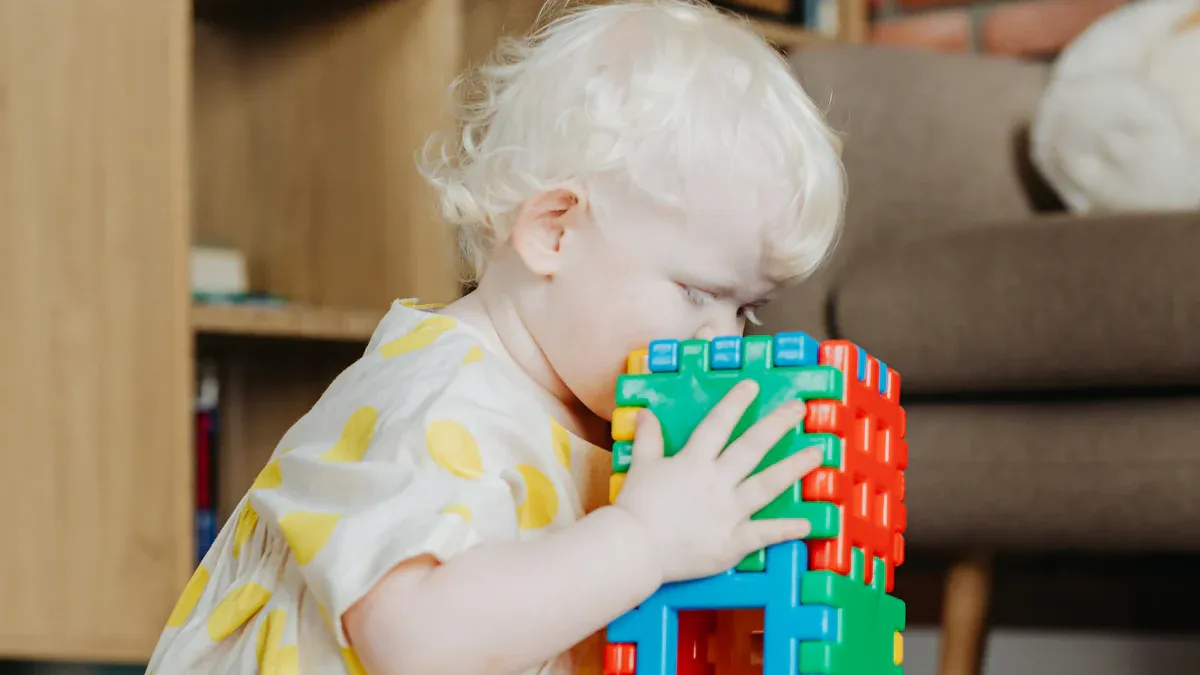
When you pick out a sensory tactile toy, you want to make sure it checks all the right boxes. The best toys grab your child’s attention, feel good to touch, and last through lots of play. Let’s break down the features you should look for.
Textures and Materials
Textures make a big difference in how your child experiences a toy. Some kids love squishy, bumpy, or fuzzy surfaces. Others like smooth or rubbery textures. Try to notice what your child likes best. You can find toys made from silicone, soft fabric, or even natural materials. Silicone teethers, for example, are soft, non-toxic, and easy to clean. That means your child can chew, squeeze, or toss them without worry.
Here’s a quick look at how manufacturers keep toys safe for kids:
Product Type | Safety Features |
|---|---|
Silicone Teethers | Non-toxic, soft, freezer friendly, easy to maintain |
Many companies, like Pure Earth Collection, focus on using natural fabrics. They keep plastic and synthetic materials to a minimum. This helps protect your child’s health and gives you peace of mind.
Tip: Choose toys with a mix of textures. This keeps playtime interesting and helps your child explore new sensations.
Safety and Durability
Safety comes first when you choose any toy. You want to check for safety marks like CE or UKCA, especially if you live in the UK or Europe. These marks show that the toy meets strict rules for children’s products. In the US, look for labels that say the toy is non-toxic and meets safety standards.
Toys for toddlers need to be tough. Kids drop, throw, and chew on their toys all the time. That’s why you should pick toys made from high-quality materials with smooth, rounded edges. Secure battery compartments are also important, so little hands can’t open them. Non-toxic materials are a must. They keep your child safe while they play and learn.
The baby and toddler toy market in the UK is huge—worth over USD 800 million. Interactive toys for two-year-olds make up a big part of these sales. Parents want toys that last and stay safe, even with rough play.
Note: Always check if the toy is easy to clean. Toys that go in mouths or get sticky need a quick wipe or wash.
Size and Noise Level
The right size makes a toy safe and fun. For toddlers, pick toys that are big enough so they can’t swallow them. Soft plush toys, pop-up tents, and bubble tubes work well for little ones. School-age kids might like fidget toys, beanbags, or weighted lap pads. These fit in their hands or on their laps and help them focus.
Here’s a table to help you match toy size to your child’s age:
Age Group | |
|---|---|
Toddlers | Soft, gentle toys, Pop-Up Tents, Bubble Tubes, Plush Sensory Toys, Weighted Teddies, Cushions, Tactile Toys |
School-Aged Children | Weighted Lap Pads, Fidget Toys, Visual Timers, Beanbags, Nature Sounds |
Teenagers & Adults | Beanbags, Projectors, Ear Defenders, Tactile Fidget Toys, Weighted Blankets, Scented Diffusers, Low-lighting |
Noise level matters, too. Some kids love toys that rattle or play music. Others need quiet toys to help them calm down. Watch how your child reacts to sounds. If they cover their ears or seem upset, try a quieter option.
Tip: If you’re not sure, start with toys that make soft sounds or none at all. You can always add more variety later.
A sensory tactile toy with the right features can make playtime safe, fun, and full of learning. You know your child best, so trust your instincts and enjoy exploring new toys together.
Using Sensory Tactile Toys Effectively
Preventing Overstimulation
Playtime should feel safe and fun for your child. Too much noise, light, or texture can make some kids feel overwhelmed. You can help by making calm spaces at home. These spaces let your child control what is around them. Use soft lights, quiet corners, and gentle colors. Let your child pick toys and fabrics they like. Weighted blankets and fidget toys help your child relax before things get too intense.
Here are ways to stop overstimulation:
Make a sensory room or quiet spot for breaks.
Let your child choose bedding and furniture that feel good.
Give your child control over temperature and tactile items.
Watch for signs like restlessness, covering ears, or pulling away.
Tip: A simple and calm space helps your child focus and feel less worried.
Balanced Playtime
Kids need different activities to stay calm and happy. You can switch between sensory tactile toys to keep play balanced. Sensory circuits help your child move from calm to active play. You can change these circuits to fit your child’s needs. This makes sure play is not too much or too little.
Try these ideas for balanced play:
Change toys with different textures and sounds often.
Use homemade playdough and sensory bins for creative fun.
Plan play so your child gets both active and quiet time.
Use tactile toys to make fun routines.
Observing Child Responses
Watching your child play helps you see what works best. You can use simple observation to track how your child uses each sensory tactile toy. Look for signs like agitation, stimming, or meltdowns. Physical signs may be restlessness, noise sensitivity, or headaches.
You can keep a log or use video to record your child’s reactions. Tracking milestones helps you see growth in motor skills, language, and social-emotional skills. If your child seems uncomfortable, change the space or try a new toy. Changing play to fit your child’s needs helps them feel better and enjoy playtime more.
Observation Technique | What to Look For |
|---|---|
Agitation, withdrawal, stimming | |
Milestone Tracking | Motor, language, social-emotional growth |
Individual Documentation | Video, portfolios, notes |
Note: Changing activities and tools to match your child’s sensory needs helps them learn and feel comfortable.
Choosing the right sensory tactile toys can feel overwhelming, but you can break it down into simple steps:
Check if your child has the hand strength or motor skills for the toy.
Notice your child’s favorite textures and sensations.
Set clear rules for when and how to use sensory toys.
Remember, comfort matters more than novelty. Pick toys that match your child’s interests and sensory needs. Avoid loud or flashy toys unless your child enjoys them. Durable, open-ended toys work best for most kids.
You know your child best. Watch how they play and adjust as they grow. Here’s a quick guide to help you track what works at each stage:
Age Group | Focus Areas | Recommended Toys |
|---|---|---|
Babies (0–12 Months) | Sensory basics, motor skills | Soft mats, rattles, safe mirrors |
Toddlers (1–3 Years) | Movement, balance, independence | Body wheels, stacking blocks, indoor swings |
Pre-Schoolers (3–5 Years) | Emotional skills, pretend play, focus | Obstacle sets, sensory play kits, balance paths |
Early School-Age (5–8) | Fine motor, self-regulation, confidence | Swings, scooters, stretch toys, sensory bins |
Sensory play helps your child build confidence, creativity, and social skills. You support their growth every time you choose a toy that fits their needs.
FAQ
How do I know if my child needs sensory tactile toys?
You might notice your child seeks out certain textures or avoids others. If your child seems sensitive or craves touch, sensory toys can help. You can ask your child’s teacher or an occupational therapist for advice.
Are sensory tactile toys safe for babies?
Most sensory toys for babies meet strict safety standards. Always check for safety marks like CE or UKCA. Avoid toys with small parts. Choose non-toxic materials. Supervise your baby during play.
Can sensory tactile toys help with focus?
Yes! Many kids use fidget toys or textured mats to stay focused. These toys give your child’s hands something to do. This can help your child listen and learn better in class or at home.
How do I clean sensory tactile toys?
You can wipe most silicone or plastic toys with warm, soapy water. Some fabric toys go in the washing machine. Always check the label for cleaning instructions. Clean toys often to keep them safe.
What if my child does not like a new sensory toy?
That’s okay! Every child has different preferences. Try offering the toy again later or choose a different texture. Watch your child’s reactions. Let your child lead the way.
See Also
Evaluating Sensory Toys for Children with Varied Requirements
Top Sensory Toys Chosen by Parents for Their Children
Using Weighted Toys to Support Children with Sensory Issues
