Sensory Room Lights Made Simple for Autism Support
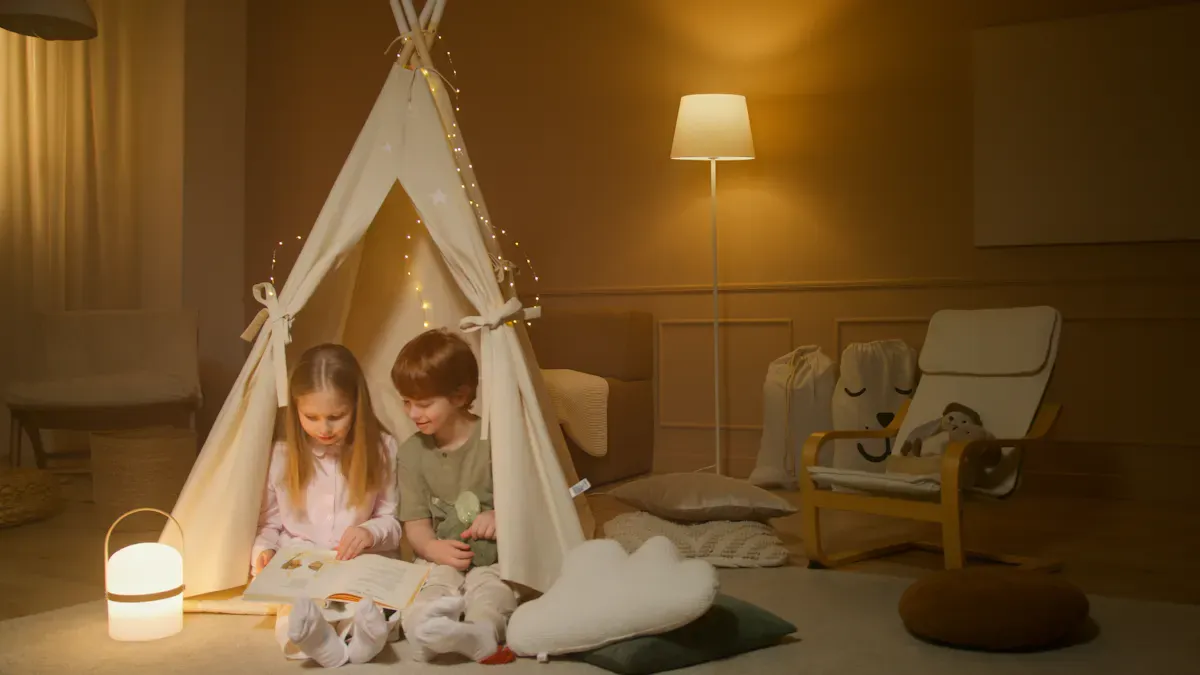
Choosing the right sensory room lights means thinking about safety first. You also need to think about what the person needs. About 75% of autistic people are sensitive to light. Many people like soft lights that you can make brighter or dimmer. You can also change the color of these lights. Research shows calm rooms with dim lights help people feel less stressed. Interactive lights can help people feel more awake and comfortable. Simple and careful choices help make a space where everyone feels good.
Key Takeaways
Pick soft lights that you can adjust. These lights help make the room calm for people with autism. They help lower stress and stop sensory overload.
Try out different lights before you buy them. Let the person who will use the room test colors and brightness. This helps find what feels best for them.
Make sure the lights are safe. Choose lights that stay cool, do not break easily, and use low voltage. This keeps everyone safe and stops injuries.
Use different kinds of lights, like fiber optic lights and bubble tubes. This helps meet different sensory needs and makes the room fun.
Think about what each part of the sensory room is for. Use calming lights in quiet areas. Use bright and fun lights in play areas.
Identify Sensory Needs
Visual Sensitivities
First, check how someone reacts to different lights. Many autistic people feel stressed by bright or blinking lights. You might see them squint or avoid rooms with strong lighting. They may feel uneasy in places with harsh lights. These feelings happen because their brains handle light differently. It is not about bad eyesight. It is about how their brains sense and react to light.
Here are some signs and tips for light sensitivity:
Look for discomfort or trouble in different rooms.
Try tinted glasses or colored sheets for reading. These can help.
Use warm LED lights instead of strong fluorescent bulbs.
Make a quiet area where someone can go if needed.
Add new lights slowly to help manage sensitivity.
Most adults with autism have strong reactions to sensory things. Light sensitivity is a big problem. Many kids see colors as very bright. Red can look almost glowing. Bright and fluorescent lights often make people feel bad. Patterns and stripes may seem to move or change shape. Some colors and contrasts feel too strong.
You can make your space safer and more comfortable by:
Cutting down on visual mess and strong contrasts.
Making a calm area for breaks.
Age and Development
Think about age and growth when picking sensory room lights. Younger kids may like soft, light colors. Teens may want to control brightness and color more. Studies show calming colors like brown, white, blue, and green help lower sensory overload. Pastel and soft shades work best for most people.
Study | Findings |
|---|---|
Zazzi and Faragher (2018) | Kids liked calm colors like brown and white. |
Gaines et al. (2014) | Students with ASD liked soft, natural colors like blue and green. |
Nair et al. (2022) | Pastel, soft, and neutral shades are the most calming. |
You can ask what colors the person likes. You can also try different lights and see how they feel. Everyone is different. You want to pick lights that fit their needs and comfort.
Key Features of Sensory Room Lights
When you set up a sensory space, the right lighting can make all the difference. You want to create a place that feels safe, calm, and welcoming. Let’s look at the most important features to consider when picking sensory lights and lamps for autism support.
Adjustable Brightness and Color
You know how some days you want a bright room, and other days you just want soft, gentle light? That’s why adjustable brightness matters so much. Many people with autism feel pain or stress from bright lights. Intense colors or strong patterns can also feel overwhelming. If you use sensory lights and lamps with dimmers or color-changing options, you can control the mood of the room.
Adjustable lighting helps reduce overstimulation.
Dimmable and indirect LED fixtures create a calming atmosphere.
Control options like remotes, dimmers, or even blinds let you fine-tune the space.
You can try soft blue or green lights for a peaceful feeling. If you want to help someone focus, you might use a soft white light. The role of lighting is to support comfort and reduce stress. When you give someone control over the brightness and color, you help them feel safe and in charge.
Tip: Let the person try different colors and brightness levels. Ask how each one feels. You might be surprised by their favorite!
Flicker-Free and Quiet
Have you ever noticed a buzzing or flickering light in a classroom or store? For many autistic people, this can cause headaches, anxiety, or even meltdowns. Up to half of autistic people are sensitive to fluorescent lighting. Flickering bulbs and harsh glare can make it hard to relax or focus.
The best sensory room lights are flicker-free and quiet. You want soft, steady light that doesn’t change or make noise. Research shows that switching to low-flicker lighting can cut headaches in half for many people. At Rushwood Elementary School, students felt more comfortable and focused after the school installed flicker-free LED lighting. The electric bill even went down!
Eliminating flicker is crucial for autism-friendly lighting.
Sensory-friendly lighting reduces discomfort from bright, flickering, or harsh lights.
Soft, steady light supports comfort, focus, and emotional well-being.
The role of lighting goes beyond just seeing. It shapes how you feel and how well you can learn or play. Quiet, flicker-free sensory lights and lamps help everyone feel at ease.
Safety and Ease of Use
Safety always comes first in any sensory space. You want to make sure the lights you choose are cool to the touch, shatterproof, and use low voltage. Battery-operated sensory lights and lamps are a great choice because they lower the risk of electrical hazards. Cover outlets and secure cords so no one trips or gets hurt.
Here’s a quick checklist for safe sensory room lights:
Safety Feature | Why It Matters |
|---|---|
Cool to the touch | Prevents burns or injuries |
Shatterproof design | Reduces risk if dropped or bumped |
Low voltage | Safer for kids and adults |
Battery-operated | No need for exposed cords or outlets |
Covered outlets | Stops curious hands from getting hurt |
Secured cords | Prevents tripping or pulling |
You also want sensory lights and lamps that are easy to use. Look for simple controls like remotes or timers. Some lights even have touch sensors, so you can turn them on or off with a tap. Adjustable features let you change the light without any fuss.
Note: Always check the room for sharp objects or hazards before you add new lighting. Install GFCI outlets if you use electrical equipment for extra safety.
When you focus on safety and ease of use, you create a space where everyone can relax and explore without worry. Soft, safe lighting helps make the sensory room a true haven.
Types of Sensory Room Lights
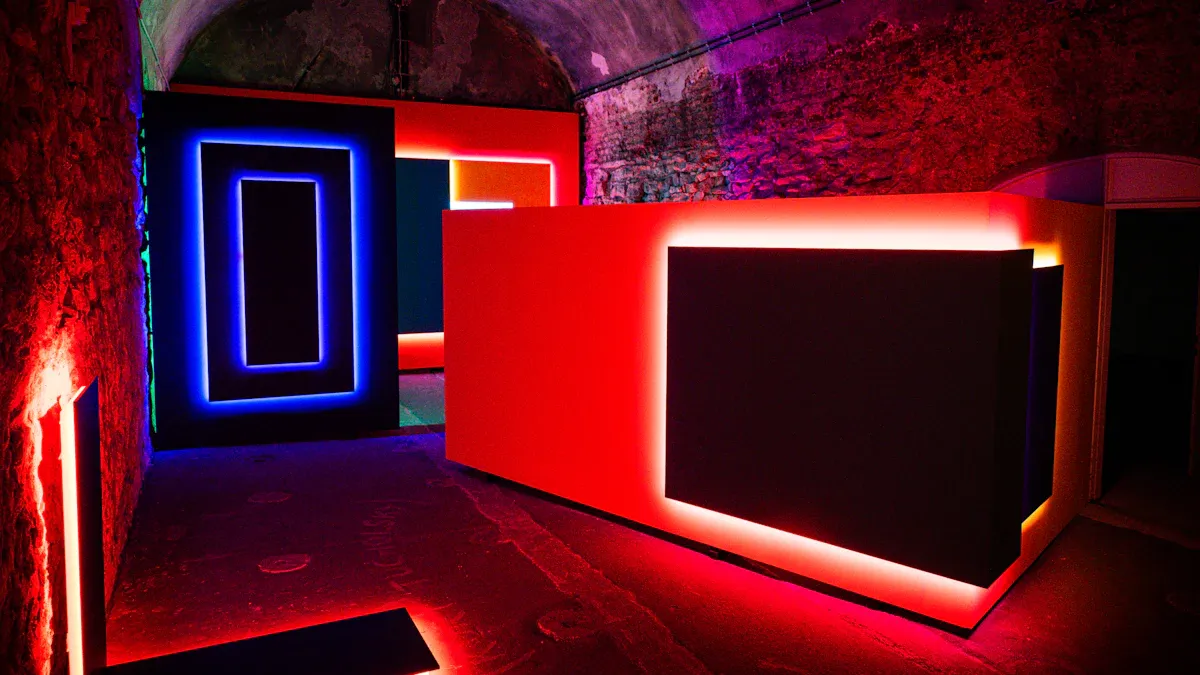
When you look for sensory room ideas, you will find many types of lights. Each one brings something special to your space. Mixing different lights can help you create a room that feels just right for calming down or waking up.
Fiber Optic Lighting
Fiber optic lighting is one of the most popular sensory room ideas. You see soft, glowing strands that change color. These lights do not get hot, so you can touch them safely. Fiber optic lights give gentle visual input. They help settle your senses without being too bright or harsh. Many people use fiber optic curtains or tunnels to create a soothing spot. You can sit under them, watch the colors, or even run your hands through the strands. This type of sensory room lights supports visual tracking and helps you focus.
Tip: Try placing fiber optic lights in a quiet corner. This can become a favorite place to relax.
Bubble Tubes
Bubble tubes are a classic choice for sensory room ideas. You watch bubbles rise slowly in a tall tube filled with water. The colors change, and the gentle hum adds to the calm feeling. Bubble tubes help lower anxiety. The slow movement and steady rhythm give you something peaceful to watch. Many people use bubble tubes as a “reset button” when they feel overwhelmed. These lights also help you focus and filter out distractions.
LED Strips and Panels
LED strips and panels give you lots of options for sensory room ideas. You can stick them on walls, under shelves, or around windows. Change the color or brightness with a remote. Some days you want a calm blue or green. Other days you might pick a bright color to feel more awake. LED strips and panels help you create both calming and stimulating spaces. This flexibility makes them a top pick for sensory room lights.
Projector and Interactive Lights
Projector lights and interactive lights bring movement and fun to your sensory room ideas. Projectors can show stars, shapes, or gentle waves on the walls and ceiling. Interactive lights let you change colors or patterns with a touch or sound. These lights invite you to play and explore. They can help you feel more engaged and comfortable in the room.
Remember: Using a mix of these lights gives you more ways to meet your needs. Try different sensory room ideas to see what feels best.
Choosing Sensory Room Lights for Goals
Calming vs. Stimulating Effects
When you set up a sensory-friendly bedroom or a calming sensory room, you want to think about what you hope to achieve. Do you want a space for relaxation and sleep, or do you want an area for play and focus? The right lighting can help you reach these goals.
If you want a calming sensory room, start by choosing calming colors. Soft blues, greens, and neutral shades work well. These colors help create a soothing atmosphere and lower the risk of sensory overload. Many people with autism feel more comfortable in a calming sensory bedroom with gentle, steady light. You can use dimmable lamps or LED strips to control the brightness. This helps you avoid harsh lighting that can trigger sensory overload.
Studies show that natural daylight is one of the best ways to make a calming sensory room. If you do not have much sunlight, use neutral lighting. This type of light feels soft and does not cause stress. Research also found that lowering light levels helps people function better in artificially lit rooms. You can use adjustable lights to create a calming sensory room that feels safe and peaceful.
Sometimes, you want a space that feels more lively. For play or active time, try color-changing lights. These lights let you pick bright colors or patterns. You can use them to make a sensory-friendly bedroom feel fun and exciting. Just remember, too much bright light or strong colors can cause sensory overload. Always check how you feel and adjust the lights if needed.
Tip: Ask the person what colors and brightness they like. Let them help choose the lights. This makes the space feel more like their own sensory sanctuary.
Creating Activity Zones
You can use lighting to divide your sensory-friendly spaces into different zones. Each zone can have its own purpose. For example, you might want a calming sensory room for quiet time and an area for play or learning. Lighting helps you set the mood for each zone.
Here are some ways to use lights for creating a sensory sanctuary:
Use soft, dim lights in the calming sensory room zone. This helps with relaxation and sleep.
Add color-changing lights in the play zone. These lights make the space feel fun and engaging.
Try projector lights in a reading corner. Moving shapes or gentle waves can help with focus.
Place fiber optic lights in a quiet area. These lights offer soothing mechanisms for stress relief.
Customizable lights give you more control. You can change the color or brightness to match your needs. This is helpful for people who experience sensory overload. If you feel overwhelmed, you can switch to calming colors or dim the lights. If you want to play, you can make the lights brighter or use fun patterns.
A table can help you see how to match lighting to your goals:
Goal | Lighting Choice | Effect on Room |
|---|---|---|
Relaxation & Sleep | Soft, dim, neutral lights | Creates a calming sensory room |
Focus | Gentle, steady white or blue | Supports attention |
Play | Color-changing, interactive | Makes space lively |
Stress Relief | Fiber optic, bubble tubes | Offers soothing mechanisms |
When you plan your autism-friendly bedroom or calming sensory room, think about how each light supports your goals. Creating a sensory-friendly environment means you can change the space as your needs change. You might want a calming sensory room for winding down, or a sensory-friendly bedroom for sleep. You can also use autism bedroom ideas like adjustable lamps or projector lights to make the space more flexible.
Remember, everyone is different. Some people love bright colors, while others need soft, gentle light. Creating a sensory sanctuary is about finding what works best for you. Try different lights and see how they make you feel. If you notice signs of sensory overload, switch to calming colors or lower the brightness. This way, you can enjoy your autism-friendly bedroom or calming sensory room every day.
Note: Choosing calming colors and using adjustable lights are key parts of sensory design. You can use these autism bedroom ideas to create a space that feels safe, comfortable, and fun. The right lighting helps you avoid sensory overload and supports your well-being.
If you want more ideas, look at autism-friendly room colors. These colors help you build a calming sensory room or a sensory-friendly bedroom that feels just right. Creating a sensory-friendly environment is not hard. With a few simple changes, you can turn any room into an autism-friendly bedroom or a calming sensory room that meets your needs.
Practical Tips for Setup
Test Before Buying
You want to make sure the lights feel right before you bring them home. If you can, try out different sensory lights in a store or at a friend’s house. Some shops let you test lights or offer sample kits. You can ask to see how the brightness and colors change. You might notice that some lights feel too strong or too dim. Testing helps you find what works best for your sensory room.
Ask for a demo at the store.
Try sample kits if available.
Check how the light feels in different rooms.
Tip: Bring the person who will use the room with you. Let them pick their favorite lights.
Read Reviews and Get Recommendations
You can learn a lot from other people’s experiences. Read online reviews for sensory room lights. Look for comments about safety, durability, and ease of use. You might find out which lights last longer or which ones break easily. Ask friends, teachers, or therapists for their favorite brands. Recommendations help you avoid mistakes and save money.
Source | What to Look For |
|---|---|
Online Reviews | Safety, brightness, noise |
Friends | Personal favorites |
Therapists | Autism-friendly options |
Note: Reviews can show you problems that don’t appear in ads. Always check for honest feedback.
Placement and Safety
You want your sensory room to feel safe and comfortable. Place lights where you can reach them easily. Keep cords out of the way. Use covers for outlets. Make sure lights are cool to the touch and shatterproof. Avoid placing lights near water or in busy walkways.
Secure cords with clips or tape.
Use battery-powered lights for extra safety.
Place lights in corners or on shelves.
Safety first! Check the room for hazards before you install new lights. Test the setup and adjust if needed.
You have many ways to make a sensory room feel just right. Start by thinking about what colors help you feel calm. Try soft colors, bright colors, or even changing colors until you find what works. Some colors make you feel calm, while others help you focus. Always check if the colors feel too strong or too soft. Pick colors that bring a calm feeling. Use colors that match your goals. If you want to feel calm, choose gentle colors. If you want to play, try fun colors. Remember, colors can change how you feel. You can always switch colors if you need more calm. Even small changes in colors can make a big difference. Keep testing colors to find the best calm space for you.
FAQ
What types of sensory room lights work best for autism?
You can try fiber optic lights, bubble tubes, LED strips, and projector lights. Each type offers calming or stimulating effects. Mixing different lights helps you create a space that fits your needs.
How do I know if a light is safe for my sensory room?
Look for lights that stay cool, use low voltage, and have shatterproof designs. Battery-powered options and covered outlets add extra safety. Always check for safety labels before you buy.
Can sensory room lights help reduce sensory overload?
Yes! Soft, steady, and adjustable lights can lower stress and help you feel calm. Avoid bright, flickering, or noisy lights. You can change colors and brightness to match your comfort.
Should I let my child choose the lights?
Absolutely! Let your child try different lights and colors. Ask how each one feels. Their choices help create a sensory room that feels safe and personal.
How do I set up sensory lights for different activities?
You can use soft, dim lights for relaxation. Bright, color-changing lights work well for play. Projector lights help with focus. Try dividing your room into zones for each activity.
See Also
10 Innovative Sensory Room Concepts for Kids with Autism
Affordable Guide to Creating a Sensory Room for Autism
Benefits of Sensory Rooms for Children on the Autism Spectrum
Comprehensive Guide to Designing a Home Sensory Room for ASD
Effective Strategies for Implementing ASD Sensory Rooms in Education
