How Schools Can Choose Sensory Room Equipment for Every Student
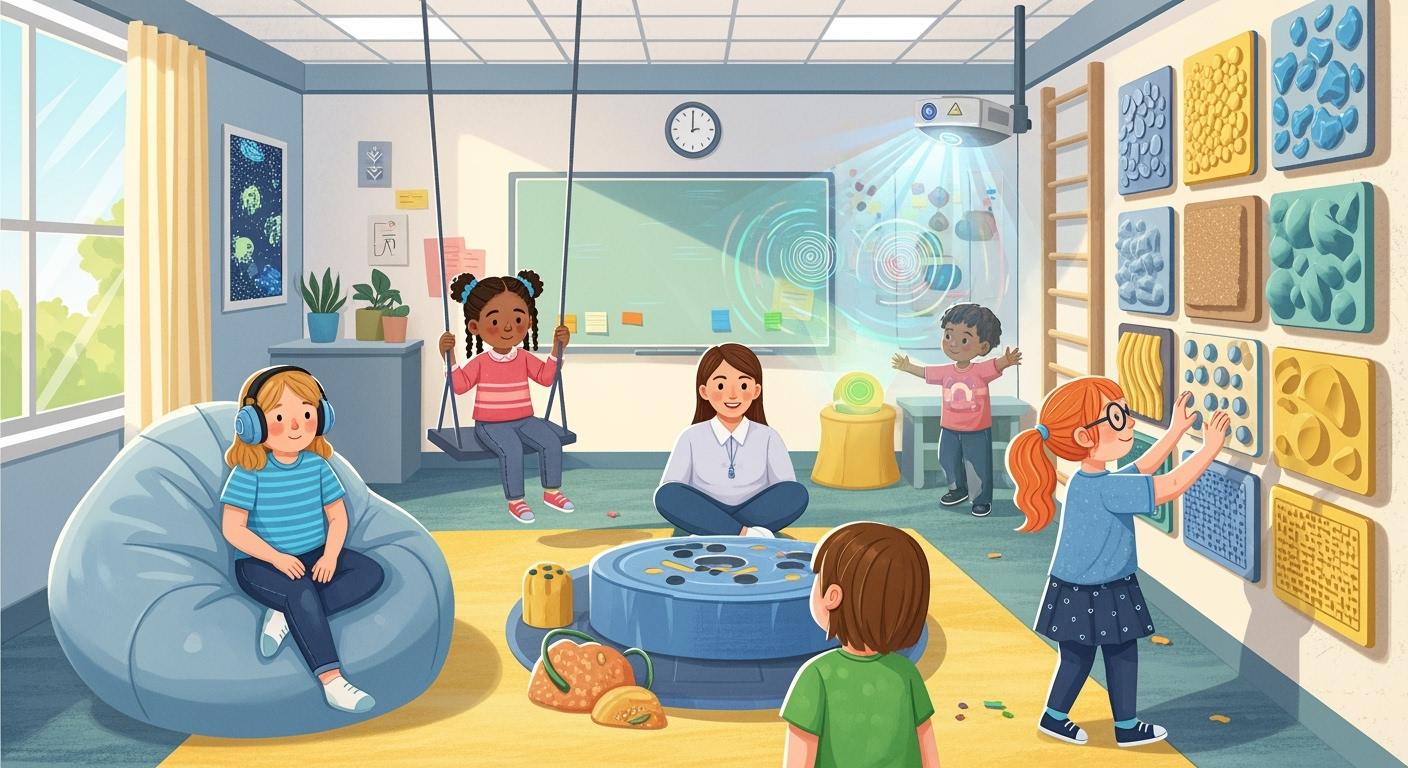
When selecting sensory room equipment for schools, it's essential to consider the specific needs of students. Currently, over 27,000 schools worldwide have implemented sensory rooms, benefiting both special education and regular classrooms. As you plan your sensory space, consider incorporating tools like a Wooden Ladder to promote movement. A LED Infinity Mirror can provide engaging visual stimulation, while AR Interactive Projection offers interactive play opportunities for students. Additionally, Soft Play Giant Building Blocks allow children to build and create in a safe environment. These options are designed to support all students, including those with autism or ADHD. Always prioritize safety, accessibility, and comfort in your planning.
Key Takeaways
Check each student's sensory needs with tools like Sensory Profile 2. Knowing these needs helps you set up the sensory room well.
Ask teachers, therapists, and families to help pick equipment. Their ideas make sure the sensory room works for all students.
Pick both calming and active equipment for the sensory room. This way, students can relax or use energy when they need to.
Make safety and accessibility the most important things in your sensory room. Make sure all equipment is safe and easy to use for students with different abilities.
Begin with a few items and add more to your sensory room over time. Use things you already have and ask the community for help to make a space that helps every student.
Assessing Needs and Goals
Understanding Sensory Profiles
You begin by finding out what sensory needs students have. Each child senses things in their own way. Some kids want to move a lot. Others like quiet places. Sensory profiles show these differences. Tools such as Sensory Profile 2 and Child Sensory Profile help you. These tests work for babies, toddlers, and kids up to age 14. They show how sensing things affects school and daily life.
Assessment Type | Age Group | Key Benefits |
|---|---|---|
Sensory Profile 2 | Infants, Toddlers, Children | Finds sensory patterns, helps plan support, checks progress |
Child Sensory Profile | 3-14 years | Helps adults understand actions, supports plans, finds sensory problems |
Kids with autism or ADHD may sense things differently. Some get upset by bright lights or loud noises. Others need to move more to pay attention. You can use daily notes and reports to see changes in feelings and actions. Working with parents and teachers gives you a full view of each child’s needs.
Tip: Every student senses things in their own way. Watch how each child acts in different places and activities.
Age Groups and Input from Staff
Think about age when picking equipment. Young kids like sensory bins, soft toys, and mats they can touch. These help them use their hands and feel calm. Elementary kids use headphones, wiggle seats, and stress balls. These help them focus and block out noise. Middle and high school students may want weighted pads, wobble stools, or bands for chairs.
Age Group | Common Sensory Equipment | Purpose/Benefits |
|---|---|---|
Preschool (Ages 3-5) | Sensory Bins, Soft Fidget Toys, Weighted Stuffed Animals, Tactile Mats | Builds hand skills, Gives touch input, Helps kids calm down |
Elementary (Ages 6-10) | Noise-Canceling Headphones, Wiggle Cushions, Visual Timers, Stress Balls | Blocks noise, Helps focus, Helps manage time |
Middle School (Ages 11-13) | Weighted Lap Pads, Wobble Stools, Fidget Tools | Gives deep pressure, Helps focus, Lowers fidgeting and worry |
High School (Ages 14-18) | Resistance Bands for Chairs, Balance Boards, Noise-Blocking Earbuds | Improves body sense, Helps focus, Cuts distractions |
Ask teachers, therapists, and families for advice. Teachers and therapists know what works for students. Families know what their child likes and dislikes. Occupational therapists can help pick equipment and teach staff. When you set goals for your sensory room, use things you can measure, like fewer meltdowns, longer focus, and better moods. Keep track by using daily notes and reports.
Note: Working together with staff and families helps your sensory room fit every student’s needs.
Choosing Sensory Room Equipment for Schools
Core Items for a Sensory Room
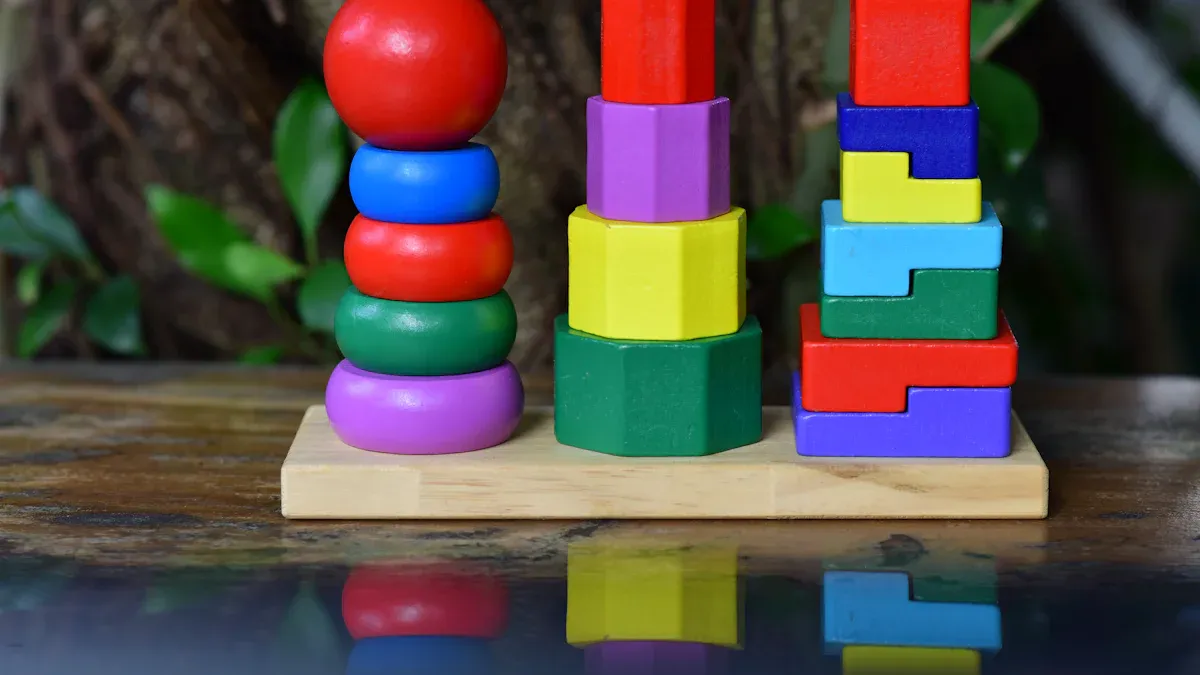
When you make a sensory room, you want to help every student. Occupational therapy experts say some items are very important. These items help students feel safe and pay attention. Here are some of the best things to put in a sensory room:
Therapy balls
Trampolines
Balance beams
Sensory tunnels
Climbing structures
Weighted blankets
Bean bag chairs
Soft inflatable pods
Sensory swings
Tactile mats
Foam play blocks
Crash pads
Resistance crawling tubes
These items help meet many different needs. Swings and trampolines help students move and balance. Weighted blankets and bean bag chairs give deep pressure. This helps students relax. Tactile mats and sensory bins let students touch different textures. When you pick sensory room equipment for schools, try to cover all types of sensory input.
Equipment/Tools | Purpose | Sensory System Targeted |
|---|---|---|
Swings & Bouncing Balls | Balance and movement | Vestibular |
Weighted Vests & Blankets | Deep pressure and calming | Tactile & Proprioception |
Sensory Bins & Textured Mats | Touch and texture exploration | Tactile |
Trampolines & Climbing Walls | Gross motor and movement | Vestibular |
Push & Pull Toys | Strength and body awareness | Proprioception |
Tip: Pick different items for a sensory room. Choose things that help with touch, movement, and deep pressure. This way, every student can find what helps them.
Balancing Calm and Movement
You need both calm and active tools in a sensory room. Some students want to jump and move. Others need a quiet spot to rest. Studies show sensory rooms help students feel better and less worried. Calming things like soft lights and gentle sounds make a peaceful space. Tools for movement, like swings and tactile panels, help students focus and use their energy.
Active sensory room equipment includes ball pits, therapy trampolines, and climbing structures. Calming equipment has music players, weighted blankets, and dim lights. You should decide if your sensory room will be more calming or more active. Some students need to relax, while others need to move around. You can make different areas in your room for both kinds of activities.
Active sensory rooms help students who want more action. These rooms have things for climbing, jumping, and swinging.
Calming rooms help students who feel stressed. These spaces use soft music, gentle lights, and deep pressure tools.
Note: The best sensory room equipment for schools gives students choices. Let them pick what helps them feel good.
Leemoland Product Recommendations
Leemoland makes great sensory room equipment for schools. You can find many items for a sensory room that fit different needs and budgets. Leemoland sensory liquid timers help students focus and relax. These timers show time passing and help with changes. Many teachers use them with students who have ADHD or autism to help with feelings and calm down.
Leemoland also has calming sensory toys that lower stress and help students pay attention. These toys give students a safe way to handle stress and too much sensory input. Using them often helps kids learn to control their feelings. The Leemoland Sensory Kit is special because it has many good toys. It has safe, easy-to-clean toys for students with autism and ADHD. Teachers like this kit because it lasts a long time and has many sensory options.
Kit Name | Key Features | Durability & Safety | Teacher Rating (out of 5) | Most Loved Feature |
|---|---|---|---|---|
Leemoland Sensory Kit | Many sensory toys, non-toxic, easy to clean | Durable, safe, easy to maintain | 4.8 | Variety and quality of sensory toys |
Tried & Tested Sensory Kit | Fidget spinners, stretchy strings, stress balls | Sturdy, good for daily use | 4.5 | Easy to use and portable |
Really Good Stuff Sensory Kit | Tactile balls, textured strips, calming bottles | Built for classroom use, strong | 4.6 | Calming tools for sensory breaks |
Leemoland sensory room equipment for schools lets students use their hands and move. Students learn by touching and moving the items. They solve problems and think in new ways as they try each tool. Using many senses helps kids grow and do well in school.
Tip: Start with a few main items for a sensory room from Leemoland. Add more as you see what your students like best.
Safety, Accessibility, and Budget
Safety Standards and Best Practices
Safety is very important in multi-sensory rooms. All equipment must follow school safety rules. Staff should always watch students in the room. Staff need training to use each tool the right way. This helps stop accidents and keeps everyone safe.
Here is a table that lists key safety rules for sensory room equipment:
Safety Standard | Description |
|---|---|
Supervision | Always watch students, especially those who need extra help. |
Equipment Usage | Keep all equipment inside the sensory room. |
Staff Training | Teach staff how to use equipment safely. |
Cleaning Protocol | Clean and disinfect equipment often. |
Equipment Checks | Check equipment often to make sure it works and is safe. |
Floor Safety | Put padding or crash pads on hard floors. |
Incident Documentation | Write down any accidents that happen. |
Communication System | Have a phone or speaker for emergencies. |
You can use best practices to keep the sensory room safe and peaceful:
Put the room close to classrooms but use soundproof walls.
Use soft things and panels to make it quieter.
Add lights you can dim for different needs.
Use weighted blankets and bean bags for calming deep touch.
Tip: Train staff well. When staff know what to do, students get more help from sensory therapy.
Accessibility for All Students
All students should be able to use multi-sensory rooms. This includes students with physical or learning disabilities. Make sure the room has ramps and wide doors for wheelchairs. Pick equipment that can change height so everyone can reach it. Use rugs that do not slip and tape down edges to stop trips.
Accessibility Feature | Description |
|---|---|
Ramps | Wheelchairs and walkers can get in easily. |
Wide Doorways | All students have space to enter the room. |
Height Adjustable Equipment | Works for students of different sizes and needs. |
You can add voice controls for students who cannot use their hands. Tools that do not need touch help more students join in. Make quiet areas for students who need a break. These ideas help every student get the most from sensory therapy.
Budget-Friendly Solutions
You do not need a lot of money to start a sensory room. You can make a small sensory corner in your classroom. Use things you already have, like beanbag chairs or blankets. Ask people in your community to donate items or raise money. Shop at thrift stores for good deals.
Here are ways to save money:
Start with a small area or corner.
Look for sales or used equipment.
Let students help pick what they like.
Leemoland has sensory room equipment that is affordable. Their products have safety features like wall brackets and soft holders. You can buy sensory tubes with bright lights and bubbles. Remotes let you change the colors. Prices are $176 to $206 for two tubes, and you get a one-year warranty. Leemoland is a good choice for schools with small budgets.
Note: You can build a sensory room little by little. Focus on what students need most, and add more later.
Organizing and Maintaining the Sensory Room
Zoning and Layout
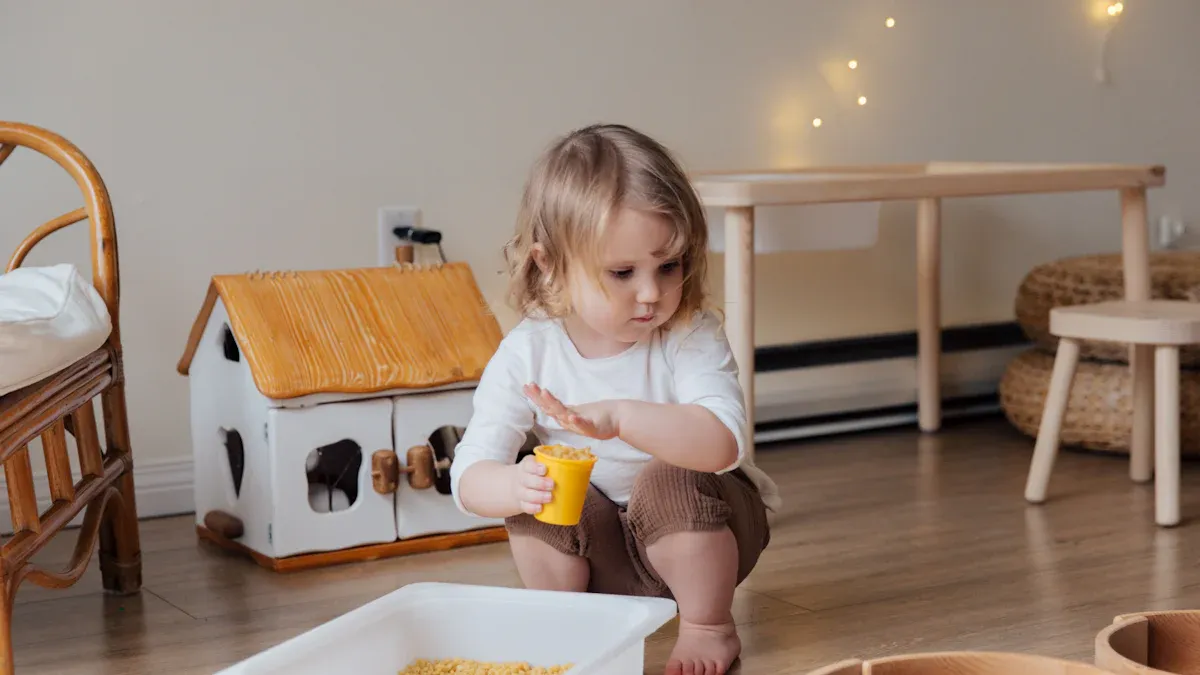
You can split your sensory room into different zones. Each zone has its own activity. This helps students know where to go. Calming zones use soft lights and gentle colors. These help students relax and feel safe. Interactive zones have sensory walls and tactile tools. Students can touch and explore these items. Movement areas have swings, trampolines, and balance beams. These spaces let students move and use their energy. Safety is important in every zone. Soft floors and clear paths help keep everyone safe. A good layout helps students with sensory challenges. It also makes the room less stressful for neurodivergent learners. The table below shows how design helps students.
Aspect | Impact on Engagement and Safety |
|---|---|
Sensory Challenges | Makes daily life easier for students. The space feels welcoming. |
Design Integration | Gives all students a safe and fun place to learn. |
Flexible Learning Spaces | Helps students grow and join in more activities. |
Integrating Technology
Technology can make your sensory room more fun. Schools use tools to help students learn and manage feelings. Augmentative reality tools, like AR sandboxes, let students play and learn. Immersive environments use lights and sounds to calm students. AI systems help therapists watch movement and progress. Interactive projectors mix pictures, sounds, and touch. These tools help students remember and pay attention. Multi-sensory rooms help students control feelings and lower stress.
Staff Training and Evaluation
Staff must learn how to use sensory room equipment. Training keeps students safe and helps staff do their jobs well. You can find webinars, videos, and free resources online. Training teaches staff about sensory processing and overload. It also shows how to help every student. Set clear goals for your sensory room. Track progress with daily notes and behavior charts. Review this information often to see what works. Change equipment and routines as students grow and improve.
You can make a helpful sensory space by asking experts for advice. Pick equipment that is safe and easy for everyone to use. Plan your room so students can move or relax. Begin with what you already own. Add new things as you find out what helps. Keep looking at your setup and change it when needed. Make sure it works for every student. Take a moment to look at your sensory room. Think about what you can do next to make it better.
FAQ
What is the main goal of a sensory room in schools?
You create a sensory room to help students manage their feelings and focus better. The room gives students a safe place to calm down, move, or explore. This helps them learn and feel comfortable at school.
How do you choose the right sensory equipment for different ages?
You look at what each age group needs. Young children like soft toys and mats. Older students use things like weighted pads or wobble stools. Ask teachers and therapists for advice.
How can you keep a sensory room safe for all students?
You check equipment often and clean it every day. You train staff to use each tool the right way. You use soft floors and keep walkways clear. You always watch students in the room.
Can you start a sensory room with a small budget?
Yes! You can use items you already have, like bean bags or blankets. You can ask for donations. You can start with a small corner and add more tools over time.
See Also
Effective Sensory Room Concepts for Educational Settings
Essential Elements of Effective ASD Sensory Rooms in Schools
Optimal Strategies for Creating ASD Sensory Rooms in Schools
Best Advice for Crafting Functional Sensory Rooms in Schools
