How to Choose Sensory Products from Catalogs

You want your child to have a great sensory experience. Picking sensory toys starts with knowing what makes each toy special. Leemoland’s sensory catalog has many kinds of toys. Some toys are for touch, some look cool, and some make sounds or help with movement. Look at the table below to see some types you can find:
Category | Defining Features |
|---|---|
Touchy-Feely Toys | Feel different textures and sensations |
Mouthy Toys | Give oral sensory input |
Eye-Catching Toys | Bright colors or moving parts |
Auditory Sensory Toys | Soothing or engaging sounds |
Tip: Pick sensory toys that your child likes best, not just what is popular. Always think about safety, how well the toy works, and if it is worth the price when you choose sensory toys.
Key Takeaways
Watch how your child reacts to different sensory things. This helps you know what they like and need.
Pick sensory toys that fit your child's interests. Do not just buy what is popular. Making choices for your child helps their sensory experience.
Ask experts like occupational therapists for advice on sensory toys. They can give tips based on your child's needs.
Use Leemoland's sensory catalog to look at products. Read the descriptions and reviews to help you choose.
Think about the right age when picking sensory gifts. Make sure toys are safe and fit your child's stage of growth.
Understanding Sensory Needs
Observing Preferences
You know your child better than anyone. Watch how your child acts with different sensory things each day. Some kids like bright lights or strong colors. Some kids cover their ears when sounds are loud. Your child might stay away from some textures. Some children look for soft fabrics to touch. These actions show what your child likes or does not like.
Here are some sensory needs you may notice in kids:
Over-responsivity (hypersensitivity) or under-responsivity (hyposensitivity) to things like sound, touch, or light.
Big reactions to loud noises or bright lights.
Not caring about pain or liking how things feel or sound in odd ways.
Tantrums when getting dressed or touching certain materials.
Try these easy steps at home:
Watch your child during play and daily routines.
Use checklists to find out what bothers your child.
Talk with your child about what feels good or bad.
Make a cozy spot with soft lights and calm textures.
Give noise-canceling headphones if loud sounds upset your child.
Keep a routine so your child feels safe.
Play can help you learn about your child’s sensory likes. Try finger painting, playing with sand, or dancing to music. See what makes your child happy or calm.
Consulting Professionals
Sometimes, you need help to figure out your child’s sensory needs. Occupational therapists can help you. They use special tools to check sensory processing and give advice for home and school.
Here are some tools that professionals use:
Assessment Tool | Age Range | Purpose |
|---|---|---|
4 to 9 years | Checks how sensory information helps with movement | |
Sensory Processing Measure (SPM) | 5 to 12 years | Looks at sensory patterns in different places |
Test of Sensory Functions in Infants (TSFI) | Infants | Finds sensory issues early |
Professionals get information from home, school, and other places. They see how sensory problems affect friends and daily life. They may also check your child’s mental health to understand everything.
Tip: Ask for help if you need it. Experts can suggest the best sensory toys and ideas for your child’s needs.
Sensory Toy Categories at Leemoland

Visual and Tactile Toys
Some kids like bright colors. Some kids like to squish things. Leemoland has many visual and tactile sensory toys. These toys help kids learn about colors and shapes. They also help kids feel different textures. Playdough, kinetic sand, and therapy putty are popular choices. There are textured balls and fidget tools for busy hands. Visual toys like light tables and magnetic tiles are fun. Color-changing toys help kids see movement and colors. Bubble tubes look cool and can help kids feel calm.
Type of Toy | Examples | Benefits |
|---|---|---|
Tactile Sensory Toys | Playdough, kinetic sand, therapy putty, textured balls, fidget tools | Helps kids feel different textures and gives special feedback. |
Visual Sensory Toys | Light tables, magnetic building tiles, color-changing toys, bubble tubes | Helps kids watch movement, see colors, and learn cause-and-effect. |
Tip: Use both visual and tactile toys together for more fun.
Auditory and Motor Skill Toys
Some kids like sounds or moving around. Leemoland has musical toys and sound puzzles. These toys help kids listen and enjoy music. Motor skill toys like balance boards and weighted balls are good for active play. Movement games help kids get stronger and improve balance. Weighted toys give extra feedback when kids move. Weighted balls and lap pads help kids feel steady while playing.
Auditory toys help kids listen better.
Motor skill toys help with balance and movement.
Weighted toys help kids feel calm.
Calming and Oral Toys
Some kids need help to relax. Calming toys and chewable toys can help a lot. Weighted blankets, lap pads, and soft plush animals help kids feel less worried. These toys help kids focus better. Chewable toys are safe for kids who like to chew. They help kids feel calm and comfortable.
Feature | Calming/Oral Sensory Toys | Other Sensory Toys |
|---|---|---|
Purpose | Give safe chewing and help kids feel calm | Give general sensory input |
Therapeutic Benefit | Help kids feel less anxious and focus better | Different benefits, not always calming |
Design | Made for safe chewing and comfort | Many designs, not always safe |
Chewable toys help kids feel calm and safe.
Weighted toys help kids relax.
Calming toys make a quiet space for kids.
Sensory Toys for Autism: Matching Products to Needs
Identifying Key Sensory Systems
Kids with autism have their own sensory needs. Some kids react strongly to sights, sounds, or textures. You might see your child cover their ears when it gets loud. Some kids like to spin or jump a lot. Your child may avoid bright lights or want big hugs. These actions show how their senses work.
Here are some common sensory challenges for kids with autism:
Sensitivities to sounds
Sensitivities to smells
Sensitivities to tastes
Sensitivities to touch
Sensitivities to balance (vestibular)
Sensitivities to body position and movement (proprioception)
Sensitivities to internal body cues (interoception)
Kids can be very sensitive or not sensitive enough. Your child might stay away from some things but want others. For example, they may close their eyes in bright rooms but love jumping on trampolines. You might notice hand flapping, spinning, or refusing some foods or clothes. These clues help you know which senses need help.
Sensory toys for autism help with these systems:
Sensory System | Example Toys | What They Do |
|---|---|---|
Auditory | Musical instruments, sound puzzles | Help with sound processing |
Tactile | Fidget toys, textured balls | Support touch and texture needs |
Vestibular | Swings, balance boards | Give movement and balance input |
Proprioception | Weighted blankets, resistance bands | Offer deep pressure and body input |
Visual | Light-up toys, bubble tubes | Engage sight and tracking |
Olfactory | Scented dough, smell jars | Stimulate sense of smell |
Gustatory | Chewable necklaces | Provide safe oral input |
Interoception | Breathing toys, body awareness games | Help notice internal sensations |
Sensory toys for autism help kids feel calm and safe. These toys can help kids control their feelings and actions. When you pick toys that match your child’s needs, you help them focus and relax.
Tip: Watch how your child feels after playing. The right sensory toys can help your child feel calm and in control.
Evaluating Activities and Context
Picking the best sensory toys means thinking about where your child will use them. You want toys that fit your child’s daily life. Some toys are good for home. Others work well at school or when traveling. Look at what your child likes to do. Notice when they seem happy or relaxed.
Try these steps to find what works:
Watch your child during play. Do they look calm or excited?
Look for signs like steady breathing or fewer meltdowns.
Give your child different sensory activities. Change toys to keep things fun.
Use toys in different places—like home, car, or school—to see what helps most.
You might see your child jump or spin when they need movement. They may flap their hands or rock when excited. Some kids cover their ears or eyes to block out too much noise or light. Others want certain foods or clothes because of how they feel or taste. These clues help you pick the right sensory toys.
Sensory toys do more than entertain. They help kids with autism learn social skills and connect with others. You can use toys to teach sharing, taking turns, and talking. Many sensory toys also help kids relax and focus. This support can make daily life easier and happier.
Note: Sensory toys for autism can help kids feel less overwhelmed and more in control. They give your child a safe way to explore and learn about their world.
When you pick sensory toys that fit your child’s needs and life, you help them grow and enjoy new things.
Sensory Catalog Features and Comparison
When you look at the Leemoland sensory catalog, you see more than toys. The catalog is a guide to help you pick the right sensory products. It has clear pictures and easy-to-read descriptions. There are real reviews from other parents. These things help you choose without feeling confused.
Product Descriptions and Reviews
Each product in the catalog has a detailed description. The description tells you which senses the toy helps. It explains how the toy works and what it does for your child. You can quickly see if a toy helps with touch, sight, sound, or movement. The catalog also says how each toy helps your child learn and grow.
Here’s what you might see in a good product description:
Description | Developmental Benefit | |
|---|---|---|
Tactile (Touch) | Lets kids feel textures, temperatures, and pressures. | Helps fine motor skills and sensory processing. |
Visual (Sight) | Uses colors, patterns, and light for the eyes. | Supports thinking and visual-spatial skills. |
Auditory (Hearing) | Uses sounds, music, and rhythms. | Helps with language and listening skills. |
Olfactory (Smell) | Uses scents and aromas. | Can help with feelings and memory. |
Gustatory (Taste) | Uses flavors and lets kids explore with their mouths. | Good for sensory exploration and safe oral play. |
Vestibular (Movement) | Uses balance and helps with knowing where your body is. | Helps big movements and body awareness. |
Proprioceptive | Gives feedback about body position and movement. | Helps kids know where their body is and move better. |
You can use these details to match toys to your child’s needs. If your child likes bright colors, pick visual toys. If your child needs help moving, look for toys that help with balance.
The catalog also has reviews from other families. These reviews tell you how the toys work at home or school. You can see what other parents liked and what helped their kids.
Here’s what reviews often talk about:
Common Complaints | |
|---|---|
People say toys help calm kids during meltdowns | Some toys leak after months, especially cheaper ones |
Kids focus better on homework | Liquid gets cloudy, caps fall off, or colors fade |
Well-made tubes last a long time | Some kids get bored fast, so the toy may not fit |
More students join in when using sensory tools | Batteries die quickly or lights flicker in LED toys |
Tip: Always read the product description and reviews. This helps you find the best sensory toys for your child.
Comparing Value and Quality
You want good toys for your child and good value too. The catalog lets you compare toys side by side. You can check price, features, and what makes each toy special. Leemoland’s catalog shows safety and durability, so you know you can trust the toys.
When you compare toys, remember these things:
Description | |
|---|---|
Product Range & Innovation | Look for lots of toys and new ideas. |
Quality & Safety Standards | Make sure toys are safe and last a long time. |
Customization & Flexibility | Some toys can be changed for different needs. |
Pricing & Value | See if the price matches the quality and features. |
Distribution & Accessibility | Pick toys that are easy to order and arrive fast. |
Customer Support & Training | Good help and guides make toys easier and more fun to use. |
The catalog sorts toys by category, age, and sensory system. This helps you find what you need quickly. You can filter by calming toys, fidget tools, or toys for movement. The catalog also shows which toys are best for certain ages or needs.
Note: If you feel unsure, Leemoland’s support team can help you pick the right toys. They answer questions about features, safety, and how to use each toy.
By using the sensory catalog, you can compare choices, read reviews, and pick toys that fit your child and your budget. You can feel good knowing you chose safe, high-quality toys that help your child grow.
Sensory Toy Gift Guide: Choosing the Right Gifts
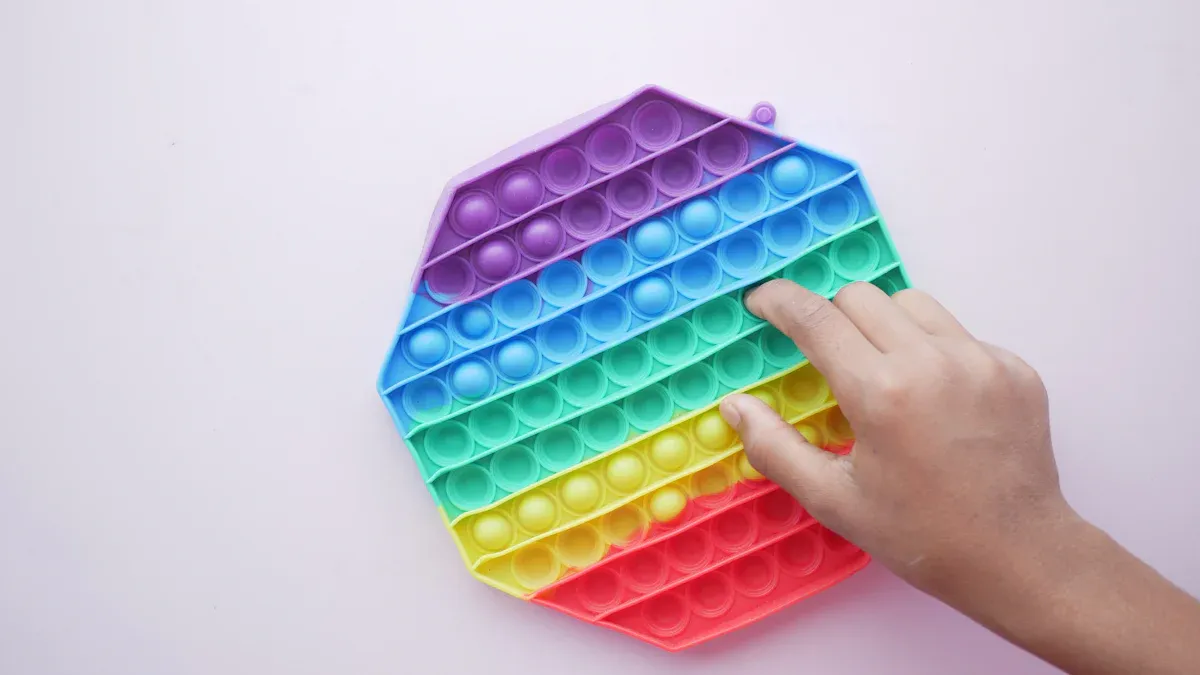
Are you searching for the perfect sensory gifts? The sensory toy gift guide helps you find toys that make kids smile and support their needs. Picking gifts can feel tricky, but you can make it easy by thinking about age, interests, and sensory challenges.
Selecting Age-Appropriate Options
You want your gifts to match the child’s age and stage. Sensory toys come in many shapes and sizes, so it helps to know what works best for each group. Here’s a quick look at what most manufacturers recommend:
Infants (0–12 months): Choose soft, durable toys with no small parts. Look for sensory toys that light up, make gentle sounds, or have different textures.
Toddlers (1–3 years): Pick sturdy push/pull toys, large blocks, and simple ride-ons. These gifts help with movement and motor skills.
Preschoolers (3–5 years): Pretend play sets, non-toxic art supplies, and puzzles are great sensory gifts. Kids can get creative and explore new textures.
School-age kids (6–12 years): STEM kits, sports gear, and craft projects support learning and physical activity. Sensory toys for this age group often encourage problem-solving and teamwork.
Safety matters most for younger kids. Always check for choking hazards and make sure materials are safe. Age guidelines help you choose gifts that fit a child’s skills and abilities.
Considering Interests and Challenges
You know your child’s likes and dislikes better than anyone. Sensory gifts work best when you match toys to their interests and sensory needs. Some kids love dinosaurs or trains. Others want toys that move or make noise. You can watch how your child reacts to different sensory toys and pick gifts that make them happy.
Think about your child’s sensory profile. Are they sensitive to sound or do they seek extra movement?
Tailor gifts to individual needs. Tactile kids may love putty or stress balls. Auditory-sensitive kids might need noise-reduction earmuffs.
Notice what themes excite your child. If they love animals, pick sensory toys with animal shapes or sounds.
Gifts that promote movement, like balance boards or jump ropes, help with gross motor skills.
Sensory toys are not just for kids. Neurodivergent adults can enjoy gifts designed for children, too.
You can use the sensory toy gift guide to find gifts that match your child’s personality and sensory challenges. When you choose toys based on age, interests, and needs, you give a gift that brings joy and comfort.
Consulting Experts for Personalized Advice
Occupational Therapist Recommendations
It can be hard to pick sensory toys. Occupational therapists know how to help. They match toys to your child’s needs. When you talk to them, you get advice that fits your child. Therapists suggest toys and activities for different senses. Here are some things they often recommend:
Messy play toys for fun with hands
Texture painting supplies like finger paints
Sensory bins with rice, beans, or sand
Water play toys for splashing and pouring
Slime and play dough for squeezing and molding
Crafting materials for creative play
Heavy work movement toys for deep pressure
Sensory equipment like swings or tunnels
Balance beams for movement and coordination
Bouncing toys for active breaks
You can ask your therapist which toys are best. They may watch your child play and see what makes them happy or calm. Therapists also help you make safe sensory spaces at home.
Tip: Write down your child’s favorite sensory activities. Share the list with your therapist for better advice.
Using Leemoland’s Support Services
You do not have to choose sensory toys alone. Leemoland’s support team is here to help you. Their experts guide you in picking the right products.
Here’s how you can use their support:
Notice if your child pulls away or gets upset.
Work with therapists or teachers for extra advice.
You can also follow these steps for good results:
Talk about your child’s likes and dislikes with therapists or teachers.
Ask for a list of recommended sensory toys.
Try new sensory play ideas at home or in therapy.
Tell your support team what works and what does not.
Leemoland’s team listens to your concerns. They help you find toys that fit your child’s needs. You get advice that makes shopping easier and more personal. With expert help, you can feel sure about your choices.
You want to pick the right sensory products from catalogs. First, learn what your child likes and needs. Experts say you should follow these steps:
Watch your child play and see what they enjoy.
Pick sensory toys from different groups, like visual, tactile, and auditory.
Choose toys that match your child’s interests.
Look at this table to see why knowing your child’s sensory needs is important:
Sensory Modality | Importance Rating | Product Type |
|---|---|---|
Vision | Highest | General |
Touch | Second Highest | Varies |
Smell | Varies | Specific |
Audition | Varies | Specific |
Taste | Varies | Specific |
If you need more help, there are good websites online:
STAR Institute for sensory health
Ultimate Guide to sensory toys and tools for kids
Sensory toy categories for every need
Trust what you see when your child plays. Ask experts if you are not sure. Leemoland can help you pick the best toys. When you choose carefully, you help your child have fun and learn.
FAQ
What are sensory toys?
Sensory toys help you explore touch, sight, sound, and movement. These toys can calm you, boost focus, or make playtime more fun. You find many types in the Leemoland catalog.
How do I know which sensory toy is best for my child?
Watch your child play. Notice what makes them smile or feel calm. You can ask teachers or therapists for advice. Leemoland’s support team can also help you pick the right toy.
Are Leemoland sensory toys safe for all ages?
Yes! Leemoland designs toys for different age groups. You should always check age recommendations and safety notes in the catalog before you buy.
Can sensory toys help with learning challenges like autism or ADHD?
Absolutely! Sensory toys support kids with autism, ADHD, and other learning needs. These toys can help with focus, relaxation, and social skills. Many families and teachers use them every day.
See Also
Selecting The Perfect Sensory Chair For Your Child
Enhancing Your Brand Through Personalized Sensory Toys
Understanding Sensory Interactive Products For Special Needs Education
