How to Pick Safe Tactile Toys for Autism
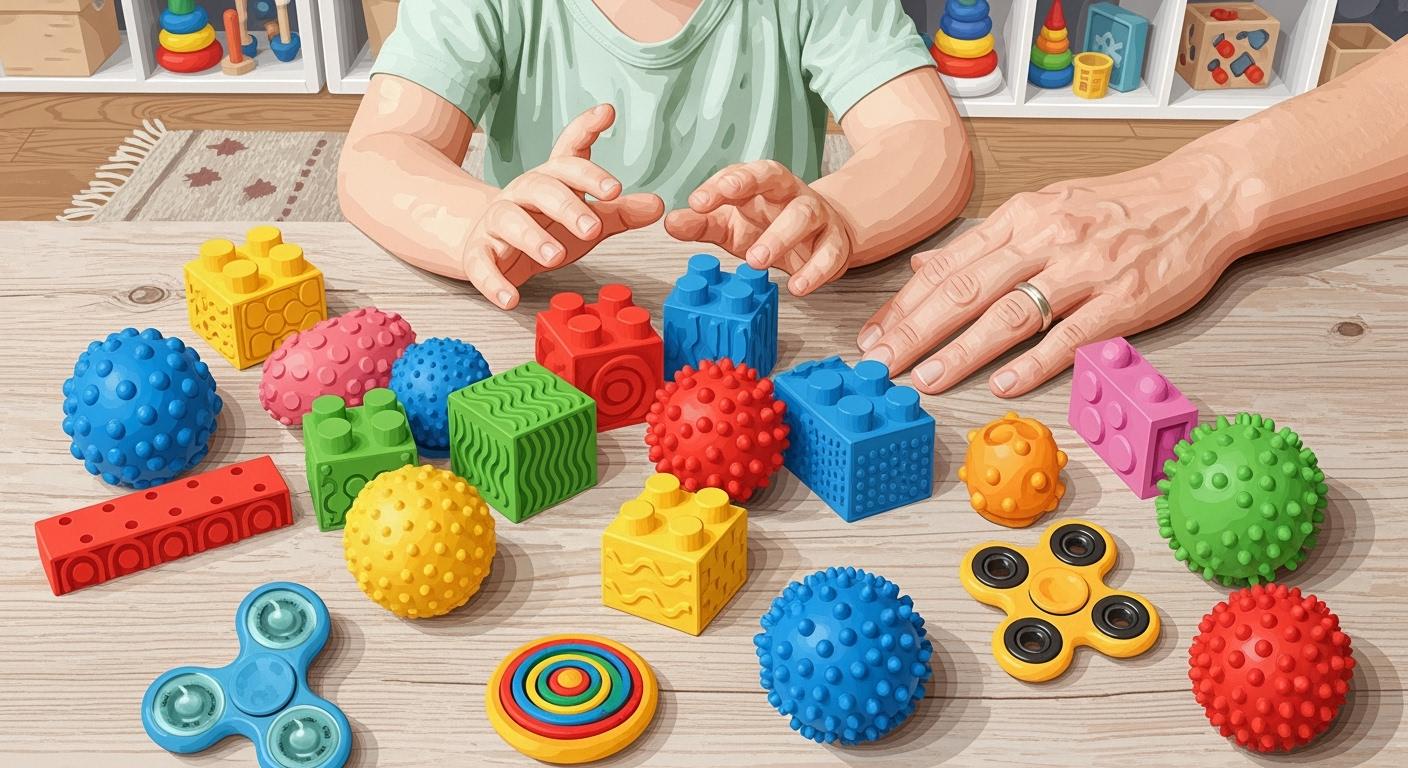
You want your child to have fun with tactile toys for autism, but being safe is most important. Every child with autism has different sensory needs, so picking the right tactile toy is important. You can try Sensory Bean Bags, Tactile Discs, or a Foam Puzzle Mat to make your child interested. A Tactile Ball Set or a Silicone texture Mat can help make playtime safe and fun for kids. Trust yourself and see how your child acts with each toy.
Key Takeaways
Pick tactile toys that use non-toxic and BPA-free materials. This helps keep playtime safe. - Find strong toys that will not break easily. Make sure they do not have small parts. This lowers the risk of choking. - Watch how your child reacts to different textures and materials. This helps you find toys your child likes. - Ask therapists or other experts for help. They can give good advice about the best sensory toys for your child. - Clean sensory toys often. This keeps them clean and makes play safer.
What Makes Tactile Toys for Autism Safe
Key Safety Features
It is important to pick safe tactile toys for autism. These toys come in many shapes, sizes, and textures. Some have soft bumps. Others feel squishy or have smooth edges. These textures let your child play and explore safely. Safety is always the most important thing. You should look for these features:
Non-toxic and BPA-free materials help keep your child safe.
Food-grade silicone and natural wood are gentle on skin and safe if chewed.
Toys made for infants usually follow strict safety rules.
Strong toys last longer and do not break easily.
Toys without small parts or loose pieces lower choking risks.
You can read labels and check for safety marks before buying. Many brands put safety information on the box. If you see “BPA-free” or “food-grade,” the toy is safe for sensory play.
Tip: Watch your child when they play, especially with new toys or fidgets. This helps you notice problems early and keeps playtime safe.
Why Safety Matters
Safe tactile toys for autism do more than just protect your child. They help your child enjoy sensory play and learn new skills. When you pick toys with safe textures and strong materials, you help your child’s senses grow. Here are some ways safe sensory play helps:
Benefit | Description |
|---|---|
Your child learns to handle sensory input and stay calm. | |
Communication Enhancement | Sensory toys help your child talk and interact with others. |
Social Interaction Skills | Sensory play lets kids connect and share with friends. |
You want your child to feel safe and happy. Safe tactile toys for autism let your child try new textures and feelings. This helps your child trust and learn new things for daily life. When you focus on safety, you make playtime fun and easy.
Understanding Sensory Needs in Autism

Identifying Sensory Preferences
Each child with autism has their own sensory needs. You may see your child like some textures but not others. Some kids enjoy soft blankets or squishy fidget toys. Others do not want to touch sticky or rough things. Watching these reactions helps you choose good tactile toys for autism.
Here’s a quick look at common sensory likes and dislikes:
Preference/Aversion | Description |
|---|---|
Strong dislike of certain fabrics/textures | Your child may not wear socks or some clothes. |
Avoidance of messy play | Many kids stay away from sand, slime, or messy play. |
Discomfort with physical contact | Some kids avoid hugs or close touch because of sensitivities. |
You can find patterns by watching your child play. Notice what makes them happy or what they avoid. Try making a list of what your child likes and dislikes. Let your child help with this if you can. Ask easy questions or let them show you which sensory toys for autism they like. This helps you support their sensory needs and feelings.
Recognizing Triggers
Triggers are things that make your child feel upset or worried during play. Some tactile toys have materials or textures that bother your child. For example, rough or itchy fabrics like wool can be too much. Wet clothes or sticky things might also make your child feel bad. Even a light pat on the back can sometimes cause stress or meltdowns.
To help your child stay calm, try these tips:
Do not use toys with strange or new textures.
Pick tactile toys with smooth, gentle materials.
Watch for signs of overload, like covering ears or pulling away.
Give breaks during play to help your child stay calm.
When you know your child’s triggers, you can choose sensory toys for autism that help them. The right toys can make playtime safe and fun, turning therapy into a relaxing time.
Safety Criteria for Tactile Sensory Toys
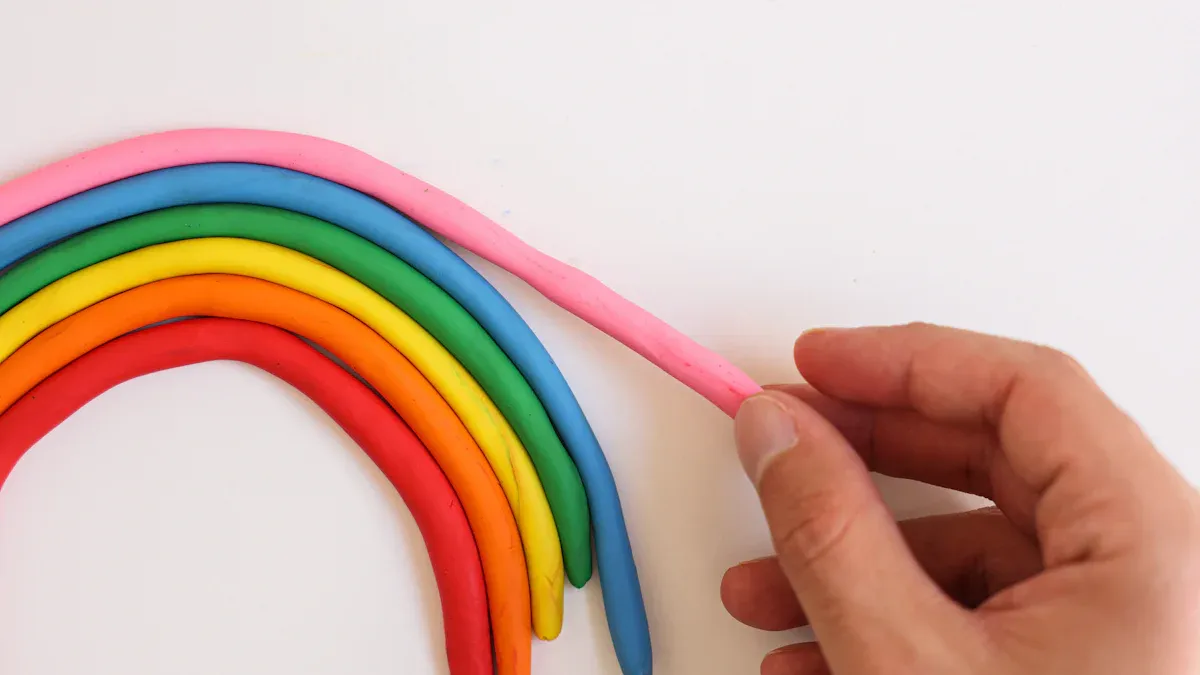
Non-Toxic and BPA-Free Materials
You want your child to explore sensory play without worry. Always check that tactile sensory toys use non-toxic and BPA-free materials. These materials keep your child safe if they put toys in their mouth. Look for labels that say “BPA-free” or “food-grade.” Many safe sensory toys use silicone or natural wood. These textures feel good and do not cause harm. You can trust these materials for everyday sensory play.
Tip: If you smell a strong chemical odor, skip that toy. Good tactile toys for autism should not have strange smells.
Avoiding Choking Hazards
Choking hazards are a big concern for parents. You need to check for small parts or pieces that can break off. Choose toys that are one solid piece or have large parts. This lowers the risk during sensory play. Fidget toys with beads or buttons can be fun, but only if they are secure. Always read the age recommendations on the box. If you have younger children, pick toys made for toddlers. These toys pass strict safety checks for choking hazards.
Toy Type | Choking Risk | Safe for Sensory Play? |
|---|---|---|
Large Tactile Ball | Low | Yes |
Small Bead Fidget | High | No (unless secured) |
Silicone Texture Mat | Low | Yes |
Easy to Clean and Durable
Sensory toys for autism get a lot of use. You want toys that are easy to clean and last a long time. Pick tactile toys with smooth surfaces and simple shapes. You can wipe them down or wash them with soap and water. This keeps germs away and helps your child stay calm during sensory play. Durable toys stand up to squeezing, bending, and stretching. They keep their shape and textures, even after lots of sensory processing. When you choose easy-to-clean toys, you make sensory play safe and stress-free.
Note: Clean toys often, especially after playdates or outdoor sensory activities.
You can help your child enjoy sensory play with safe tactile toys for autism. Focus on materials, choking hazards, and durability. This way, you support your child’s sensory needs and keep playtime fun and calm.
How to Choose Sensory Toys for Autism
Checking Labels and Certifications
When you pick sensory toys for autism, always read the labels. Labels show if toys are safe for kids. Look for words like “BPA-free,” “non-toxic,” or “food-grade.” These words mean the toy is made from safe stuff. Toys with these marks have passed safety tests. They follow rules for children’s products. If you see a trusted label, you know the toy is safe.
Leemoland is a good brand for safe sensory toys for autism. Their toys use safe materials and are strong. You can trust their toys for play, therapy, and daily use. Leemoland toys have fun features for touch, sight, and sound. These toys help with sensory processing and help kids feel calm.
Tip: If a toy smells bad or has no clear label, do not buy it. Safety is most important.
Reading Reviews and Recommendations
Online reviews can help you learn about toys. Some people write about fast shipping and good service. Others talk about bad service or problems with the company. You might read, “One happy customer here, thank you to the warehouse elves!” or “Absolutely disgraceful service off this company… avoid this site.” These reviews show you should look for patterns. Do not trust just one review.
Professional advice is even more helpful. Occupational therapists often suggest good sensory toys for autism. Their tips can help you pick toys that help with sensory needs and stop meltdowns. Some parents wish they checked reviews before buying. Others are happy when they follow expert advice. For the best choice, use both reviews and expert tips.
Source | What to Look For | Why It Matters |
|---|---|---|
Customer Reviews | Delivery, quality, service | Real-life experiences |
Professional Advice | Therapy benefits, sensory fit | Expert knowledge |
Certifications | Safety marks, age-appropriate labels | Trusted standards |
Observing Your Child’s Response
You know your child better than anyone. Watch how your child acts with new tactile toys for autism. Some kids like soft things. Others like firm or bumpy toys. Notice if your child is calm, happy, or upset during play. Look for signs like covering ears or moving away. If your child likes a toy, use it more. If not, try a different texture or material.
Watch how your child reacts to different toys.
Notice signs of sensitivity, like pulling away or getting upset.
Make sure toys are safe and meet safety rules.
Pick toys that match what your child likes. This helps your child feel calm and less anxious. Try calming fidget toys, sensory chew toys, or weighted blankets. Ask therapists or teachers for more ideas. Choose toys that your child can use as they grow.
Gradual Introduction and Modeling Play
It is best to go slow with new sensory toys for autism. Start with simple toys and let your child try them. Show your child how to use the toy, but do not force them. Let your child say “no” if they want. This helps stop meltdowns and builds trust.
Slowly add new textures, smells, or movement.
Let your child stop if they feel bad.
Check your child’s sensory needs to avoid triggers.
Use pictures or stories to explain activities first.
Make calm spaces with books, puzzles, or glitter bottles.
Try sensory bottles, movement stations, or calming fidget toys. In movement stations, give choices and clear steps. For kids who do not like touch, start with dry textures. Later, try messier play. You can make sensory toys at home, like cornflour putty or shaving foam bags, to help your child relax.
Picking sensory toys for autism means thinking about safety, comfort, and your child’s needs. Leemoland has many tactile sensory toys for play, therapy, and stopping meltdowns. Their toys help with sensory needs and give therapy benefits. When you pick toys your child likes, you make playtime happy and calm every day.
Consulting Professionals for Sensory Toy Selection
When to Seek Expert Advice
Sometimes you are not sure which sensory toys to choose. Your child might not like some sensory play activities. Maybe your child feels stressed or does not care about new toys. This is when you should talk to an occupational therapist or an educator. These experts understand sensory processing and can help you find toys that fit your child.
You can ask for help from professionals when:
Your child reacts strongly to sensory play.
You see meltdowns or stress during playtime.
You want to make a sensory diet to keep your child calm.
You need ideas for toys that help with therapy goals.
Expert advice helps a lot. Professionals help you set up sensory experiences step by step. These activities teach your child ways to cope and get along with others. Sensory play also helps your child talk more and connect with people.
Collaborating with Therapists and Educators
Working with therapists and educators gives you more choices for sensory toys. You can tell them what you notice at home and ask for their thoughts. Therapists often suggest toys that match your child’s needs. Educators may share sensory play ideas for school or group time. You can try fidget toys, sensory mats, or weighted items based on their tips.
Here’s how you can work together:
Talk about what your child likes and dislikes.
Ask for a list of sensory toys they recommend.
Try new sensory play ideas at home and in therapy.
Share what works and what does not with your team.
Leemoland has many sensory toys for home and therapy use. You can find toys for therapy, classroom play, or everyday fun. Their toys help kids with autism explore textures, sounds, and movement safely. You can trust Leemoland to help your child with sensory processing and make a calm space.
Tip: Write down your child’s favorite sensory toys. Share these notes with therapists and teachers so everyone can help your child together.
You want your child to be happy and safe. Start by thinking about safety and what your child needs when picking tactile toys for autism. Pick toys that are strong and made from safe materials. Watch how your child plays with each toy. Be ready to change toys as your child’s needs change. Here are the most important things to remember:
Factor | Description |
|---|---|
Safety | Pick toys made from non-toxic materials so play is safe. |
Material Quality | Choose strong toys that last a long time, even with rough play. |
Sensory Engagement | Get toys that use more than one sense, like touch, sight, and sound. |
Developmental Benefits | Find toys that help your child learn and build small hand muscles. |
Keep watching your child as they play. What your child likes may change over time. You can help by changing activities when needed. Watching your child helps you make a sensory diet, help with changes, and support talking.
Evidence Point | Description |
|---|---|
Giving your child different sensory activities helps them stay calm and learn ways to handle new things at school and with friends. | |
Sensory preferences accommodation | Doing activities your child likes makes them feel good and helps them try new things slowly. |
Transition support | Using favorite sensory activities helps your child feel safe and learn to handle changes. |
Communication enhancement | Playing with sensory toys helps your child talk, connect, and learn new words with fun activities. |
Making good choices helps you and your child have fun together. Be ready to change, keep learning, and enjoy every part of this journey.
FAQ
What are the safest materials for tactile toys?
You should look for toys made from food-grade silicone, natural wood, or BPA-free plastic. These materials feel good and do not harm your child. Always check labels for safety marks.
How do I know if a toy is a choking hazard?
Check if the toy has small parts or pieces that can break off. If a toy fits inside a toilet paper roll, it may be a choking risk. Always read the age recommendation on the package.
How often should I clean sensory toys?
You should clean sensory toys after each use, especially if your child chews on them. Use warm water and mild soap. Some toys are dishwasher safe—check the label for cleaning instructions.
Can I use sensory toys for therapy at home?
Yes! You can use sensory toys for play and therapy at home. Start with simple toys. Watch how your child reacts. Ask your child’s therapist for tips if you need more ideas.
Where can I find high-quality tactile toys for autism?
You can find safe and fun tactile toys at Leemoland. They offer a wide range of sensory toys for home, school, and therapy. Their toys support children with autism and other learning needs.
See Also
Autism-Friendly Sensory Toys Create A Calm Play Environment
Key Features Doctors Seek In Sensory Toys For ADHD
Evaluating Tactile Sensory Toys For Varied Children's Requirements
The Role Of Sensory Toys In Enhancing Motor Skills
Assessing Tactile Sensory Toys For Daily Playtime Activities
