Tips for Choosing the Best Bulk Fidget Toys for Classrooms
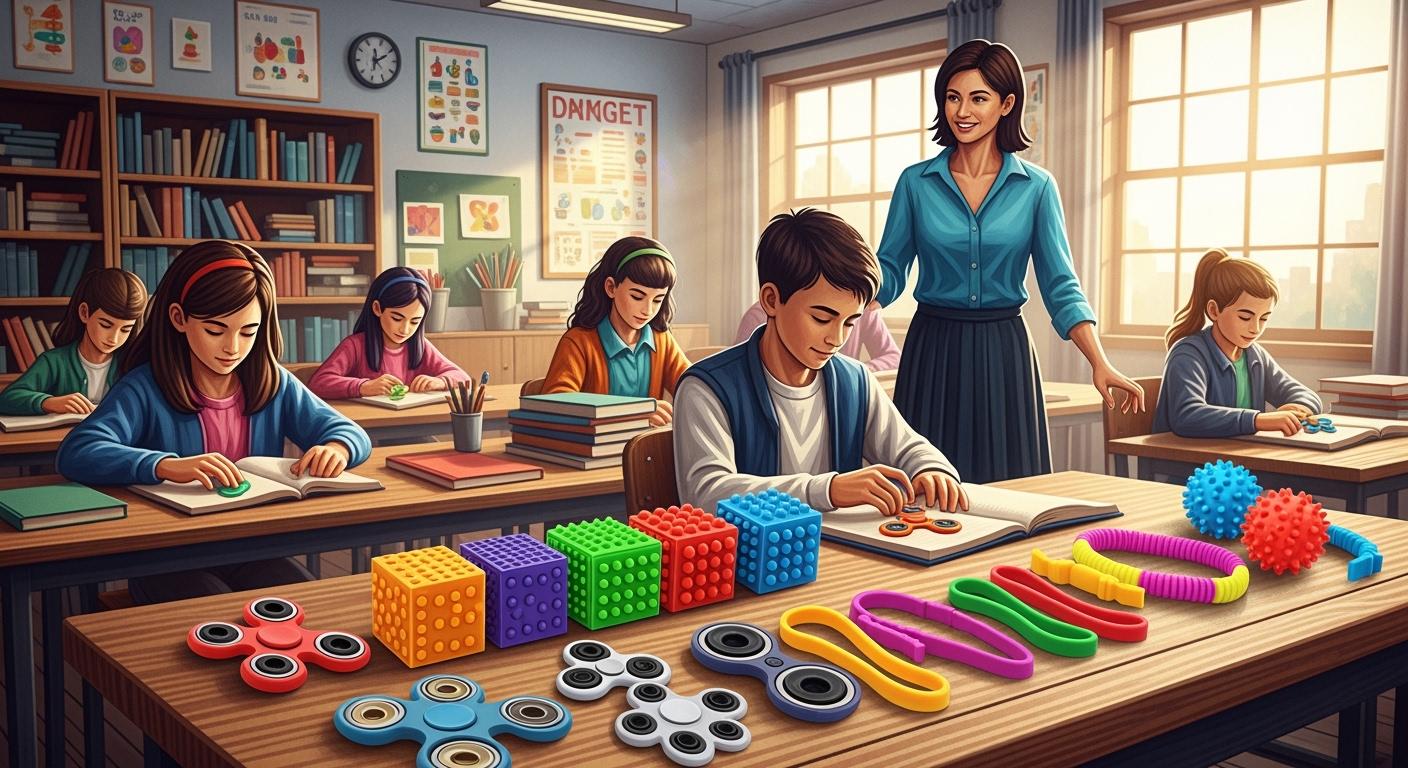
Ever thought about ways to help students focus? You can use bulk fidget toys in your classroom. These tools help students pay attention and feel calm. They work well during busy lessons. Pick quiet fidget toys that teachers like. This way, everyone gets help.
Picking the right fidgets can change restless energy into good behavior. Want to know how to choose the best ones?
Key Takeaways
Fidget toys help students pay attention and feel less nervous. Pick toys that match what your students need.
Choose quiet fidget toys to keep the room peaceful. Do not pick loud toys that might bother others.
Think about the right fidget toys for each age group. Younger kids may need toys to help them focus. Older kids may want toys to help with stress.
Make sure the toys are safe and strong. Pick toys made from safe materials. Choose toys that will last a long time.
Let students help choose the fidget toys. Allow them to try different toys to see which ones help them most.
Benefits of Fidgets in the Classroom
Focus and Engagement
You want students to listen and join in. Fidgets can help with this. When students hold or squeeze a fidget, they use their extra energy. Some students focus better with fidgets. Others might get distracted if they switch between the toy and their work. Research does not always agree. Look at this table:
Study Focus | Findings |
|---|---|
2018 Study on ADHD | |
Cognitive Load Study | Some students had trouble remembering things because they switched attention between the fidget and their work. |
Fidgets help some students, but not everyone. Try different fidgets and see what works for your class. Using bulk fidget toys lets you give students choices.
Stress Relief
School can be stressful. Fidgets help students feel less anxious and more calm. You might see students using fidgets to keep their hands busy. Here are some ways fidgets help with stress:
Fidgets turn extra energy into small actions.
They help students with anxiety feel more in control.
The feel and movement of fidgets can help students feel calm.
Giving students fidgets gives them a simple way to relax and pay attention.
Positive Behavior
You want your classroom to be calm and focused. Fidgets can help students behave better. Many students say fidgets help them stay on task. Some use fidgets instead of their phones. Not every fidget works for every student. Studies show fidget spinners may not help and can make students less focused. Pick fidgets that fit your class. Watch how students use them and change your choices if needed.
Tip: Try a few types of fidgets first. See which ones help your students focus and behave well.
Choosing Bulk Fidget Toys
Age Appropriateness
When you pick bulk fidget toys for your classroom, think about the age of your students first. Younger kids, like those in elementary school, need toys that help them focus and learn during lessons. Middle and high school students often need tools that help with stress and emotions. Every student is different. Some like squishy toys, while others prefer pop bracelets or mini pop bubbles. You can ask your students what they like. Try giving them one new tool at a time. This helps them get used to it and keeps things simple. Also, remember to check if any students have special sensory needs before you choose.
For ages 6–10: Pick toys that help with focus and self-control.
For ages 11 and up: Choose tools that help manage stress and emotions.
Let students help pick their fidgets.
Start with one tool at a time.
Watch for sensory sensitivities.
Sensory Needs
Every student has unique sensory needs. Some like soft textures, while others want something stretchy or bumpy. When you wonder how to choose a fidget tool, think about what feels good for your students’ hands. You can find many types of bulk fidget toys that meet different needs. Here’s a quick look at how different toys help:
Type of Fidget Tool | Sensory Need Addressed | Example Tools |
|---|---|---|
Tactile | Extra or less touch needed | Spiky balls, plush toys |
Textured Objects | Varied sensory input | Spiky rings, silicone mats |
Oral Stimulation | Reduce hyperactivity | Chewy fidget toys |
Soft, breathable fabrics can help students feel comfortable. Fidgeting can help them pay attention during tough tasks. Fidgets also help students relax and focus.
Tip: Variety packs are a smart choice. They give you lots of options, so every student can find a favorite.
Quiet and Non-Distracting Options
You want your classroom to stay calm and focused. That means picking fidgets that do not make noise. Quiet toys like spinners, magnetic balls, rollers, and textured strips work well. These toys let students fidget without bothering others. Here’s a table to help you see which toys are best for quiet use:
Toy Type | Best For | Noise Level | Discretion | Setting |
|---|---|---|---|---|
Quiet Spinners | Steady focus | Silent–Quiet | Good (under desk) | Classroom |
Magnetic Fidget Balls | Tactile and visual patterns | Silent | Excellent | Classroom |
Rollers | Soothing finger motion | Silent | Excellent | Classroom |
Textured Strips/Stones | Tactile input | Completely silent | Excellent | Classroom |
Silent Clickers | Button-press feel | Silent–Quiet | Good | Classroom |
You can remind students to use their fidgets in one hand and keep them below the desk. No throwing or trading. If a toy makes noise, ask the student to put it away.
Teacher Approval
Before you buy bulk fidget toys, check which ones teachers like best. Many teachers recommend toys like gel bead sensory shapes, Crayola Globbles, pop bracelets, mini pop bubbles, squishy toys, sticky toys, spiky rings, spiky balls, and pull-back animals. These toys help students stay engaged, focus during lessons, and manage anxiety. When you think about how to choose a fidget tool, talk with other teachers. Ask what works in their classrooms. Look for toys that get good reviews and ratings.
Popular choices: Gel bead sensory shapes, Crayola Globbles, pop bracelets, mini pop bubbles, squishy toys, sticky toys, spiky rings, spiky balls, pull-back animals.
These toys help students focus and feel calm.
Teachers like toys that are easy to clean and safe for all ages.
Note: Buying variety packs of bulk fidget toys helps you meet many sensory needs. You can use them for classroom rewards, party favors, or calming corners.
Safety and Durability
Material Safety
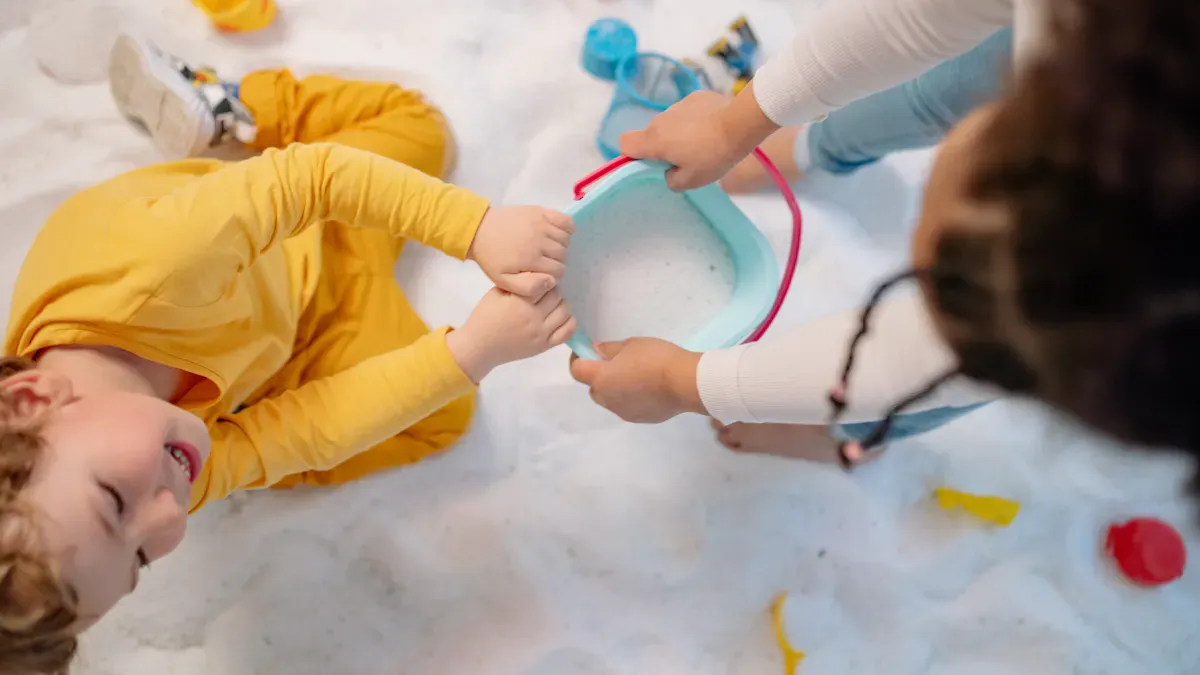
You want fidget toys to be safe for students. Always check what the toys are made of before buying. Pick toys made from good wood, silicone, or fabric. Safe finishes like food-grade mineral oil or beeswax keep students safe from bad chemicals. Stay away from toys with lead paint or formaldehyde glue. You can find safety certifications on the box or the maker’s website. Here is a table that shows some trusted certifications:
Certification | Description |
|---|---|
FSC Certification | Sustainably sourced wood |
GREENGUARD Gold | Low chemical emissions |
OEKO-TEX Standard 100 | Textile safety for fabric elements |
PEFC Certification | Sustainable forest management |
Tip: If you do not know if a toy is safe, ask customer service or check official lists for real certifications.
Non-Toxic and Lightweight
Fidget toys should be non-toxic and light. These toys are easy for students to use and carry. Non-toxic toys help keep everyone safe in class. Look for certification logos on the box. Check the maker’s website for test certificates. You can ask for special test papers if you want to be sure. Light toys are safer and easier to clean up. They also make storage simple.
Look for certification logos on the box.
Check the maker’s website for test certificates.
Ask customer service for more safety details.
Ask for special test papers if needed.
Check official lists to make sure certifications are real.
Durability for Frequent Use
You want toys that last a long time. Toys need to be strong because students use them every day. Choose toys made from tough silicone or hard plastic. Toys that are easy to clean help keep your class neat. Strong toys save money because you do not need to buy new ones often. Teachers like toys that can handle lots of use and cleaning. You can use these toys for rewards, calming corners, or special events.
Note: Toys that are strong, safe, and easy to clean help make your classroom better for everyone.
Types of Fidget Tools
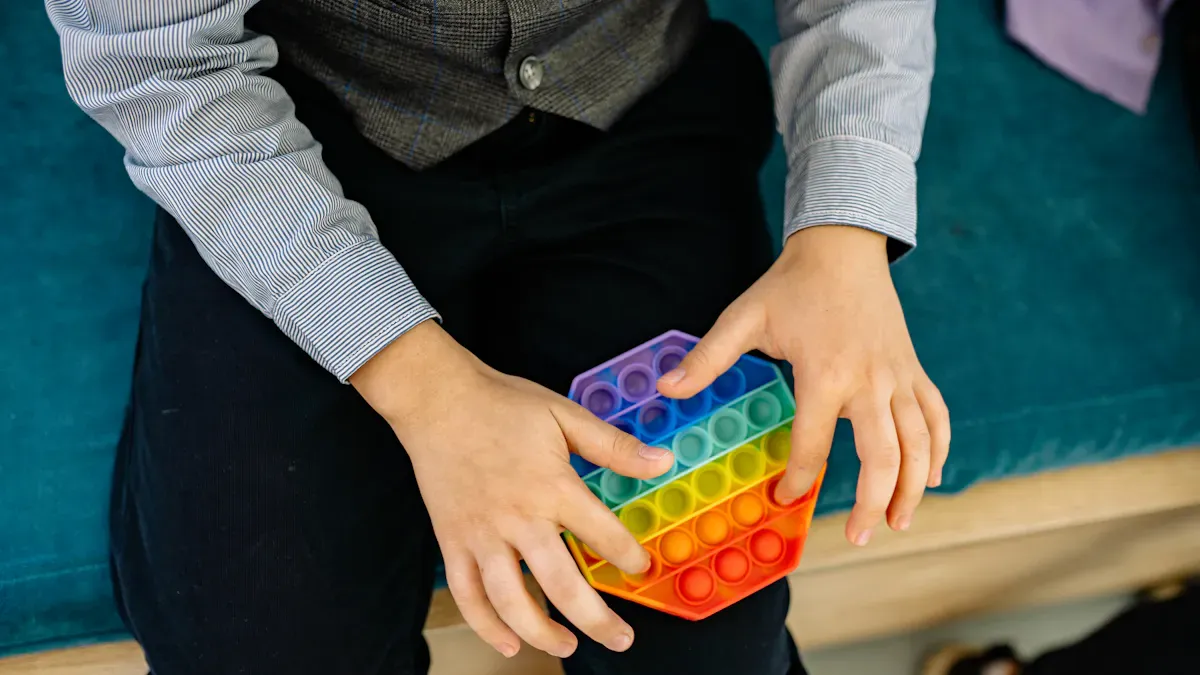
You have many types of fidget tools to choose from for your classroom. Each tool offers something different. Some help with focus, while others calm nerves or keep hands busy. Let’s look at some popular options.
Spinners and Cubes
Fidget cubes stand out for their sensory benefits. You can click, roll, or spin different sides. These cubes help balance your sensory system and give your hands something to do. Many students say cubes help them focus without causing distractions. They also offer stress relief and support fine motor skills. Some teachers notice that cubes spark creativity in students. In a recent survey, over 80% of parents said their children paid better attention when using sensory fidgets like cubes.
Tip: You can find fidget cubes in different colors or even add your school logo for special events.
Stress Balls and Putty
Stress balls and putty are classic choices. Students often squeeze them to let out nervous energy. Many say these tools help them focus and stop habits like nail-biting. Crazy Aaron’s Thinking Putty is a favorite because it feels good and stretches in many ways. Stress balls give your hands a steady, calming feeling. Putty lets you stretch, roll, or squish it for a soothing touch.
Stress balls and putty help reduce stress.
They keep hands busy and minds focused.
Both work well as classroom rewards or party favors.
Sensory Rings and Bands
Sensory rings and bands offer quiet, discreet support. You can wear a ring or band and fidget without anyone noticing. The gentle motion of spinning beads or bands creates a calming rhythm. These tools help you stay focused and calm, even in busy settings. They also look like regular jewelry, so you can use them anywhere.
Key Benefit | Description |
|---|---|
Promote Calm | The motion of spinning beads or bands creates a meditative rhythm. |
Discreet Support | You can use the ring in meetings, class, or social settings without drawing attention. |
Boost Focus | Fidgeting helps some people concentrate better on tasks by occupying excess mental energy. |
Stylish & Functional | Anxiety rings look like traditional jewelry—no one will know their secret purpose but you. |
Sticky Toys and Novelty Items
Sticky toys and novelty items add fun to your classroom. You can use sticky hands, stretchy animals, or spiky balls as rewards. These tools come in bright colors and fun shapes. They work well for sensory play and classroom parties. Some companies let you customize these toys for school events or branding.
Note: Try variety packs to give students a choice. This way, everyone can find the types of fidget tools that work best for them.
Practical Tips for Buying Bulk Fidget Toys
Budget and Cost
You want to get the most value for your classroom. When you buy fidget tools for school, check the price and quality. Many fidget toys cost between $2.99 and $48.99. The average cost per unit is $20.28. You can find bulk discounts if you order larger packs. Make sure the toys fit your needs and help children stay on task. If you buy cheap toys, they might break fast. You want tools that last and support on task behavior. Ask other educators about their favorite brands. Read reviews before you buy. This helps you pick toys that work for children with different needs.
Tip: Balance price with quality. Cheap toys may not help children with fidget tools for adhd or on task behavior.
Supplier Selection
Choosing the right supplier makes a big difference. You want a company that meets your needs and supports children in the classroom. Look for suppliers who offer a wide range of fidget tools for adhd and other needs. Here’s a list to help you compare:
Product Diversity: Find suppliers with many designs and textures. This helps children with different needs.
Quality & Safety: Check for certifications like ASTM or CE. Safe toys help children stay on task.
Pricing & Value: Look for bulk discounts. Compare prices to make sure you get good value.
Supply Chain Reliability: Pick suppliers who deliver on time. You want children to get their tools when they need them.
Innovation & R&D: Some suppliers offer new features or eco-friendly materials. These can help children with unique needs.
Customer Support & Service: Good support helps educators solve problems fast.
Brand Reputation & Reviews: Read what other educators say. Reviews show if the toys help children with on task behavior.
Distribution Channels: Make sure you can order online or in stores.
Note: Ask suppliers about their best-selling fidget tools for adhd. This helps you match the needs of your children.
Fast Shipping and Delivery
You want your order to arrive quickly. Most suppliers ship standard bulk orders in 7–25 days. Check the table below for details:
Order Size | Shipping Time |
|---|---|
Standard | 7–25 days |
If you need fidget tools for school fast, ask about express shipping. Some suppliers offer faster delivery for educators. Make sure the toys arrive before your event or lesson. Children depend on these tools to stay on task and meet their needs.
Tip: Track your order online. This helps educators plan and meet the needs of children in the classroom.
Implementing Fidgets in the Classroom
Introduction to Students
You want students to feel good about using fidgets. Show them how fidgets help with focus and calm. Make a calming corner with sensory items. This helps students control their feelings. Give sensory kits to students who need extra help. Plan sensory breaks during lessons. These breaks let students use energy and then focus better. Use sensory tools in lessons, like stacking blocks for math. Ask students to share and play with fidgets together. This builds social-emotional skills and helps everyone feel included.
Usage Guidelines
Clear rules help students use fidgets the right way. Give opt-in cards so students can ask for a fidget. Put fidgets at the front of the classroom for reminders. Give out one type at a time to keep things simple. Pick quiet and strong tools that do not distract others. Teach students how and when to use fidgets. Show the routine: keep fidgets below the desk, use silent hands, and stop if it distracts anyone. Practice this routine together. Change fidgets only when needed. Consistent rules help students stay on task and pay attention.
Monitoring Effectiveness
You want to see if fidgets help your students. Watch how students use them during lessons. Are they focusing better? Do you see more positive fidgeting and less off-task behavior? Ask students how they feel about using fidgets. You can use a simple table to track progress:
Student Name | Focus Improved? | Distraction Reduced? | Comments |
|---|---|---|---|
Alex | Yes | Yes | Loves stress ball |
Jamie | No | No | Needs quieter toy |
Taylor | Yes | Yes | Likes pop bracelet |
Check in with students often. Change your approach if needed. When students focus better and pay attention, your classroom is on the right track.
When you pick bulk fidget toys for your classroom or event, think about what matters most—safety, durability, and how each toy helps your students. Make a quick checklist before you buy:
Choose the right material and weight.
Check for safety certifications.
Test for comfort and durability.
Ask for samples if you can.
Talk with other teachers or suppliers to get the best advice. You can make your classroom more focused, calm, and fun by choosing practical and safe fidgets for everyone.
FAQ
What are sensory fidget toys, and how do they help in the classroom?
Sensory fidget toys keep your hands busy. They give you sensory input that helps you focus. These toys help you use extra energy in a good way. When you use them, you can pay better attention and feel calm. Sensory tools help students who need more sensory input during class.
How do I know if my students need more sensory input?
Some students tap, wiggle, or have trouble sitting still. These actions mean they might need more sensory input. Sensory fidget toys can help them get what they need. Watch for changes in how they pay attention and act when you give them sensory tools.
Can sensory fidget toys distract students or reduce attention?
Some students might lose focus if they use the wrong sensory toy. Pick quiet sensory tools that give the right sensory input. If a student gets distracted, try a different sensory toy. The goal is to help students focus, not lose attention.
How do I introduce sensory fidget toys to my class?
Start by telling students how sensory fidget toys help with focus. Show them how to use each sensory tool the right way. Make clear rules for using sensory toys. You want everyone to use sensory tools to pay attention, not to distract others.
What types of sensory fidget toys work best for different sensory needs?
There are many sensory toys to pick from. Some students like soft textures, while others want bumpy or stretchy sensory input. Try sensory balls, sensory rings, or sensory bands. Give students different sensory tools so everyone can find what helps them focus.
See Also
Guidelines for Teachers to Choose Quality STEM Toys
Discreet Fidget Toys for Professionals in the Workplace
Sensory Weighted Toys for Children Facing Sensory Issues
Essential Sensory Toys for Managing Anxiety and Stress
Criteria for Sensory Toys Recommended by Medical Experts for ADHD
