How to Choose the Best Equipment for a Low Sensory Room
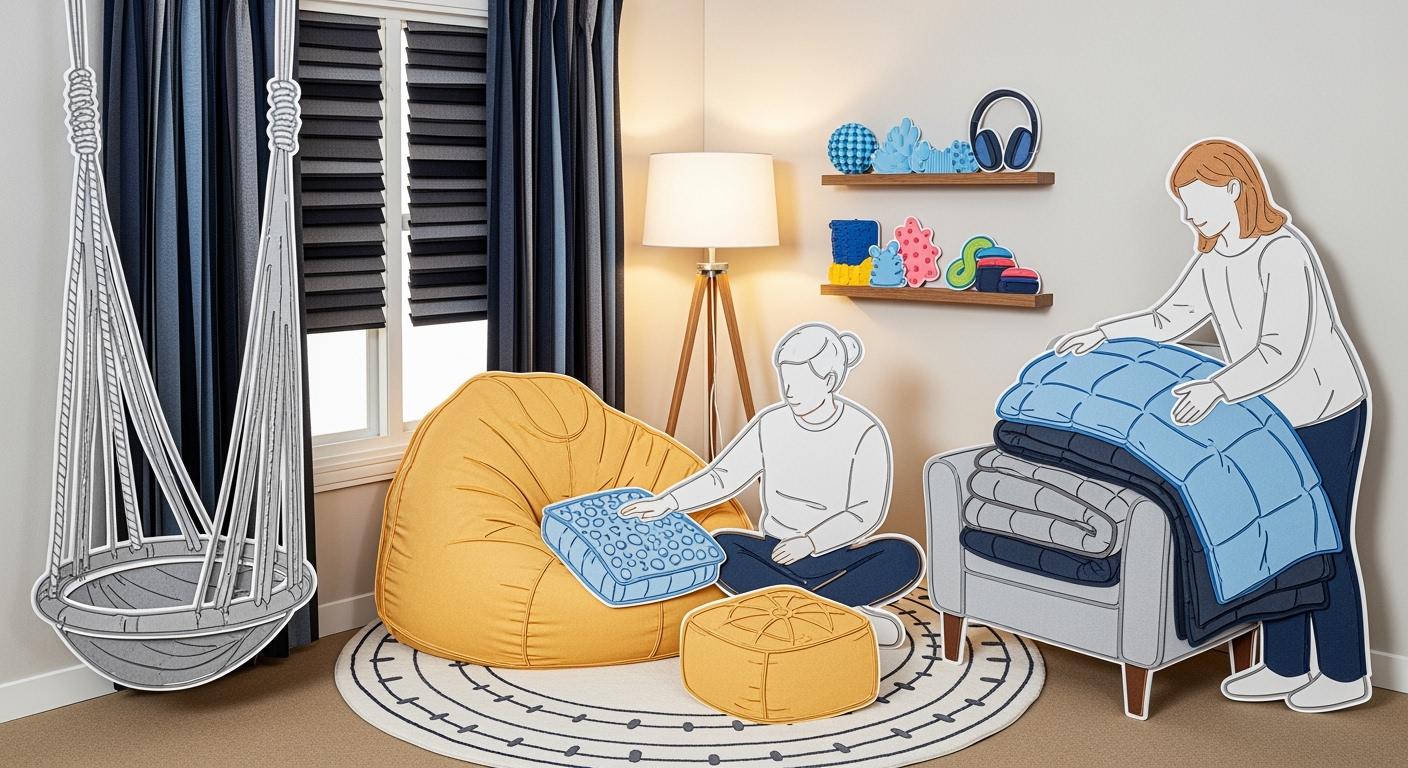
Choosing the best equipment for a low sensory room starts with knowing your own sensory needs. Many people get sensory overload. This happens a lot to people with neurological conditions or cognitive disabilities. You can see how common this is in the table below:
Population | Prevalence of Disabilities | Year |
|---|---|---|
Global (Neurological Conditions) | 2021 | |
United States | 13.9% of adults with cognitive disabilities | 2022 |
European Union | 14.9% with memory and concentration issues | 2022 |
Canada | Increase of 4.7 percentage points in mental health-related disabilities | 2017-2022 |
When you pick equipment that fits your sensory profile, you make a calm, quiet, and safe space. A good multi-sensory snoezelen room can help you feel calm and comfortable.
Key Takeaways
Know what sensory needs are before picking equipment. Make the sensory room match what each person likes. This helps make the room calm for everyone.
Make the space safe and welcoming with soft seats and gentle lights. These things help people relax and feel safe.
Add ways to control noise so the room stays quiet. Use things that soak up sound to stop distractions.
Change the sensory room often by listening to what users say. Fix the space so it works well as needs change.
Pick equipment that does not cost too much. Many cheap items can make a good sensory room without spending a lot of money.
Low Sensory Room Purpose and Benefits
Who Needs a Low Sensory Room
You might ask who uses a low sensory room the most. Many people can use a sensory room, but some groups need it more. Kids with autism, ADHD, or sensory processing disorder find these rooms helpful. Children who get anxious or bothered by loud sounds and bright lights also benefit. Sensory rooms are found in schools, therapy centers, and homes. These rooms give kids and adults a calm place to feel safe and control their feelings.
Occupational therapists suggest sensory rooms for many reasons:
They help people calm down when they feel too much or get anxious.
They give gentle stimulation to kids who feel tired or bored.
They offer a safe spot for therapy and learning new skills.
They are break areas in schools where students can relax without getting in trouble.
They support neurodivergent kids and adults who need help in busy places.
A snoezelen or multi-sensory room lets you control your space. This control can lower sensory overload and help you pay attention. Studies show that when kids can change the sensory equipment, they feel better and focus more.
Evidence Type | Findings | Implications |
|---|---|---|
Control of Sensory Equipment | Autistic children did better with sensory changes when they could control them in MSEs. | More control may lower overload and help with focus. |
Unstructured vs. Structured Sessions | Unstructured MSE sessions lowered repetitive behaviors more than structured ones. | Flexible use of MSEs can improve behavior. |
Caregiver Attention | When caregivers paid more attention during MSE use, kids joined in more. | Caregiver help is important for getting the most out of MSEs. |
How a Low Sensory Room Supports Wellbeing
A sensory room is more than just a quiet place. It helps you handle stress and anxiety. Research shows people feel less stressed and more ready to learn after using a sensory room. For example, one school saw students ready to learn go from 21% to 82% after using the room.
You can try out different textures, sounds, and lights in a safe way. This helps you learn new things and talk better with others. Kids use these rooms to calm down, relax, and control their feelings. The lights and sounds can be changed to make the room feel just right for you.
Tip: Let kids pick which sensory items they want to use. This gives them control and helps them calm themselves.
A sensory room helps you feel safe, focus, and relax. Kids and adults can use these rooms to handle sensory overload and make life easier.
Key Factors in Sensory Room Equipment Selection
Assessing Sensory Needs
First, think about what the people in the sensory room need. Everyone has their own sensory profile. Some kids get upset by loud sounds or bright lights. Other kids need more sensory input to pay attention. You should also think about age, how they move, and how they think. Ask if you want to help kids get away from too much sensory input or just give them a break. Decide if calming or alerting activities will help them feel better. For example, you might let kids do alerting activities first. Then, you can guide them to calming activities before they go back to class.
Hypersensitivity means kids react a lot to sensory input.
Hyposensitivity means kids need more sensory stimulation.
Each piece of equipment should fit what the user needs.
A multi-sensory room lets you change things for each person. This helps kids with sensory processing disorder control their feelings and actions.
Room Size and Layout
The size and shape of the room matter a lot. You need enough space so kids can move around easily. If the room is crowded, kids might feel stressed or get too much input. How you put the equipment in the room can help kids feel calm and focus.
Key Point | Explanation |
|---|---|
A good room setup helps you watch sensory input and lower stress. | |
Space Between Equipment | Enough space lets kids move and not get overwhelmed. |
Design Considerations | The layout can help or hurt how kids control their feelings. |
You should also look at where the electrical outlets are. Put equipment that gets hot in places with good air flow.
Safety and Budget
Safety is very important in a sensory room. Make sure the room has good air and no dangerous things. Use locks that kids cannot open and pick calming colors. Add things that make the room quieter. Keep the room clean and check the equipment often. Staff should know how to help kids with sensory processing disorder.
Safety Consideration | Description |
|---|---|
Room ventilation | Good air helps kids feel comfortable and focus. |
Hazard-free environment | Take out dangerous things and use locks. |
Calming color scheme | Soft colors stop kids from getting too much input. |
Noise reduction | Use things and sounds to make the room peaceful. |
Regular maintenance | Check equipment and keep the room safe and clean. |
Staff training | Staff learn how to help kids with sensory needs. |
Budget is important too. Some snoezelen rooms cost a lot of money. You can make a sensory room even if you do not have much money. Many families and schools use things they already have or buy cheap items. You can find affordable products online to make a sensory room without spending a lot.
Tip: A sensory room works best when you focus on what kids need, not how much the equipment costs.
Sensory Room Ideas: Essential Equipment
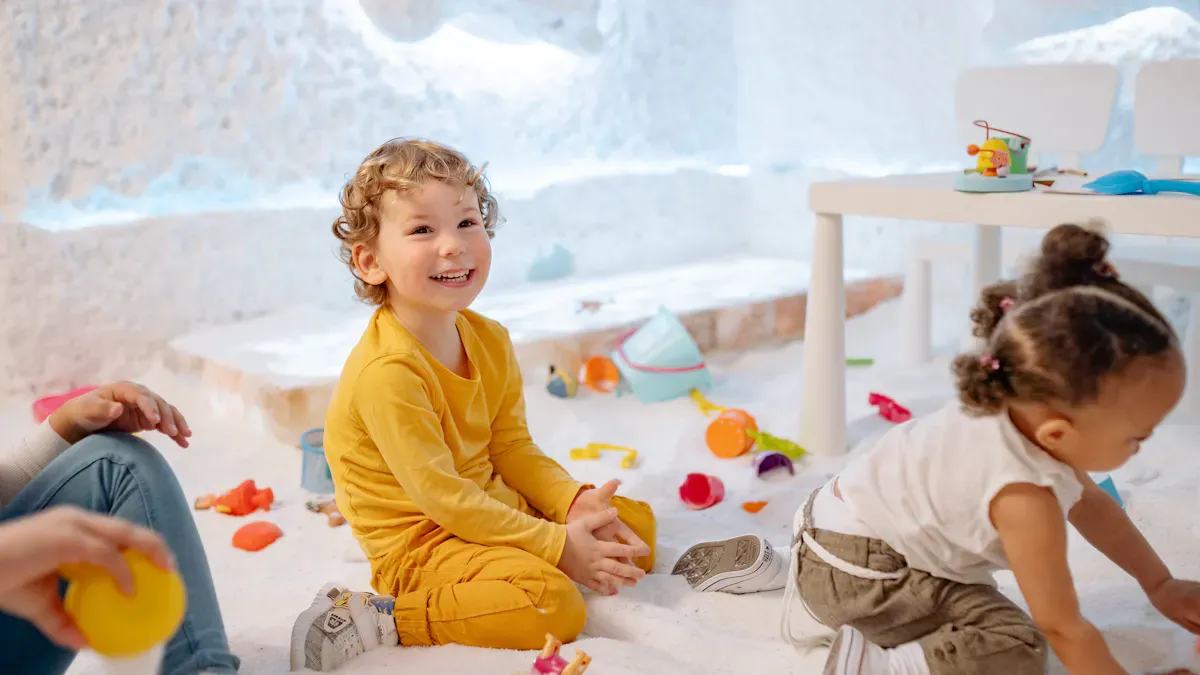
When you make a sensory room, you need the right equipment. Sensory room ideas help you build a space that feels calm and safe. Each piece of equipment helps with sensory regulation and meets different needs. You can find choices for any budget or room size.
Calming Lighting Options
Lighting is very important in a sensory room. Calming lights help kids relax and feel good. You can change the brightness and color to fit each person. LED lights and fiber optic lamps are good because they do not flicker much. This helps kids with sensory processing disorder who are sensitive to light.
Tip: Indirect lighting makes the room quiet and peaceful. Color-changing mood lights can make the room calm or alert.
Here are some lighting options for a low sensory room:
Lighting Option | Features |
|---|---|
HUMIIEYE Northern Light Projector | Passive calming for bedrooms. |
CALOVER 4FT Bubble Tube | Dedicated sensory room use, mesmerizing movement with color-changing LEDs. |
Bright Autism Touch Sensory Lights | Active tactile engagement for sensory input. |
PEN&H Fiber Optic Lamp | Portable, touchable sensory tool with gentle visual feedback. |
CALOVER 4FT Sensory Fish Bubble Tube | Engaging visual movement with floating fish and remote control for color changes. |
Bubble lamps and projectors make calming visuals. Bubble tubes help you feel better, lower anxiety, and focus. Fiber optic lights help you relax and feel less stress. Projectors show gentle images that help you feel calm and quiet.
Adjustable lighting helps you feel calm or more awake.
LED lighting saves energy and can be changed easily.
Color-changing mood lights match what you need.
Comfortable Seating Choices
Seating is important in a sensory room. Kids need to feel safe and comfortable. Ergonomic seating helps you relax and control your body. The Chill Floor Seat is soft and can be changed to fit you. Its backrest and cushion help your body feel better. This helps you relax in a multi-sensory room.
Flexible seating like the Cozy Corner Couch and Cozy Lounge Chair makes the room inviting. You can move these seats to fit your space and needs. Bean bag chairs and swings give gentle movement and deep pressure. This helps kids with sensory processing disorder feel calm and safe.
Note: Comfortable seating helps you relax and control your senses.
Sound and Noise Control
Noise control is very important in a sensory room. You want the room to stay quiet and peaceful. You can put sound-absorbing pads under loud machines. Air space between walls helps block noise. Sound-deadening materials stop outside sounds.
Seal doors and windows with weatherstripping.
Use big furniture and thick curtains to block sound.
Put acoustic panels on walls and ceilings.
Add mossy plants and art that absorbs sound.
Lay thick carpets to stop echoes.
Hang blankets on walls or doors to block noise.
Use acoustic foam or panels for better sound control.
Noise-cancelling devices make the sensory room better. Studies show noise-cancelling earbuds help kids with autism pay attention. These devices lower sensory overload and help with learning.
Evidence Type | Description |
|---|---|
Study Focus | Effectiveness of noise-cancelling earbuds in reducing auditory attention deficits in children with autism |
Key Findings | Significant improvements in auditory attention and sustained attention when using noise-cancelling devices in background noise. |
Implications | Enhanced auditory attention can lead to better engagement in learning and daily activities, reducing sensory overload. |
Tip: Quiet rooms help kids focus and feel calm.
Tactile and Visual Items
Tactile and visual items help kids explore and control their senses. Weighted products and weighted blankets give deep pressure. This helps you feel calm and relaxed. Sensory lights give soft, calming visuals. Chewables help with oral sensory needs and muscle tone.
Aromatherapy scents like lavender and chamomile help lower stress. Tactile equipment like therapy balls, manipulatives, and gel mats help your hands get stronger. Weighted stuffed animals help you feel safe and less anxious. Fidget spinners help you focus. Sensory balls help you touch and move better. Squeeze toys help you relax. Textured plush toys help your senses and comfort you during changes.
Soft fabrics and textured things give you new touch experiences.
Visual items like collages and pictures help your eyes work better.
Tactile panels have sandpaper, foam, and bubble wrap for touching.
Fabric swatches are set up for you to touch.
Velcro boards let you stick soft toys or cards.
Child-safe mirrors let you look at yourself.
Colorful LED lights make the room look fun.
Bubble lamps and projectors are good for a snoezelen room. Bubble tubes help you feel better, lower anxiety, and make the room peaceful. Fiber optic lights help you relax and focus. Projectors show calming images that help you relax.
Item | Benefit Description |
|---|---|
Bubble Tubes | Help control feelings, lower anxiety, create a peaceful environment, and improve focus. |
Fiber Optic Lights | Reduce stress and anxiety, enhance focus, and encourage communication and relaxation. |
Projectors | Create calming visuals that lower anxiety and help users focus. |
Tip: Use sensory room ideas to make your space special. Try different tactile and visual items to see what helps you feel calm and quiet.
A sensory room gives you tools to control your senses. You can use calming lights, comfy seats, noise control, and tactile items to make a safe and peaceful place. These sensory room ideas help kids and adults with sensory processing disorder feel calm, quiet, and ready to learn.
Customizing Your Low Sensory Room
Personalizing Equipment Choices
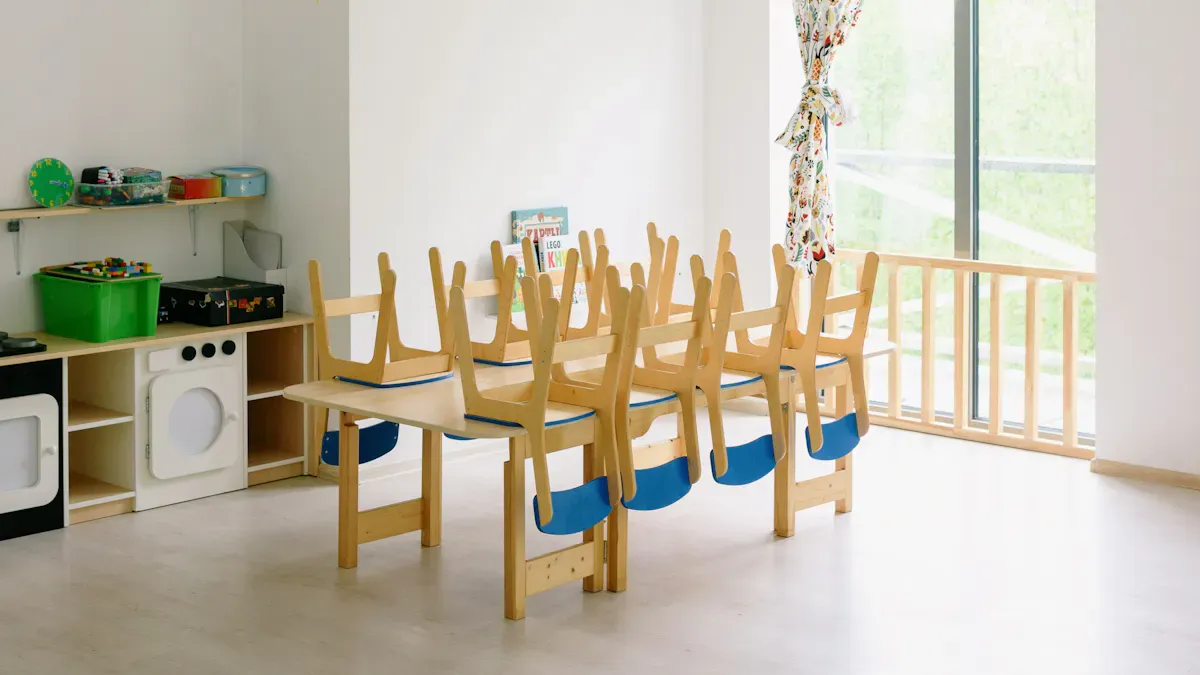
You can make your low sensory room special by picking equipment that fits what you like. Everyone has different sensory needs. Think about what helps you feel calm and safe. Some kids like to move around a lot. Swings or mini-trampolines can help them move gently. Soft lighting, like warm LED bulbs or string lights, makes the room feel peaceful. Keep sensory toys neat so the room does not get messy. A tactile wall lets you touch and feel many textures. Scents like lavender can help you relax. Calm music or gentle sounds can make you less anxious. Weighted blankets and crash pads help you feel safe and cozy.
Swings or mini-trampolines give you movement.
Soft lighting makes the room soothing.
Keep sensory toys tidy and easy to find.
Try calming scents with aromatherapy.
Play soft music or nature sounds.
Use weighted blankets and crash pads for comfort.
Adapting the Space Over Time
Your sensory room should change as your needs change. Kids grow and their sensory needs change too. You can ask kids and other users what works best for them. Put simple feedback forms in the room so people can share ideas. Write down requests and make changes, like adding floor cushions or noise-cancelling headphones. The table below shows ways to collect and use feedback:
Method of Feedback Collection | Description |
|---|---|
Ongoing Assessment | Use monthly forms and track requests over time. |
Feedback Forms | Place forms in the room for easy access. |
Implementation of Changes | Add items based on user suggestions. |
You can make clear areas for calming, active play, and visual focus. Start with a few things and add more as you learn what helps. Build your sensory room as a space for many senses, not just a bunch of items. Watch how kids use the snoezelen room often. Change equipment and plans to keep the room helpful. There is no one right way for everyone, so stay flexible and keep checking your sensory ideas.
Tip: Check your sensory room every month to see if it still helps you feel calm and focused.
You can make a low sensory room by taking a few steps. Start by picking lights you can change, soundproofing, and different textures. Pick seats that are soft and make you feel safe. Always pick sensory equipment that matches what you need. This helps you stay calm and relaxed. Use a checklist to keep track of your choices. Update the list when you find new sensory tools. This way, your quiet room stays safe, fun, and calming for everyone.
Tip: Think about what you like and update your checklist often. This makes your space work better.
Checklist for Equipment Selection
Decide what you want your sensory room to do.
Pick equipment that matches your sensory needs.
Make sure everything is safe and strong.
Plan to check and update things often.
FAQ
What is the main goal of a low sensory room?
You use a low sensory room to feel calm and safe. This space helps you manage stress and avoid sensory overload. You can relax, focus, and take a break from busy or loud places.
How often should you update your sensory room equipment?
Check your sensory room every month. Ask users what works best. Replace broken items and add new tools if needs change. Regular updates keep the room helpful and safe.
Can you make a sensory room on a small budget?
Yes! You can use simple items like soft lights, bean bags, and textured fabrics. Many affordable options exist online. Focus on what helps you feel calm, not on expensive equipment.
What should you avoid in a low sensory room?
Avoid bright, flickering lights and loud noises. Remove sharp objects and clutter. Pick soft colors and safe materials. Keep the space clean and organized for the best results.
See Also
Essential Guidelines for Creating Sensory Rooms in Schools
Effective Strategies for ASD Sensory Rooms in Educational Settings
Must-Have Resources for Setting Up Sensory Rooms
Recommended Sensory Room Concepts for Special Needs Children
