How Sensory Swings Help Children with Autism Thrive
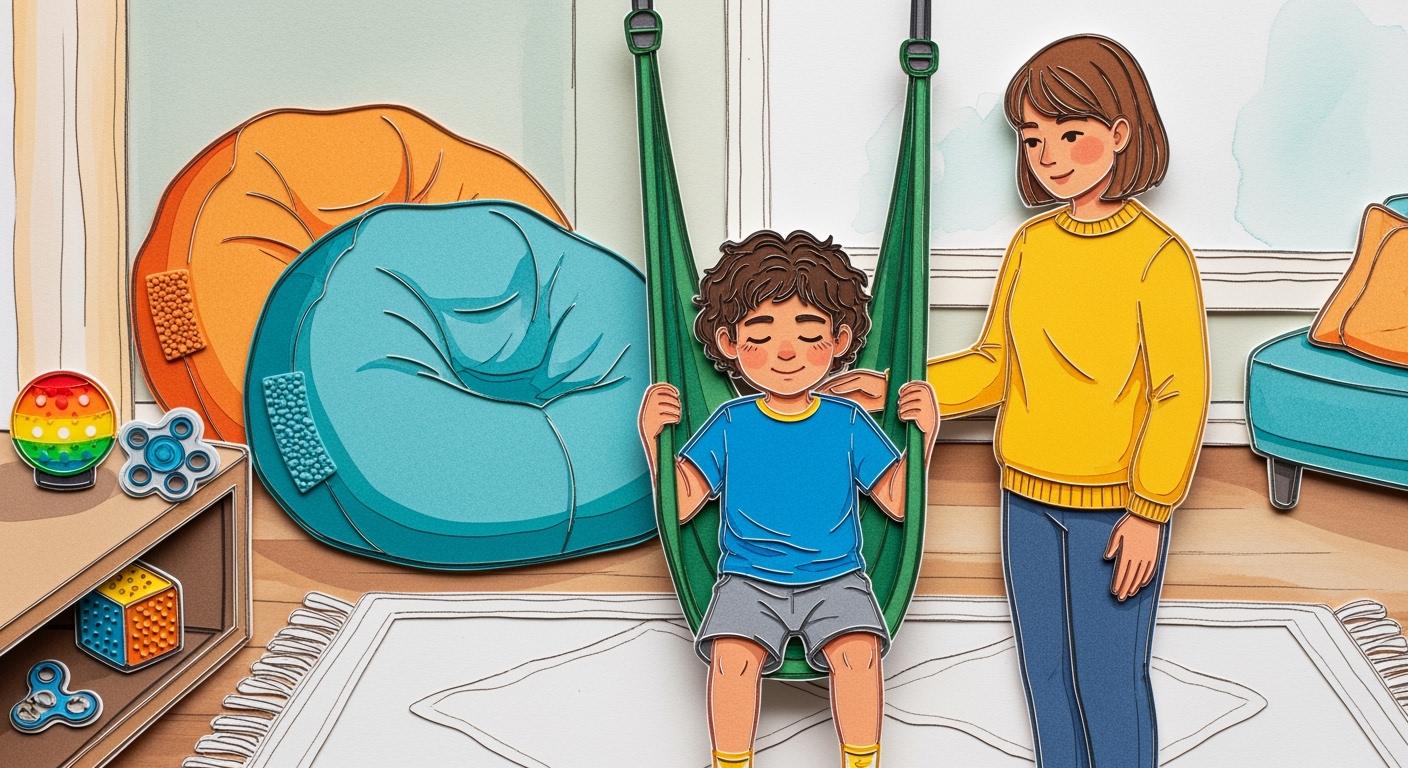
A sensory swing for autism gives your child a safe place to relax. It helps your child feel safe and calm. You may see that sensory swings help children with autism handle strong feelings. They also help kids stay calm. The gentle swinging motion can help organize the nervous system. This makes it easier for kids to focus and finish daily tasks. The closed-in design often makes children feel comfortable. It can also lower anxiety. You can put a sensory swing at home and feel sure about it. It helps your child’s body grow and supports their feelings too.
Key Takeaways
Sensory swings give children with autism a safe place. They can relax and feel calm there. This helps them handle strong feelings.
Using a sensory swing can lower anxiety and meltdowns. This means there are fewer outbursts. It also helps keep their mood steady.
Swinging helps kids focus and pay attention. It does this by helping the nervous system work better. This makes it easier to finish tasks.
Using sensory swings often helps the body grow strong. It improves balance, coordination, and knowing where your body is.
Having a routine for swing time helps kids feel safe. It also makes changing activities easier.
Benefits of Sensory Swings for Autism
Emotional Regulation for Children with Autism
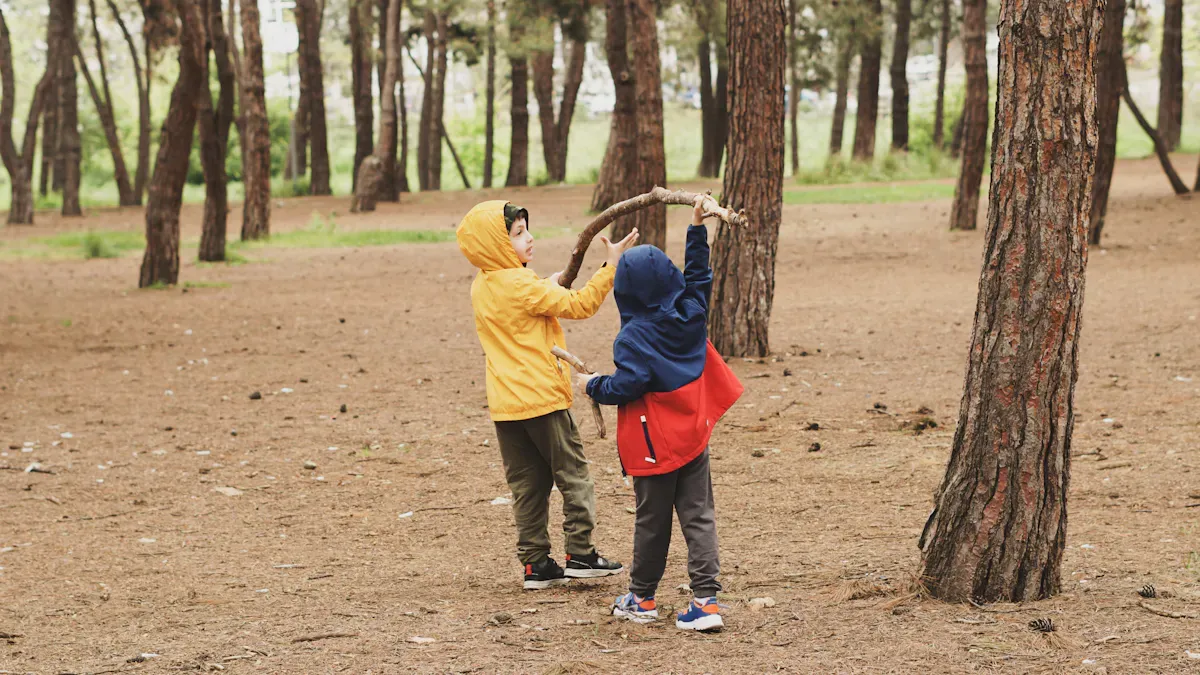
A sensory swing for autism is a helpful tool. It helps your child control their feelings. The gentle swinging gives calming vestibular input. This soothes the nervous system. Occupational therapists use swinging to help with emotions. When your child swings, they feel comforted. This helps them handle sensory processing problems. Sensory rooms often have swings for this reason. Swings help kids calm themselves and feel steady. You may notice fewer outbursts and better self-control when your child uses a sensory swing for autism.
Tip: Try a sensory swing when your child feels stressed. The swinging can help your child calm down and control emotions fast.
Reducing Anxiety and Meltdowns
Sensory swings give children with autism a safe spot. The cocoon shape feels like a hug and lowers anxiety. It helps your child feel safe. Swinging wakes up the vestibular system and balances brain chemicals. This leads to calmer behavior. Studies show sensory swings lower anxiety and meltdowns. When your child uses a sensory swing for autism, you see fewer bad behaviors and a calmer mood. Sensory swings help your child handle anxiety and recover from tough times.
Calming vestibular input helps lower anxiety.
Sensory swings comfort children after stressful times.
The steady swinging helps mood and stops meltdowns.
Improving Focus and Attention
You want your child to focus and stay interested. Sensory swings help by organizing the nervous system. Swinging helps children with autism pay attention to tasks. Sensory integration therapy helps kids focus longer and control emotions. This leads to better focus. Good motor skills and more social time also help with attention. Playing on a sensory swing for autism helps kids focus and behave better.
Benefit | Description |
|---|---|
Improved Attention Span | Children pay attention longer with sensory integration therapy. |
Enhanced Emotional Regulation | Therapy helps kids control feelings, which helps them focus. |
Better Motor Coordination | Good motor skills help kids join in activities that need focus. |
Increased Social Interaction | Better social skills help kids pay attention in groups. |
Physical Development and Balance
Sensory swings help kids grow by building motor skills and coordination. Swinging works the vestibular, proprioceptive, and tactile systems. These are important for growth. Your child gets better balance, knows where their body is, and controls muscles by swinging. Sensory exercises like swinging help with emotions and social skills. When your child uses a sensory swing for autism, you see better body awareness and movement planning.
Sensory swings help with balance and coordination.
Swinging builds spatial skills and muscle control.
Sensory activities help kids feel calm, focused, and in control.
Note: Sensory swings help your child’s body and feelings. You can use them to build self-control and support growth.
Safe Use of Sensory Swings
Supervision and Monitoring
You are important for your child’s safety on the sensory swing. Always watch young children when they use the swing. Check the swing’s parts, like carabiners and straps, before each use. Make sure the swing can hold three times your child’s weight. If you are not sure, ask your child’s occupational therapist for help. Checking the swing often helps stop accidents and keeps it safe.
Always watch young children when they use the swing.
Use parts that can hold three times the user’s weight.
Check carabiners, straps, and mounts often.
Ask your child’s occupational therapist if you have questions.
Tip: Stay close and watch your child swing. This helps you see problems right away.
Installation and Maintenance
Good installation keeps the swing safe and steady. Do not put the swing into drywall or trim. These spots are not strong enough. Pick a strong mounting system and leave space around the swing. Test the swing with an adult before your child uses it. Clean the swing often to get rid of dirt and spills. Look for cracks, loose screws, or worn straps. Fix any problems before your child swings again.
Never put the swing into drywall or trim.
Use carabiners and straps that are strong enough.
Leave space for the swing to move.
Test the swing with an adult first.
Check the swing’s parts often.
Clean and look for damage.
Description | |
|---|---|
Choose a strong mounting system | Make sure the swing stays steady with a good mount. |
Always supervise younger children | Watching young children keeps them safe on the swing. |
Start with gentle movement | Begin with slow swinging to stop dizziness and change as needed. |
Setting Routines for Children with Autism
You can help your child by making routines for swing time. Let your child help plan their routine and think about what they like. Use pictures and words to show what to do each day. Give warnings before changing activities. Add time for rest and fun. Make a special area at home for your child. Be flexible and let your child make choices. Get your child ready for changes and change routines if needed.
Think about your child when making routines.
Use pictures to help your child know what to do.
Give warnings before changing activities.
Add time for rest.
Make a special area at home.
Be flexible and let your child choose.
Plan for changes.
Change routines if needed.
Note: A safe and caring space helps your child feel good and enjoy swing time.
Choosing the Right Sensory Swing for Autism
Comfort and Suitability
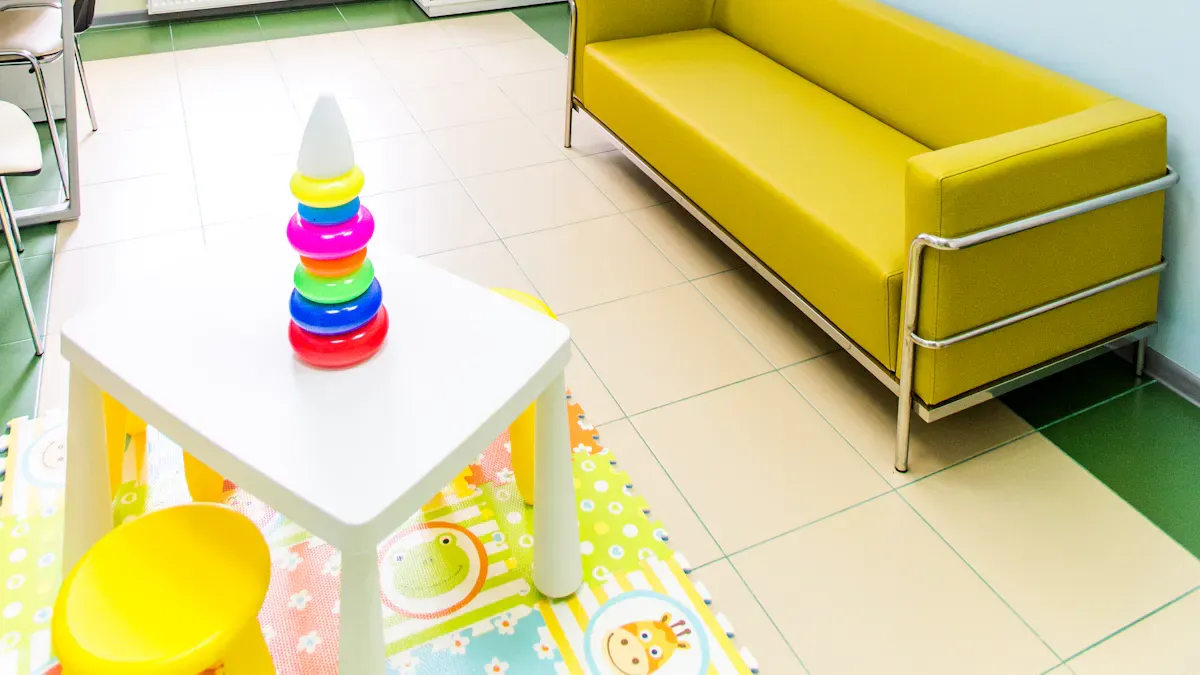
You want your child to feel safe in their sensory swing. The swing should fit your child’s body well. Pick a swing with soft and breathable fabric. The design should support your child’s needs. Many swings use double-layer nylon. This makes them strong and comfy. Some swings can hold up to 300 lbs. This means kids and adults can use them. Swings that calm children help them relax and focus. You can find swings for both kids and adults. This makes them good for families.
Feature | Description |
|---|---|
Material | Double layer nylon fabric for durability and comfort. |
Weight Capacity | Supports up to 300 lbs, accommodating various users. |
Calming Effect | Specifically designed to provide a calming effect for children with autism. |
Versatility | Suitable for both kids and adults, enhancing usability across age groups. |
Some swings have a stand that holds them up. This gives your child a safe spot to calm down. It helps when they feel anxious or overwhelmed. You can also pick swings that work with hammock chairs or Joki swings. This gives you more choices.
Safety Features
Safety is very important when picking a sensory swing. Check for strong mounting systems and tough stitching. Always look for clear weight labels. Use hardware made for professionals. Attach the swing to a strong beam or joist. Do not use drywall. Leave space around the swing so it can move. Only let one person use the swing at a time. Unless the swing is made for more. Start with gentle swinging to stop dizziness. Watch your child for signs of distress. Stop if you see nausea or panic.
Safety Feature | Description |
|---|---|
Strong mounting system | Keeps the swing stable during use. |
Supervision | Always watch younger children. |
Gentle movement | Start with slow rocking to prevent dizziness. |
Proper installation | Attach to beams or joists, not drywall. |
Safety checklist | Check weight ratings, space, and hardware often. |
One rider at a time | Prevents accidents unless designed for more. |
Avoid fast spinning | Only do this with a therapist’s guidance. |
Stop if signs of distress | Watch for dizziness, nausea, or panic. |
Tip: Always check the swing before your child uses it. This keeps your child safe.
Matching Sensory Needs
Every child with autism has their own sensory needs. You can pick a swing that fits what your child likes. Swings and spinning give vestibular input. This helps with balance and sensory processing. Climbing, hanging, and jumping help with proprioception. This helps your child know where their body is. Barefoot-friendly surfaces give tactile input. Open-ended movement lets your child repeat actions. They can control how they move. This helps with self-control and growth.
Climbing, hanging, and jumping for proprioception
Barefoot-friendly surfaces for tactile input
Open-ended movement your child can repeat and control
Note: Ask your child’s occupational therapist for help if you are not sure which swing to get.
Sensory Environment at Home
Integrating Sensory Swings into Daily Life
You can use sensory swings every day with your child. Put the swing in a quiet spot at home. The gentle swinging helps your child feel calm and happy. It gives a safe way to move and relax. Occupational therapists use swings to help kids grow and focus better. You can make a swing schedule to help your child pay attention. The table below shows how swings help with different activities:
Activity Type | Benefit |
|---|---|
Structured swinging | Gives safe sensory input for kids who like spinning a lot. |
Tip: Try using the swing before homework or social time. This can help your child focus and feel less worried.
Combining with Other Sensory Tools
You can use other sensory tools with the swing. Sensory mats let your child touch and explore. They also help with moving skills. Weighted plush animals give deep pressure and comfort. This can help your child feel safe and less anxious. Fidget spinners and cubes help kids focus and stay calm. Chewable jewelry helps with oral needs and moving skills. All these tools together make a space that helps your child pay attention and feel good.
Weighted plush animals for comfort
Fidget spinners and cubes for focus
Chewable jewelry for oral needs
Encouraging Positive Experiences for Children with Autism
You can make the swing area fun and safe for your child. Use soft colors like blue and green to make it calm. Add thick rugs and curtains to keep things quiet. Make safe spots with sensory tools for breaks when things get too much. Swinging gives calming movement and helps your child feel better. Gentle swinging lowers anxiety and helps with feelings. You can also try fun activities like gardening or water play. These help your child grow and learn. Good times with the swing help your child focus and feel happy.
Note: A sensory swing can be your child’s favorite tool. Make the space safe, comfy, and fun for the best results.
Sensory swings help children with autism in many ways. Kids can focus better and control their feelings more. They also get better at talking and playing with others. The table below shows what happens when kids use sensory swings often.
Long-term Outcomes | Description |
|---|---|
Kids pay more attention and notice things around them. | |
Self-Regulation | Using swings helps kids handle feelings and sensory input. |
Social Skills | Kids learn eye contact, talking, and taking turns. |
Mood and Happiness | Parents see their kids feel happier and in a better mood. |
Independence and Self-Control | Controlling feelings helps kids do more things on their own. |
You can help your child do well by picking the right swing and making a safe area. Experts say you should know your child’s sensory needs, talk to therapists, and set up the swing the right way. Parents notice their kids are happier and better at talking to others after using swings. Sensory swings help kids feel safe and happy. You help your child grow and feel good with this helpful tool.
FAQ
How often should my child use a sensory swing?
You can let your child use the sensory swing daily. Start with short sessions and watch how your child reacts. Some children with autism enjoy swinging for 10-20 minutes at a time.
Can sensory swings help all children with autism?
Many children with autism benefit from sensory swings. Each child is different. You should watch your child’s response and talk to your therapist for the best results.
Where is the best place to install a sensory swing at home?
Choose a quiet, safe spot with enough space for movement. Avoid areas near sharp furniture or busy walkways. Many families with autism find a corner of a bedroom or playroom works well.
What should I do if my child feels dizzy or upset while swinging?
Stop the swing right away. Let your child rest and check for signs of distress. Children with autism may need time to adjust. Always supervise and start with gentle swinging.
See Also
Ways Sensory Toys Aid Motor Skill Development In Autistic Children
Benefits of Sensory Rooms for Kids on the Autism Spectrum
Available Support Strategies for Managing Sensory Overload in Autism

