How sensory suits help children with autism and sensory processing disorder thrive
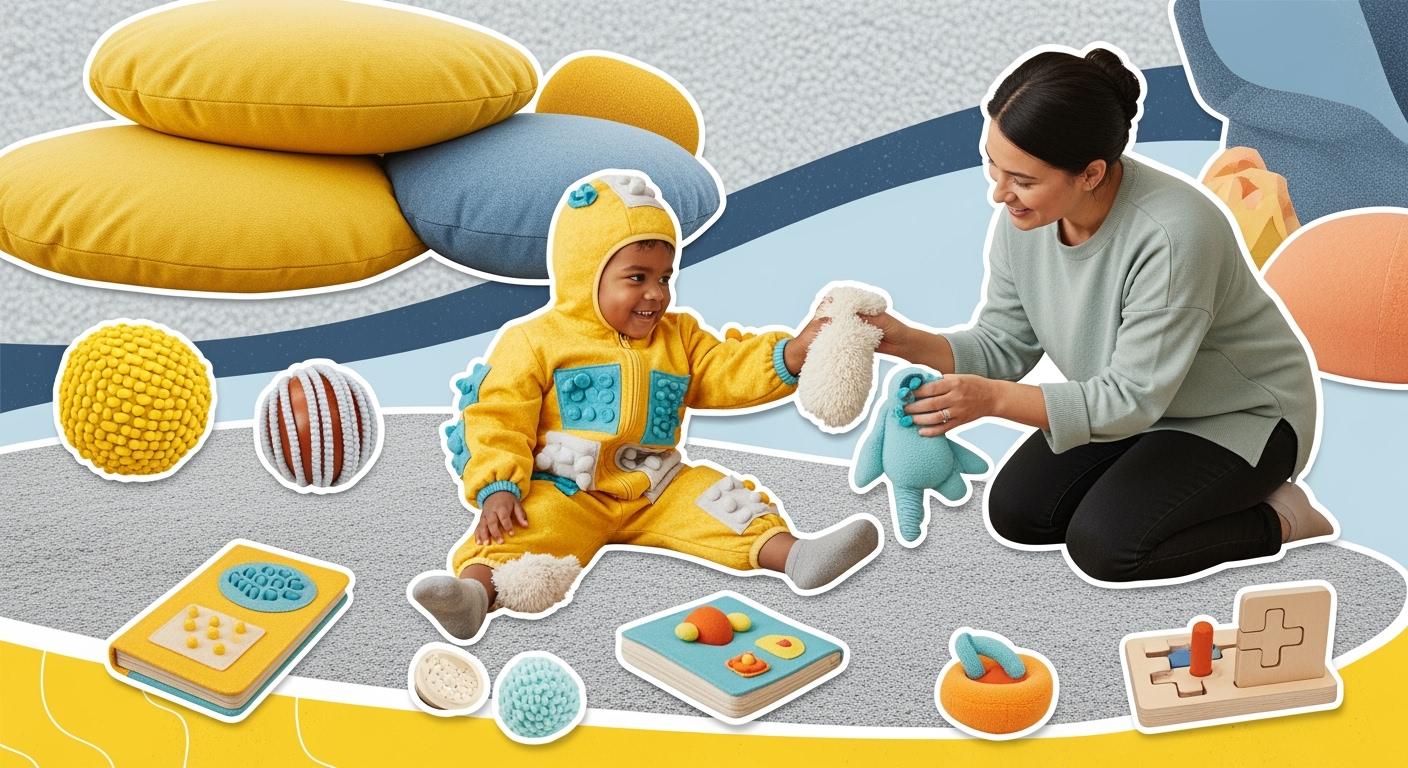
A sensory suit can help children with autism and sensory processing disorder. Many children deal with too much sensory input each day. Studies show that almost 95% of children with autism have sensory processing problems. A sensory suit gives your child comfort and helps them feel calm. It also helps them focus better. Children feel safer and can handle their feelings more easily. This support lets children enjoy daily routines and feel more sure of themselves.
Key Takeaways
Sensory suits are made with soft fabrics and gentle pressure. They help children with autism feel calm and safe. These suits block annoying textures, sounds, and lights. This helps kids focus better. Sensory-friendly clothes help kids control their feelings. They also help children join daily activities with less worry. Picking the right suit is important. Tagless and seamless designs make dressing easier. Easy closures help kids dress by themselves. Using sensory suits every day helps a lot. Therapists can help children use them the right way. This can improve learning, social skills, and family life.
Sensory Processing Challenges

What Is Sensory Processing?
You use your senses to learn about the world. Sensory processing is when your brain gets information from your senses. These senses are touch, sound, sight, taste, and movement. Your brain sorts this information to help you react. This helps you act in ways that fit where you are. For children with autism, sensory processing can be harder. Some children react strongly to sounds, lights, or textures. This happens because their brains work with sensory input in a different way.
Some common sensory processing issues in autism are:
Sensory modulation issues
Sensory gating dysfunction
Hypo-response (not noticing sensory input)
Hyper-response (overreacting to sensory input)
Sensory seeking (craving certain sensations)
Autism and Sensory Overload
Knowing about sensory issues in autism helps you support your child. Many children with autism get sensory overload. This means their brains get too much sensory input at once. Loud noises, bright lights, or scratchy clothes can feel like too much. The main things that cause sensory overload are:
Sensory Trigger Type | Examples and Description |
|---|---|
Auditory | Loud noises, sudden sounds, repetitive alarms or high-pitched tones |
Visual | Bright lights, flickering patterns, crowded environments with excessive visual stimuli |
Tactile | Certain clothing textures, sticky substances, unexpected physical contact |
Olfactory | Strong smells from perfumes, cleaning products, or certain foods |
Taste | Strong flavors, unusual food textures, temperature sensitivities in food |
Vestibular | Sensitivity to motion, difficulty with balance-related activities |
When your child has sensory overload, they might cover their ears. They may pull away or get upset. It can be hard for them to focus. Sometimes, they might “shut down” to deal with it.
Why Extra Support Matters
You are important in helping your child with sensory challenges. Getting help early can really help your child. The right tools can make your child feel calm and focused. Sensory supports, like sensory suits, give calming input and lower overload. These tools help your child control feelings, talk better, and join in daily life. Early help also improves learning and social skills. This makes things better for your whole family.
How Sensory Suits Support Children

Sensory-Friendly Design Features
You want your child to feel good every day. A sensory suit uses special clothing features for children with autism. These features help kids who are sensitive to touch. Many types of adaptive clothing use soft and breathable fabrics. These fabrics do not bother the skin. Some examples are bamboo, modal, and organic cotton. These materials feel smooth and help keep your child cool or warm. Adaptive clothing is often made without seams or tags. This means there are no scratchy parts or labels. Children who do not like rough textures can wear these clothes more easily.
Here is a table that shows some common sensory-friendly design features in a sensory suit:
Design Feature | Description |
|---|---|
Gets rid of tags and rough seams, so the fit is smooth and comfy. | |
Velcro and Elastic Closures | Makes it easy to fasten clothes for kids who have trouble with buttons, helping them do things on their own. |
Soft Fabric Choices | Uses gentle fabrics like cotton and fleece to stop sensory overload and make kids feel better. |
Adaptive clothing also helps children feel safer where they are. Wearing sensory-friendly clothes can make kids feel proud and less stressed.
Deep Pressure and Calming Effects
A sensory suit gives deep pressure to your child’s body. This kind of clothing wraps the body with gentle, even pressure. Deep pressure therapy helps the central nervous system work better. It can calm children with autism and sensory processing disorder. Studies show deep pressure can lower anxiety and hyperactivity. It also helps the body make more serotonin, which boosts mood. When your child wears adaptive clothing with deep pressure, their body relaxes. This helps your child feel safe and calm.
Deep pressure from a sensory suit can:
Help stop sensory overload
Lower stress and make kids feel less jumpy
Make kids feel happier
Managing Sensory Overload
Children with autism often get too much sensory input. Adaptive clothing like a sensory suit helps with this problem. The soft, hypoallergenic fabrics do not bother the skin. Tagless and seamless designs stop itching and scratching. Adaptive clothing makes your child feel calm and safe. When your child feels good, they can pay attention and join in activities. Adaptive clothing helps children at school, at home, and in the community.
Tip: Ask your child’s therapist to help you pick the best sensory suit and adaptive clothing for your child.
Benefits of Sensory Suits
Comfort and Reduced Stress
You want your child to feel safe every day. Sensory-friendly clothing helps children with autism feel better. Many kids do not like itchy tags or rough seams. Tight waistbands can also bother them. Sensory suits use soft fabrics without seams. These clothes stop irritation and help your child relax. When your child feels good, stress goes down for both of you.
Studies show sensory-friendly clothing lowers anxiety and bad behaviors. When your child is comfortable, they can learn and play more. You may see fewer meltdowns and more smiles. Parents also feel less stress because daily routines get easier.
Improved Focus and Participation
Sensory suits do more than make kids comfortable. They help children with autism pay attention and join in. Teachers and therapists say sensory-friendly clothes help kids stay focused. The deep pressure from sensory suits calms the body and mind.
Here is a table that shows how sensory suits help with focus and joining in:
Benefit | Description | Impact |
|---|---|---|
Enhanced Attention | Multi-sensory stimulation aids focus and engagement | Increases learning outcomes |
Social Interaction | Encourages interaction in a safe space | Improves social skills |
Calming Effects | Reduces anxiety and harmful behaviors | Promotes overall well-being |
Cognitive Development | Supports learning and memory through sensory engagement | Enhances academic performance |
Motor Skill Enhancement | Activities improve coordination and sensory processing | Aids in daily functioning |
You can use sensory-friendly clothes during movement breaks. These breaks help kids reset and handle sensory input. Visual supports like schedules and checklists help your child get ready for changes. Mindfulness, like deep breathing, works with sensory suits to help your child in class.
Emotional Regulation and Awareness
Children with autism sometimes have trouble with feelings. Sensory-friendly clothes help your child notice their emotions. When your child wears a sensory suit, they get calming signals. This helps them learn to control their feelings.
Sensory activities like squeezing or stretching help use up extra energy. This lowers anxiety and helps your child name their feelings. Over time, your child learns when they feel upset. They can use sensory-friendly clothes to calm down. This helps your child grow and become more independent.
Support for Daily Activities
Sensory suits help with daily routines. Many children with autism have problems with clothes when dressing or eating. Sensory-friendly clothes make these things easier and less stressful.
You can help your child build hand strength by squeezing, pouring, or scooping. These skills help with dressing and eating. Visual supports like schedules make routines clear. This helps your child move between activities like meals and baths. Routines with anchor points, like meals and bedtime, lower anxiety and make changes easier.
Tip: Pick sensory-friendly clothes that your child likes and needs. This gives comfort and helps your child be more independent all day.
Sensory-friendly clothes do more than make kids comfortable. They help your child join family life, school, and the community. By making clothes feel better, you give your child tools for success. Sensory suits are a simple way to give comfort and independence. This makes life better for everyone.
Using Sensory Suits at Home
Choosing the Right Suit
To pick the best sensory suit, you need to know your child’s needs. Look for fabrics that feel soft and calm. The table below lists some fabric types and their good points:
Fabric Type | Benefits |
|---|---|
Cotton | Soft, breathable, gentle on the skin |
Bamboo | Comfortable, minimizes sensory overload |
Fleece | Calming, cozy feel, warmth, and softness |
Jersey | Stretchy, comfortable fit |
Terry Knits | Soft, absorbent, comfortable for wear |
Check if the suit has no seams or tags. These things can stop itching and make the suit comfy. Velcro or elastic makes it easy for kids to dress themselves. Wash the suit before your child wears it. This makes it softer and helps it fit better. Some therapists say compression suits are good for deep pressure. Deep pressure helps kids feel calm and pay attention, especially at school or in therapy.
Tip: Ask your child’s therapist to help you pick a suit that matches your child’s sensory needs.
Integrating into Daily Routines
You can help your child by making the sensory suit part of their day. Use a visual schedule to show when to wear the suit. Having a set time helps your child feel safe and ready for changes. Make your home sensory-friendly. Use calming smells, soft things, and safe places to play. Get the whole family to join in sensory activities. Try fun games like obstacle courses with pillows or ropes to help with movement and make sensory play fun.
Ask brothers and sisters to join the fun.
Talk about sensory needs with your family.
If you want more ideas, ask an expert to check your home. They can give you tips that fit your child.
Personalizing for Your Child
Every child likes different things. You can make the sensory suit special for your child. First, find out what your child likes and does not like. Let your child try new things slowly so they do not get upset. Give your child choices about when and how to wear the suit. Use other tools like fidget toys or weighted blankets if your child wants them. Change your home by making quiet spots or using ear defenders for loud sounds.
Make a list of your child’s sensory likes and dislikes.
Let your child help pick their suit and activities.
Change routines when your child’s needs change.
Note: Working with therapists or teachers can help you find the best ways to use sensory suits and other tools at home and school.
You can help kids with autism do better by using sensory suits. These suits give comfort and support to children. Many kids with autism feel calm when they wear sensory clothing. They can focus better too. Sensory suits help kids handle feelings and join in daily life. You should ask a professional before picking a sensory suit for your child. Every child with autism should have tools that make life easier. You can give hope to kids with autism by trying sensory solutions.
FAQ
How do sensory suits help my child with autism?
Sensory suits use soft fabrics and gentle pressure. You help your child feel calm and safe. Your child can focus better and join daily activities with less stress.
Can my child wear a sensory suit all day?
You can let your child wear a sensory suit for most of the day. Some children need breaks. You should watch for signs of discomfort and ask your therapist for advice.
How do I clean a sensory suit?
You wash most sensory suits in cold water. Use mild detergent. Avoid bleach and fabric softeners. Always check the care label for best results.
Are sensory suits safe for all children?
Most sensory suits are safe. You should check for allergies to fabrics. If your child has medical needs, ask your doctor or therapist before use.
What if my child does not like the suit?
You can try different fabrics or styles. Let your child help pick the suit. Start with short wear times. Use positive encouragement and make it part of a fun routine.
See Also
Benefits of Sensory Rooms For Children On The Autism Spectrum
How Sensory Tents Help Children With Processing Sensory Challenges
Step By Step Guide To Creating A Sensory Gym For Autism
Effective Therapy Options To Address Sensory Issues In Autism
Comprehensive Guide To Sensory Integration Techniques For Autism
