How Sensory Suits Help Children with Autism Feel More Comfortable
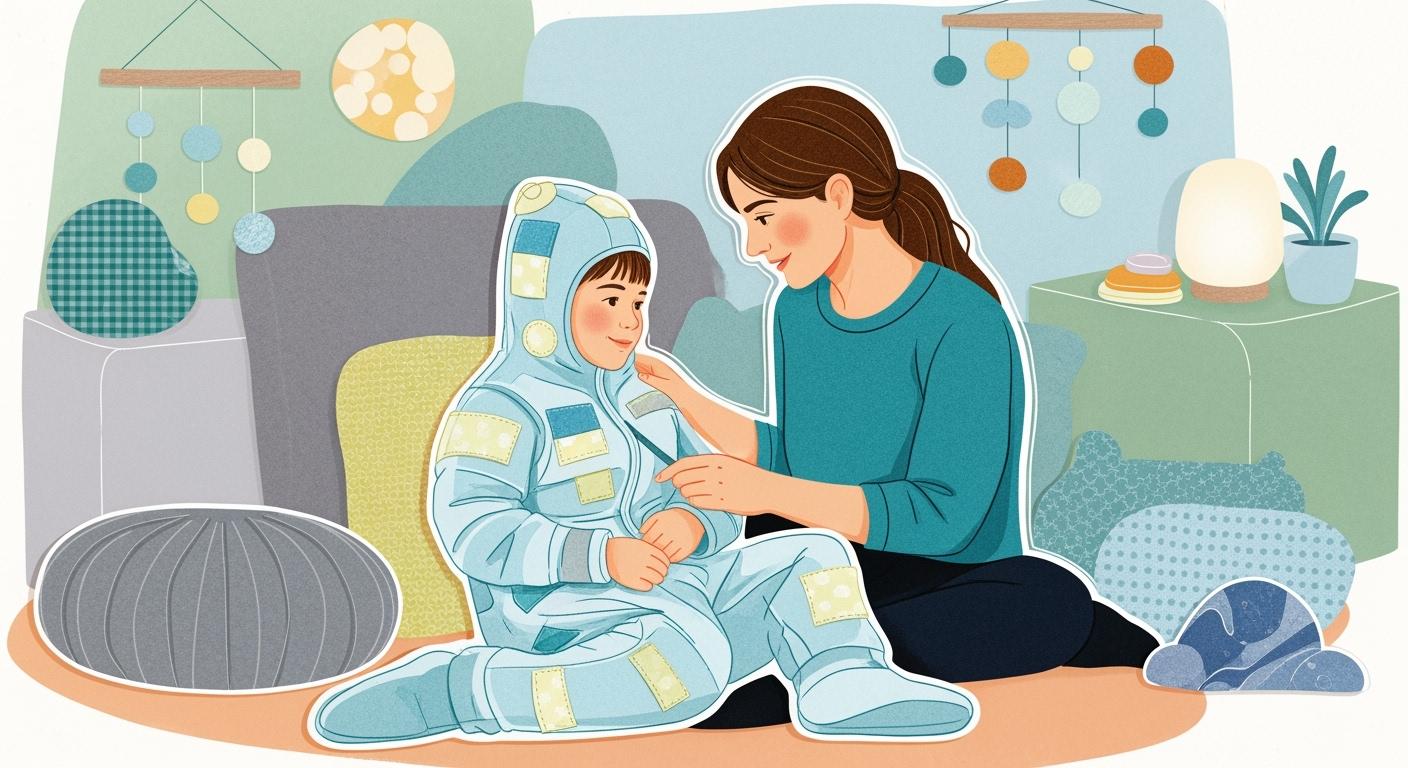
You want your child to feel good each day. Sensory suits give children with autism a soft, calming squeeze. This helps them feel less stressed and more confident. Many families see that using a sensory suit in daily routines helps children with sensory processing disorder. When you pick sensory suits, you give a useful tool that can make life easier for your child.
Key Takeaways
Sensory suits give deep pressure. This helps children with autism feel calm. It also helps them feel safe.
Sensory suits can lower anxiety in busy places. They make social times more fun.
Sensory suits help children feel more confident. They let kids show feelings and talk to others.
Pick sensory suits with soft and breathable materials. This keeps children comfortable all day.
Use sensory suits in daily routines. This helps your child feel safe and independent.
Comfort Benefits for Children with Autism
Deep Pressure and Security
Some children feel calm when hugged or under a weighted blanket. Sensory suits use deep pressure to give a gentle squeeze. This helps children with autism feel safe. Deep pressure therapy makes kids feel secure. It can lower anxiety and help your child notice their body more. Many families say sensory suits help calm their child, especially when things get stressful.
Research shows deep pressure therapy can help the nervous system. This may lead to better moods and less stress for children with autism. Your child might sleep better or feel less worried after wearing a sensory suit. The steady squeeze from sensory suits helps your child focus. It also helps them feel comfortable in their own skin.
Note: Every child reacts differently to deep pressure. Some children with autism feel much better. Others may not notice a big change. A few may feel uncomfortable. Watch your child’s reaction and talk to your therapist if you have concerns.
Here is a table showing how children with autism may respond to deep pressure:
Individual Response | Reported Effects |
|---|---|
Positive | Less anxiety, better mood, improved sleep |
Neutral | No big change in symptoms |
Negative | Discomfort or agitation in some cases |
Reducing Anxiety in Social Situations
Many children with autism feel nervous in busy places. These places include classrooms, playgrounds, or family events. Sensory suits can help lower this anxiety. They give steady, calming pressure. This feels like a quiet hug. It helps your child feel safe even when things are loud or crowded. Sensory suits make it easier for your child to join group activities or try new things.
You may see your child stay calm during noisy events. Sensory suits help reduce stress and anxiety. They give your child a way to manage stress without extra help. This support makes social situations less scary and more fun.
Sensory suits give steady, soothing input.
They help your child focus and feel safe.
Sensory suits make moving between activities easier.
Building Confidence
When your child feels comfortable, they can do more by themselves. Sensory suits help children with autism feel confident. They make their bodies feel organized and less distracted. Sensory activities, like wearing a sensory suit, let your child show feelings without words. This is helpful for children with asd who find it hard to talk about emotions.
Sensory suits also help your child control emotions. When your child feels less anxious, they can join group play and learn new skills. Over time, you may see your child try new things, make friends, or speak up more. Sensory suits and other sensory-friendly clothing give your child comfort. This helps them explore the world with less fear.
Sensory suits help children control emotions.
They encourage independence and self-expression.
Sensory suits help children grow social and emotional skills.
If your child has sensory processing disorder, sensory suits may help calm them all day. Picking the right sensory suit can make a big difference in your child’s daily life.
What Is a Sensory Suit?
Definition and Purpose
You might ask how a sensory suit is not like regular clothes. A sensory suit is made to help kids with autism and sensory processing disorder feel better. Its main job is to give deep pressure input. This makes your child feel safe and steady. Sensory suits use soft materials that feel gentle on skin. These suits help your child control emotions by giving steady proprioceptive feedback. This feedback lets your child notice their body and move better.
When your child wears a sensory suit, you may see many good changes:
It lowers anxiety and stops emotional overload.
It helps your child control feelings by making body signals easier to spot.
It helps your child talk and join others by lowering sensory overload.
It helps your child learn and do better in school by cutting distractions.
Occupational therapy uses sensory suits to help kids handle sensory information.
Sensory suits make a smart environment, helping your child feel safe.
Types of Sensory Suits
You can pick different sensory suits for your child’s needs. Some suits cover the whole body. Others cover just the torso or legs. Compression suits give gentle pressure. This helps kids with asd who want deep touch. Some sensory suits look like normal clothes. This makes them easy to wear at home or school. Some suits have no seams or tags to stop skin irritation. Breathable materials keep your child comfy all day.
Tip: Try different suits to find what works best for your child. Comfort and fit are most important.
Who Can Benefit
Sensory suits help children with autism a lot. They also help kids with sensory processing disorders who have trouble with body awareness or controlling emotions. Studies show sensory suits help kids ages 4-12, especially those in occupational therapy. Many studies prove they work.
Source | Evidence |
|---|---|
Autism Research Journal | ASI is an evidence-based practice for kids with autism ages 4-12 years old. |
American Journal of Occupational Therapy | Moderate evidence supports using ASI in sensory integration interventions. |
Korean Meta-Analysis | Sensory integration intervention works well in 24 studies. |
Sensory suits give your child comfort and support every day. Picking the right suit helps your child feel safe and confident.
Sensory Suit Features
Seamless and Tagless Design
Many children with autism do not like seams or tags in clothes. These small things can make them feel very uncomfortable. Sensory suits are made without seams or tags to fix this problem. When you pick sensory-friendly clothes, you help your child avoid feeling itchy or distracted.
Sensory clothing helps kids stay calm by taking away seams and tags that bother their skin.
Tagless shirts and seamless socks stop itching, so your child can pay attention to what they are doing.
Clothes that are soft and simple help children with autism feel relaxed and ready to join in.
Seamless and tagless designs are very important for kids with sensory issues. When you remove these problems, your child can do better at school, at home, and with friends.
Tip: Always look for hidden tags or rough seams before you buy new clothes for your child.
Compression for Sensory Processing Disorder
Compression is a key part of a sensory suit. When your child wears compression clothes, it feels like a gentle hug. This deep pressure helps children with autism and sensory processing disorder feel safe and calm.
Deep pressure from compression clothes helps your child know where their body is.
Compression helps kids handle sensory input and control their feelings.
The calming pressure makes it easier for your child to stay focused and organized each day.
Weighted compression vests give steady pressure, which helps calm children with sensory processing disorder.
Light, steady compression tells the body it is safe, so your child fidgets less.
Compression clothes help your child go from feeling stressed to feeling calm, so it is easier to control emotions.
You may see your child do better all day when they wear sensory suits with compression. These clothes lower extra sensory input, so your child can focus on learning and playing.
Soft, Breathable Materials
The fabric in sensory suits is just as important as the design. You want your child to feel good all day. Soft, breathable materials like organic cotton and bamboo are best for children with autism. These fabrics are gentle and help keep your child’s body cool or warm.
Soft, breathable materials stop discomfort and sensory overload.
Hypoallergenic fabrics protect sensitive skin and help your child stay cool or warm.
Tagless necklines and flat seams get rid of bumps and labels that can bother your child.
When you pick sensory suits made from these materials, you help your child avoid feeling itchy or too hot. Your child can move, play, and learn without being bothered by their clothes. Sensory suits with soft, breathable materials help your child feel good every day.
Note: Look for sensory suits that say “sensory-friendly clothing” to make sure your child is comfortable.
Daily Routine Integration
Predictable Sensory Rhythm
You can help your child feel safe by making routines predictable. Sensory suits fit into daily habits easily. Children with autism do better with regular activities. When things happen in the same order, kids feel less worried. You can use a sensory suit in the morning, before school, or at night. This helps your child handle strong feelings and feel secure.
Evidence | Explanation |
|---|---|
Predictable activities give comfort and make things clear | Kids feel safer and less anxious when routines stay the same. |
Sensory routines work best when they are steady and fit your child | Changing routines for your child’s needs makes them feel better and join in more. |
Predictable rhythm is important for children with autism | Regular sensory routines lower stress and help kids feel good each day. |
Dressing Independence
Letting your child pick sensory suits helps them be independent. Occupational therapists suggest soft fabrics and clothes without tags. Familiar textures and styles help your child feel confident and calm. You can use pictures to show dressing steps. Features like stretchy waistbands and wide necks make it easier for your child to dress alone.
Add sensory-friendly clothes to your child’s closet.
Use picture lists for dressing steps.
Try new clothes inside before wearing them outside.
Give choices so your child feels in control.
Fold clothes instead of hanging to avoid pressure spots.
Sensory suits help children with autism learn to dress by themselves. You help your child handle touch sensitivity and feel proud.
Reducing Sensory Processing Challenges
Sensory suits and other tools can help with sensory problems. Weighted blankets and vests give deep pressure. This calms the nervous system and helps your child deal with too much sensory input. Sensory toys like fidgets and textured items give safe touch experiences. Occupational therapy uses these ideas to help kids control their feelings and move better.
Make calm spaces at home with soft lights and music.
Play with water tables and textured things for sensory fun.
Use movement and creative play to help sensory skills grow.
You let your child try new touch feelings at their own speed. Sensory suits make life easier for children with autism who have touch sensitivity and sensory challenges.
Tip: Start with new sensory suits slowly in a quiet place. Choose soft, tagless fabrics and compression shirts for comfort.
You notice your child feels better and braver with sensory suits. Sensory suits help children with autism feel less stressed and more independent. Sensory clothing uses soft fabric, smooth seams, and no tags. These things help children with autism pay attention and feel calmer. You can do things to help your child:
Make a quiet space with soft lights and less noise.
Use pictures or charts to get your child ready for new sensory things.
Begin with short times and use the sensory suit often.
Add sensory suits to fun activities your child already likes.
Watch how your child does and change things if needed.
You can look at different sensory suits to help your child feel safe. Many families say sensory suits make each day easier.
FAQ
What is the best age for a child to start using a sensory suit?
You can try sensory suits with children as young as 3 or 4 years old. Always check with your child’s therapist before starting. Every child is different, so watch how your child reacts.
How do I clean and care for a sensory suit?
Most sensory suits are machine washable. Use cold water and gentle detergent. Air dry or use a low-heat setting. Always check the care label for special instructions.
Can my child wear a sensory suit all day?
You can let your child wear a sensory suit for several hours. Many children use them during school or outings. Take breaks if your child feels uncomfortable or too warm.
Will insurance cover the cost of a sensory suit?
Some insurance plans may help pay for sensory suits if a doctor or therapist recommends them. You should call your provider and ask about coverage for sensory processing needs.
How do I know if a sensory suit is helping my child?
You may notice your child feels calmer, sleeps better, or joins more activities. Keep a simple journal to track changes. Share your notes with your child’s therapist for advice.
See Also
Exploring Benefits of Sensory Rooms for Autistic Children
Steps to Create a Sensory Gym for Autistic Kids
Weighted Blankets: A Soothing Solution for Autism Anxiety

