How Sensory Platform Swings Help Children Integrate Their Senses
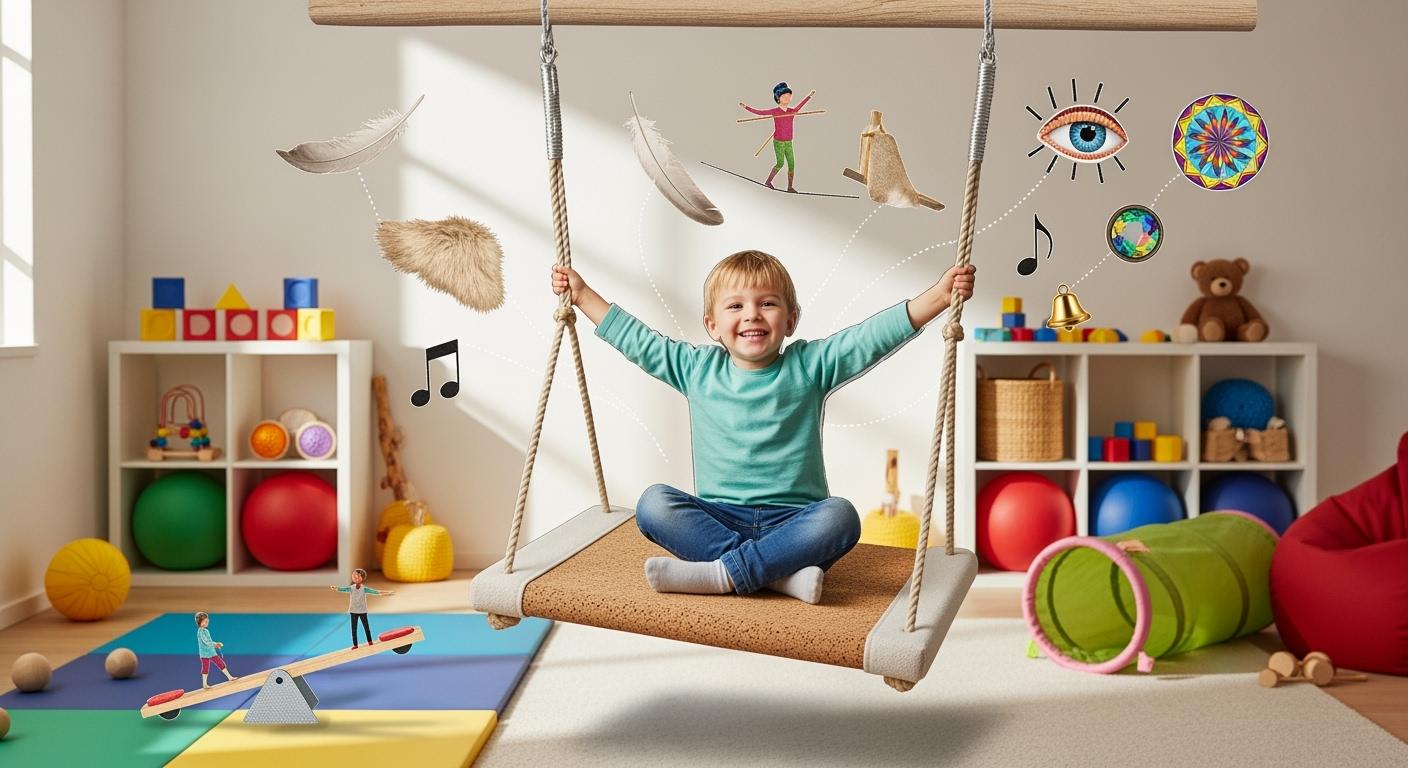
You can help kids build better sensory integration with a sensory platform swing. This tool gives your child key input for balance and body awareness. These systems work with touch and deep pressure. They help the brain sort out sensory information. The table below shows how each sensory system helps your child every day:
Sensory System | Function |
|---|---|
Sight | What we see |
Hearing | What we hear |
Touch | What we feel on our skin |
Taste | What we taste in our mouth |
Smell | What we smell |
Balance | Helps us stay upright and steady |
Body Awareness | Sensing where our body is and how it moves |
Internal Sensing | Sensing things like hunger, thirst, or needing the bathroom |
A Platform Swing can help kids grow emotionally. It can also help them feel more at ease in their bodies.
Key Takeaways
Sensory platform swings help kids with balance and body awareness. This makes them feel more sure about how they move. Swinging gives deep pressure and touch input. This can help kids feel less anxious and focus better. Swinging in a controlled way helps the brain release good chemicals. These chemicals boost mood and help kids pay attention. This helps them learn better. Using swings often can help kids control their emotions. It makes it easier for them to deal with feelings. Pick the right swing for your child’s needs. Make sure it is safe and comfortable. This helps sensory integration work well.
Sensory Integration In Children
What Is Sensory Integration
You use sensory integration every day. Most people do not think about it. This process helps your brain organize information from your senses. These senses include touch, sound, sight, and movement. Occupational therapy experts say sensory integration helps you react to your environment. When your brain sorts out signals well, you can move easily. You can also control your feelings. You join in daily activities with less trouble. Some children with special needs find this process harder. That is why support and understanding matter.
Why Sensory Integration Matters
Sensory integration is important for growing and learning. It helps you build skills for school and play. It also helps with social life. Research shows sensory integration therapy can help fine motor skills. It can also help gross motor skills, emotional control, and attention span. This is especially true for children with autism spectrum disorder. The table below shows how sensory integration helps different areas:
Aspect of Development | How Sensory Integration Helps |
|---|---|
Fine Motor Skills | Improves hand-eye coordination and dexterity |
Gross Motor Skills | Boosts balance and large muscle movements |
Emotional Regulation | Helps you manage feelings and reduce anxiety |
Self-Regulation Skills | Supports better control of emotions and behaviors |
Attention Span | Increases focus and ability to stay on task |
Long-Term Outcomes | Leads to lasting gains in attention and thinking skills |
You can see sensory integration is very important. It helps children with special needs feel more comfortable. It also helps them feel more confident every day.
Common Challenges
Many children have trouble with sensory processing. This can make sounds, textures, or movement hard to handle. About 5% to 16.5% of children have symptoms of sensory processing disorder. The numbers are higher for children with special needs. This includes those with autism spectrum disorder. Children with sensory processing disorder may struggle with sensations. These include touch, sound, sight, taste, smell, and movement. This can make it hard to focus or behave well. It can also make group activities tough. You might notice these problems if your child avoids some textures. Your child may get upset by loud noises. Some children want lots of movement. Knowing these signs can help you support your child’s sensory needs.
How Sensory Platform Swings Work
Vestibular And Proprioceptive Input
Using a sensory platform swing gives your child key input. This input helps their vestibular and proprioceptive systems. The vestibular system helps your child sense movement and balance. The proprioceptive system tells the brain where the body is. Therapy swings are used in sensory integration training. They challenge these systems in a safe way. This helps children, especially those with autism spectrum disorder, get better at balance. It also helps with knowing where their body is in space. You can see how these swings help by looking at the table below:
Evidence Type | Description |
|---|---|
Proprioceptive input from sensory platform swings is crucial for sensory integration, particularly in children with cerebral palsy. It aids in postural control and balance, leading to improvements in gross motor function and overall well-being. | |
Importance of Sensory Systems | The vestibular and proprioceptive systems are essential for postural control, providing the brain with information about body position and movement, which is vital for maintaining balance. |
Impact of Sensory Integration Therapy | Sensory integration therapy using swings has shown greater improvements in children's gross motor function, postural control, and emotional well-being compared to standard physiotherapy. |
When your child swings, their brain learns about movement. Their brain also learns about body position. This helps them feel safer and more sure in daily life.
Tactile And Deep Pressure Benefits
A sensory platform swing gives tactile input and deep pressure. Tactile input comes from touching the swing’s surface. It also comes from gentle movement against the skin. Deep pressure happens when your child sits or lies on the swing. They feel the weight and gentle squeeze. These feelings help calm the nervous system. They also support sensory processing. The table below shows how these benefits work:
Benefit | Explanation |
|---|---|
Calming effect | Slow rhythmic movement while sitting or lying down on the platform can be calming. |
Proprioception | Gentle swinging motion offers soothing deep pressure input to joints and muscles, benefiting the nervous system. |
Spatial awareness | Supports awareness of the body as it moves through space, crucial for sensory processing. |
Vestibular system stimulation | Vital for maintaining balance and coordination, integrating proprioceptive and vestibular input can regulate and soothe the nervous system. |
Core muscle development | Helps develop core muscles and balance, improving overall motor skills. |
Fine motor skills | Develops grip strength and coordination through various movements. |
Dynamic stability | Promotes controlled mobility throughout the body, preventing compensatory patterns. |
Social interaction | Encourages give-and-take with therapists, aiding in social development. |
Brain stimulation | Spinning on a swing stimulates different parts of the brain, important for learning skills like spatial awareness and muscle control. |
Sensory organization | Swinging can change overall arousal levels, targeting various sensory needs. |
Research shows deep pressure from therapy swings helps with sensory regulation. It also helps with motor skills and self-regulation. Many therapists suggest deep pressure activities. These include hugs or weighted items. These activities help children with sensory processing challenges. They can calm your child and help them focus.
Tip: If your child feels stressed, try slow swinging. This can help them relax and feel safe.
Controlled Movement And Dopamine Release
Controlled movement on a sensory platform swing helps with balance. It also changes brain chemistry. When your child swings, the motion releases neurochemicals. Fast swinging releases dopamine and epinephrine. These give a quick boost in mood and alertness. Slow swinging releases serotonin and GABA. These have a longer calming effect. The table below explains these effects:
Type of Motion | Effect on Neurotransmitters | Duration of Effect |
|---|---|---|
Release of dopamine and epinephrine | Short-lived (minutes) | |
Slow, rhythmic | Release of serotonin and GABA | Longer impact (up to 2 hours) |
Therapy swings help your child’s brain organize sensory input. Dopamine and serotonin released during swinging can improve mood. They also help with focus and spatial awareness. Gentle rocking helps children know their body better. It also helps with emotional regulation. These good effects can last after swinging. Your child can feel better and focus longer.
Note: Sensory swings can wake up or calm your child. It depends on how you use them. This makes them useful for many sensory needs.
Benefits Of Swinging For Sensory Integration
Balance And Body Awareness
Therapy swings help your child get better at balance. They also help with body awareness. When your child swings, their muscles work hard. Swinging teaches your child how to move and stay steady. It helps them know where their body is in space. This makes gross motor skills and coordination stronger. You can see these changes when your child walks or runs. You also notice it when they play.
Researchers have looked at therapy swings for kids with movement problems. The table below shows how therapy swings help balance and body awareness:
Study | Findings | Key Components |
|---|---|---|
Effect of Platform Swing Walkway on Locomotor Behavior in Children With Diplegic Cerebral Palsy | Significant improvement in gross motor function and temporal gait parameters after 12 weeks of treatment | Vestibular stimulation enhances sensory integration, balance, and coordination |
Jobling and Cuskelly | Children receiving neurodevelopmental therapy performed better with vestibular stimulation | Improved body scheme, self-image, and motor planning |
Dean and Shuaib | Unstable surfaces increased muscle endurance and postural control | Enhanced muscle strength and endurance through specific equipment use |
Therapy swings give your child a safe way to move. You see better posture and stronger muscles. Swinging for sensory integration helps your child feel more sure in daily life.
Tip: Try lying down, sitting, or kneeling on therapy swings. Each position works different muscles and skills.
Emotional Regulation And Focus
Therapy swings help your child’s body and mind. They support emotional regulation and focus. Gentle swinging calms your child’s nervous system. Swinging helps your child handle feelings and lower anxiety. The repeated movement feels like a gentle hug. It helps your child feel safe.
Kids with sensory processing problems often have trouble focusing. Therapy swings give controlled sensory input. This helps your child organize thoughts and pay attention. You may see your child stay on task longer after swinging.
The table below shows how therapy swings help with emotional regulation and focus:
Evidence Description | Source |
|---|---|
Swinging allows a child to neutralize disruptions caused by their vestibular system, providing calming effects. | |
The gentle, repetitive motion of swinging helps children regulate emotions and reduce anxiety, acting like a gentle hug. | |
Controlled sensory input from swings supports individuals with autism in managing sensory challenges and enhancing focus. |
Therapy swings help both tired and anxious kids. If your child feels sleepy, swinging wakes up their senses. If your child feels worried, swinging helps them calm down and focus.
Note: Use therapy swings before homework or group time. This helps your child feel ready and focused.
Alerting And Calming Effects
Therapy swings can make your child feel awake or calm. The way you swing matters. Fast swinging wakes up your child’s body and mind. Slow swinging helps your child relax and self-regulate. You can use therapy swings to fit your child’s sensory needs.
The table below explains how different movements affect children:
Type of Movement | Effect on Children |
|---|---|
Stimulating, increases alertness and body awareness | |
Quick and sporadic | Stimulating, enhances muscle tone and coordination |
Gentle, linear movement | Calming, regulates the vestibular system |
Rhythmical rocking | Soothing, provides deep pressure input for self-regulation |
Swinging helps your child feel awake when they need energy. Swinging helps your child relax when they feel stressed. You can use therapy swings for both tired and anxious kids. Swing therapy is a flexible tool for sensory integration.
Callout: Change the speed and direction of swinging to fit your child’s needs. Fast swinging helps with alertness. Slow swinging helps with calming.
Benefits of therapy swings at a glance:
Better balance and body awareness
Improved emotional regulation and focus
Alerting or calming effects for different sensory needs
Support for self-regulation and attention
Help for both tired and anxious kids
Therapy swings make sensory integration easy and helpful. You can use swing therapy at home or in therapy sessions. Sensory swings give your child the support they need to do well.
Using Sensory Platform Swings Safely
Safety Tips For Home And School
You want your child to have fun and be safe on a sensory platform swing. Always watch your child when they are swinging. Keep swinging time short, about 10 minutes, so they do not get overwhelmed. Check the swing and its parts before every use. Follow the instructions that come with the swing. Make sure all the parts are tight and secure. Pick swings that have safety certifications.
Here are some important safety guidelines:
Age Range | Recommended Swing Types |
|---|---|
Under 2 years | Bucket Swings, Baby Swings |
Ages 2 to 4 | Belt Swings, Tire Swings, Glider Swings |
Ages 5 to 9 | Standard Swings, Disc Swings |
Ages 10 and above | Larger Swings, Adventure Swings |
You should check the swing often for damage. Tighten any loose parts and clean the swing when needed. You can watch training videos or take classes to learn how to keep kids safe.
Tip: Tell children to let you know if something is wrong with the swing right away.
Choosing The Right Swing
Picking the right sensory platform swing depends on what your child needs. Think about these things:
Description | |
|---|---|
Material Safety | Choose products free from harmful chemicals and with safety certifications. |
Durability | Pick strong materials that last, especially for schools or clinics. |
Adjustability | Find swings you can adjust for size or intensity. |
Age & Weight Ratings | Check the manufacturer’s guidelines for safe use. |
Multi-Sensory Functionality | Look for swings that offer different sensory experiences. |
Noise Level | Choose quiet swings for children sensitive to sound. |
Ease of Cleaning | Select swings with removable, washable covers. |
Therapists use a sensory profile to help pick the best swing for your child. Some kids like to move a lot, but others do not. Ask your therapy team for advice if you are not sure.
Activity Ideas For Sensory Integration
You can get more sensory benefits by using the swing in fun ways. Try these activities:
Projected Action Sequencing: Have your child lay on their stomach and toss beanbags at a target.
Spinning: Let your child count spins or do simple tasks while spinning.
Laying Prone: Ask your child to lay on their stomach and reach for things.
Clip Items To Swing Ropes: Attach light items with clothespins for your child to grab.
Pretend Play: Make up stories while swinging to help your child be creative.
You can change how fast or slow the swing moves to fit your child’s needs. Always watch your child and make changes to keep them safe and comfortable.
Sensory platform swings help your child in many ways. They help your child learn new things. Swings make muscles stronger and improve movement. They also help your child feel calm and control emotions. The table below lists the main benefits:
Benefit Type | Description |
|---|---|
Cognitive | Helps the brain grow and learn. |
Physical | Makes muscles stronger and movement better. |
Emotional | Calms your child and helps with feelings. |
Behavioral | Lowers problem behaviors and helps with teamwork. |
Special Needs (ASD/ADHD) | Helps kids focus and feel steady. |
Sensory Processing Disorder | Supports better sensory processing. |
Many parents notice their kids feel braver and join more activities after swinging. You can pick the best swing for your child and use it safely. Helping your child’s senses every day gives them a good start.
FAQ
How often should you use a sensory platform swing?
You can use a sensory platform swing a few times each week. Begin with short sessions, around 10 minutes each time. Watch how your child reacts. If your child likes swinging and does well, you can slowly add more time.
Can sensory swings help children with autism?
Yes, sensory swings help children with autism. You might see your child focus better. They may handle feelings more easily. Swings can calm or wake up your child, depending on how fast they move.
What age is best for starting sensory swing therapy?
Kids as young as two years old can use sensory swings. Pick a swing that fits your child’s age and size. Always watch your child to make sure they stay safe.
Do you need special training to use a sensory platform swing?
You do not need special training to use a swing at home. Read the instructions and watch safety videos first. If you want therapy help, ask an occupational therapist for advice.
See Also
Essential Guidelines for Choosing the Perfect Sensory Swing
The Importance of Sensory Tents for Children with Processing Challenges
Creating a Sensory Gym Space for Kids on the Autism Spectrum
Understanding Sensory Interactive Tools and Their Benefits in Education
Benefits of Weighted Sensory Toys for Children Facing Challenges
