How Sensory Fidget Toys Help Children Stay Focused in School
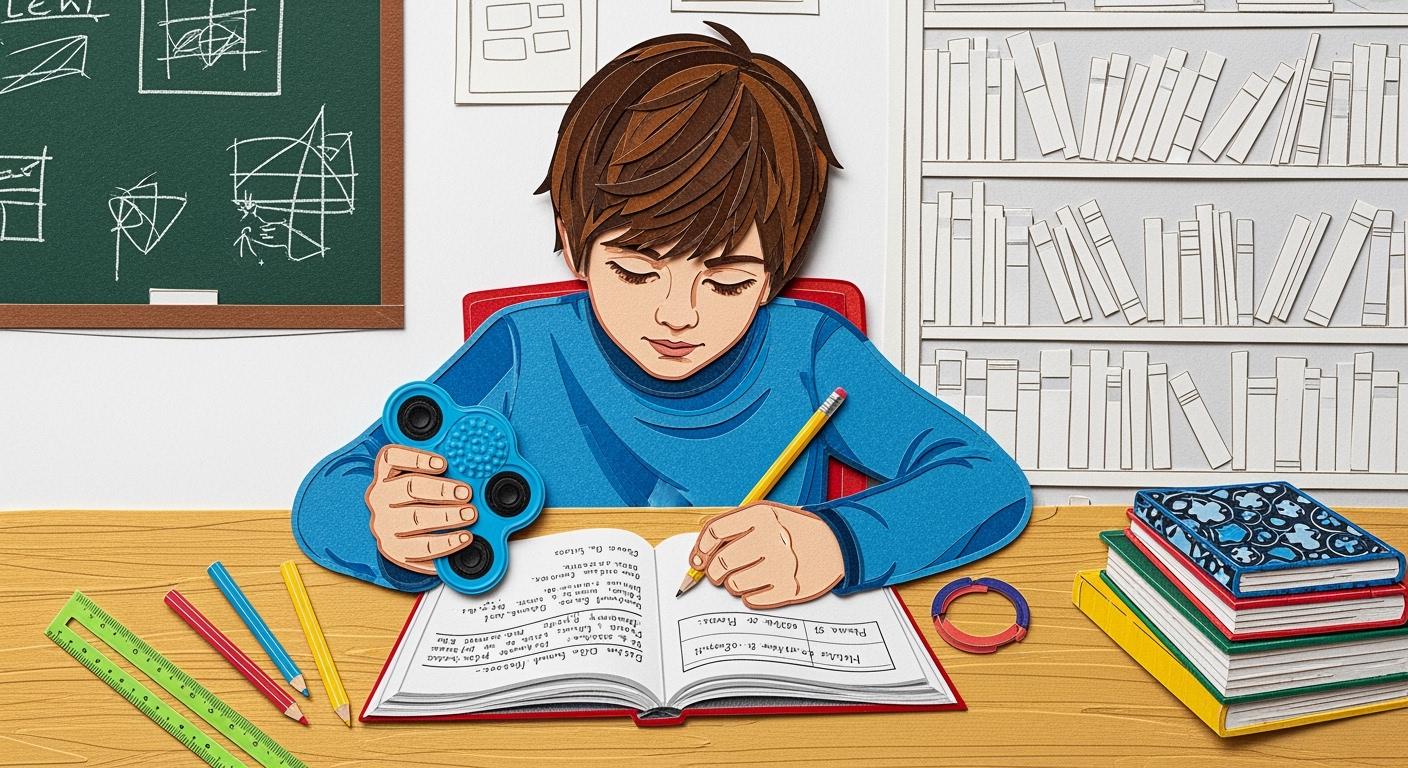
Have you ever seen students play with pencils or tap their feet in class? Many students use a sensory fidget toy to help them focus and feel calm when class feels long. But some teachers worry these toys might distract others:
Teachers may make rules about fidgeting if kids use fidgets in a wild way, showing they worry about possible distractions.
You might hear these common ideas:
Some people think fidget toys distract everyone, but it depends on the child.
Others believe all students need a fidget, but sensory tools work best when they fit each person’s needs.
Knowing the good and bad sides helps you pick what is best for your classroom or child.
Key Takeaways
Sensory fidget toys help kids focus by giving them controlled sensory input. This lets them calm down and pay attention in class. These toys are very helpful for students with ADHD, autism, or anxiety. They help these students control their energy and feelings well. Teachers can help students focus by picking quiet and simple fidget toys. They should also set clear rules for using them and watch how students use the toys. Using sensory fidget toys the right way can lead to better behavior. It can also help students join in more and do better in school. Fidget toys are not only for students with special needs. They can help any child handle stress and stay focused during lessons.
Sensory Fidget Toy Benefits for Focus
How Fidgets Support Attention
Some students have trouble paying attention in class. Sensory fidget toys can help them focus better. These toys give controlled sensory input. This helps kids calm down and pay attention. When you use a sensory fidget toy, you move your hands in small ways. These movements use up extra energy. This makes it easier to listen and finish work.
Experts say sensory fidget toys have many benefits:
Sensory fidget toys help kids feel calm and less anxious. This can help them focus better in school.
They help children with ADHD by letting them move in quiet ways.
Kids who use sensory fidget toys may behave better and pay more attention.
Sensory fidget toys give sensory input that helps kids concentrate.
They are very helpful for kids with ADHD, autism, or anxiety. These toys help them control feelings and stay focused.
Sensory fidget toys work well during group lessons and reading alone.
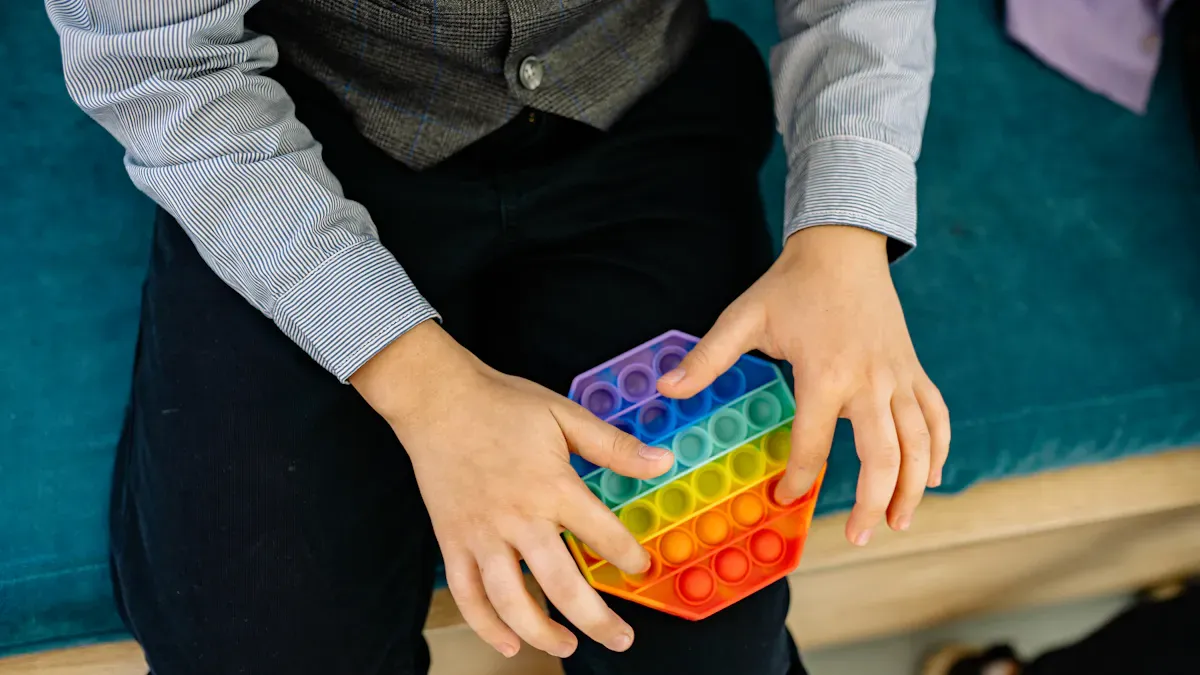
You might see students use spinners or rollers to keep their hands busy. Some kids use cubes for touch input to manage their energy. Pop-its give calming touch and help with stress.
Teachers say there is some proof that sensory fidget toys help students act better in class. Some studies show kids stay in their seats and finish work more when they use these tools.
But sometimes, sensory fidget toys can distract students. If kids use them the wrong way, they may not do well in school. Teachers need to watch how students use them and make clear rules.
Self-Regulation and Anxiety Relief
Sensory fidget toys also help kids control their feelings and lower anxiety. When you feel nervous, a sensory fidget toy can help you feel safe. This makes you feel less worried during tests or changes in routine.
The table below shows how sensory fidget toys help with anxiety and self-control:
Evidence Type | Description |
|---|---|
Grounding Tools | Sensory fidget toys help kids feel safe and in control. This lowers anxiety during stressful times. |
Channeling Hyperactivity | They help kids use extra energy in safe ways. This helps them focus and feel calm. |
A study with 129 parents showed that parents of neurodivergent kids found sensory fidget toys more helpful for anxiety than other parents. More classrooms now use sensory fidget toys to help kids focus, especially those with ADHD, anxiety, or sensory needs.
Experts suggest different sensory fidget toys for self-control:
Weighted items give deep pressure and calm kids. They work best for short times.
Movement tools help kids refocus, especially before homework or changes.
Oral input tools help calm the body and help kids focus.
Fidgets with touch features help kids control themselves during work or changes.
Visual and sound tools help make the classroom calm and less busy.
You should know about possible problems too. Some sensory fidget toys have chemicals that can hurt skin if broken. Kids’ skin is thinner and can get hurt more easily. Always check if sensory fidget toys are safe before using them in class.
When you use sensory fidget toys the right way, you help students focus, feel less anxious, and behave better. These tools make it easier for all students to learn and control their feelings.
What Are Sensory Fidget Toys?
Sensory fidget toys are small tools that you can hold and use with your hands. These toys help you stay focused and calm in class. Many schools use them to support students who need extra help with attention or stress.
Types of Fidgets
You can find many types of sensory fidget toys in classrooms. Some of the most popular ones include:
Fidget spinners: You hold these in your hand and spin them. The spinning motion gives you both visual and tactile stimulation.
Fidget cubes: These cubes have different buttons, switches, and textures on each side. You can press, roll, or slide parts of the cube.
Fidget sticks and rollers: These toys move back and forth in your hand. They help you keep your fingers busy.
Stress balls and squishy toys: You can squeeze these soft toys to help relieve stress and get calming touch input.
Silicone poppers: These toys let you push bubbles in and out, making a soft popping sound.
Many schools, like those using Perkins Library sensory kits, include items such as silicone poppers and squeeze balls to help students manage emotions and stay focused.
Here is a quick look at what you might see in a sensory kit:
Fidget Type | Main Feature | How It Helps |
|---|---|---|
Fidget Spinner | Spinning motion | Visual and tactile input |
Fidget Cube | Multiple textures/buttons | Keeps hands busy |
Stress Ball | Soft, squeezable | Relieves stress |
Silicone Popper | Push-in bubbles | Calms and soothes |
How Sensory Input Works
Sensory fidget toys work by giving your brain extra input. When you move your hands or fingers, your brain releases chemicals like dopamine and norepinephrine. These chemicals help you pay attention and stay alert. Fidgeting also increases blood flow to the part of your brain that controls decision-making.
You can use different types of sensory toys for different senses:
Tactile toys: These have different textures. They help you develop fine motor skills and feel calm.
Auditory toys: These make sounds or play music. They help you listen and focus better.
Studies show that fidgeting can improve working memory, especially for students with ADHD. When you use a fidget toy, you may find it easier to remember instructions and finish your work. Sensory fidget toys give your body and brain the input they need to stay focused in school.
Fidgets in the Classroom: Who Benefits Most
ADHD and Autism Support
Many students with ADHD or autism use fidgets in class. These tools help them handle too much sensory input and stay calm. Using a sensory fidget toy helps you focus and feel less worried. Students with ADHD often have trouble sitting still or paying attention. Fidget toys keep their hands busy, so they can stay involved.
Here are ways sensory fidget toys help students with ADHD or autism:
Sensory rooms help neurodivergent students feel less stressed.
Fidget toys help students pay attention during lessons.
Calming touch and oral input help with sensory overload.
Anxiety and restlessness go down, so focusing gets easier.
Using fidgets often helps students stay focused and learn more.
These tools help students join in both schoolwork and social times. Teachers see fewer interruptions and more participation when students use fidgets. You can see how these tools make learning easier for students who need extra help.
General Student Use
Fidgets in class help more than just students with ADHD or autism. Many students use these tools to manage stress and stay focused. Sensory fidget toys help you control your energy and feelings. You can use them to calm down before a test or during a busy lesson.
Sensory fidget toys are important for inclusive classrooms. They help you deal with sensory challenges and focus better. When you use a fidget toy, you can control your anxiety and energy without bothering others. Teachers can change their teaching to fit your needs. This makes the classroom welcoming and ready for learning.
Tip: Pick fidget toys that are quiet and simple to use. This keeps the classroom calm and focused.
Fidgets in class help all students, not just those with special needs. These tools make learning easier and help everyone do their best.
Managing Fidgets in the Classroom
Balancing Focus and Distraction
You want your students to pay attention in class. Sensory fidget toys can help students control themselves. These toys give a way to stay calm and focused. But you might worry about kids getting distracted. If students use fidget toys the wrong way, they might bother others. You can stop problems by picking the right fidget toy for each student. Try different types, like ones that are soft or quiet. See which toys help students focus without making noise.
You should pick fidget toys that are:
Quiet and easy to use in class.
Strong enough for everyday use.
Small so they fit under the desk.
Do not have lights or make loud sounds.
You can make rules for when and where to use fidget toys. Teach students that these tools are for learning, not just for fun. Use fidget toys with other ADHD strategies to help students pay attention and learn more.
Guidelines for Effective Use
You can follow expert tips to use fidget toys well in class. The table below gives some good ideas:
Guideline | Description |
|---|---|
Quiet Tools | Fidget toys should be quiet and simple to avoid distractions. |
Structured Use | Teach students to use tools as part of classroom routines. |
Clear Norms | Set norms, like keeping toys silent and below the desk during lectures. |
Specific Needs | Use tools for focus, grounding, or on task behavior. |
Limited Choices | Offer a small selection of durable tools to prevent classroom disruptions. |
You should show students how and when to use fidget toys. Make sure they know these tools are for learning, not just playing. Give only a few choices to stop problems and keep students on task. When you use these ideas, you help all students pay attention and do better in class.
Sensory fidget toys help students pay attention and feel less anxious at school. You can pick strong toys and make a small kit for class or home. Teach students to use these toys quietly so they do not bother others. Watch which toys help students focus during lessons. Take away any toys that cause problems or distractions. Every student is different and needs different things. Some fidget toys help me, but they might not help everyone. If you use these tools with care, you help students focus, feel calm, and get ready to learn at school.
Using a balanced plan helps you support students who need help with anxiety and focus in school.
FAQ
What are fidgets and how do they help in the classroom?
Fidgets are small tools you hold in your hands. You use them to help you focus and feel calm. Fidgets help you control your movement and pay attention. Teachers give fidgets to students who need extra help with focus.
Can fidgets improve academic performance?
Fidgets can help you do better in school. They help you stay on task and feel less stressed. When you use fidgets, you control your movement and focus more. Teachers see students finish work and listen better when fidgets are used in class routines.
Who benefits most from classroom fidgeting?
Students with ADHD, autism, or anxiety get the most help from fidgets. Fidgets help you manage movement and sensory needs. They help you stay calm and pay attention. Teachers see fewer disruptions and more participation when fidgets are in the classroom.
How do movement interventions work with fidgets?
Movement interventions use fidgets to help you control energy and attention. You use fidgets to move safely during lessons. Fidgets let you channel movement in safe ways. Teachers use movement interventions and fidgets together to help students learn and focus.
Are there rules for using fidgets in the classroom?
You must follow rules for using fidgets in class. Teachers make guidelines, like keeping fidgets quiet and using them under the desk. You use fidgets for learning, not just for fun. Fidgets help you control movement and stay focused during lessons.
Tip: Ask your teacher which fidgets are best for you in class.
See Also
Essential Weighted Toys for Children Facing Sensory Issues
Top Sensory Toys to Alleviate Anxiety and Stress
Key Features Doctors Seek in ADHD Sensory Toys

