How Sensory Chew Toys Help Children with Autism and ADHD
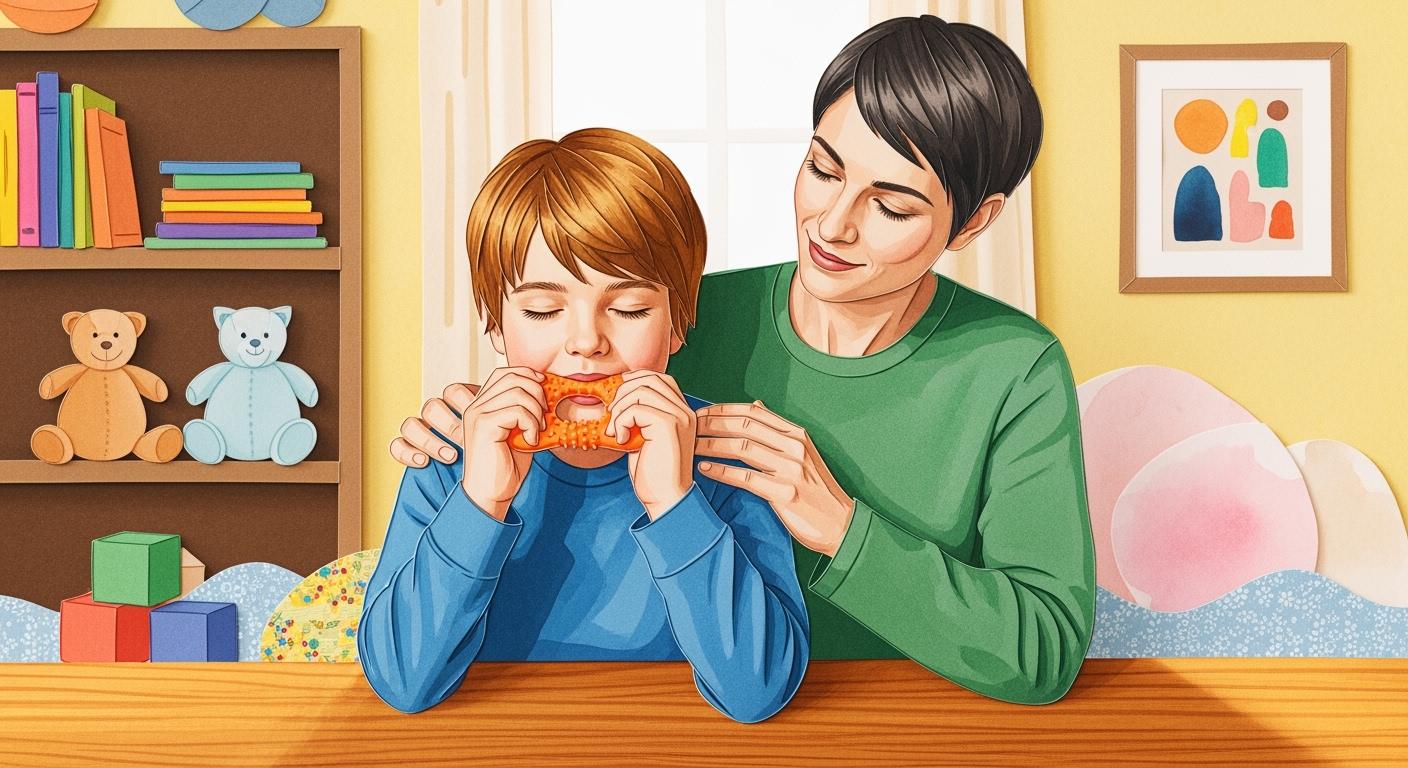
You might see your child chew on things or clothes a lot. This shows they have important sensory needs, especially if they have autism. Sensory chew toys like the Lock Shape Chew, X-Shape Chew, and T Shape Oral Chew are safe for these needs. These toys help kids handle stress, focus better, and make their mouth muscles stronger. The table below explains how sensory chew toys can help your child with sensory needs every day.
Benefit | Impact on Children with Autism and ADHD |
|---|---|
Self-regulation | Chew tools help kids deal with stress and worry. |
Focus | Chewing helps kids pay attention and stay present. |
Oral motor skills | Helps make the jaw strong and improves mouth skills. |
Sensory input | Gives calming feelings to the nervous system. |
Coping mechanism | Lets kids calm themselves in a safe way. |
Key Takeaways
Sensory chew toys give children a safe way to chew. This helps them stay away from things that are not safe to chew. Chewing helps kids with autism and ADHD pay attention better. It also helps them handle stress and build mouth skills. Picking the right sensory chew toy means thinking about what your child likes. You should look at texture and safety to help their sensory needs. Sensory chew toys can help lower anxiety. They also help kids control their feelings, so daily tasks get easier. Using sensory tools like chew toys and crunchy snacks can help your child focus. These tools also help them join in more activities.
What Are Sensory Chew Toys
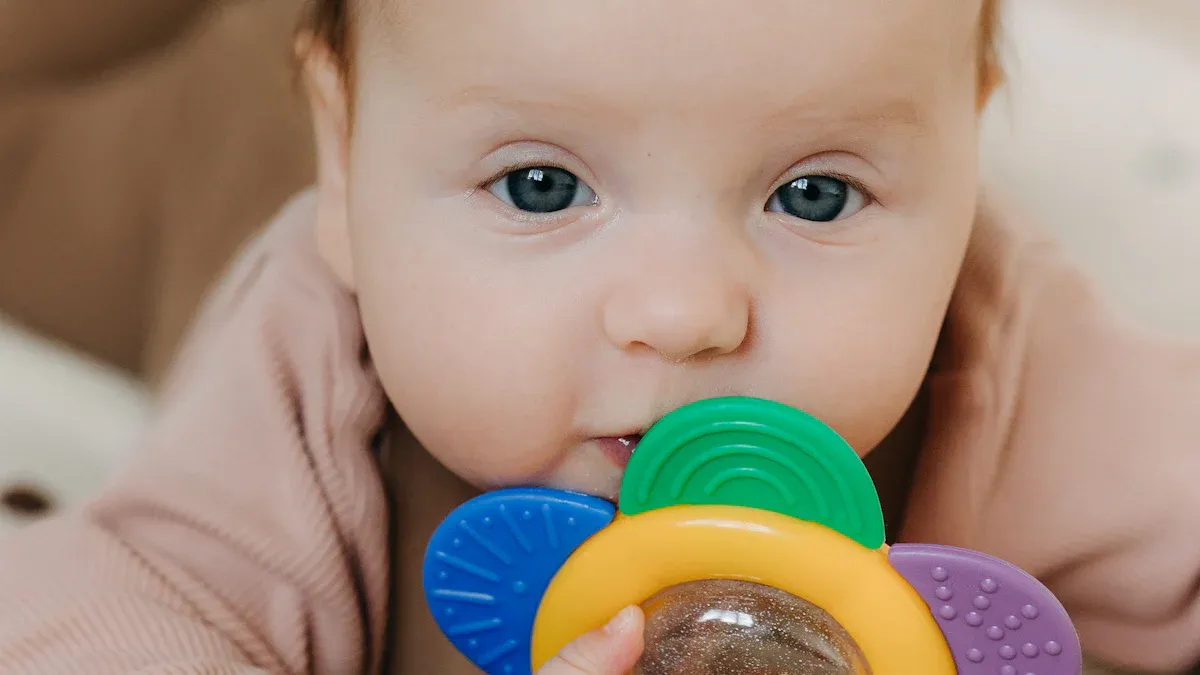
Sensory chew toys give your child a safe way to meet their need to chew. You may notice your child chews on pencils, sleeves, or even their fingers. These toys help children with autism and ADHD by offering a special kind of oral sensory input. When your child chews, they get signals that help their brain feel calm and focused. Sensory chew toys also support healthy mouth movement and can make daily life easier for your family.
Types of Sensory Chew Toys
You can find many types of oral sensory toys. Some look like necklaces or bracelets, while others come in fun shapes like keys, sticks, or animals. Each type fits different chewing habits and preferences. Some children like soft and squishy toys, while others want something firm. You might see your child enjoy a toy with bumps or ridges, or they may prefer a smooth surface.
Here is a table that shows common features you will find in these toys:
Material/Design Feature | Description |
|---|---|
Durable Materials | Toys use high-quality silicone or other strong materials. They last through lots of chewing. |
Variety of Textures | Some toys feel smooth, others have bumps or are hard. This gives your child different sensory experiences. |
Personalizable Designs | You can choose necklaces, bracelets, or handheld toys. This helps match your child’s needs and style. |
How Sensory Chew Toys Work
Oral sensory toys work by giving your child oral sensory input. When your child chews, the pressure and movement send signals to their brain. This helps them feel calm, focused, and ready to learn. Chewy toys also help your child use their mouth muscles in a healthy way. You can use these sensory tools at home, in school, or on the go. They give your child a safe outlet for chewing and help them avoid chewing on unsafe items.
Tip: Try different textures and shapes to see which toy your child likes best. Every child is unique, so finding the right fit can make a big difference.
Why Children Chew
Sensory Needs and Oral Fixation
Sometimes, your child chews on things like pencils or sleeves. This can happen because their body has trouble handling sensory information. Kids with autism and ADHD often need oral input. Oral fixation helps them feel better and calm down. Many kids chew when they feel stressed or bored. Chewing helps them deal with their feelings and surroundings.
Cause | Explanation |
|---|---|
Sensory Processing Disorder | The nervous system has trouble sorting sensory information. |
Autism Spectrum Disorder | Kids use sensory seeking to help themselves cope. |
ADHD | Chewing helps kids focus and control impulses. |
Anxiety disorders | Oral input helps kids feel calm and in control. |
Note: A study in 2021 found that 40% of kids with oral sensory problems had more stress. This shows a link between anxiety and chewing.
Self-Regulation and Calming
Chewing helps kids handle stress and anxiety. When kids chew, their brains can feel calmer and more focused. Kids with ADHD use chewing to stay alert and control their actions. Chewing is a way for kids to manage their feelings and sensory input. You might notice your child chews more when stressed or trying to focus.
Chewing can:
Help kids feel calm in tough times
Make it easier to pay attention
Give comfort when kids feel overwhelmed
Oral Motor Development
Chewing helps kids build strong mouth muscles. Some kids have trouble with jaw, lip, or tongue movement. Sensory chew toys make these muscles stronger. Toys like the T-Shape Oral Motor Speech Therapy Teether help with this. These toys make mouth exercises fun and interesting. When kids use chew toys, they get better at chewing and speaking. You help your child meet their mouth needs in a playful way.
Benefits of Sensory Chew Toys

Safe Outlet for Chewing
You want your child to chew safely. Sensory chew toys give a healthy way to chew. Many kids with autism or ADHD chew on things. They might chew pencils, shirts, or fingers. Oral sensory toys help kids chew safe items. This keeps chewing clean and safe. You protect your child from unsafe chewing. These toys let kids explore oral sensory input in a good way.
Sensory chew toys use strong and safe materials.
They have different textures for kids to try.
Chew tools stop unsafe chewing habits.
Chewing gives deep proprioceptive input. This calms your child and helps self-regulation.
Tip: Try toys with many shapes and textures. You can find what works best for your child’s sensory diet.
Improved Focus and Attention
You notice your child has trouble focusing. Sensory chew toys help kids pay attention. Chewing in a steady way helps filter distractions. It lowers hyperactivity and helps self-regulation. Oral sensory input helps kids focus when learning or talking to others.
Oral sensory toys help kids stop chewing unsafe things.
Chewing can help kids talk better and feel less anxious.
Sensory tools help kids focus and pay attention.
Benefit | How It Helps Your Child |
|---|---|
Rhythmic Chewing | Calms the mind and body |
Oral Sensory Input | Supports learning and social skills |
Sensory Diet | Helps your child stay present and alert |
Calming Anxiety and Stress
You see your child feel worried or stressed. Sensory chew toys help kids handle these feelings. Oral sensory input gives comfort and calm. Sensory toys give helpful sensory input. They help kids control sensory processing and feel more confident.
Sensory chew toys help control sensory input.
They help kids feel calm and focused.
Using oral sensory toys teaches self-regulation.
Sensory diet helps your child’s emotional needs.
Note: Up to 40% of kids with autism may have anxiety. Chewing can help lower anxiety and stress.
Choosing Oral Sensory Toys
When to Use Oral Sensory Toys
You might wonder when your child needs oral sensory toys. Watch for signs that show sensory needs. Your child may have meltdowns during messy play. They might get upset during hair brushing or other routines. Eating habits can also give clues. If your child eats only a few foods and avoids others because of texture, this may mean they have sensory challenges. Behavior is important too. Fidgeting in class or wanting deep pressure can show your child needs sensory tools.
Kids may have meltdowns during messy activities.
Some kids get upset during grooming routines.
Limited food choices based on texture can show sensory needs.
Fidgeting or wanting deep pressure may mean a need for oral sensory input.
Tip: Watch your child’s actions closely. If you see chewing on things that are not safe or signs of stress, try adding oral sensory toys to their sensory diet.
Selecting the Right Toy
Picking the best oral sensory toy starts with knowing your child’s sensory needs. Every child is different. Some kids like certain textures, while others do not. Match the toy to your child’s likes and needs. Safety is very important. Always watch young children and avoid toys with small parts that could be a choking risk. Think about what kind of sensory feeling your child wants. Weighted toys may help kids who have trouble with body awareness. Kids who like textures may enjoy tactile boards or soft brushes.
Here is a table that shows what to look for when picking sensory tools:
Feature | Description |
|---|---|
Material Safety | Chew toys should be made from safe materials. They must not have harmful chemicals like BPA, phthalates, or lead. |
Texture Preferences | Kids like different textures. Some want smooth toys, others like bumpy ones. |
Appearance | The toy should look good to your child. Older kids may want toys that are not too bright or flashy. |
Context of Use | Think about where your child will use the toy. Some places may not allow certain toys or jewelry. |
You can help your child by giving them sensory tools that fit their oral sensory diet. Chewing gives a safe way to meet sensory needs. It helps with self-regulation and lowers stress and anxiety. Chewing can help kids focus better. It also helps mouth muscles grow and can help with oral sensitivities.
Note: Picking a toy that matches your child’s sensory needs makes their sensory diet work better and feel more fun.
Tips for Safe Use
Safety is the most important thing when using oral sensory toys. Always check for choking risks. Do not use toys with small parts that could break off. Look at toys often for damage. Replace any toy that looks worn out. Pick the right firmness. Toys that are too soft may break, but toys that are too hard may hurt. Choose toys made from safe materials. Use FDA-approved, BPA-free, and phthalate-free options.
Good chewelry uses safe, medical- or food-grade materials.
Chewelry should be big enough to avoid choking and strong enough for kids who chew a lot.
Pick durable toys and larger sizes to stop breakage and lower choking risks.
Make sure all toys and parts are bigger than your child’s mouth.
Tip: Help your child chew on safe toys instead of unsafe things. Praise your child when they use sensory tools the right way. This helps build good habits and supports their sensory needs.
You can make a safe and helpful space by picking the right oral sensory toys. This helps your child meet their sensory needs and supports their sensory diet every day.
Redirecting Chewing Habits
Why Redirection Is Better Than Stopping
Sometimes, your child chews on things that are not safe. Telling them to stop chewing does not help. Chewing helps kids with sensory processing disorder feel better. It is a natural way to handle stress and sensory needs. Giving your child sensory chew toys is a healthy choice.
The goal is not to stop chewing. You want to help your child chew in safe and helpful ways.
You can give your child chewable necklaces or bracelets. Pencil toppers made from medical-grade silicone are good too. Ask your child to chew on safe toys, not clothes or other things. Let your child pick colors or shapes they like. This makes them want to use the toys more.
Chewable jewelry and pencil toppers are safe choices.
Letting your child pick shapes helps them feel involved.
Safe chewing helps your child’s sensory diet and oral sensory processing disorder.
You can also give chewy foods like bagels or dried fruit. Crunchy foods like carrots or pretzels are good. Sucking and blowing with straws or bubbles helps meet oral needs.
Supporting Healthy Sensory Strategies
You help your child by using healthy sensory strategies. Sensory chew toys are just one part of a sensory diet. Use these toys during homework or in the car. They help at therapy or while waiting at appointments. Sensory strategies help your child focus and pay attention.
Noise-canceling headphones and weighted blankets lower overstimulation.
Tactile play and musical instruments help sensory processing.
Sensory-friendly spaces make kids feel comfortable and focused.
A sensory diet has chew toys, crunchy snacks, and bubble-blowing activities. Using the right sensory strategies helps kids focus and join in with others. You help your child feel calm and confident. Sensory chew toys can be used whenever your child needs them.
Sensory Strategy | Benefit for Your Child |
|---|---|
Chew toys | Safe outlet for chewing |
Crunchy/chewy foods | Oral input for calming |
Sensory activities | Improved sensory processing |
Sensory-friendly spaces | Better focus and comfort |
You build good habits by redirecting chewing. Supporting your child’s sensory diet helps every day. This makes it easier for your child to handle sensory processing disorder and oral sensory processing disorder.
Sensory chew toys let kids chew safely. They help kids focus better and feel less anxious. Chew toys also help kids build small muscle skills. Picking the right toy helps kids use their senses well. This makes kids feel happier and healthier. Giving safe chew toys shows you care about your child’s needs. Sensory toys help kids relax and talk to others. They also help kids pay attention in class or at home. When you give these toys, you feel sure you are helping. You see your child do better and feel proud. Your help lets your child grow and succeed every day.
FAQ
What age can my child start using sensory chew toys?
You can introduce sensory chew toys as early as toddler age. Always supervise young children. Choose toys labeled for your child’s age group to ensure safety.
How do I clean sensory chew toys?
Wash sensory chew toys with warm, soapy water. You can also use a dishwasher if the toy is dishwasher-safe. Check the manufacturer’s instructions for best results.
Can sensory chew toys help with speech development?
Yes. Sensory chew toys strengthen mouth muscles. This helps your child with speech and eating skills. Many therapists use these toys during oral motor exercises.
How do I know which chew toy is best for my child?
Watch your child’s chewing habits.
Try different textures and shapes.
Ask your child which toy feels best.
Talk to your child’s therapist for advice.
See Also
Key Features Medical Experts Seek in ADHD Sensory Toys
Autism Sensory Toys Transform Playtime into a Calm Experience
The Role of Sensory Toys in Enhancing Motor Skills for Autistic Children
Innovative Sensory Board Concepts to Bring Joy to Autistic Kids
Benefits of Weighted Sensory Toys for Children Facing Sensory Issues
