How Sensory Bracelets Support Children with Autism and Anxiety
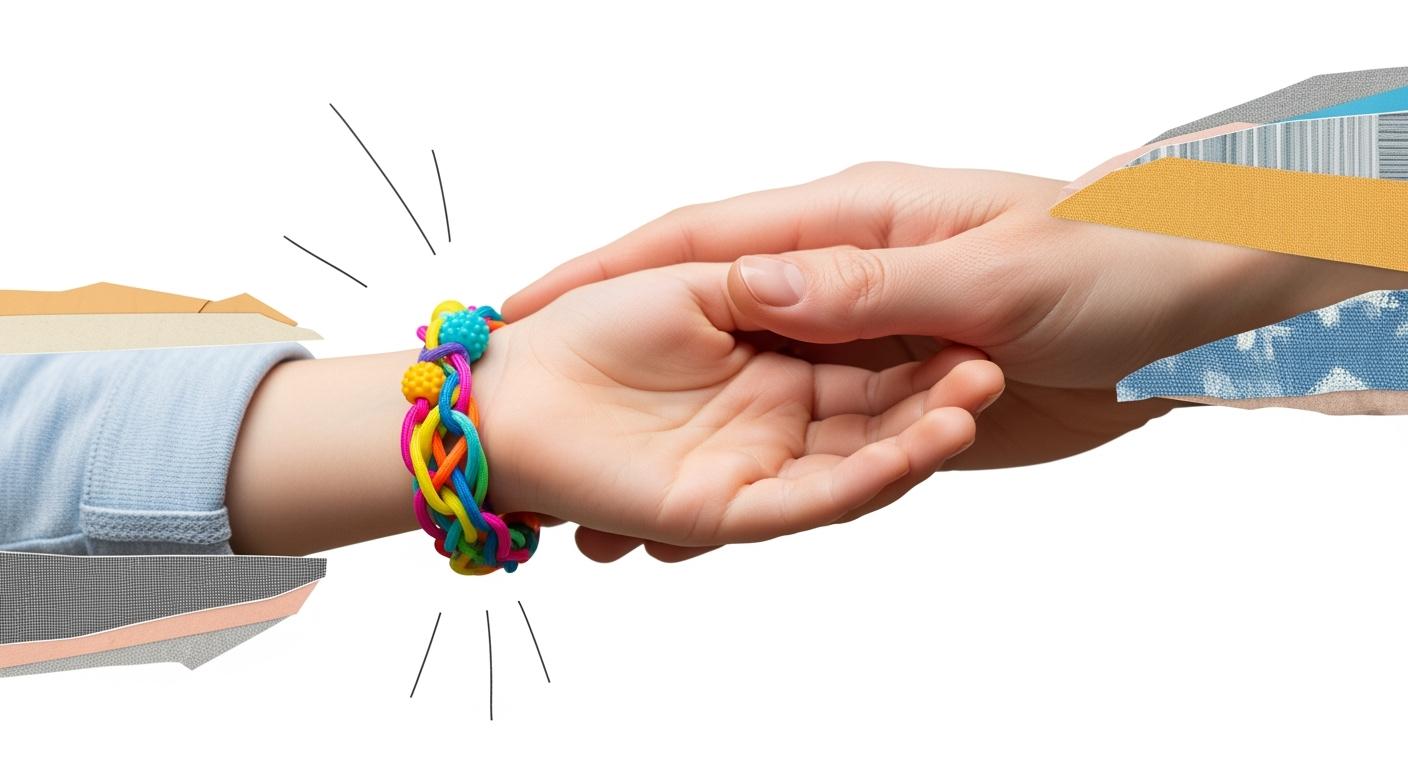
You can help kids with autism and anxiety feel calm and safe by using sensory bracelets. These bracelets give your child a soothing touch. Kids often pick a Glitter Sequin Slap Bracelet, Autism Bracelet, or Chew Bracelet when they need to calm down during tough times. Sensory bracelet choices let you give comfort and support. You may notice better focus and easier changes with the right sensory bracelet.
Key Takeaways
Sensory bracelets help kids with autism and anxiety feel safe. They make children feel calm when things get stressful. Picking the right sensory bracelet lets kids show what they like. This makes them want to use it often to feel less stressed. These bracelets help kids focus better and control their feelings. They help children do well in school. Wearing sensory bracelets during changes or new things can lower anxiety. They help kids feel safe and secure. Parents and teachers can tell kids to use sensory bracelets to stay calm and focused. This makes their day better.
What Are Sensory Bracelets?

Purpose and Features
A sensory bracelet can help your child feel less stressed. It gives kids a safe way to touch and feel something. This helps them stay calm in busy places. Many kids like these bracelets because they are soft and bend easily. Some bracelets are made for chewing, which helps kids focus and relax.
Here is a table that lists the main features and materials of sensory bracelets for children with autism and anxiety:
Feature/Material | Description |
|---|---|
Type | |
Material | Made from FDA approved materials, free from BPA, latex, and phthalates |
Benefits | Improves concentration, reduces anxiety, provides sensory input |
Recommended Age | Suitable for children aged 3 years and upwards |
Care Instructions | Wash in warm, soapy water or top rack of dishwasher |
These bracelets use safe materials. You can clean them easily. Most sensory bracelets work for young and older kids.
How Sensory Bracelets Work
Sensory bracelets help your child fidget or chew when they feel worried. Touching or chewing the bracelet gives calming feelings. This can help kids focus and feel less stressed. Some bracelets, like Brick Chew Bracelets, have two textures for different sensory needs. These bracelets use food-grade silicone and are strong for chewing and fidgeting. This makes them different from other wearable sensory tools.
Tip: Let your child pick the bracelet style and texture they like. This helps them feel good and want to use it often.
Sensory bracelets give kids an easy way to handle their feelings. You can use them at home, school, or while traveling. This helps your child feel safe and supported.
Sensory Bracelets for Autism
Calming and Comfort
Sensory bracelets can help kids with autism feel calm. These bracelets are soothing and help manage stress. When a child uses a sensory bracelet, they feel comfort from touch and movement. Many kids like to fidget or chew on the bracelet. This helps them relax in new or busy places.
Sensory bracelets give sensory input that helps calm kids. Researchers say chewelry, like chewable bracelets, helps kids with autism handle sensory needs. You might see your child feel less anxious and more relaxed with these bracelets.
Chewelry, like sensory bracelets, helps kids with autism with sensory regulation and calming.
Sensory bracelets give a safe way for oral sensory needs, so kids can stay calm.
Many kids use sensory bracelets to calm down during changes or stressful times.
Tip: Ask your child to wear their sensory bracelet during changes, like moving between activities or going to new places. This can help make changes easier and less stressful.
Focus and Self-Regulation
Sensory bracelets do more than give comfort. They can help kids with autism focus and control themselves. When kids have sensory bracelets, they get a tool for attention and emotional control. Sensory toys, like bracelets, help kids with autism stay calm and focus on work.
Studies show sensory integration, including bracelets, helps kids with autism focus and control themselves. The table below shows what research says about sensory tools and their effects:
Study Title | Authors | Journal | Year | Findings |
|---|---|---|---|---|
Effects of Sensory Integration Intervention on Children with Autism | Miller, E. J., Schnitz, R. A., Carr, E. W. | Journal of Autism and Developmental Disorders | 2015 | Shows sensory integration helps self-regulation in kids with autism. |
Effectiveness of Sensory Integration Interventions in Children with Autism | Pfeiffer, B., Koenig, K., Kinnealey, M., et al. | American Journal of Occupational Therapy | 2011 | Pilot study shows sensory integration helps self-regulation in kids. |
The influence of sensory processing tools on attention and arithmetic performance | van der Wurff, I., Meijs, C., Hurks, P., et al. | Journal of Experimental Child Psychology | 2021 | Shows sensory tools help focus and attention, which helps self-regulation. |
You can see sensory bracelets help kids with autism focus and manage feelings. When you give a sensory bracelet, you help your child control feelings and actions. This can help them do better in school, handle changes, and have better interactions.
Note: Sensory bracelets are easy to carry and use. You can put one in your child's backpack or pocket. This way, they always have comfort and calm when they need it.
Sensory Bracelets for Anxiety
Stress Relief
You can help your child with anxiety by giving them a sensory bracelet. Many kids feel nervous in new places or during stressful times. Sensory bracelets help by giving comfort through touch and movement. When your child wears one, they can fidget or chew safely. This helps them feel more relaxed.
Chew necklaces are a popular sensory bracelet for anxiety. These bracelets give oral sensory stimulation. This calms the nervous system and lowers restlessness. Your child can use the bracelet to handle nervous energy in a safe way. This helps them focus better, especially in busy places like school. Some kids use their sensory bracelet during mindfulness exercises. This helps them stay present and worry less. Wearing a chew necklace can also help your child feel proud. It lets them show their personal style.
Here are some features that make sensory bracelets good for stress relief:
Feature | Description |
|---|---|
Design | Bright colors, can be worn or attached to bags or clothes. |
Size | 20cm long, 0.8cm wide, 0.8cm thick. |
Purpose | Helps lower stress and anxiety, helps focus for kids with ADHD, ADD, Autism, and anxiety. |
Sensory toys like bracelets help with touch, taste, and movement. They let your child explore their sensory needs in a safe way. This helps them feel calm and secure.
Tip: Tell your child to use their sensory bracelet when they feel anxious. This can help them calm down before stress gets worse.
Transition Support
Transitions can be tough for kids with anxiety. Changing activities or going to new places often makes them worry. Sensory bracelets can help make these times easier. They remind your child of love and safety. This helps your child feel more confident when you are apart.
You can give your child a sensory bracelet as a special object. It can be like a favorite stuffed animal. This builds a strong emotional bond and helps lower anxiety. When your child wears their bracelet, they carry comfort from home.
Sensory bracelets help kids during transitions in many ways:
They act as a comfort object and give emotional support when your child is away from you.
The bracelet reminds your child they are safe, even in new places.
Sensory bracelets help kids explore their sensory limits safely, so changes feel calmer.
Note: Give the sensory bracelet in a positive way. Let your child pick the color or style they like. This helps them feel close to the bracelet and makes it more calming.
You can use sensory bracelets every day. Give your child their bracelet before school, when traveling, or visiting new places. This easy step can make changes smoother and help your child feel supported.
Types and Choosing a Sensory Bracelet
Materials and Textures
Sensory bracelets are made from different materials. Some use soft silicone that feels gentle and is safe to chew. Others use fabric or rubber for other feelings. Some bracelets are smooth, and some have bumps or ridges. These textures give extra stimulation and help kids focus. Many bracelets are strong and last through daily use. You should look for bracelets without harmful chemicals. This keeps your child safe while they use calming items.
Designs for Needs
Sensory bracelets have many designs for different needs. You can pick jewelry that helps kids feel calm and focused. Some bracelets lower anxiety and stop unwanted habits. Some give good oral feedback for kids with high sensory needs. Many bracelets look nice and help users feel regulated. You can choose colors and shapes that give good sensory input. Some bracelets are small and easy to use, so they help kids calm down. There are also soft and quiet fidget items in many shapes. These designs make bracelets comfy and useful at home, school, or when traveling.
Comfortable and strong styles are good for daily use.
Hidden options help parents and caregivers feel better.
Many bracelets are made for confident use anywhere.
Selection Tips
Think about your child's age, likes, and sensitivities when picking a bracelet. Notice what textures and materials your child enjoys. Make sure the bracelet fits their age and stage. Always check for allergies to any materials. Pick strong, high-quality bracelets for safety. Watch your child when they use the bracelet, especially if they chew it.
Here are some tips for using and cleaning:
Cleaning Method | Notes |
|---|---|
Mild soap and warm water | Safe for all pieces. |
Dishwasher (without food items) | Easy way to clean. |
Washing machine | Can be used, check care guide. |
Wash the bracelet well before your child uses it.
Check the bracelet often for damage or wear.
Take off the bracelet if you see any damage.
Use with an adult watching for extra safety.
Tip: Let your child help choose their bracelet. This makes them want to use it and feel comforted.
Sensory bracelets help your child feel calm and supported. You can use these items every day to help your child feel safe and regulated.
Real-Life Impact
Parent Stories
You can see the difference sensory bracelets make in real families. Many parents share stories about how these bracelets help their children feel safe and calm. One parent says, "My son wears his bracelet every day. He uses it when he feels nervous at school. It helps him focus and stay relaxed." Another parent explains, "We tried many calming items before. The sensory bracelet is the only thing that works for my daughter during loud events. She holds it and feels less stressed."
You may notice your child uses their bracelet in many places. Parents often report that their children reach for their bracelets during car rides, doctor visits, or family gatherings. These stories show that sensory bracelets give comfort and support in real-life situations.
Children use bracelets to handle stress at school.
Parents see fewer meltdowns during busy times.
Families feel more confident when their child has a sensory tool.
Note: You can ask your child how the bracelet helps them. This builds trust and helps you understand their needs.
Child and Educator Quotes
Children and teachers also share positive feedback about sensory bracelets. A teacher says, "Students who use sensory bracelets stay focused longer. They finish their work and feel proud." One child shares, "I like my bracelet. It helps me when I feel worried. I squeeze it and feel better."
You can read more quotes in the table below:
Who | Quote |
|---|---|
Child | "My bracelet helps me calm down when I get upset." |
Educator | "Sensory bracelets help students manage their feelings." |
Parent | "We see a big change in our child's mood and focus." |
These real-life stories show that sensory bracelets and other calming items support children with autism and anxiety. You can use these tools to help your child feel safe and confident every day.
Sensory bracelets help kids with autism and anxiety in many ways. They can lower stress and help kids focus better. These bracelets also give comfort when things change. Teachers can use sensory bracelets in class to help students feel supported.
Some features of sensory bracelets are:
Type | Purpose | Design |
|---|---|---|
Chewable bracelet | Stress relief, calming | Discreet, colorful, durable |
Eases anxiety, tactile fun | Soft, appealing, wearable |
Let your child pick a bracelet they like. You can talk to teachers about using sensory tools at school.
FAQ
What age is best for sensory bracelets?
Kids as young as three can use sensory bracelets. Always look at the label for age rules. Pick a bracelet that fits your child's size and needs.
How do I clean a sensory bracelet?
Most sensory bracelets can be washed with soap and water. Some silicone ones can go in the dishwasher. Always read the care guide before cleaning.
Can my child wear a sensory bracelet at school?
Many schools let kids wear sensory bracelets. You should ask your child's teacher first. Sensory bracelets help kids focus and feel calm in class.
Are sensory bracelets safe for chewing?
Most chewable sensory bracelets use food-grade silicone. You should check for safety labels. Always watch your child when they chew on a bracelet.
How do I know which bracelet my child will like?
Let your child try different textures and colors. You can ask what feels best to them. Kids often pick bracelets that match their favorite colors or needs.
See Also
Exploring Support Strategies For Autism Sensory Overload
Weighted Blankets Help Reduce Anxiety In Autistic Children
Sensory Playthings Provide Calm And Joy For Autistic Kids
