How Sensory Anxiety Toys Help Calm the Mind
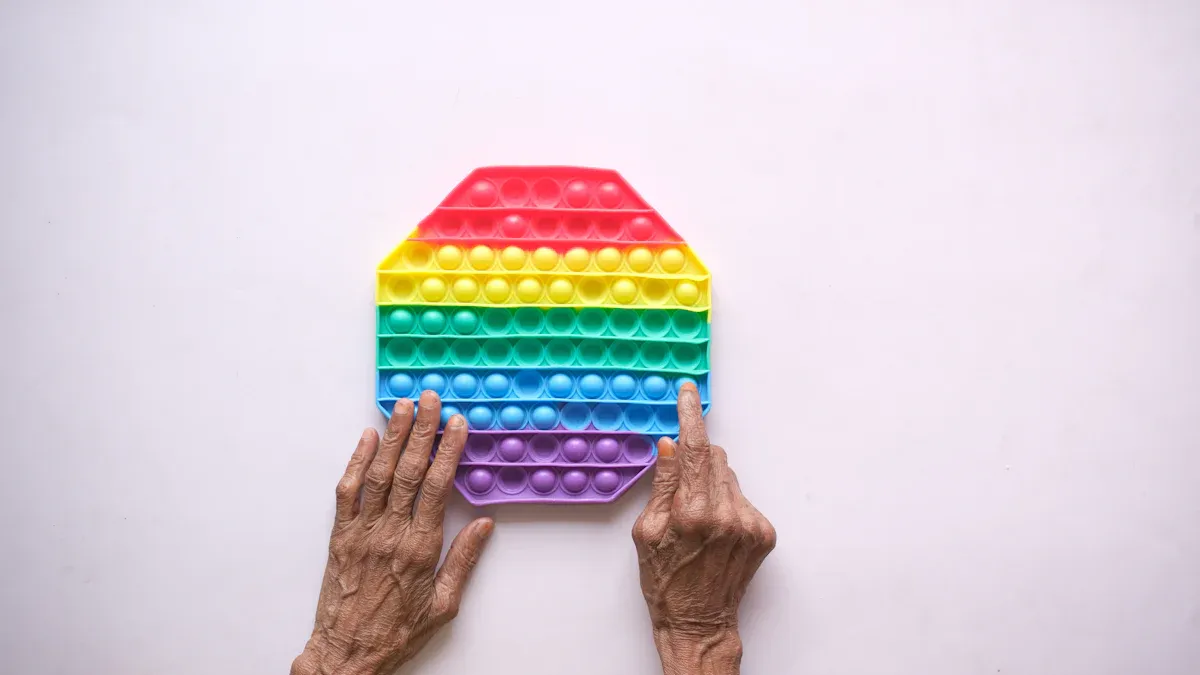
You may see more people using sensory anxiety toys to help with anxiety. These toys make you feel calm and help you focus. More people are buying them, and users say they help with stress.
Toy Type | Satisfaction Rating | Comments |
|---|---|---|
Wacky Tracks | 4-5 out of 5 stars | Strong and helps you relax |
Key Takeaways
Sensory anxiety toys, such as fidget tools and stress balls, help lower anxiety. They do this by using your senses and keeping your hands moving.
Picking the best sensory toy means thinking about safety and how good the material is. You should also think about what you like to make sure the toy feels good and works well.
Using sensory toys every day can help you focus better and handle stress. This makes them helpful at school, at work, or at home.
How Sensory Anxiety Toys Reduce Anxiety

What Are Sensory Anxiety Toys
Sensory anxiety toys are simple tools that help with stress. You can find many kinds, like fidget tools, stress balls, chewable jewelry, and weighted toys. These toys use touch and feel to calm your mind and body. When you squeeze a stress ball or twist a fidget tool, you feel different textures and some resistance. This helps you focus and feel more relaxed.
Here’s a quick look at common sensory anxiety toys and their features:
Type | Description |
|---|---|
Fidget Tools | Made for adults and kids to help focus and lower stress by moving or using them in a pattern. |
Stress Balls | Help lower anxiety, keep attention, and give calming feelings. They come in many shapes and sizes. |
Weighted Toys | Help you relax and are good for people with sensory processing problems. |
Chewable Jewelry | Made for people who need to chew, giving a special feeling. |
Visual/Auditory Stimulators | Help you focus and lower anxiety by using your senses. |
You can pick a fidget tool or stress ball that feels best to you. Some toys are soft and squishy, while others are firm or bumpy. These features make sensory anxiety toys a good way to stop sensory overload and help you pay attention.
The Science Behind Reducing Anxiety
Sensory anxiety toys work by using your senses and helping your brain. When you use fidget tools, your hands stay busy. This helps you control your feelings and handle anxiety. You might notice your heart beats slower and you feel less stressed.
Let’s break down how sensory input affects your nervous system:
Using many senses helps your nervous system stay balanced.
The sympathetic nervous system causes the fight-or-flight response, which makes you feel stressed and have body changes.
Grounding techniques turn on the parasympathetic nervous system, which helps you calm down.
Sensory input goes to brain parts that control feelings, skipping over anxious thoughts.
Using many senses shows your body it is safe, which helps you calm down.
Fidget tools and sensory toys make your brain feel good. This raises dopamine, which helps you focus and feel less stressed. Music and sound toys can lower cortisol, the stress hormone, and slow your heart rate. Touching and playing with fidget toys helps your brain control itself and lowers anxiety in your body.
Here’s a table comparing sensory anxiety toys to other anxiety management tools:
Benefit | Description |
|---|---|
Gentle movement helps quiet fast thoughts and lets your body relax. | |
Improve focus and productivity | Keeping your hands busy helps you pay attention during long tasks. |
Promote relaxation | Soft textures and repeating motions help your body calm down when you feel stressed. |
Support emotional regulation | Helps you notice how stress feels in your body and how to feel better. |
Sensory anxiety toys are cheap and simple to use. You can use them every day without much trouble. They are easier to get than things like virtual reality or special tech tools.
Sensory Input and Calming Effects
Sensory input from anxiety toys helps you stay in the moment, like meditation. When you focus on a fidget tool or the feel of a stress ball, you pay attention to right now. This slows your heart rate and helps you stay calm and focused.
Children with autism often use sensory anxiety toys to help with self-control. Fidget tools and sensory toys give safe and steady feelings to your senses. They help you stay calm and handle too much sensory input. Studies show that using sensory toys means fewer meltdowns, better focus, and stronger coping skills.
Here are some ways sensory input supports emotional regulation and self-regulation:
Fidget tools help kids and adults stay calm and focused, helping with sensory problems and talking.
Sensory toys give a simple, repeating action that uses extra energy and helps you control yourself.
Playing with different textures, like slime or putty, feels good and helps your hands and eyes work together.
Deep touch pressure turns on the calming part of your nervous system, like getting a big hug.
Doing the same sensory activity over and over is relaxing and gives you control, which helps you feel better.
You can use sensory anxiety toys as part of mindfulness. Sensory toys give you something to touch and help you calm down, making it easier to focus and handle feelings. Art and craft kits let you be creative and lower stress. Interactive tech toys mix technology with support, giving new ways to handle anxiety.
If you want to focus better, manage stress, and help with concentration, sensory anxiety toys are a smart choice. They help you control your senses and stop sensory overload. You can use them at school, work, or home to build self-control and get better at coping.
Choosing and Using Sensory Toys for Anxiety Relief
Types of Sensory Toys for Anxiety
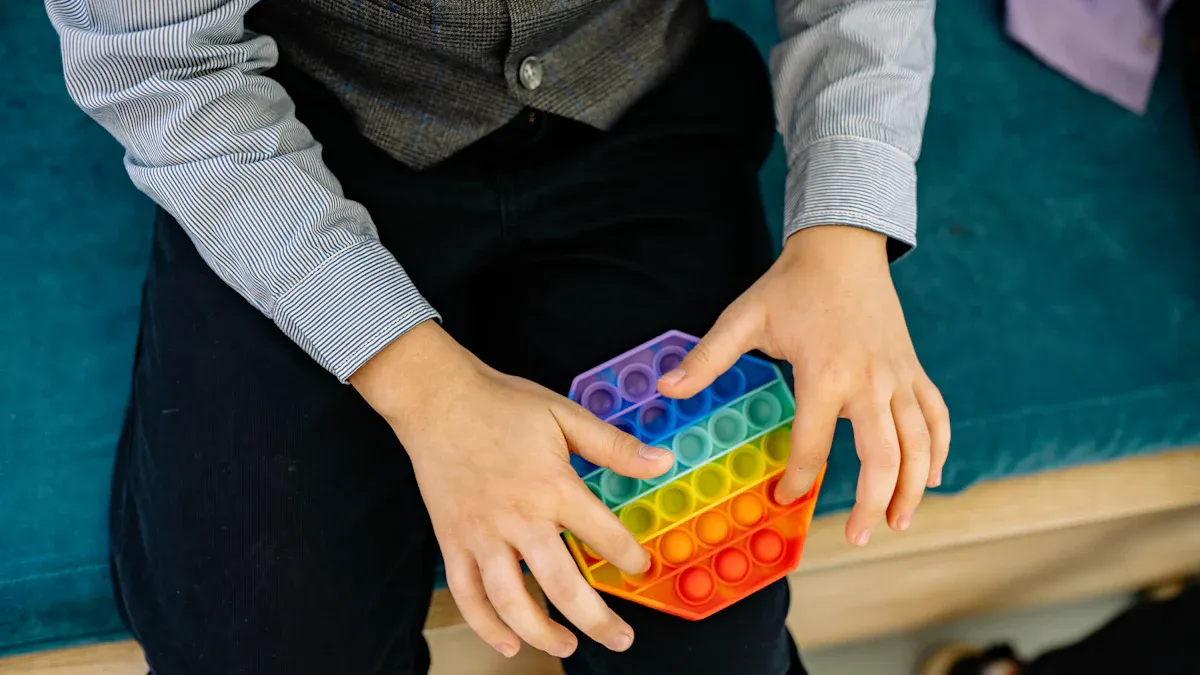
There are many sensory toys you can pick from. Some popular ones are fidget toys, chewable jewelry, stress balls, and noise-canceling headphones. Weighted teddy bears and lap pads give deep pressure. This helps you feel calm and supported. Auditory toys, like music boxes, help you relax. Here is a quick list of some favorites:
Sensory Toy | Description |
|---|---|
Give a steady rhythm and feel to help you focus and stay calm. | |
Chewable jewelry | Give your mouth something to chew and help you control yourself, especially for kids with autism. |
Gives deep pressure to help you feel better and comforted. | |
Noise-canceling headphones | Block out loud sounds so you can handle anxiety and too much noise. |
Jumbo weighted lap pad | Helps your senses stay organized and makes it easier to focus. |
How Each Toy Supports Reducing Anxiety
Each sensory toy helps in its own way. Fidget toys use extra energy and help you stay calm. Chewable toys let you chew safely, which lowers stress and helps you control yourself. Weighted toys, like teddy bears or lap pads, help your body relax and feel safe. Auditory toys and headphones block loud noises so you can focus and feel calm. Every toy helps you deal with stress by giving you the right kind of sensory input.
Tip: Letting kids help pick their sensory toys can make them feel more confident and help them calm down better.
Tips for Selecting Sensory Toys
When you choose sensory toys, think about safety, how long they last, and what you like. Check if the toys are safe, non-toxic, and easy to wash. Pick toys that are right for your age. Look for things like texture, weight, and sound that you enjoy. Here is a table to help you choose:
Criteria | Description |
|---|---|
Safety | No sharp parts or small pieces for little kids. |
Material Quality | Made from safe, washable, and strong materials. |
Age Appropriateness | Good for your age and stage. |
Sensory Preferences |
You should also check if the toys have safety labels and are easy to clean. Stay away from toys with bright lights or loud sounds if those bother you.
Integrating Sensory Toys Into Daily Life
You can use sensory toys at school, work, or home. Keep a fidget toy in your pocket for quick stress relief. Take short breaks with a stress ball or lap pad to help your mind. Try touch activities like kinetic sand or slime to help your feelings. Make a special spot in your classroom or workspace for sensory toys to help you focus. Caregivers and teachers can watch for triggers and talk about sensory needs. Sensory toys help you learn to cope and manage anxiety every day.
You can calm your mind with simple sensory toys. Try different options and see what feels right for you. Small changes make a big difference in managing anxiety.
Soft lighting and comfy seats help you relax.
Mindful breaks and sensory tools, like fidget toys, lower stress and boost comfort.
FAQ
What if I feel embarrassed using sensory toys in public?
You are not alone. Many people use sensory toys. Try small or quiet toys if you want to be more private.
Can adults use sensory anxiety toys too?
Yes! Sensory toys help people of all ages. You can use them at work, home, or anywhere you need to feel calm.
How do I know which sensory toy is right for me?
Tip: Try different textures and types. Notice which one feels best in your hands or helps you relax the most.
See Also
Essential Sensory Toys to Alleviate Anxiety and Stress
Autism-Friendly Sensory Toys Create Tranquil Play Experiences
Practical Methods to Utilize Sensory Toys for Kids' Calm
Sensory Weighted Toys Designed for Children Facing Challenges
