How Fidget Boxes Improve Focus and Ease Anxiety
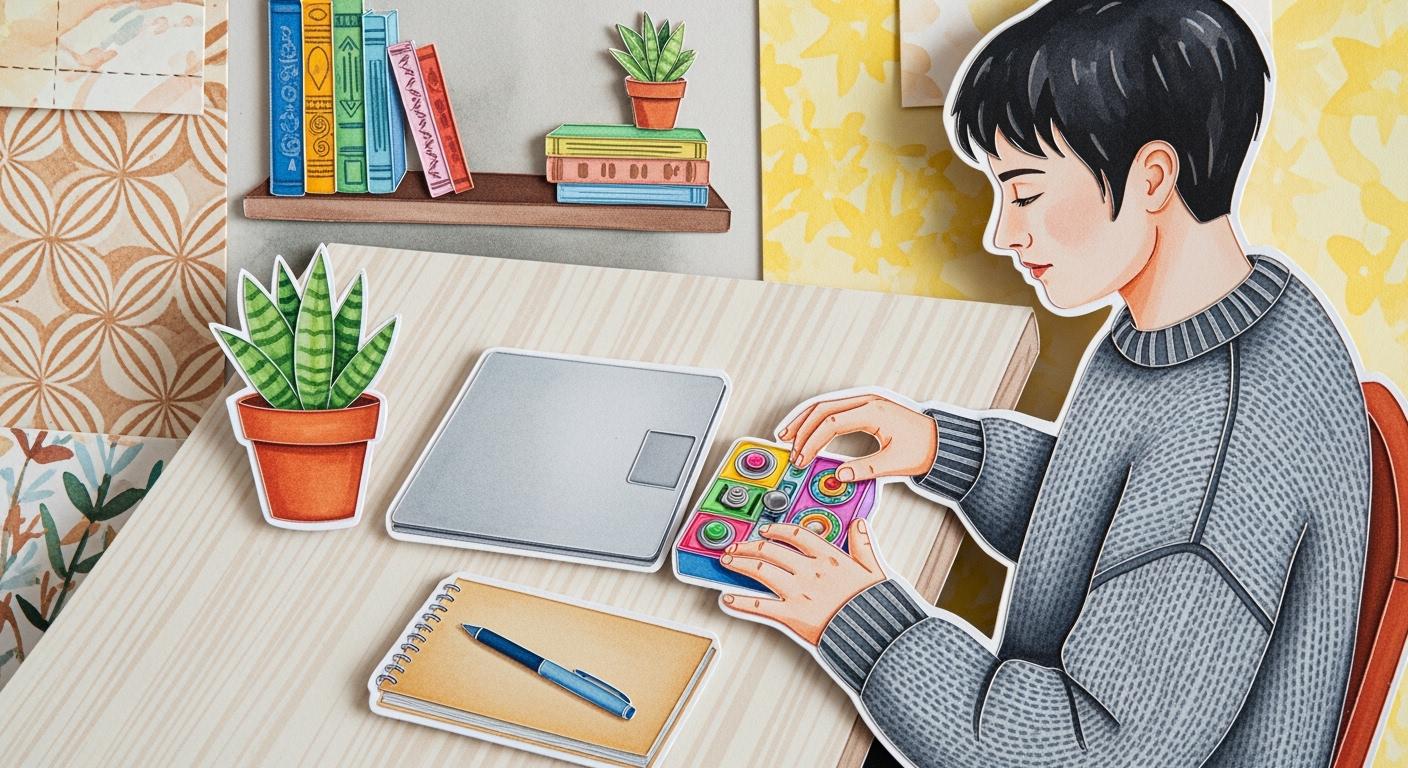
You may see that fidgeting helps people pay attention. Keeping your hands busy can help you focus better. A fidget box has simple things like stress balls or spinners. These tools can help calm your mind. Research shows that holding or spinning these toys can help you feel less anxious. They do this by turning on the brain’s calming parts.
Description | Benefits | |
|---|---|---|
Fidget Toys | Fidget cubes, spinners, stress balls | Helps focus, lowers stress and anxiety |
Weighted Products | Blankets, vests, lap pads | Makes you feel calm and comfortable |
Tactile Items | Sensory brushes, squishy toys | Lowers stress, gives sensory feelings |
Key Takeaways
Fidget boxes help you focus. They keep your hands busy. This can help you pay attention and learn better.
Fidget tools can lower anxiety. They give you a safe way to use nervous energy. This helps you feel calm and in control.
Picking the right fidget box matters. Think about what feels good to you. Add different tools for the best results.
The Science of Fidgeting and Focus
How Fidgeting Impacts the Brain
You may ask why fidgeting helps you focus. Using fidget tools wakes up your brain. Fidgeting turns on the prefrontal cortex. This part helps you make choices and pay attention. Small movements like tapping or squeezing send more blood to your brain. Extra oxygen helps your neurons work better. You feel awake and ready to learn new things. If you have ADHD, fidgeting keeps you interested. Your brain needs more activity, so fidget tools give you what you need. Studies show kids who fidget do better on tasks that need focus. MRI scans show fidgeting sends more blood to parts that help you pay attention and remember things. Fidget tools help your brain stay strong.
Kids who tap or bounce their legs during tests do better at thinking tasks.
Desk cycles and fidget tools help you perform better by sending more blood to your brain.
Fidgeting helps everyone, not just kids with ADHD.
Fidget Tools and Anxiety Relief
Fidget tools help you focus and also calm anxiety. When you feel nervous, your body wants to move. Fidget tools let you release energy in a safe way. You can squeeze a fidget ball or twist a block. These actions help you feel calm and steady. You get control over your feelings. Fidget tools give you ways to manage anxiety and focus better. You can pick from many tools, like stretchy noodles or tangle toys. Weighted vests give deep pressure, which calms your body and helps you control yourself.
Fidget Tool | Benefits |
|---|---|
Fidget Balls | Give a way to touch and squeeze, helping you manage anxiety and focus. |
Twist and Lock Blocks | Let you move and twist them, which lowers anxiety and helps you concentrate. |
Stretchy Noodles | Give you something to stretch, helping you focus without bothering others. |
Tangle Toys | Let you touch and play, which helps you feel calm when anxious. |
Weighted Compression Vests | Give deep pressure, making you feel calm and helping you control yourself. |
You can use fidget tools anywhere you go. They help you feel calm and in charge. You may notice less stress and more focus when you use them.
Benefits of Fidget Boxes and Fidget Toys
Improving Concentration
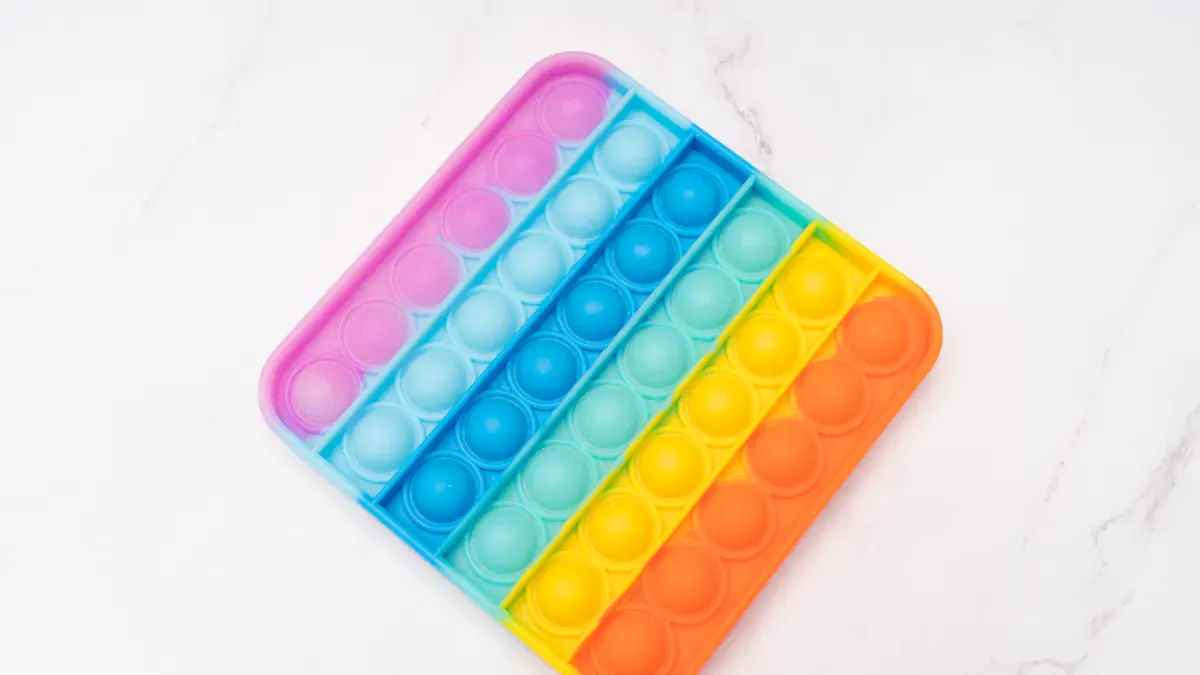
You might notice that it gets hard to pay attention in class or during meetings. Your mind wanders, and you start to feel restless. This is where a fidget box can make a big difference. When you use fidget tools, you give your hands something to do. This helps your brain stay alert and ready to learn. Teachers often see that students who use fidget toys can focus better during lessons. You can use a fidget box to help you self-regulate your emotions and reduce overstimulation. This means you stay calm and pay attention even when things get busy.
They reduce overstimulation in classroom settings.
These tools enhance focus during lessons.
You can also use fidget toys at work or at home. Many people find that fidget tools help them stay focused during meetings or while doing homework. If you are a neurodivergent learner, you may need a fidget tool that matches your sensory needs. Some people do better with squishy toys, while others like spinners or cubes. You should try different fidget toys to see what works best for you.
Therapist David Ibrahim says that fidgeting can boost your energy and focus. He believes that fidget tools are especially helpful for people with autism or ADHD. Fidgeting gives you a calming outlet and helps you pay attention.
You should know that not every fidget toy works for everyone. Some fidget tools can distract you if they take too much of your attention. Studies show that if you use a fidget toy that does not fit your needs, you might find it harder to remember things. You need to pick a fidget box that matches your environment and your sensory system.
Some fidget tools only use one or two senses, but others, like Superspace, use many senses at once. Multi-sensory fidget boxes can help you recognize words and learn faster. If you like to build or move, you might want a fidget box that lets you do more than just squeeze or spin.
You can use fidget boxes in the workplace, too. Many people use stress balls, sensory rings, or fidget cubes to help them concentrate. These tools support self-regulation and help everyone, not just neurodivergent people. When you fidget, you may find it easier to remember things and solve problems.
Reducing Stress and Tension
You may feel stress build up during the day. Your muscles get tight, and your mind races. Fidget boxes and fidget toys can help with anxiety and make you feel calm. When you use a fidget tool, you give your body a way to release tension. Squeezing a stress ball or twisting a sensory ring can help your body relax.
Fidget toys, including fidget boxes, are effective for managing anxiety and stress.
They provide sensory stimulation, improving focus and concentration.
User satisfaction is high because these tools distract you from stress and anxiety.
Weighted fidget tools, like lap pads or vests, give deep pressure. This lowers your cortisol levels, which is the hormone that makes you feel stressed. When your body feels this pressure, your parasympathetic nervous system turns on. You start to feel calm and safe.
If you use a fidget box every day, you may notice long-term benefits. Over time, you can bounce back from stress faster and feel more confident when things get tough.
Time Frame | Long-term Benefits |
|---|---|
1-3 months | Increased emotional resilience, faster recovery from stress, improved self-soothing abilities. Many report feeling more confident in handling challenges. |
You can use fidget tools anywhere—at school, at work, or at home. They help you manage stress and focus on what matters. Many people say that fidget boxes help with anxiety and make daily life easier.
Choosing and Using a Fidget Box
Picking the Right Fidget Box
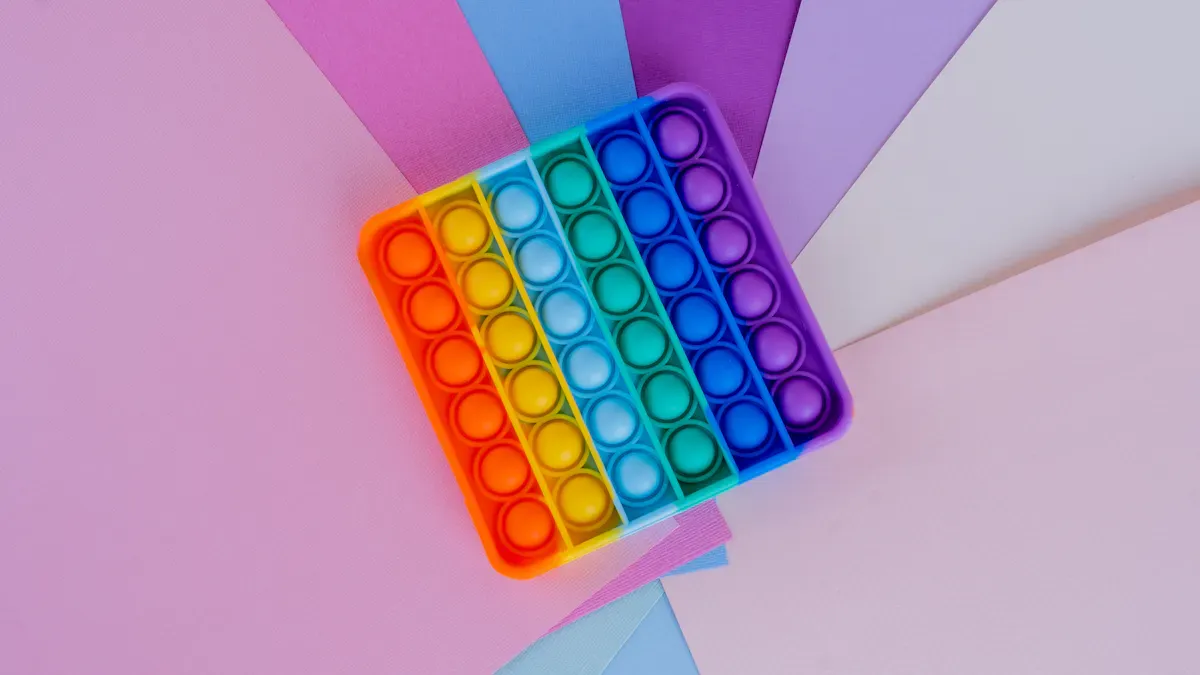
You want your fidget box to fit your needs. Everyone has different ways to stay calm and focused. Some people like soft textures, while others enjoy things that click or spin. Fidgeting is a form of self-regulation, so you should think about what helps you most. Here are some things to look for when you pick a fidget box:
Durability matters. You want your fidget box to last, especially if you use it every day.
Flexibility helps. Choose a box that lets you try different sensory activities.
Accessibility is key. Make sure everyone can use the tools inside.
Storage counts. Pick a box that is easy to carry and store.
You should also match your fidget toys to your sensory preferences. If you like to squeeze, try stress balls. If you enjoy movement, look for spinners or rollers. Some people need weighted items for self-soothing and stress management. For kids, pick toys based on their sensory profile, not just what is popular. A good fidget box has tools for touch, sight, sound, and even smell.
Feature | Description |
|---|---|
Heavy, smooth spinning for a calming feeling. | |
Magnetic Toggle Slider | Satisfying clicks for tactile fun. |
Retro Keyboard Key Caps | Clicky keys with different resistance for focus. |
Resistance Roller | Textured wheel for gentle scrolling. |
Volume Style Dials | Clicks and resistance for tactile engagement. |
Stainless Steel Toggle Switch | Crisp click for grounding and stress management. |
Wood Wrap Around | Grippy texture for comfort and self-soothing. |
Recycled Soft Touch Plastics | Solid, comfy feel in your hand. |
Tips for Effective Use
You can get the most out of your fidget box with a few simple tips. First, include a mix of items for touch, sight, and sound. Try soft toys, rough fabrics, and things that make gentle noises. Add weighted items if you need deep pressure for stress management or to calm anxious minds. Rotate your fidget tools often so you do not get bored.
Tip: Label your box and organize it by theme, like "calm down" or "focus time." This helps you find what you need fast.
Always check for safety. Avoid small parts if young children use the box. Ask an occupational therapist for help if you want a custom box. Remember, self-soothing and stress management work best when you update your box and try new things. Fidget boxes help you relax, focus, and handle stress every day.
Fidget boxes can help you focus and feel less anxious. You might need to try a few options to see what works best.
Some people like stress balls or cubes.
Others prefer drawing or moving more.
Everyone is different, so keep experimenting until you find your favorite.
FAQ
What age is best for using a fidget box?
You can use a fidget box at any age. Kids, teens, and adults all find them helpful for focus and stress.
Can you use a fidget box in class or at work?
Yes! Many teachers and bosses allow fidget boxes. Just pick quiet toys so you do not distract others.
How do you clean your fidget toys?
Most fidget toys clean up with soap and water. Check the label first. Some need a gentle wipe with a damp cloth.
See Also
Discreet Fidget Toys for Professionals in the Workplace
Essential Sensory Tools for Managing Stress and Anxiety
Weighted Blankets That Help Alleviate Anxiety in Autism
