How to Boost Gross Motor Skills in Preschoolers at Home
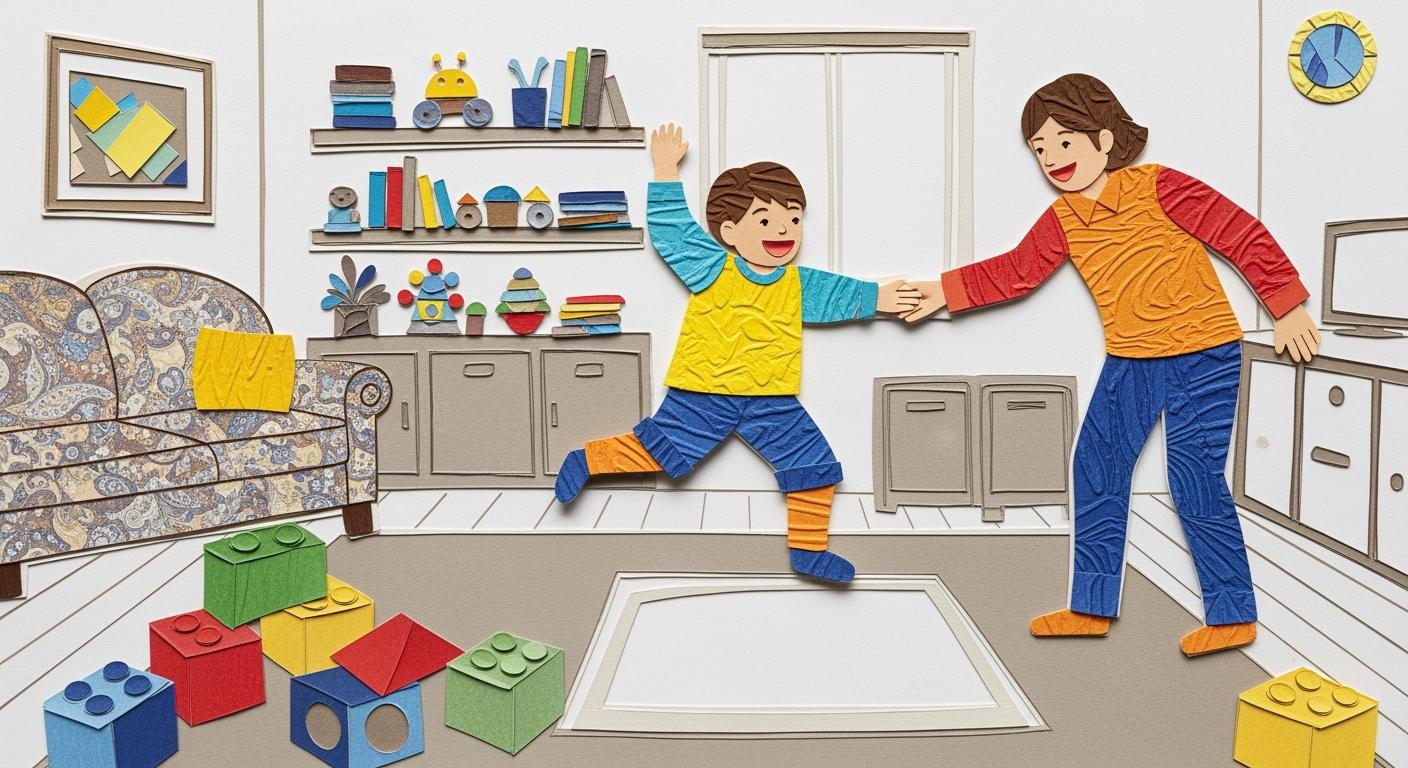
You play a vital role in your child’s growth at home. Research shows that when you join in active play, your child’s motor skills improve faster. You do not need special gross motor skills resources. Your encouragement and energy help your preschooler build strength, balance, and confidence every day.
Key Takeaways
Play actively with your child to help their gross motor skills. When you join in, they get stronger, improve balance, and feel more confident.
Add fun things like animal walks, obstacle courses, and dance games to daily routines. These activities help coordination and make moving fun.
Motivate your child to move during daily tasks. Easy chores like carrying laundry or playing ball games build motor skills and keep them active.
What Are Gross Motor Skills?
Gross motor skills use big muscles in your child’s arms, legs, and body. These skills help your child walk, run, jump, and climb. They are important for everyday movement and play. You can watch these skills grow as your child gets older and does more things alone.
Component | Description |
|---|---|
Large Muscle Movements | Things like walking, running, and jumping help your child’s body grow strong. |
Developmental Milestones | Show your child becoming more independent and able from birth to age 5. |
Factors Influencing Development | Genetics and how much your child moves and plays. |
Play-based activities, both planned and free, help children develop. |
Why Gross Motor Skills Matter
Gross motor skills help your child stay healthy, learn, and make friends. Moving and playing builds strength and balance. These skills let your child join group games, follow directions, and feel good in new places.
Benefit Type | Description |
|---|---|
Physical Health | Helps posture, balance, and agility. Keeps your child at a healthy weight. |
Social Development | Builds teamwork and friendships through play. |
Academic Readiness | Helps your child focus and learn in school. |
Emotional Health | Lowers stress and helps your child feel happy and calm. |
Confidence and Participation | Raises self-esteem and encourages your child to join in. |
Tip: Activities like jumping, running, and climbing help your child get ready for school. They build independence and confidence and improve coordination.
Signs of Gross Motor Development
You can see gross motor development by watching how your child moves. Most children reach these milestones at different times:
Age Range | Milestone Achieved |
|---|---|
Walking without help | |
18–24 months | Running for short times |
24–36 months | Jumping, climbing, and standing on one foot |
24+ months | Climbing on playground equipment |
Children grow at their own speed. If your child likes moving, tries new things, and shows better balance, these are good signs of growing gross motor skills.
Gross Motor Skills Activities and Resources
You can help your child’s gross motor skills at home. Try simple games and activities. These resources use things you already have. You do not need special equipment. Many activities fit into your daily life. They help your child get stronger, balance better, and move with more control.
Animal Walks and Movement Games
Animal walks make moving fun for your child. Your child can pretend to be different animals. This helps build upper body strength and coordination. These skills are important for gross motor skills. When your child acts like a seal, duck, turtle, inchworm, or kangaroo, they use muscles and practice balance. Animal walks also give sensory input. This helps the nervous system and focus.
Description | |
|---|---|
Seal Slide | Lie on stomach, push up on hands, and drag legs across the room. |
Duck Walk | Squat down and walk while keeping arms out or bent like wings. |
Turtle Crawl | In pushup position, move side to side without crossing feet or hands. |
Inchworm Walk | Bend to touch toes, walk hands forward to pushup position, then stand up and repeat. |
Kangaroo Jump | Jump straight up with legs together, getting as low as possible before jumping. |
You can change these games for all children. Toddlers can try easy moves like waddling or slithering. Older kids can play balance games or go through obstacle courses. Kids with autism may do better with big movements and less noise. Celebrate every small win to help your child feel proud.
Tip: Play gross motor bingo or toss bean bags to keep things fun and new.
Obstacle Courses at Home
Obstacle courses are great for gross motor skills. Studies show these courses help kids get better at moving. Occupational therapy suggests obstacle courses to build muscle, coordination, and control.
Make an obstacle course at home with pillows, chairs, tape, or balloons. Ask your child to crawl under tables, jump over cushions, and balance on tape lines. These activities let your child try many movements. They also help your child learn to do steps in order.
Safety Guideline | Description |
|---|---|
Set up on soft surfaces | Always use grass or similar materials. |
Monitor closely | Prevent overcrowding to ensure safety. |
Clear away debris | Avoid scrapes and bumps by keeping the area clean. |
Age separation | Do not mix toddlers with older children. |
Follow weight limits | Important for safety in mixed-age scenarios. |
Limit capacity | Reduces collision risks by controlling numbers. |
Use attendants | Supervision significantly lowers accident rates. |
Secure setup | Ensure inflatables are properly staked or weighted. |
Communicate rules | Educate kids and parents about safety before play. |
Note: Always watch your child and use soft surfaces to stop injuries.
Dance and Freeze Dance
Dance and freeze dance are fun ways to build gross motor skills. Dancing helps your child jump, spin, and stretch. These moves build muscle coordination, balance, and flexibility. Freeze dance teaches your child to control their body and listen. It also helps your child focus and stay calm.
Play music and let your child move around. When the music stops, your child must freeze. This game helps your child pay attention and follow directions.
Try tossing balloons while dancing to make it more exciting.
Hopscotch and Simon Says
Hopscotch and Simon Says are old games that help with gross motor skills. Shape hopscotch mixes movement with learning shapes and numbers. Simon Says helps your child listen and control their actions.
Game | Modification Description | Benefits |
|---|---|---|
Hopscotch | Use masking tape to create a hopscotch pattern on the floor. Add variations like 'crab walk' or hopping backward. | Develops spatial awareness, balance, coordination, and following multi-step directions. |
Simon Says | Adapt commands to be simpler for younger players, focusing on one-step instructions. | Enhances listening skills, attention, and cognitive abilities in following sequences. |
For indoor play, use tape to make patterns on the floor. Try crab walk or hopping backward to make it more fun. Make Simon Says easier for young kids to help them listen and focus.
Painter’s Tape Paths
Painter’s tape paths are easy to use for gross motor skills. Occupational therapists say to use tape on the floor to make paths. Walking on tape lines helps your child plan movements and use their body well. You can make zigzag, straight, or curved paths. Ask your child to walk, jump, or tiptoe along the tape.
Tip: Make a maze or obstacle course with painter’s tape for your child to try.
Outdoor Play and Climbing
Playing outside is very important for gross motor skills. The Early Years Foundation Stage says kids should play outside every day. Outdoor play helps kids run, climb, jump, and ride bikes.
Activity | Benefits |
|---|---|
Sidewalk obstacle courses | Engages core strength, balance, and sequencing skills. |
Water balloon toss or sponge relay | Enhances body awareness and bilateral coordination. |
Nature hikes on uneven terrain | Builds ankle strength and proprioception. |
Swinging and climbing at playground | Strengthens upper-body muscles and stimulates the vestibular system. |
Free play outside helps kids learn to control themselves later in life. Playing in nature builds motor skills and social skills. Tell your child to hop like a frog, waddle like a duck, or climb on playground equipment. Outdoor play keeps kids healthy and lowers the risk of obesity.
Movement Breaks and Stretching
Movement breaks and stretching are good for gross motor skills. Balance and coordination exercises help your child stay steady. Strength and stretching activities build muscles and make your child more flexible. Play-based activities keep your child interested and help them play with others.
Moving the body helps the brain grow. Cross-lateral moves help both sides of the brain talk to each other. Stronger brain connections help with reading and thinking. Activities that need planning help your child’s brain work better.
Plan short movement breaks before quiet time to help your child stay focused.
Building Blocks for Motor Skills
Building blocks and construction toys help with gross motor skills. Building things helps both fine and gross motor skills. Big projects, like making a fort, need lifting, pushing, and balancing. These actions help your child’s body get stronger and move better.
Benefit | Description |
|---|---|
Full-Body Engagement | Engages multiple muscle groups through reaching, bending, and carrying materials. |
Balance and Coordination | Activates the vestibular system, enhancing balance and spatial orientation through movement. |
Strength Development | Builds strength in arms, legs, and core through various physical activities involved in building. |
Kids bend, squat, and carry things, which builds endurance and coordination. Making bridges with blocks helps fine motor control and gross motor strength. Crawling, jumping, or tiptoeing through a maze uses the whole body.
Try building a big fort or maze with blocks to get your child moving.
You can use resources like gross motor bingo, bean bag toss, balloon games, and indoor activities to keep your child interested. These activities help your child learn important skills and have fun at home.
How to Improve Gross Motor Skills Daily
Movement in Daily Routines
You can help your child get better at gross motor skills by adding movement to daily life. Many chores and simple jobs give chances to be active. Carrying laundry baskets or pushing a vacuum helps build strength. Helping set the table also improves coordination. Try these ideas to add movement every day:
Ask your child to carry light groceries or push a laundry basket.
Use a chore chart to track tasks and celebrate when your child does well.
Encourage your child to play on the floor instead of sitting for a long time.
Make safe climbing spots with cushions or low furniture.
Play ball games inside or outside to help with balance and coordination.
Chores do more than keep your house clean. They help your child grow strong and feel good about themselves. Praise your child for trying and use routines to make moving a habit. Short times of activity during the day help your child stay healthy.
Skills Developed | Adaptations | |
|---|---|---|
Tape Stepping Stones | Balance, planning | Call out colors or shapes to step on |
Balloon Keep-Up | Coordination, movement | Use open space away from breakables |
Penguin Waddle Relay | Core, legs | Shorten distance or use a beanbag |
Making Activities Fun and Safe
You can make moving fun by turning it into a game. Try obstacle courses with pillows and chairs. Jumping games like hopscotch are also good. Animal walks that copy animals are fun too. Watch your child and pick activities that fit their age to keep things safe.
Walk up stairs together, kick a big ball, or dance to music.
Let your child hop on one foot or ride a tricycle in a safe place.
Use themes for games, like “freeze like a snowman,” to make it more fun.
Always keep an eye on your child while they play. Make sure the play area is safe and clear. Fun and safety are both important when you help your child build strong motor skills every day.
You can help your child feel strong and sure by doing small activities every day. Kids learn new things at their own pace. It is important to make moving fun for them.
Benefit | Description |
|---|---|
Makes the body stronger and helps kids last longer. | |
Coordination | Helps kids control how their bodies move. |
Emotional Balance | Helps kids handle feelings and stay calm. |
Social Confidence | Helps kids join groups and play with others. |
Academic Success | Helps kids pay attention and learn better. |
Personal Confidence | Makes kids feel good about themselves and act alone. |
New studies show that playing together helps families get closer, builds language skills, and lowers stress. Active play makes families happier and helps everyone feel better.
FAQ
How often should you do gross motor activities with your preschooler?
Try gross motor activities every day. Short sessions work best. You help your child build skills and confidence with regular practice.
What if your child struggles with certain movements?
You can break tasks into smaller steps. Use encouragement and praise.
Tip | Example |
|---|---|
Start slow | Try simple jumps first |
Are there safe ways to use household items for gross motor play?
Use pillows for soft landings.
Painter’s tape creates paths.
Always supervise your child during play.
See Also
Comprehensive Reviews of Top Gross Motor Toys for Kids
Innovative Ideas to Promote Learning Through Sensory Mats
Ten Engaging Sensory Experiences for Preschool Learning
An Extensive Resource on Montessori Toys for Motor Skills
The Role of Sensory Toys in Supporting Autistic Motor Skills

