Sensory Integration Courses and Resources for Teachers, Therapists, and Parents
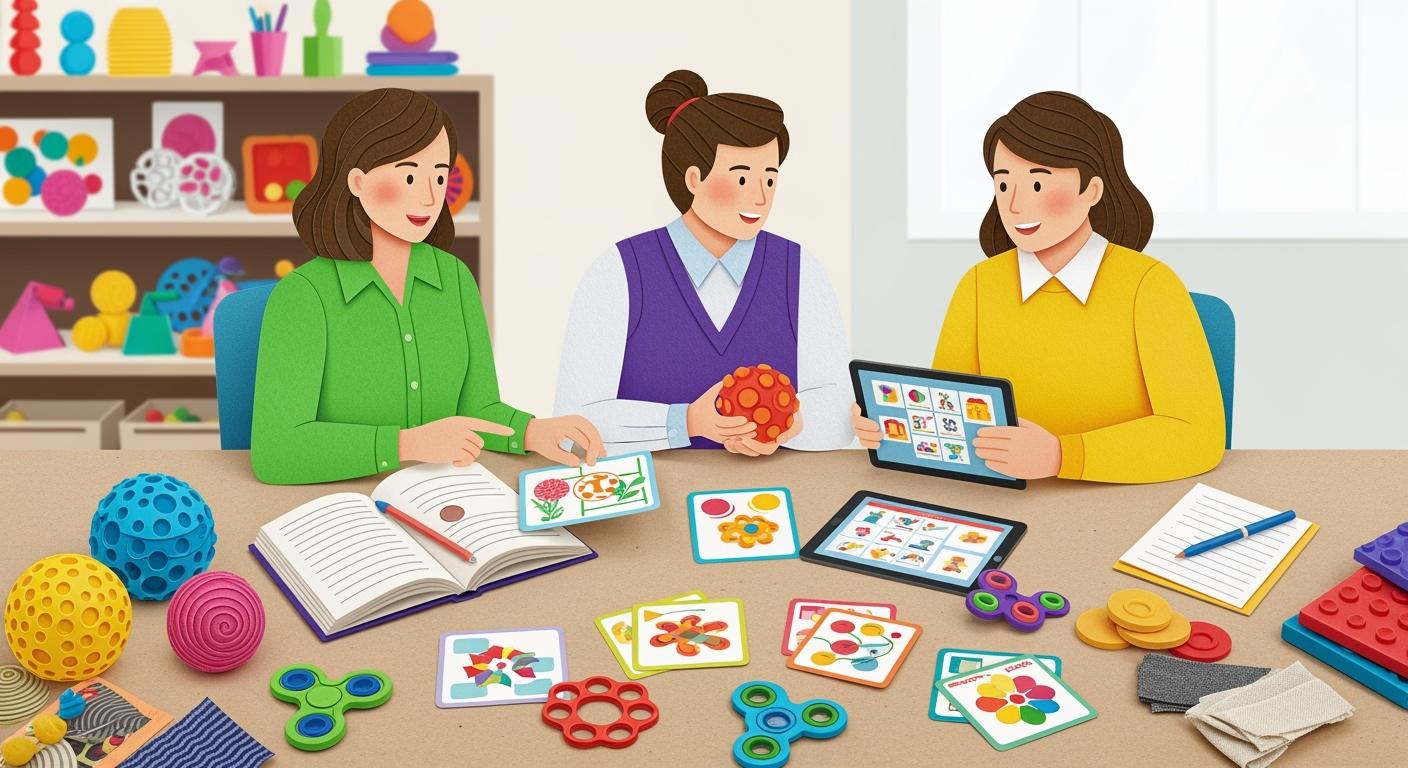
You want to find free sensory integration courses and resources that really help. You should have choices that are simple to use and actually useful. This is true if you teach, give therapy, or help your child at home. Trusted brands like Leemoland give good support. Other brands like SpaceKraft also have many kinds of sensory equipment. If you want to start now, look at the quick-access section below. You will find direct links and toolkits there.
Key Takeaways
Check out free sensory integration courses to learn about sensory processing. You can find practical tips for daily life.
Use resource libraries and toolkits to get videos and advice. These help children with sensory processing differences.
Pick courses that fit your role. Teachers need ideas for the classroom. Therapists want more training. Parents look for simple home solutions.
Add sensory strategies to daily routines by making small changes. Watch how children react to these changes.
Use Leemoland's guides and sensory toys with courses. This helps make good spaces for children.
Quick Access: Free Courses & Resources
Direct Links to Sensory Integration Courses
You can start learning right now. Here are some free sensory integration courses online. These courses teach you about sensory processing. They also give you tips you can use every day.
Course Title | Duration | Cost | Certificate | Target Audience |
|---|---|---|---|---|
1 Hour | Free | Yes | Teachers, Parents, Professionals | |
Free e-learning course on Sensory Processing | 90 Minutes | Free | No | General Public |
You will learn about sensory processing disorder and sensory integration. The courses talk about different sensory issues. They also explain the eight senses, like proprioception and vestibular sense. You will learn about sensory systems and how people process things differently. The courses show you how to use what you learn in real life. If you need help, these courses tell you where to look.
💡 Tip: These courses help you learn the basics. Try them before you use harder resources or activities.
Resource Libraries and Toolkits
You need easy tools and advice for every day. There are free resource libraries and toolkits for teachers, therapists, and parents. These packs have videos, advice sheets, and tips for helping kids with sensory processing differences.
Let's Make Sense Together: This free resource has videos and advice sheets for kids with sensory processing differences.
Occupational Therapy resource packs: Kingston and Richmond NHS made these packs. They give sensory processing tips for parents and teachers.
Mainstream Resource Pack: You get advice and tips for teachers, parents, and carers.
Sensory Processing Resource Pack: This toolkit helps kids with extra needs build motor skills and sensory processing.
You can use these resources to make good spaces for kids. They help kids do well at home and in school. Many teachers and parents use these toolkits for daily routines and class activities.
Sensory Integration Courses by Audience

For Teachers
Teachers work hard to help students do well. Sensory integration courses give tools to help kids with different needs. These courses teach you how to notice sensory problems. You learn easy ways to help in your classroom. You find out how to keep students calm and focused.
Some good choices for teachers are:
Sensory Integration Network: Has online courses and webinars. You get tips for helping with sensory problems at school.
ASI WISE: Shares workshops about Ayres’ Sensory Integration. These are made for teachers and health workers.
Creative Therapies: Runs workshops that show calming and sensory regulation ideas.
Griffin OT: Gives online training for teachers and parents. You learn about Sensory Processing Disorder and how to help.
📝 Tip: These courses help you make your classroom better for every child. You can use what you learn right away. Even small changes can help your daily routine.
Sensory integration courses help kids handle information from around them. This helps with learning, focus, and feelings. You can use planned sensory input to help students react in a balanced way.
For Therapists
Therapists want the best for the kids they help. Sensory integration courses teach advanced skills for Autism, ADHD, and learning problems. These programs show how to use sensory-rich activities and therapy plans.
Program Name | Description | Certification |
|---|---|---|
Ayres® SI | Gives training for therapists through groups like SI Education and CLASI. | N/A |
A SECRET model | Training by Lucy Miller. Now has university certification. | University Certification |
GriffinOT also gives training and mentoring for therapists. You can use these programs to learn more and feel confident.
Sensory integration courses for therapists teach proven methods. ASI intervention is known as a good way to help kids with autism. Therapists need special training for these methods. ASI therapy uses brain science and helps with sensory processing. It is a top choice for kids with Autism and ADHD. Sensory activities like deep pressure and exercise can help kids with ADHD feel less restless.
💡 Note: Pick courses with hands-on practice and new research. This helps you give great care to every child.
For Parents
Parents want their child to feel safe and happy at home. Sensory integration courses for parents give easy ways to help your child. These courses teach you how to spot sensory problems and make small changes.
You learn how to understand and help with your child’s sensory problems.
You get ideas you can use at home right away.
You find ways to make your home better for sensory needs.
Resource | Description |
|---|---|
Online sensory workshop for parents and carers | Gives advice and ideas for handling sensory processing in daily life. |
Many parents find that small changes help their child feel better. Changing things like light, sound, or textures can help. By focusing on your child’s biggest sensory problems, you can make your home support their health.
🌟 Tip: You do not need to change everything now. Try one or two ideas from your course and see how your child feels.
Sensory integration courses help you know why your child acts certain ways. You learn how to help them grow and feel good every day.
Resource Libraries & Toolkits from Leemoland and Others

Downloadable Guides & Activity Sheets
You want tools that really help kids. Downloadable guides and activity sheets make sensory integration simple. Leemoland gives guides that show how to use sensory toys. You can use these at home, in therapy, or at school. The sheets explain steps for sensory play and calming routines. They also help with motor skill growth. You can print them and start using them now.
Other trusted groups, like Spiral Foundation and Sensory Integration Education, share free activity sheets. These guides talk about sensory diets and classroom changes. They also give ideas for home routines. You get tips for helping kids with Autism, ADHD, and learning problems. Many teachers and therapists use these sheets to check progress and plan new things.
📝 Tip: Try one new activity sheet each week. You may see your child’s focus or mood change.
Video Tutorials & Demonstrations
Watching videos makes learning about sensory tools easier. Leemoland’s video tutorials show how to set up sensory activities. You see how to use toys and make calming spaces. Real families and kids use these sensory ideas. The videos help you learn about motor skills and feelings. They also show how to help social-emotional growth.
Here’s how video tutorials and demonstrations help:
Benefit | Source |
|---|---|
Motor Skills | University of Connecticut’s early childhood program |
Cognitive Development | Cleveland Clinic |
Emotional Regulation | Cleveland Clinic |
Social-Emotional Skills | Community Plaything |
Engagement and Focus | Frontiers in Education |
Calming Effect | Cleveland Clinic |
Improved Behavior and Mood | SUNY Cortland |
You can pause and rewind the videos. You can practice along with them. GriffinOT and Sensory Integration Education also have video demonstrations. These resources teach new skills and let you see results right away.
💡 Note: Watching a video helps you try new sensory activities. You get step-by-step help and see how kids react.
Leemoland Sensory Toy Solutions
Leemoland has many sensory toys for different needs. You find fidget toys, musical instruments, and games for motor skills. These toys help kids with Autism, ADHD, and learning problems. You can use them at home, in therapy, or at school.
Leemoland’s toys help kids explore textures, sounds, and movement. You may see better focus, mood, and social skills. Many families and teachers notice kids feel calmer and more interested when they use these toys. You can use Leemoland’s toys with guides and videos for the best results.
Other trusted groups, like Spiral Foundation and GriffinOT, also suggest using sensory toys and toolkits. When you use these resources, you may see:
Fewer behavior problems, sometimes cut in half with the right sensory input.
Kids spend more time on tasks and do better in school.
Clear changes in classroom behavior, like fewer disruptions and more time in sensory areas.
You can check progress by watching changes in mood and actions. Sensory integration courses often say to use toys with daily routines and activities. Leemoland’s solutions help you make happy, supportive spaces for every child.
🌟 Tip: Use sensory toys with activity sheets and video tutorials. You may find what works best for your child or students.
Community Forums & Support Groups
Online Communities for Teachers
You want to talk with other teachers about sensory integration. Online groups let you share ideas and ask questions. You can get help and learn new ways to help students. Teachers talk about classroom tips and support each other. Many join groups like SPOTSS for training and resources.
Service Name | Description |
|---|---|
SPOTSS | The Sensory Processing Occupational Therapy Support Service (SPOTSS) gives training, resources, and support to schools. They help schools use sensory strategies for kids with sensory processing needs. |
Teachers say working with parents and therapists helps students. You can share what works in your class and learn from others. You may find new tools or activities that help your students a lot.
🗣️ Tip: Parents and teachers need to work together. This helps kids with sensory challenges do better. Teachers can make changes to help students with sensory processing.
Forums for Therapists
You want to learn more as a therapist and help more kids. Forums for therapists let you talk with experts and learn new skills. Beth Smithson, an Occupational Therapist, says online forums help therapists learn and get better. You get advice and training from other professionals. These forums help you learn about new research and therapy ideas.
You can ask questions and share your stories. You get feedback from other therapists. Many use these forums to find new ways to help kids with Autism, ADHD, and sensory processing needs. You feel more confident and learn how to use sensory integration in your work.
💡 Note: Professional help can teach kids to handle sensory experiences better. You can use advice from forums to make your therapy plans better.
Support Groups for Parents
You want your child to feel safe and happy. Support groups for parents let you ask questions and share your story. You meet other parents who understand you. Many parents ask things like:
Is sensory integration the same as sensory processing disorder?
Can my child outgrow sensory sensitivities?
How can I make our home more sensory-friendly?
Does diet affect sensory integration?
You get answers from parents and experts. You learn tips to make your home better for your child. Support groups help you feel less alone and give you hope for your child.
🌟 Tip: Sharing your story helps other parents. You may find new ideas that help your family.
Tips for Choosing Sensory Integration Courses & Resources
Selecting the Right Course for Your Role
You want to pick a course that matches your needs. If you teach, look for sensory integration courses with classroom tips and real examples. Therapists often need advanced training with hands-on practice. Parents may prefer short lessons and easy ideas for home. Check if the course offers videos, guides, or a certificate. Read reviews from people like you. A good course should help you feel ready to support children with sensory needs.
📝 Tip: Make a list of your goals. Choose a course that helps you reach them step by step.
Integrating Sensory Strategies Daily
You can use sensory strategies every day. Start with small changes, like adding a quiet corner or using sensory toys during breaks. Watch how children react. Ask teachers, therapists, or family members what they notice. Their feedback helps you see what works best.
Listen to feedback from staff and therapists about changes in behavior.
Notice if children join in more or seem calmer.
Talk with others about what you see and feel.
Remember, it can be hard to measure every change, but your daily notes and stories matter.
Try new activities and see how children respond. Over time, you will learn which strategies help most.
Maximizing Free Resources with Leemoland
You can get more from free sensory integration courses by using Leemoland’s guides and toys. Leemoland offers step-by-step guides for setting up sensory rooms. These guides show you how to make spaces that help children learn and feel safe. The activities in Leemoland’s resources focus on sensory input and support emotional and social growth. When you use these tools with free courses and toolkits, you create a strong support system for every child.
🌟 Tip: Mix Leemoland’s activity sheets and sensory toys with what you learn in your course. This helps you build a fun and helpful routine for kids at home, in therapy, or at school.
You can find many free sensory integration courses and resources. Anyone can use these, no matter who you are. Here is a quick chart to help you:
Audience | Resource Type | What You Get |
|---|---|---|
Parents | Sensory guides | Tips for home and daily routines |
Educators | Classroom strategies | Ways to help students in school |
Therapists | Training courses | Tools for therapy and support |
General Public | Fun sensory activities | Ideas for everyone to try |
Try out these resources and share them with others. You can join groups to talk and learn more. Keep learning new things and see how Leemoland can help you every day!
FAQ
What is sensory integration?
Sensory integration is how your brain sorts information from your senses. It helps you move, learn, and feel okay. If your child has trouble with sounds, touch, or movement, sensory integration courses can help you understand and support them.
Who can benefit from sensory integration courses?
You, your child, teachers, and therapists can all benefit. These courses teach new ways to help kids with Autism, ADHD, or sensory challenges. Everyone gets easy tips for home, school, or therapy.
How do I choose the best sensory integration course?
📝 Tip: Think about what you do. Teachers need ideas for their classroom. Therapists want to learn hands-on skills. Parents look for simple ways to help at home. See if the course has videos, guides, or certificates. Read reviews from people like you.
What sensory toys does Leemoland offer?
Toy Type | Use |
|---|---|
Fidget toys | Help with focus and calm |
Musical instruments | Explore sounds |
Motor skill games | Practice movement and coordination |
Pretend play toys | Build imagination and social skills |
You can find more at Leemoland’s website.
See Also
Essential Insights on Sensory Processing Integration for Autism
Understanding Sensory Interactive Tools for Special Needs Learning
Easy Strategies for Creating Sensory-Friendly Classrooms
The Importance of Sensory Tents for Children’s Processing Needs
Evaluating OT Sensory Integration Therapy Against Other Treatment Methods
