Fine motor skills resources for easy home improvement
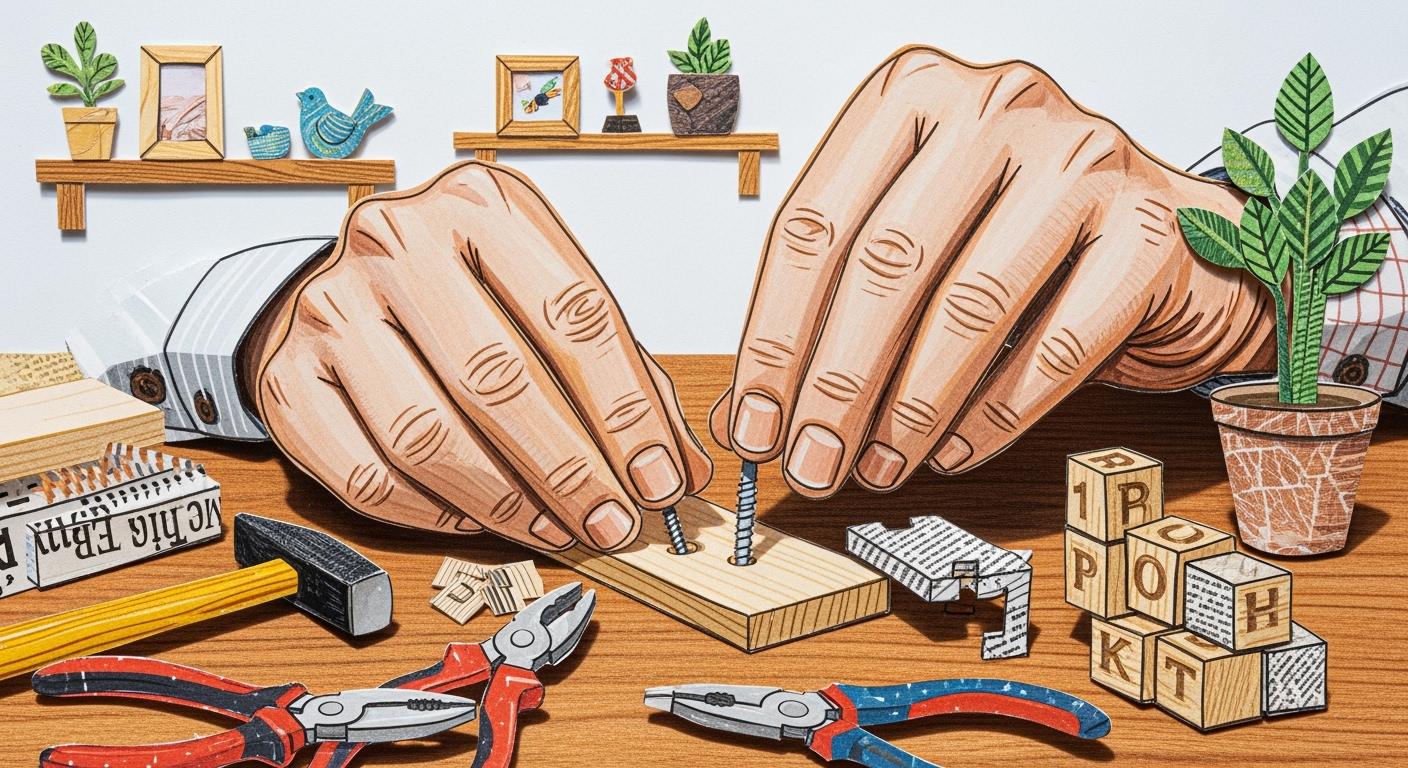
You don’t need fancy tools to improve fine motor skills at home. Everyday objects like ice cube trays or toilet paper rolls turn into great fine motor skills resources. Try sorting snacks in an ice cube tray or building with paper rolls. Small changes bring quick results.
Household Item | Uses for Fine Motor Skills |
|---|---|
Toilet Paper and Paper Towel Rolls | Building sets, pretend play, craft projects, scissor skills, STEM fun, motor skills and patterning. |
Ice Cube Trays | Sorting small snack items or toys using a pincer grasp. |
Picture Frames | Coloring or drawing on the glass to create art pieces. |
Key Takeaways
Try using things like ice cube trays and toilet paper rolls. These can help make fun activities that build fine motor skills.
Play easy games and do exercises like finger games and hand exercises. These help make your hands stronger and improve control.
Add drawing, coloring, and tracing to your daily routine. This helps you get a better grip and improves hand-eye coordination.
Quick fine motor activities at home
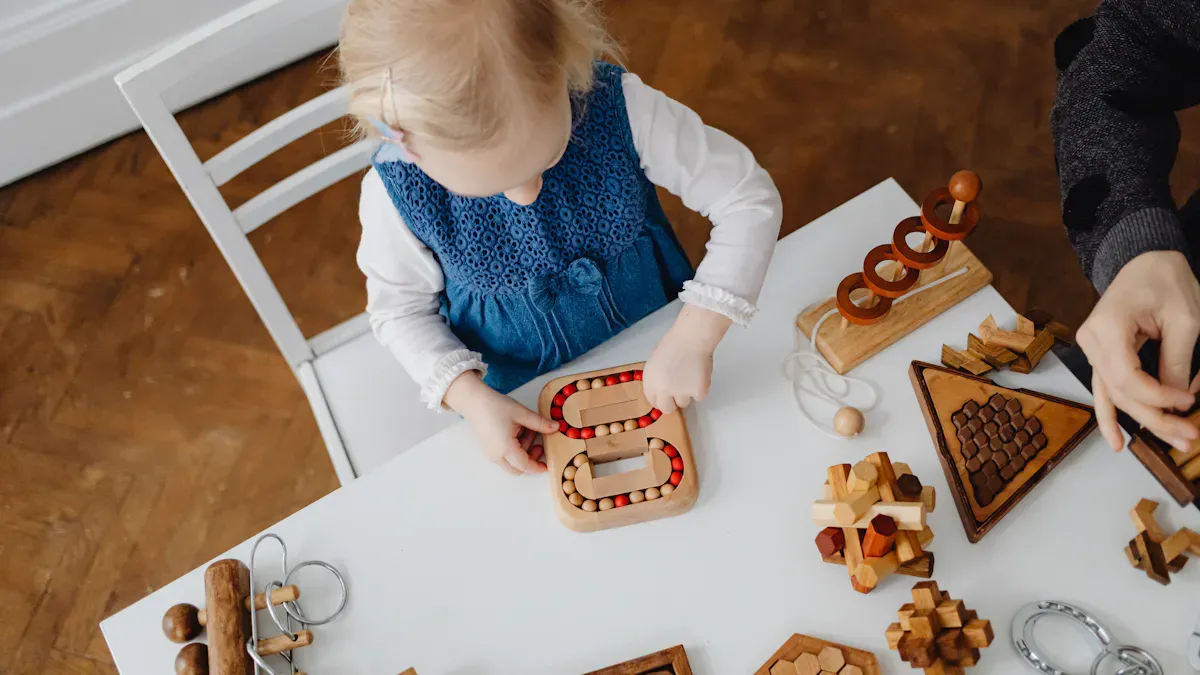
You can work on fine motor skills in your living room. You do not need special tools or pricey toys. Many activities use things you already own. These fun ideas help kids and adults get stronger hands. They also improve coordination and control. Here are some easy ways to begin.
Finger games and hand exercises
Finger games and hand exercises help warm up your hands. You can play games like Connect 4™, UNO™, Kerplunk™, Jenga™, and Operation™. Each game makes your fingers move in a new way. Dropping discs in Connect 4™ helps with hand-eye coordination. Sorting cards in UNO™ builds finger control. Pulling sticks in Kerplunk™ and stacking blocks in Jenga™ need steady hands. Operation™ helps you practice being careful as you use tweezers.
You can also squeeze stress balls, pinch playdough, or roll therapy putty. These activities make your hands strong and flexible. Kids and adults both get better with these exercises. Squeezing, pinching, and rolling keep your hands in good shape. They also help your fine motor skills stay strong as you get older.
Tip: Try picking up small things with tongs, clothespins, or metal spoons. These tools make simple jobs harder and more fun.
Drawing, coloring, and tracing
Drawing, coloring, and tracing are classic fine motor skills activities. Grab crayons, markers, or pencils and start making art. These activities help you practice the tripod grip for writing. Tracing shapes or lines builds hand-eye control.
Activity | What It Improves |
|---|---|
Grip strength, coordination, creativity | |
Tracing Lines and Shapes | Hand-eye control, readiness for writing |
Copying Patterns | Focus, patience, muscle memory |
Teachers and therapists use drawing and coloring to help kids get ready for school. Preschoolers who do these activities get better at writing and fine motor skills. Kids ages three to five learn the most, but older kids and adults can join too. Art activities also help you learn patience and focus. You can trace lines, copy shapes, or make your own patterns. These fun hand workouts make learning easy.
Cutting, lacing, and beading
Cutting, lacing, and beading are hands-on ways to build fine motor skills fast. Start with wide strips of colored paper for cutting practice. Use safety scissors and let your child cut along the lines. Lacing cards are easy to make with cardboard and a hole punch. Threading yarn or shoelaces through the holes helps both hands work together.
Bead threading is another fun activity. Use big beads or cereal pieces on pipe cleaners or string. This helps with hand-eye coordination and finger control. You can also make a pasta necklace or thread pipe cleaners through a colander. For something different, sew a button on a ribbon to make a “button snake.” These activities help kids with developmental delays too. Cutting playdough, threading beads, and lacing cards help you focus and feel calm.
Nature Threading Tray: Gather leaves and twigs outside and thread them on string for a sensory activity.
Pinch Stations: Use tweezers or clothespins to move small things from one bowl to another.
Functional Games: Try button boards or pegboards for extra practice.
Note: Everyday jobs like buttoning shirts, using utensils, or pouring dry rice into cups are also fine motor skills activities. These simple tasks help you practice without extra work.
You do not need fancy fine motor skills resources to begin. Dry rice, pasta, sponges, foil balls, and water play are quick ways to help your hands. Playdough is great for molding, squishing, and rolling. These activities fit into your day and help a lot over time.
Everyday fine motor skills resources

Household tools and toys for practice
You can use things at home to help your hands. Clothespins, tweezers, tongs, beads, and blocks are good tools. These items help you get better at moving your fingers. Building with blocks or stringing beads uses both hands. You focus on small moves. LEGO sets, magnetic rods, and pegboards are fun toys. They make your fingers work hard and learning is exciting.
Try picking up tiny objects with tweezers or tongs. This makes your pinch stronger and gives you more control. Play clothespin games or string pasta for quick practice. Small pop beads and Perler beads help you move one finger at a time. Stress balls and therapy putty make your hands stronger. If you want to help fine motor skills, use small crayons or broken chalk. These help you hold things the right way for writing.
Tip: Add ball games to your day. Catching and watching balls helps your hands and eyes work together. It also builds confidence.
Use scissors for crafts. Cutting paper or fabric uses both hands. Try gardening by planting seeds or pulling weeds. These jobs make your fingers strong and help you move better. Kids can help with buttoning shirts or tying shoes. These everyday jobs help you practice fine motor skills without extra work.
LEGO sets
Magnetic building rods
Perler beads or pegboards
Kinetic sand sets
Learning Resources Helping Hands Fine Motor Tool Set
Hand2Mind Grab That Monster Fine Motor Activity Set
Beads and string
Playdough
Small pop beads
Playdough, therapy putty, and tactile materials
Playing with playdough means squeezing, rolling, and pinching. These moves make your hands strong and help you use your fingers alone. Therapy putty and clay are good for these activities too. These materials help you use both hands together and practice the pincer grasp. You need these skills for writing, eating, and playing music.
Skill Developed | Description |
|---|---|
Needed for holding pencils, using scissors, and eating with utensils | |
Finger isolation | Moving one finger at a time, important for typing and music |
Bilateral coordination | Using both hands together, like buttoning and cutting |
Pincer grasp | Thumb and index finger grip for small things and writing tools |
Hand-eye coordination | Matching what you see with your hand moves |
Tripod grasp development | The pencil hold used for writing |
You can mold, squish, and roll playdough to make your hands stronger. Pinch clay or knead dough for more practice. These activities help fine motor skills and feel like play. Use kinetic sand or sponges for sensory fun. These tools help you focus, feel confident, and learn to do things by yourself.
Note: Try jobs that need both hands, like cutting with scissors or threading beads. These activities help you get better at working together and sticking with tasks.
Baking and kitchen activities
Cooking helps you practice fine motor skills every day. Stir batter, pour ingredients, and use safe knives. These kitchen jobs use your wrists and hands. You learn control and hand-eye coordination while making food.
Kitchen Activity | Description |
|---|---|
Uses wrist and hand moves | |
Pouring ingredients | Builds control and coordination |
Using child-safe knives | Helps you cut soft foods safely |
You can bake as part of your daily routine. Toddlers can wash fruit, tear lettuce, or stir soft foods. Preschoolers can measure dry ingredients, sprinkle toppings, and use cookie cutters. These jobs make hand muscles stronger and teach basic ideas.
Mixing food coloring for frosting or dough teaches about colors.
Decorating cookies or cupcakes lets you be creative and practice fine motor skills.
Trying new textures helps you learn new words and use your senses.
Stirring, pouring, kneading, and decorating help your hands and eyes work together.
Kids can help cook by adding ingredients or pressing buttons on appliances. These simple jobs build confidence and independence. You can use tongs or tweezers to pick up small foods. Try gardening by picking herbs or planting seeds for more practice.
Callout: Everyday fine motor skills resources work as well as special tools. Silas, a student with cerebral palsy, used a hand tool to paint, write, and play. His mom saw him become more confident and independent. These tools help you practice being careful and strong.
You can help fine motor skills with easy activities. Use therapy putty, clay, or playdough for squeezing and rolling. Play clothespin games and string pasta. Give small crayons or broken chalk for tripod grasp practice. Use tweezers or tongs in games to pick up small things. Try jobs that need both hands, like cutting with scissors or crafts. Let kids help with cooking by stirring, pouring, and kneading.
You can build strength and control, improve focus, and learn to do things by yourself. These fine motor skills resources help you feel confident in school and life.
How to develop fine motor skills consistently
You need to practice often to make your hands strong. But you can make it fun and simple. Use these guides, free tools, and tips to help everyone stay excited.
Step-by-step guides for key activities
Occupational therapists say play-based learning is important. They also suggest picking tasks that fit your age and skill. Sensory play is helpful too. Here is a quick chart:
Strategy | Description | Purpose |
|---|---|---|
Play-Based Learning | Use games, playdough, and puzzles. | Makes learning fun and keeps you interested. |
Nervous System Support | Gentle movement and stretching. | Helps your brain and body work together. |
Age-Appropriate Tasks | Pick activities that match your age and skill level. | Builds confidence and avoids frustration. |
Sensory Integration | Try different textures and materials. | Boosts brain connections and focus. |
You can practice buttoning and zipping with real clothes or dolls. Start with big buttons and zippers first. Move to smaller ones when you get better. Do these steps every day to see change.
Free printables and online resources
There are many free printables and websites to help you. Here are some good choices:
Resource Type | Description |
|---|---|
Coloring pages | Practice control and creativity. |
Cutting sheets | Improve scissor skills step by step. |
Tracing worksheets | Get ready for writing and drawing. |
Playdough templates | Build hand strength through play. |
Themed activities | Try seasonal or holiday projects. |
Tips for motivation and fun
Change up your activities to keep things fun. Play games like animal tape rescue or color match with sticks. Build with sticks and playdough too. Make practice part of your daily routine. Buttoning shirts, zipping jackets, and tying shoes all help. Kids like practice when it feels like a game or has a goal. Let them pick what to do next. Practice a few minutes each day. This helps fine motor skills grow and builds confidence.
There are many simple ways to help fine motor skills at home. You can use playdough, do kitchen jobs, or read interactive books. Choose one thing and see how fun it is. Doing these things often and having fun are most important.
Evidence Type | Description |
|---|---|
Fun Activities | Fun tasks help you get better at handwriting and control. |
Consistency | Practicing often makes your skills strong and builds confidence. |
FAQ
How often should you practice fine motor activities?
You can practice every day for a few minutes. Short, regular sessions help your hands get stronger and more skilled.
What if you do not have special tools?
No problem! You can use kitchen tongs, clothespins, or even pasta. Everyday items work well for building fine motor skills.
Can adults improve fine motor skills too?
Yes! You can try puzzles, crafts, or cooking. These activities help your hands stay strong and flexible at any age.
See Also
Essential Montessori Toys to Enhance Kids' Motor Skills
Comprehensive Reviews of Popular Gross Motor Toys for Kids
Ten Engaging Sensory Input Ideas for Home Use
Best Heavy Work Activities for Kids: Sensory Strategies for 2025

