Fidget squishy toys never as harmless as they seem
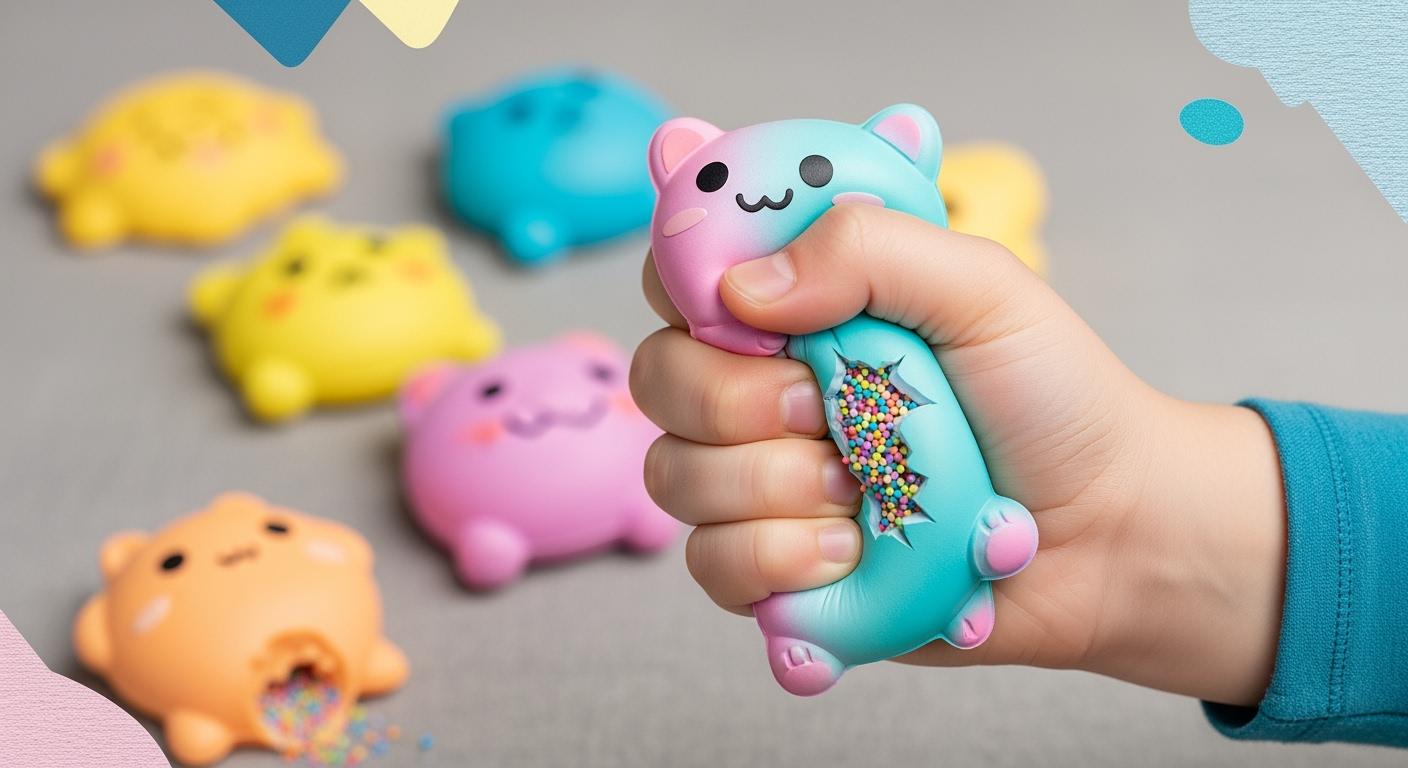
You want your kids to have fun with fidget squishy toys. But it is normal to worry about squishy toy safety. Reports say squishy toys can break and hurt kids. These injuries can be painful. Look at the events in the table below:
Incident Description | Age of Child | Outcome |
|---|---|---|
Gel from broken toy got into eyes | 6 years old | Fast pain and swelling |
Nee-Doh Nice Cube broke open, causing chemical burn | 8 years old | Chemical burn on calf and ankle |
Nee-Doh Nice Cube exploded, leading to emergency room visit | 10 years old | Skin turned bright red and peeled |
Nee-Doh Groovy Fruit toy burst open, causing chemical burns | 10 years old | Pain and could not use hands |
You can keep your kids safe by being careful. Make smart choices when picking toys.
Key Takeaways
Always look for safety labels on squishy toys. Check for non-toxic certifications to keep your child safe. Watch your child when they play with squishy toys. Make clear rules for safe and careful play. Check squishy toys often for any damage. Throw away toys that are worn, leaking, or broken to stop injuries. Pick squishy toys that fit your child's age. Do not give toys with small parts to kids under three. This helps stop choking. Know that allergic reactions can happen. Look for skin problems or rashes after playing. Stop using the toy if you see any issues.
What Are Fidget Squishy Toys?
Types and Features
You see squishy toys everywhere. These toys come in many shapes and sizes. Some look like animals, fruits, or even cartoon characters. Most squishy toys have a soft, squeezable body. The inside often contains gel or foam. The outside uses stretchy rubber or fabric. You can find squishy fidget toys that bounce back slowly or quickly after you squeeze them. Some toys even have special textures or bright colors. Many companies now add custom logos or designs. You may also notice new tech features in some toys, like lights or sounds. These toys appeal to both kids and adults. The tactile feedback helps people who feel anxious or need to fidget.
Common types of squishy toys include:
Stress balls
Sensory rings
Spinners
Cubes
Why Kids Love Them
Children love squishy toys for many reasons. The soft feel and fun shapes make these toys exciting to touch and squeeze. When you play with a squishy, you get comfort from the way it feels in your hand. The repetitive squeezing action can help you relax and focus. Many children use squishy toys to calm down during stressful moments. These toys also help you explore different textures and learn about softness and elasticity. Some kids use squishy toys to express emotions or to improve fine motor skills. Parents notice that these toys can reduce restlessness and help children stay calm.
Tip: Squishy toys can support sensory development and teach children about touch and pressure.
Safety Concerns
You must think about safety when choosing squishy toys. Some toys have small parts that can break off. These parts can cause choking, especially for young children. Choking is a leading cause of toy-related injuries. Children under three years old face the highest risk. Always check if the toy is non-toxic and safe for your child’s age. Poorly made squishy toys may break open and expose harmful materials. Parents should watch for strong odors or weak seams. These signs may mean the toy is unsafe.
Hidden Dangers of Squishy Toys
Chemical Risks and Non-Toxic Materials
Squishy toys look soft and fun, but they are not always safe. Some toys have chemicals inside that can hurt kids. When you squeeze or play with them, the outside can break. If this happens, the gel or liquid can leak out. Consumer Reports found some toys, like the Nee-Doh 'Groovy Glob,' had a pH of 2. This means the gel is very acidic and can burn skin. Kids with sensitive skin can get hurt more easily. Always check for non-toxic labels before buying squishy toys. Look for safety certifications on the box or tag. Silicone is a safer material for these toys. Picking toys with non-toxic labels helps keep kids safe from chemicals.
Choking Hazards for Young Children
Choking is a big risk for little kids with squishy toys. Some toys have small parts that can break off. If a child puts these in their mouth, they could choke. Babies and toddlers are at the most risk. They like to put things in their mouths to explore. Always pick toys that match your child’s age. Check for warning labels on the toy. Never let kids under three play with squishy toys with small parts. Watch your child when they play to keep them safe.
Skin and Allergic Reactions
Squishy toys can cause skin problems and allergies. Some kids get hives, rashes, or burns from the inside of broken toys.
"I was playing with a Needoh and it popped. The stuff inside got all over my legs and then ten minutes later they started getting hives and rashes all over," Jones said. "I was probably allergic to something inside."
Watch for redness, itching, or swelling after your child plays. If you see these signs, stop using the toy right away. Some chemicals inside can cause allergies, especially for kids with sensitive skin. Always pick toys with non-toxic labels and check for safety standards.
Durability and Breakage
Squishy toys need to be strong, but many break easily. If you squeeze them a lot or play rough, they can burst. When this happens, the gel or liquid leaks out. This can cause many problems:
Acidic or alkaline gel can burn skin.
Kids are more at risk because their skin is thin.
Sticky gel is hard to clean off skin.
Leaking gel can ruin clothes, carpets, or furniture.
Check squishy toys often for holes or weak spots. If you see damage, throw the toy away. Do not try to fix broken squishy toys at home. Safety experts say broken toys can be dangerous. Always buy toys from trusted brands with safety certifications.
Identifying Unsafe Squishy Toys

Warning Signs
You can find unsafe squishy toys by looking for warning signs. Some toys break open and show harmful chemicals inside. Others can make your skin red or even burn it. A few toys explode if you heat them, which can cause burns. Use this table to spot the most common warning signs:
Warning Sign | Description |
|---|---|
Breakage | Toys break open and show dangerous stuff inside. |
Skin Irritation | Sticky gel can make skin red, sore, or peel. |
Chemical Burns | Very acidic gel can burn soft skin. |
High Temperatures from Heating | Toys can explode in the microwave and cause burns. |
If you see any of these problems, take the toy away fast. Always check for bad smells, poor labels, or damage before kids play.
Age Appropriateness
Always pick squishy toys that fit your child’s age. Babies and toddlers are at the most risk from small parts and chemicals. Toys with tiny pieces or weak seams are not safe for little kids. Look for clear age rules on the box. Never give squishy toys to babies. Pick toys that meet world safety rules for your child’s age.
Trusted vs. Counterfeit Brands
Fake squishy toys are easy to find, especially online. These toys may look real but do not follow safety rules. They might not have the right safety marks or use safe stuff. Good brands tell you what is in the toy and how safe it is. You should look for marks like CPSIA or ASTM F963. Stay away from toys with unclear safety, strong smells, or super low prices. Trusted brands help keep your kids safe from hidden dangers.
Evidence Type | Description |
|---|---|
Material Quality | Pick toys with clear info about what they are made of. |
Safety Certifications | Make sure toys follow CPSIA and ASTM F963 for kids under 12. |
Red Flags | Do not buy toys with strong smells, low prices, or unclear safety. |
Non-Toxic and Safe Materials
You can find safe squishy toys by checking for non-toxic stuff. Solid TPR and SEBS-modified TPR are the safest choices. These materials bounce well, do not make a mess, and last longer. When you read labels, look for even color, almost no smell, and soft feel. Do not buy toys with streaks, sharp smells, or sticky outsides. Good brands show test reports and safety marks to prove they are safe.
Safe materials for squishy toys include:
Solid TPR
SEBS-modified TPR
Tip: Always check for safety marks and rules on the box. This helps you stay away from unsafe squishy toys and keeps your kids safe.
Safety Tips for Parents
Supervision and Usage
Parents help keep kids safe with fidget squishy toys. Always watch your child when they play, especially if they are young. Make simple rules for using squishy toys. For example, you can say, “We use our fidgets quietly in our laps.” You can also make routines, like, “Keep the fidget in your hands while we read.” Teach kids to take turns by saying, “Squeeze, then pass.” The table below shows what experts suggest for safe play:
Recommended Practices | Description |
|---|---|
Establish Ground Rules | Set rules such as 'We play with our fidgets quietly.' |
Example Play Routine | 'The fidget stays in your hands while we read.' |
Encourage Turn Taking | Use phrases like 'Squeeze, then pass.' |
Watch how your child uses the toy. Make sure squishy toys do not stop learning or other tasks. Pick fidgets that fit your child’s needs and where they play. Choose toys made from safe materials and check for safety marks from good brands.
Tip: Always look for safety labels and world safety rules before buying new toys.
Regular Inspection
Check squishy toys often to keep kids safe. Look for holes, tears, or leaking gel. Watch for red skin, rashes, or peeling after play. If a toy breaks, take it away right away. Never put squishy toys in the microwave or freezer. Heating can make them explode and let out bad chemicals. One family had burns after a toy exploded in the microwave. Always pick toys with real safety marks. If you see any problems, get a safer toy made from approved materials.
Signs of damage to look for:
Breakage or leaking gel
Unusual smells or sticky surfaces
What to Do in Case of Problems
If your child has a problem with a squishy toy, act fast. Take the toy away and wash the skin with water. If you see burns, swelling, or bad rashes, get medical help right away. You can use the Tantrum Tamer app to help your child calm down. Ask an occupational therapist if your child keeps having sensory problems or if you need help picking safe toys. If you think a toy is not safe, tell the store or company. This is what parents should do if a squishy toy is not safe. Always buy toys from trusted brands with clear safety marks. Stay up to date on safety rules to keep your kids safe from bad chemicals.
Note: Checking toys often and watching play helps stop accidents and keeps kids safe.
Now you know squishy toys can be risky. They might look safe, but you need to check for safety. Always pick squishy toys with real safety marks and certifications. Check your squishy toys often for any damage. Throw away broken or leaking squishy toys right away. Parents keep kids safe by choosing toys for the right age. Stay alert and watch how kids play with these toys. Make good choices so playtime stays safe and fun.
Keep watching out—your care helps everyone enjoy squishy toys safely.
FAQ
What should you do if a squishy toy leaks?
If a squishy toy leaks, take it away from your child right away. Wash your child’s hands with soap and water. Throw the toy in the trash. Do not try to fix it.
How can you tell if a squishy toy is non-toxic?
Look for safety labels like “non-toxic,” “CPSIA certified,” or “ASTM F963.” Trusted brands show these marks on packaging. If you do not see them, choose a different toy.
Are squishy toys safe for babies?
No, squishy toys are not safe for babies. Babies can choke on small parts or get hurt by leaking gel. Only give squishy toys to older children who understand safe play.
Can you clean squishy toys in the dishwasher or microwave?
Never put squishy toys in the dishwasher or microwave. High heat can make them break or explode. Clean the outside with a damp cloth and mild soap.
See Also
Discreet Fidget Toys for Professionals in Shared Spaces
Comparing Tactile Sensory Toys for Daily Enjoyment
Essential Sensory Toys for Managing Anxiety and Stress

