How to Use Fiber Optic Curtains for Sensory Room Activities
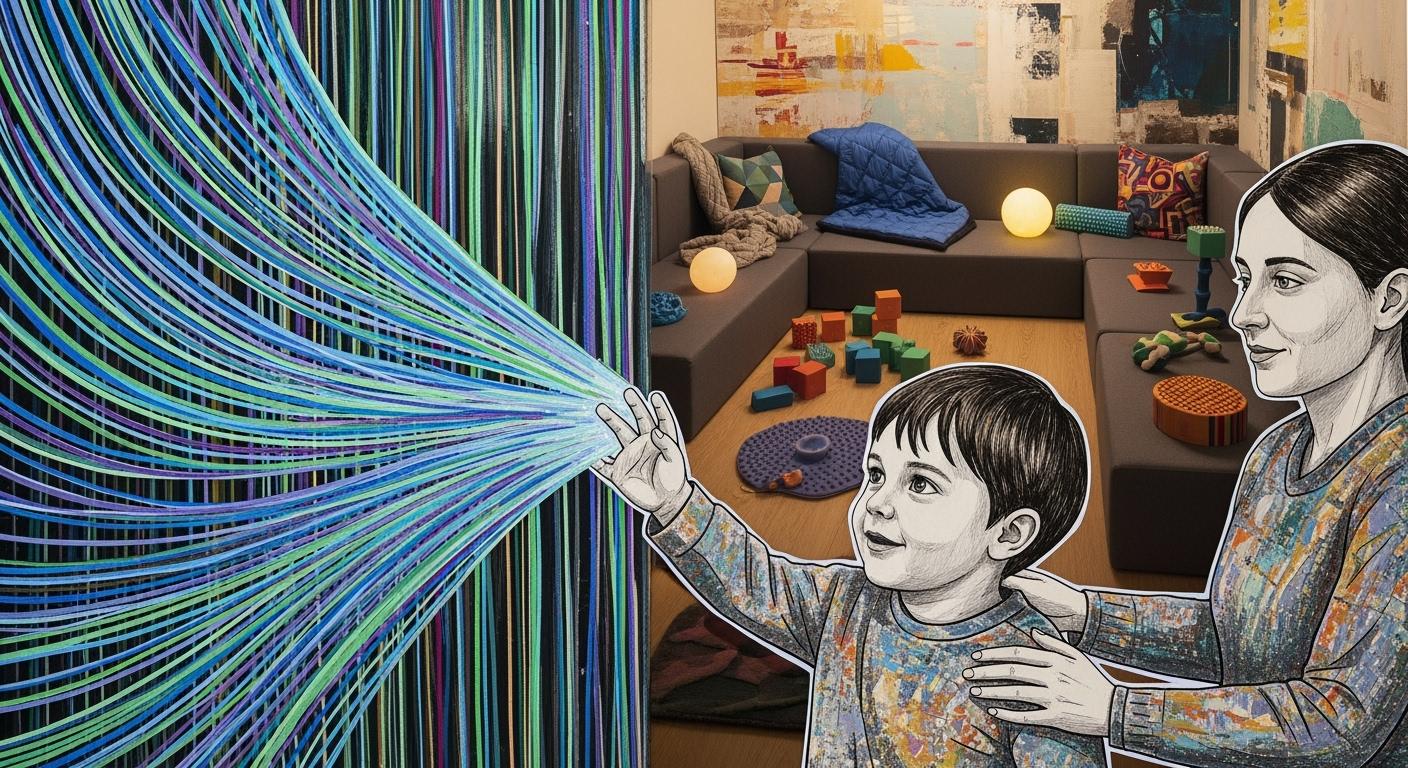
Imagine walking into a room where lights slowly change colors and soft strands are there to touch. You can use a fiber optic curtain in sensory rooms to make kids curious and give them a safe place. Kids with autism or ADHD often feel calm and interested when they see these glowing strands. Studies show that fiber optic lighting helps kids handle too much sensory input and keeps their feelings steady. You get to see and touch the lights, which helps you focus and grow your senses. Leemoland is a trusted company for sensory toys, so it is easy to add these good things to your room.
Key Takeaways
Fiber optic curtains help kids with autism and ADHD feel calm. They help kids relax and pay attention.
Pick curtains that are safe and strong. Make sure they have bright colors. Some curtains have remote controls for fun play.
Put the curtains in the right place to make them work better. This makes sensory rooms more fun and safe.
Use the curtains in different activities. This helps kids explore their senses and build small muscle skills.
Leemoland sells good fiber optic curtains. These curtains are a good deal and help many sensory needs.
Choosing a Fiber Optic Curtain for Sensory Rooms

Key Features to Consider
When you pick a fiber optic curtain for sensory rooms, you want something safe, strong, and fun to use. You want to make sure kids can touch and play with the curtain without worry. Here are some things you should look for:
Fiber optic lights last a long time—about 10,000 hours. You do not have to change them often.
The strands stay cool, so you do not have to worry about burns.
There is no electricity running through the strands. This makes them extra safe for everyone.
Many fiber optic curtains come with bright colors and remote controls. Kids can change the colors and enjoy different light shows.
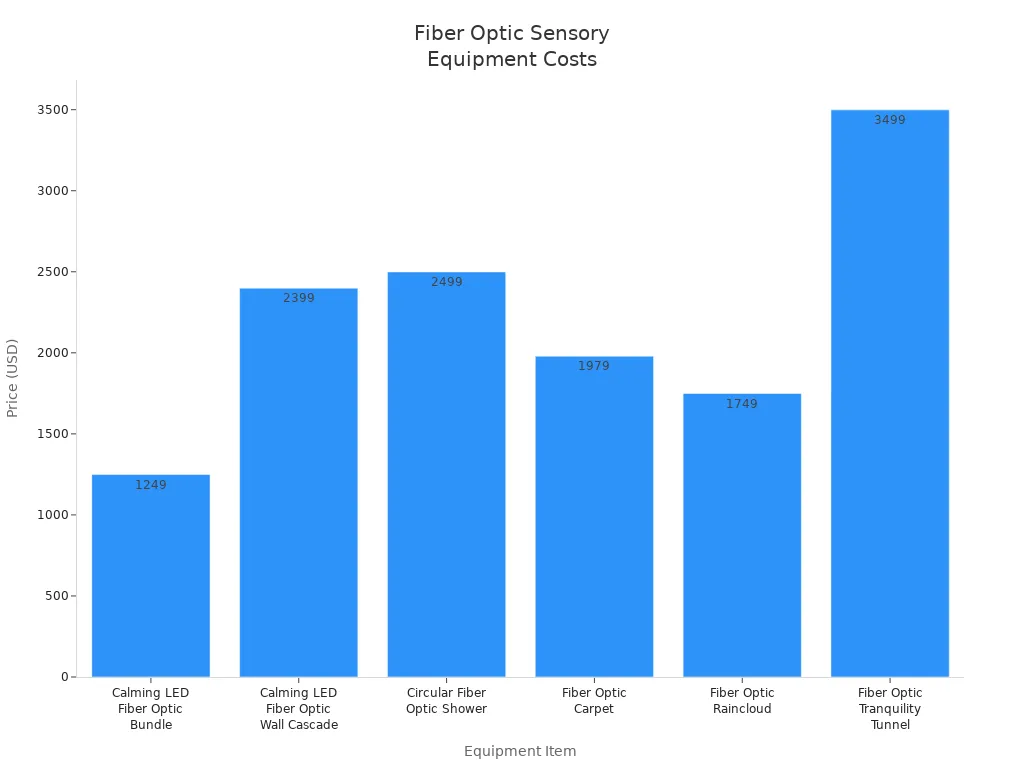
You also want to think about cost. Fiber optic curtains are a smart choice for sensory rooms because they give you a lot of value. Here is a quick look at how much some popular sensory lighting items cost:
Item Description | Price |
|---|---|
Calming LED Fiber Optic Bundle | $1,249.00 |
Calming LED Fiber Optic Wall Cascade | $2,399.00 |
Circular Fiber Optic Shower - for Dropped Ceilings | $2,499.00 |
Fiber Optic Carpet | $1,979.00 |
Fiber Optic Raincloud | $1,749.00 |
Fiber Optic Tranquility Tunnel - Calming | $3,499.00 |
Why Choose Leemoland Fiber Optic Curtains
You want the best for your sensory rooms. Leemoland fiber optic curtains stand out because they focus on safety, quality, and fun. You get a curtain that is easy to set up and lasts a long time. Leemoland makes sure every fiber optic curtain is safe for kids with different needs, including those with autism and ADHD. You can trust that the colors will stay bright and the strands will not break easily. Leemoland also gives you great value for your money, so you can create a calming and exciting space for everyone.
Tip: If you want to make your sensory room even more special, try a fiber optic curtain with color-changing settings and easy-to-use remotes. Kids love to pick their favorite colors!
Installation and Safety Tips
Installation Steps
It is simple to set up a fiber optic curtain. Pick a spot with enough space for the curtain. Measure the area so the curtain fits well. Use the mounting hardware that comes with it. Attach the top rail to the wall or ceiling. Make sure it is tight and secure. Hang the strands so they do not get tangled. Be gentle with the cables. Do not bend or twist them too much. Clean the connectors before plugging them in. If you need to cut cables, use the right tools. Follow the instructions for splicing. Plan where the cables will go to avoid obstacles. Keep everything neat and tidy. Test the lights before you finish. Make sure every strand works.
Here is a table showing common mistakes and how to fix them:
Mistake | Solution |
|---|---|
Improper Cable Handling | Be gentle and do not twist or bend cables. |
Incorrect Cable Length | Measure carefully and add extra length if needed. |
Poor Splicing Techniques | Use the right tools and follow the steps for splicing. |
Contaminated Connectors | Clean connectors before you connect them. |
Incorrect Connector Installation | Use the right tools and follow the instructions for connectors. |
Ignoring Cable Polarity | Use labeled cables and check polarity as you install. |
Overlooking Pathway Planning | Plan cable routes to keep cables neat and avoid obstacles. |
Inadequate Testing | Test all links and write down the results for later. |
Improper Environmental Conditions | Keep the room clean and at a safe temperature and humidity. |
Neglecting Cable Strain Relief | Use ties and clamps to stop cables from sagging or getting strained. |
Tip: Staff can learn how to use and care for fiber optic curtains. Online courses teach safe use, cleaning, and fun sensory activities.
Safe Placement in Sensory Rooms
Where you put your fiber optic curtain matters a lot. Place it where kids can reach but not in busy spots. Hang it near a quiet corner or reading area for calm. If you want kids to play, put the curtain where they can walk through or sit under it.
Here is a table showing the benefits of good placement:
Benefit | Description |
|---|---|
Soft lights help kids relax, especially those with autism. | |
Engaging Display | Bright colors and moving lights make kids want to touch and explore. |
Soothing Light Effects | Gentle glow helps lower anxiety and makes kids feel safe. |
Encouragement of Attention | Light patterns help kids focus and stay interested in activities. |
You can make your sensory room better by learning from training programs. Staff and caregivers who know how to use sensory equipment can help every child feel welcome. Training teaches safe use, cleaning, and planning activities for each child. When you understand sensory processing, you help kids get the most from their fiber optic curtain.
Sensory Activities and Benefits

Interactive Play Ideas
Fiber optic curtains can make your sensory room fun and safe. Kids with autism and ADHD enjoy playing with these curtains. You can create activities that make kids curious. These activities help kids explore and learn new things. Here are some ideas you can use:
Kids can walk through the strands and feel the lights. This helps them learn about different textures.
Kids can pick colors using a remote or app. This helps them learn colors and see bright lights.
Play games where kids watch moving lights. This helps their eyes follow and stay focused.
Use the curtains for group play. Kids can take turns touching strands or naming colors. This helps them learn to share and talk with others.
Make a calm spot under the curtains. Kids can sit and relax in the soft glow. This helps kids feel safe and calm.
Try games that use fingers. Kids can braid or twist the strands gently. This helps their hands get stronger and learn new skills.
You can use a switch or app to control the curtains. This makes it easy to change activities for everyone. The LED lights can change colors and speed. You can make games that fit each child’s needs. The curtains help kids use their senses in a safe way.
Tip: Mix solo and group games to keep kids interested. Change the light patterns to match the activity or mood.
Calming Effects for Autism and ADHD
Fiber optic curtains do more than just entertain. They help make a calm space for kids with autism and ADHD. The soft glow and gentle strands make the room peaceful. Kids relax when they watch the lights change. The curtains help lower anxiety and stop kids from feeling too much.
Kids with autism need a calm place to feel safe. The curtains give them a spot to touch and watch lights. This helps them focus and feel less worried. The lights help kids pay attention and join in activities. Kids with ADHD like the moving light patterns. These patterns help them stay focused and on task.
The curtains are safe and easy for all kids to use. Kids can touch the lights without getting hurt. The curtains help make the room calm and fun for everyone.
Here is a table showing how fiber optic curtains help in a sensory room:
Benefit | Description |
|---|---|
Calm Space | Makes a peaceful area for kids with autism and ADHD |
Engagement | Helps kids play with lights and strands |
Support for Sensory Development | Teaches kids about textures, colors, and movement |
Safety and Accessibility | Safe to touch and easy for all kids |
Joyful Sensory Engagement | Makes sensory activities fun and special |
Fiber optic curtains help kids with autism and ADHD feel calm and happy. The curtains make your sensory room a place where every child can explore, relax, and grow.
Adapting for Different Needs
Age-Based Adjustments
You want all kids to enjoy fiber optic curtains. Young kids like to touch the glowing strands. You can hang the curtain low for toddlers. Older kids need the curtain higher or longer strands. They can walk through or sit under the lights. Add easy games for younger kids, like matching colors or braiding. Older kids like harder games, such as finding patterns or group play.
Here’s a table to show how to change curtain use by age:
Age Group | Suggested Activities | Curtain Setup |
|---|---|---|
Toddlers | Touch, color matching | Low hanging, short strands |
Elementary | Braiding, light games | Mid-level, longer strands |
Teens | Group play, pattern games | High hanging, full-length strands |
Tip: Watch young kids while they play. This keeps everyone safe and happy.
Supporting Various Sensory Profiles
Kids have different sensory needs. Some kids get overwhelmed by bright lights or loud sounds. Other kids want more things to touch or see. Fiber optic curtains help both types of kids. The soft glow makes the room calm. You can add weighted blankets for comfort. Tactile pillows and soft sounds help stop sensory overload.
Here are ways to help different sensory needs:
Change the brightness and color speed for kids who need less.
Let kids pick their favorite colors with a remote.
Use fiber optic curtains with other calming tools, like weighted blankets or music.
Make a quiet spot with tactile pillows and gentle lights.
Leemoland has many sensory toys. You can find things for every need, like fiber optic curtains, weighted blankets, and tactile pillows. The brand welcomes all kids. You help kids explore, relax, and grow in a space made for them. 😊
You want your sensory room to feel calm. Fiber optic curtains help you create a calm space for every child. You can set up the curtain, pick the right spot, and watch as kids enjoy calm moments. These curtains give you calm visual effects and calm tactile play. You see calm color changes and calm lights. Kids touch the calm strands and feel calm. The calm glow brings calmness to the room. You notice calm faces and calm hands. Calm activities help kids with autism and ADHD find calm. Calm games support calm learning and calm fine motor skills. Calm colors teach calm visual tracking. Calm strands invite calm exploration. Calm spaces let kids relax at their own calm pace. Calm group play builds calm friendships. Calm corners offer calm for all ages. Calm Leemoland fiber optic curtains bring calm to every calm moment. Calm Leemoland toys add calm to your calm sensory room. Calm Leemoland products give you calm experiences and calm joy. Calm Leemoland helps you make calm memories. Calm Leemoland supports calm learning and calm growth. Calm Leemoland welcomes calm for every child. Calm Leemoland means calm for your calm room. Calm Leemoland is your calm choice for calm sensory solutions.
Try more calm sensory tools from Leemoland and see how calm your room can become!
Fiber Optic Curtains | Other Sensory Tools | |
|---|---|---|
Promotes sensory engagement | Yes | Varies |
Provides immediate relief from overstimulation | Yes | Varies |
Supports fine motor skills development | Yes | Varies |
Offers tactile exploration opportunities | Yes | Varies |
Suitable for various ages and abilities | Yes | Varies |
FAQ
How do you clean fiber optic curtains?
You can wipe the strands with a soft, dry cloth. Avoid using water or harsh cleaners. If dust builds up, gently shake the curtain. Always unplug the curtain before cleaning.
Are fiber optic curtains safe for all ages?
Yes! The strands stay cool and have no electric current. You can let toddlers and older kids play safely. Always supervise young children for extra safety.
Can you use fiber optic curtains with other sensory tools?
Absolutely! You can pair them with weighted blankets, tactile pillows, or soft music. Mixing tools creates a richer sensory experience for every child.
How do you change the colors on a fiber optic curtain?
Most curtains come with a remote or app. You can press buttons to pick colors or set patterns. Kids love choosing their favorite colors!
Where should you place a fiber optic curtain in your sensory room?
You can hang the curtain in a quiet corner, near a reading nook, or across a doorway. Pick a spot where kids can reach and explore the strands easily.
See Also
Why Fiber Optic Carpets Are Essential for Sensory Spaces
Tips for Designing a Calm Environment with Sensory Lighting
Effective Strategies for Creating ASD-Friendly Sensory Rooms
Practical Sensory Room Concepts That Are Effective in Schools
Recommended Sensory Room Concepts for Children with Special Needs
