Families Share Their Sensory Bedroom Transformations
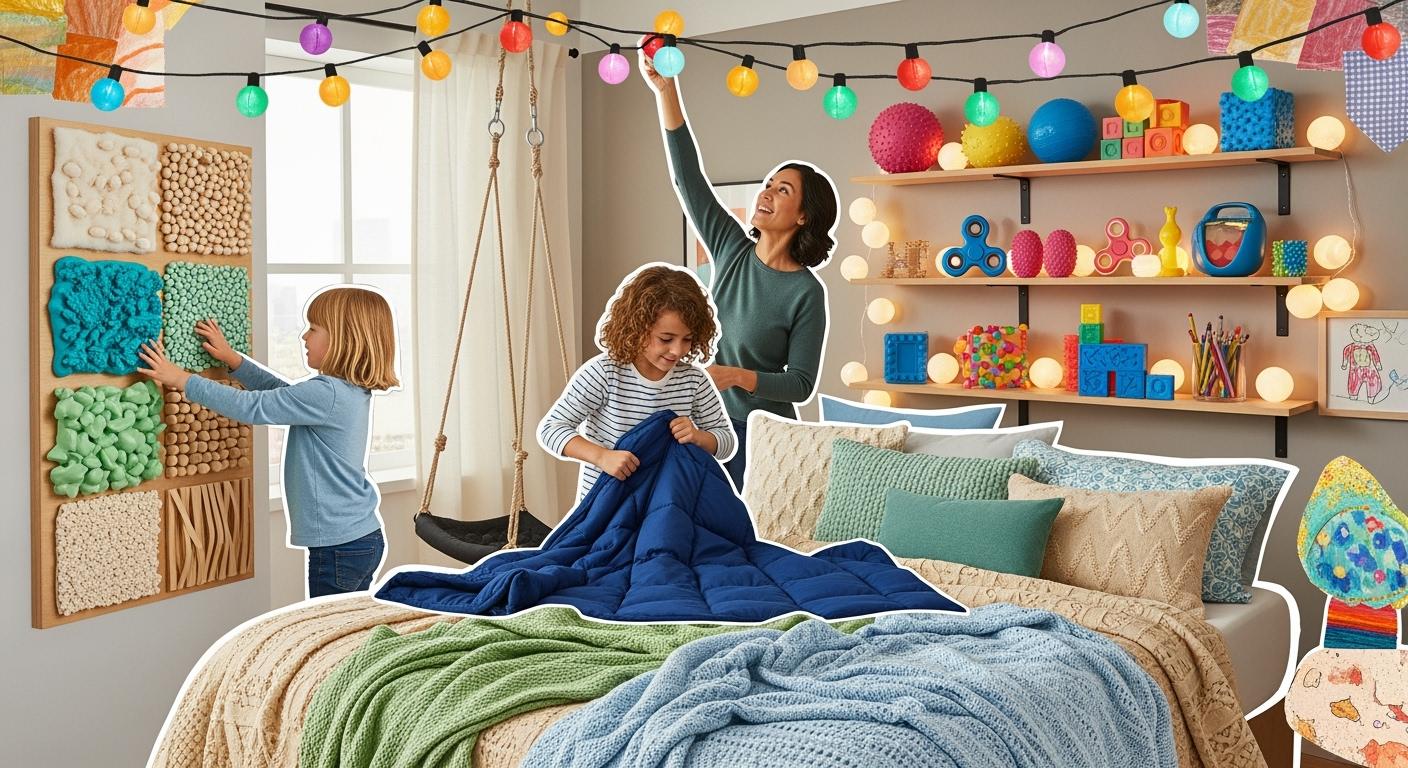
Have you ever had trouble making your child’s bedroom calm and safe? You want to make a space that helps them. But you might not know how to pick sensory bedroom ideas. It can be hard to choose the right Sensory Projector. One parent said, “The first time my child touched the Sensory Wall Panels, his face lit up.” Maybe you want to see a Jellyfish Water Lamp glow at bedtime. You are not alone. Many families begin with hope and some uncertainty.
Key Takeaways
Sensory bedrooms help kids with sensory needs feel calm. These rooms make children feel safe and relaxed. Small changes can make a big difference. Cleaning up and adding soft things help kids feel better. These changes can help them sleep well. Let your child help design their room. This makes sure their needs are met. It also helps them feel important. You can use things you already have at home. This saves money and still makes the room sensory-friendly. Keeping the room neat is important. Having routines helps keep things peaceful. This lets kids do well in their sensory bedrooms.
Why Sensory Bedrooms Matter
Understanding Sensory Needs
You may see your child react a lot to lights or sounds. Some kids with Autism or ADHD feel overwhelmed by the world. Sensory bedrooms give them a safe place to rest. These rooms help your child feel calm and safe.
Sensory-friendly rooms help kids control their feelings and feel less anxious.
Some bedrooms have both active and quiet spots for your child to pick.
Special rooms, like Snoezelen rooms, use soft lights and sounds to help kids feel better.
Sensory gardens and bedrooms let kids explore and feel less stressed.
These rooms help your child be more independent and join family life.
A good sensory bedroom can help your child sleep better. Sleep is very important for your child’s health. A calm bedroom helps your child fall asleep faster and wake up happy. Good routines and smart design help your child sleep and feel better.
Family Motivations
You want your child to have the best. Many families look for sensory bedroom ideas when their child has a hard time with daily life. You may want to stop meltdowns or help your child feel safe at night. Families try soft blankets, gentle lights, or quiet corners to make bedrooms peaceful.
Families want bedrooms that help their child’s sensory needs.
Sensory-friendly bedrooms stop overload and help kids control their feelings.
Kids with autism or similar needs do better with these changes.
Small changes, like soft lights or cozy blankets, help a lot.
Studies, like those from the University of Arkansas, show that sensory rooms help kids feel better and more in control. When you see your child relax in their new room, you know you made a good choice.
Sensory Bedroom Ideas from Real Families
Overcoming Overstimulation
You might notice your child gets overwhelmed by too much noise or clutter. That was the case for the Martinez family. Their son, Lucas, often felt anxious in his room. He would cover his ears and hide under blankets when things got too loud or busy. The family wanted to help him feel safe and calm.
They started by looking at sensory bedroom ideas that focused on reducing overstimulation. Here’s what worked for them:
They created a small, consistent space where Lucas could reset.
They removed extra toys and kept only a few favorites on display.
They added a few indoor plants and hung up pictures of forests and mountains.
They used soft background music and a lamp with adjustable brightness.
“When we finished, Lucas walked in and just smiled. He sat in his cozy corner and played quietly for the first time in weeks,” his mom shared.
The family also tried calm-down jars and a basket filled with soft items like a plush bear and a squishy ball. These simple changes helped Lucas manage his feelings. He now uses his room to relax after a busy day.
You can try these sensory bedroom ideas if your child feels overwhelmed. Even small changes, like decluttering or adding nature-inspired touches, can make a big difference.
Creating a Calming Sleep Space
Sleep can be tough for kids with sensory needs. The Patel family faced this with their daughter, Maya. She had trouble falling asleep and often woke up during the night. Her parents wanted to create a space that felt safe and restful.
They explored sensory bedroom ideas that support better sleep. Here’s what they did:
They set up a bedtime routine with a story and soft music.
They made the room dark and cool, using blackout curtains and a small fan.
They gave Maya a weighted blanket for deep pressure comfort.
They added a gentle swing in the corner for quiet rocking before bed.
Maya’s parents also used soft furnishings like a thick rug and plush pillows. They placed her bed away from the window and used calming scents, like lavender, to help her relax.
Here’s a quick look at some design choices and their benefits:
Design Choice | Benefit |
|---|---|
Soft Furnishings | Absorb sound, make the room quieter |
Weighted Blankets | Ease stress and help with sleep |
Decluttering | Reduce mental stimulation before bed |
Calming Scents | Promote relaxation |
White Noise or Nature Sounds | Mask disruptive noises |
Bed Positioning | Enhance sense of security |
“The first night with her new room, Maya slept through until morning. She woke up happy and rested,” her dad said.
If your child struggles with sleep, you can try these sensory bedroom ideas. A calm, organized space with soft textures and gentle routines can help your child rest better.
Shared and Multi-Use Rooms
Not every family has a spare room for sensory play. The Johnsons live in a small apartment, so their two boys share a bedroom. Both have different sensory needs. One likes quiet time, while the other loves to jump and play.
The family used creative sensory bedroom ideas to make the space work for everyone:
They set up a calm zone with soft colors, bean bags, and a diffuser with calming scents.
They made an active zone with a mini trampoline and textured play mats.
They chose beds with built-in drawers to keep toys and clothes out of sight.
They used noise-canceling headphones and a weighted blanket for quiet time.
The Johnsons talked with both boys about what they liked and needed. This helped everyone feel included and comfortable.
“We learned to listen to each other. Now, both boys have a spot they love,” their mom explained.
You can use these sensory bedroom ideas even if you have a small space. Try dividing the room into zones or using multi-functional furniture. Involve your child in the process. This helps them feel proud of their new space.
If you need to adapt sensory bedroom ideas for different ages or needs, remember that every child is unique. Some kids want bright colors and lots of movement. Others prefer soft lights and quiet corners. You can mix and match ideas to fit your family.
Practical Tips with Leemoland
Choosing Sensory Toys and Tools
Picking the right sensory toys can feel tricky. You want something that fits your child’s age and interests. Start by watching what your child enjoys. Some kids love squishy textures, while others like lights or sounds. Make sure the toys are sturdy and safe for rough play. You can test new toys and see how your child reacts. If they smile or focus, you know you’re on the right track.
Here are some tips families recommend:
Look for age-appropriate toys.
Match toys to your child’s favorite sensory input, like touch or sound.
Choose durable toys that last.
Pick toys that give just enough stimulation, not too much.
Watch your child play and adjust your choices.
Leemoland offers many popular sensory toys. You can find options for every need:
Product Name | Model No. | Link |
|---|---|---|
LD25F917 | ||
LD25SE823 | ||
LD251E0909 | ||
LD25R101 | ||
Fidget Toys Silicon Sensory Activity Board Kit | LD25F817 |
Budget-Friendly Solutions
You don’t need to spend a lot to create a sensory-friendly space. Many families use everyday items. Old pillows and bean bags work great for comfort. Soft rugs or foam tiles make the floor safe. You can craft sensory bins with rice and neon paint for under $25. Try glow-in-the-dark decals or small weighted blankets. Portable toys and compact tactile boards also help.
Tip: Repurpose what you have at home. Creativity saves money and adds a personal touch.
Decluttering and Organization
A tidy room helps your child feel calm. Clutter can overwhelm the senses and cause stress. You can use labeled bins to sort toys and supplies. Soft bedding and plush pillows add comfort. Warm-toned bulbs and dimmable lights create a soothing mood. Let your child pick colors and themes for their space.
Benefits | |
|---|---|
Remove unnecessary items | Reduces distractions and stress |
Sort belongings in an organized manner | Creates a sense of order and control |
Families say that regular routines and simple organization make a big difference. When you keep things neat, your child can relax and enjoy their sensory bedroom ideas.
You have seen how sensory bedroom changes help your child. These changes make kids feel safe and happy. Families often begin with small steps. They might add one sensory item first. Kids can help pick what goes in their room. You can switch toys and see what your child likes. These ideas help make home more joyful and comfortable.
Every family’s path is unique.
Accepting neurodiversity makes everyone feel important.
Changing how you think builds stronger bonds.
Evidence | Description |
|---|---|
Clutter-free environment | A clean room lowers worry and helps routines. |
Sensory tools | Textures and smells calm or excite your child. |
Flexible seating | Choices let kids feel in charge and relaxed. |
You can keep moving forward, even if it takes time. Your story is important. Every step brings hope. 😊
FAQ
How do you start a sensory bedroom makeover?
You can begin by asking your child what makes them feel calm or happy. Try removing clutter first. Add one sensory item, like a soft lamp or textured pillow. Watch how your child reacts and adjust as needed.
What sensory toys work best for sleep?
Weighted blankets, soft plushies, and gentle night lights help many kids relax. You can try white noise machines or calming scents. Every child is different, so test a few options to see what works.
Can you create a sensory space in a shared room?
Yes! You can use zones. Try a quiet corner with bean bags and a play area with mats. Use storage bins to keep things tidy. Let each child pick their favorite sensory item.
How do you keep a sensory bedroom organized?
Use labeled bins for toys and supplies. Keep only what your child uses often. Rotate sensory items to keep things fresh. A simple routine helps your child know where everything goes.
Where can you find high-quality sensory toys?
You can explore Leemoland’s website for sensory toys, educational tools, and more. The brand offers durable products for different needs. Visit Leemoland to see their full selection.
See Also
Inspiring Bedroom Designs That Soothe and Engage Children
Affordable DIY Sensory Room Concepts for Every Budget
Evaluated Sensory Space Concepts for Home and Classroom
