How to Create Engaging Sensory Stimulation Activities for Special Needs Kids
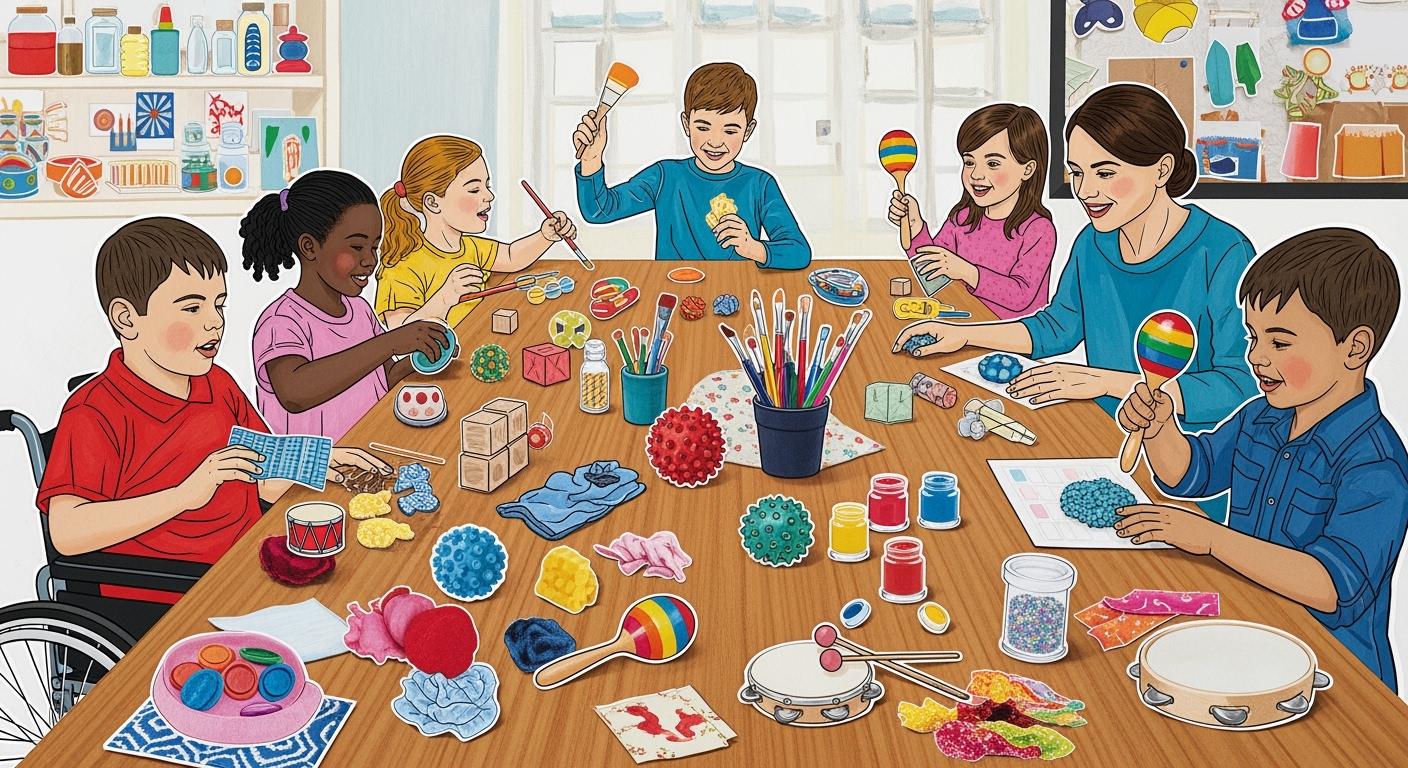
You may ask if sensory stimulation activities fit your child. The good thing is you can begin with easy choices like musical instruments, textured balls, or smelling markers. Each child reacts in their own way to sensory play, so watch what your child likes. Try fun sensory activities at home, like swinging, making smoothies, or visiting Sensory Rooms. Using Sensory Toys gives fun and comfort, and helps you find what your child enjoys most.
Key Takeaways
Begin with easy sensory activities like musical instruments or textured toys. This helps you find out what your child likes. - Make a sensory-friendly space at home with soft lights and quiet spots. This helps your child feel safe and calm. - Add movement activities like swinging or balance games. These can help your child know their body better and focus more. - Use things from home for sensory play, like rice or pasta. This makes learning fun and easy to do. - Watch how your child acts during play. This helps you pick activities that fit your child's sensory needs and likes.
What Are Sensory Stimulation Activities?
Definition and Purpose
When you hear about sensory stimulation activities, you might wonder what they are. These activities are special ways to help kids who see the world differently. You use them to help your child handle things that bother them. They also stop your child from feeling too much at once. The right sensory activities can help your child stay calm and pay attention.
Sensory stimulation activities are made for kids with sensory processing differences.
They help kids deal with things that bother them and stop overload.
These activities help kids control their feelings and join in.
The main goal of sensory play is to make a safe place for your child to explore. You let your child learn and grow by touching, seeing, hearing, and moving in ways they like. Sensory activities help your child get better at understanding and reacting to the world.
Sensory play gives your child a fun place to explore.
These activities help your child learn and control their feelings.
They help your child get better at using their senses to understand sights, sounds, and textures.
Sensory activities also help your child handle feelings and talk to others.
Key Benefits for Special Needs Kids
You might see your child feel calmer after squeezing a stress ball or playing with water. Sensory play can help kids with autism or ADHD relax, focus, and make friends. Studies show that deep pressure, like a weighted blanket, can help kids with ADHD sleep better and move better. Sensory activities also give your child ways to handle stress and feel good about themselves.
Here’s a quick look at some top benefits:
Benefit | Description |
|---|---|
Sensory toys help your child calm down and feel safe, lowering anxiety and stress. | |
Promoting Focus and Attention | These toys grab your child’s interest, making it easier to concentrate on tasks and activities. |
Encouraging Social Interaction | Sensory toys support social skills, helping your child engage and cooperate with others. |
Tip: Try different sensory play ideas and see how your child reacts. You might find new ways to help them feel happy and safe.
Sensory Awareness Activities and Processing Challenges
Sensory processing disorders can make life hard for your child. Some sounds, lights, or textures may bother them a lot. Other kids might not notice these things as much. Sensory awareness activities help your child learn about their senses. These activities build sensory skills. They help your child handle new things better.
Common Sensory Difficulties
Kids with sensory processing disorders react in different ways. Some kids get upset by too much sensory input. Others want more sensory input. Here are some common problems you might see:
Over-responsiveness (hypersensitivity): Your child may cover their ears when it is loud. They might squint when lights are bright. They may not like some food textures.
Under-responsiveness (hyposensitivity): Your child may not notice loud noises. They might seem clumsy. They may bump into things to feel more.
Sensory-seeking behaviors: Some kids jump, spin, or touch everything. They want more sensory input.
Your child may also have trouble joining group activities. They may find it hard to focus in busy places.
Recognizing Sensory Needs
You are important in noticing your child’s sensory needs. Watch if your child covers their ears in noisy rooms. See if they squint in bright lights. Notice if they do not like some fabrics. Some kids avoid finger painting. Some have strong reactions to smells and tastes. Others jump, spin, or rock to feel better.
Sensory awareness activities help your child know what feels good. They also help your child know what does not feel good. Try movement breaks, deep-pressure hugs, or quiet zones with soft lights. These ideas help your child calm down when things are too much. You can use sensory diets. These include calming things like fidget tools or deep breathing. An occupational therapist can help you find the best activities for your child.
Tip: Make a sensory-friendly space at home. Use soft lights, keep noise low, and add cozy spots. This helps your child feel safe and ready to try new things.
Visual Sensory Play Ideas
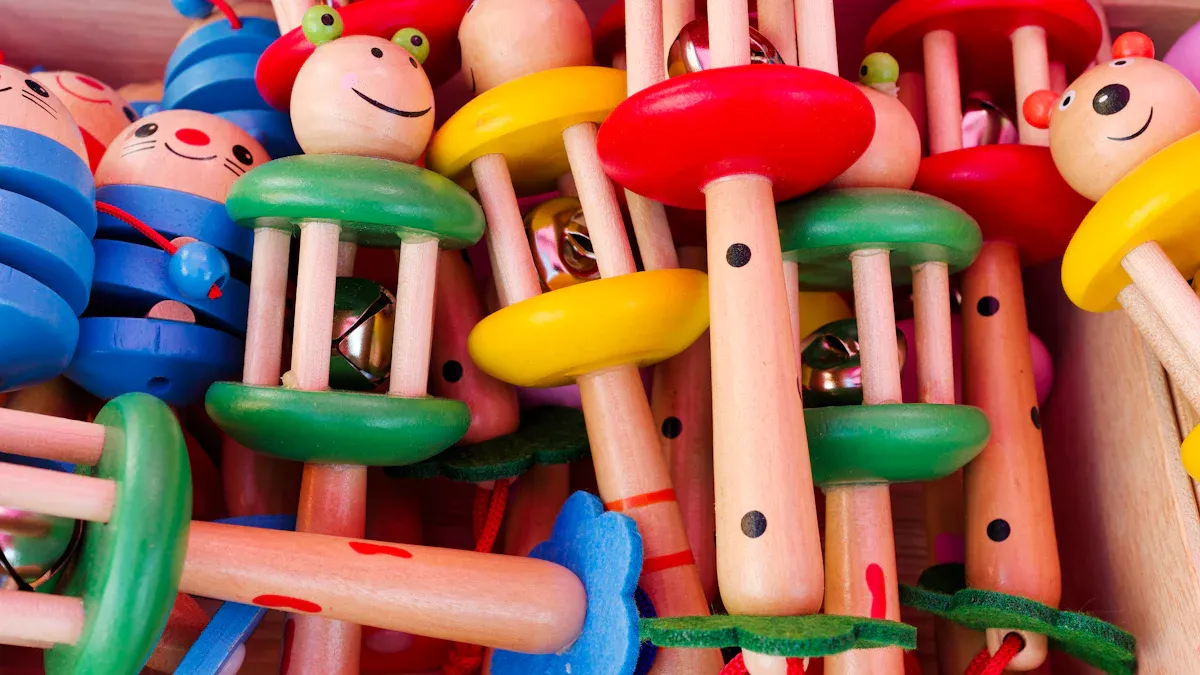
Simple Visual Activities
You can make sensory play fun with easy games at home. Kids enjoy activities with bright colors and different textures. These games help your child learn about the world. They also help your child build important skills. Try puzzles or matching games together. You can play “I Spy” or have a scavenger hunt in your living room. These activities give your child the sensory input they need. They also make learning feel like a game.
Here’s a table with some good visual sensory play ideas:
Activity | Description | Skills Developed |
|---|---|---|
Puzzles | Put shapes together to help with spatial awareness. | Problem-solving, fine motor, spatial reasoning |
“I Spy” & Scavenger Hunt | Look for and sort objects by color, shape, or size. | Observation, attention, working memory |
Copy the Design | Use blocks or Legos to copy patterns you see. | Visual-motor coordination, sequencing |
Spot the Difference | Find what is different in two pictures. | Focus, communication, visual attention |
Sorting & Matching | Match shapes or colors that are the same. | Organization, pattern recognition |
Mazes | Solve mazes with a pencil or your finger. | Planning, hand-eye coordination |
Memory Match | Flip cards over to find matching pairs. | Visual memory, recall |
Art & Drawing Games | Draw or color pictures with many colors and textures. | Creativity, self-expression, attention to detail |
Tip: Let your child choose their favorite activity. This helps them feel in charge and happy to join.
Adapting for Visual Sensitivities
Some kids get upset by too much sensory input. You can make sensory play easier by changing the space. Try these ideas:
Use steady lights that do not flicker to keep things calm.
Keep the play area simple and do not use too many bright colors or textures.
Make a cozy spot where your child can rest if they need to.
Show your child how to use tools like a choice board or deep breathing.
Tell your child before you change the lights or add new activities.
You know your child best. Watch how they act and change sensory play to fit their needs. This helps your child have fun exploring without feeling stressed.
Auditory Sensory Play
Sound-Based Activities
You can make daily life fun by playing with sounds. Kids enjoy hearing many noises. This helps them learn new things. Try games that help your child listen and remember sounds. You can use things you already have at home. You can also go outside to find new sounds.
Here’s a table with some sound-based activities you can try:
Activity Name | Description |
|---|---|
Sound Discrimination Game | Play recorded noises and ask your child to guess what they are. |
Storytime with Sound Effects | Add sounds to stories to keep your child engaged and focused. |
DIY Rain Sticks | Make rain sticks together and listen to the soothing sounds they create. |
Drip, Drop Listening Game | Drip water into a bowl and notice the differences in each sound. |
Auditory Breathing Exercises | Pair breathing with gentle sounds to help your child relax. |
Homemade Rhythm Bands | Use pots, pans, or boxes to make music and explore sound patterns. |
Nature Sound Walk | Go outside and listen for birds, wind, or leaves rustling. |
Musical Freeze Dance | Dance to music and freeze when it stops, building listening and movement. |
Guess That Sound Game | Challenge your child to identify familiar sounds from around the house. |
Tip: Let your child choose what they want to do. This helps them feel in charge and makes playtime more fun.
These activities give your child sensory input. They help your child focus, relax, and learn about the world.
Managing Noise Sensitivity
Some kids do not like loud sounds. You can help your child feel safe during sensory play. Try these easy ideas.
Make a quiet spot at home for your child to rest.
Use noise-canceling headphones or earplugs to block loud sounds.
Visit new places when they are not busy or crowded.
Find hobbies that help your child pay attention and forget about noise.
Here’s a table with more ideas:
Strategy | Description |
|---|---|
Avoid Noisy Places | Choose calm environments for sensory play. |
Designated Quiet Spaces | Set up safe areas for your child to retreat to. |
Earplugs/Noise-Canceling Headphones | Reduce sensory input from loud noises. |
Visiting New Places at Quiet Times | Lower noise exposure during outings. |
You can also help your child get used to new sounds slowly. Start with quiet sounds and add more over time. This helps your child feel less scared.
Note: Watch how your child acts and change activities if needed. Every child is different, and your help matters a lot.
Tactile Sensory Play
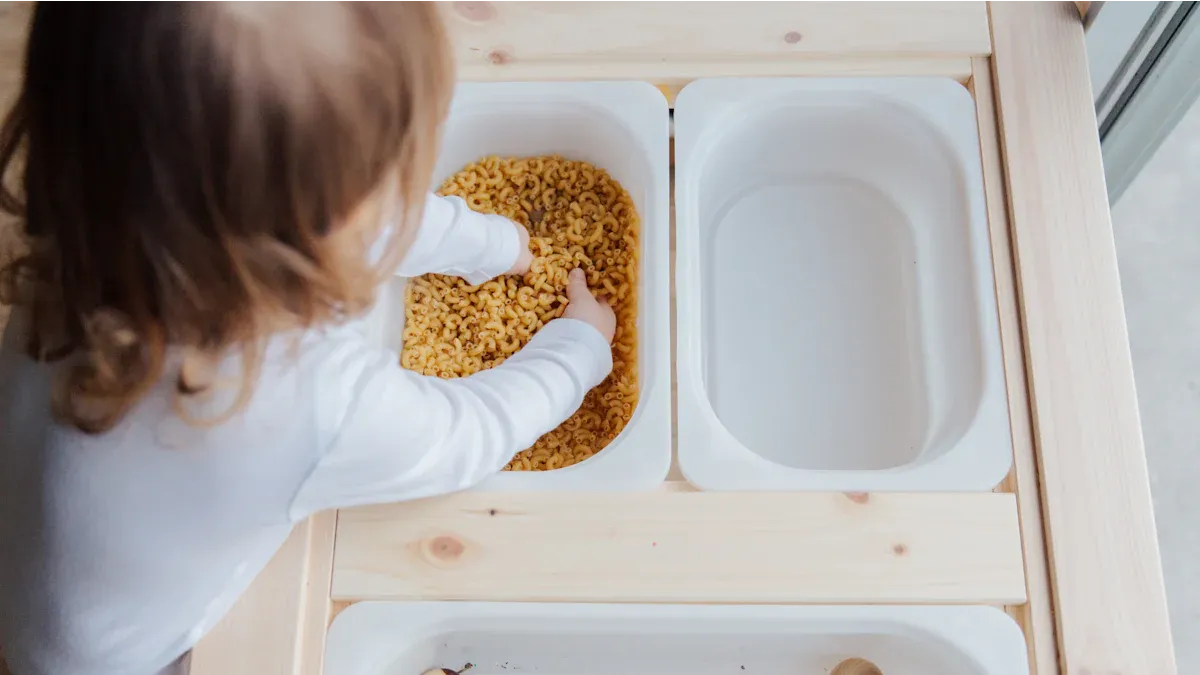
Tactile sensory play lets your child explore the world through touch. You can use simple items at home to help your child feel different textures and temperatures. Many children with special needs love to squeeze, squish, or dig their hands into new materials. This type of play gives your child important sensory input and helps them feel calm and focused.
Texture and Messy Play
Messy play is more than just fun—it helps your child grow. When your child touches sand, water, or play dough, they get a chance to learn about textures and temperatures. You can use sensory toys like textured balls, squishy putty, or soft brushes. These toys help your child get the sensory input they need.
Here are some easy ideas for texture and messy play:
Water play: Fill a tub with water and add cups, sponges, or small toys. Let your child pour, squeeze, and splash.
Play dough: Roll, pinch, and mold play dough. This strengthens hand and finger muscles and builds fine motor skills.
Finger painting: Let your child use their hands to spread paint on paper. This helps with dexterity and control.
Cutting and pasting: Give your child safety scissors and paper. They can cut shapes and glue them onto a collage.
Stringing beads: Use large beads and string. This activity builds hand strength and coordination.
Tip: You can use sensory toys like textured mats or fidget tools to add more variety to playtime.
Messy play does more than just keep your child busy. It helps with sensory integration, emotional regulation, and motor skills. Take a look at how messy play supports your child’s development:
Benefit | Description |
|---|---|
Sensory Integration | Helps your child manage overwhelming sensory input in daily life. |
Emotional Regulation | Gives a safe space to explore and express feelings through different materials. |
Cognitive Development | Sparks curiosity and problem-solving as your child explores new textures and materials. |
Motor Skills Development | Activities like gripping tools and balancing improve fine and gross motor skills. |
Communication Skills | Encourages your child to talk about what they feel, building vocabulary and emotional expression. |
Social Skills | Promotes sharing, turn-taking, and empathy when playing with others. |
You can see how sensory toys and messy play help your child in many ways. Try different textures and see what your child enjoys most.
Safe and Edible Sensory Bins
Some children put things in their mouths during play. You can make sensory bins that are safe and even edible. These bins let your child dig, scoop, and explore without worry. Sensory bins can include cooked pasta, rice cereal, or gelatin. You can also add safe sensory toys like silicone cups or large spoons.
When you set up edible sensory bins, keep these safety tips in mind:
Always supervise your child during play.
Check for food allergies or sensitivities before you start.
Avoid small items that could be a choking hazard, even if they are edible.
Store perishable items properly and throw them away after use.
Note: You can use sensory toys like large scoops, measuring cups, or textured balls in your sensory bins to make playtime even more fun.
Edible sensory bins give your child a safe way to get sensory input. You can use them for children who have strong oral needs or who like to taste new things. These bins also help your child feel calm and focused.
You can make sensory play easy and safe at home. Try different sensory toys and see what works best for your child. Watch how your child reacts and change the activity if needed. Every child is unique, and your support helps them grow.
Olfactory and Gustatory Sensory Play
Smell Exploration
You can help your child explore the world through their nose. Smell is a powerful sense. It can calm your child or make them feel excited. Try using simple activities at home to introduce new scents in a safe way.
Make sensory jars or bottles. Fill them with things like cinnamon sticks, coffee beans, or orange peels. Let your child shake and sniff each jar.
Try cooking or baking together. Use ingredients with strong smells, like vanilla, garlic, or fresh herbs. Your kitchen will fill with new scents, and your child can help mix and pour.
Use scented playdough or markers during art time. These tools add a gentle smell to creative play.
Tip: Always ask your child how they feel about each scent. Some smells might be too strong. Let your child choose what they like best.
Taste-Safe Activities
Taste-safe sensory play lets your child explore with their mouth in a safe way. This is great for kids who like to taste or chew things. You can use food and edible materials to make playtime both fun and safe.
Cook or bake simple recipes together. Your child can touch, smell, and taste different foods. Try making fruit kabobs, mini sandwiches, or homemade smoothies.
Offer chewy snacks or textured foods. Foods like bagels, crunchy veggies, or dried fruit give your child something safe to chew.
Make edible slime or play with food-based art. Use yogurt, pudding, or whipped cream to paint or squish.
Try food painting with safe, edible colors. Let your child use their fingers or brushes to create art they can taste.
Set up texture bins with cooked pasta, rice, or cereal. Your child can explore by touching, smelling, and tasting if they want.
You can help your child get used to new foods by letting them look, touch, and smell before tasting. There is no rush. Playful activities make new foods less scary and more fun.
Note: Always watch your child during taste-safe play. Check for allergies and use foods that are safe for your child.
Movement and Body Awareness Activities
Moving helps your child learn about their body. It also helps them connect with the world. Balance and heavy work activities help your child grow. They also help your child focus and feel calm. There are two types of movement play that help a lot.
Vestibular Play (Balance and Movement)
Vestibular play means balance and movement. These activities help your child know where their body is. You can use swings, balance beams, or a therapy ball. Try playing outside or make an obstacle course at home. Here are some fun ideas:
Swing in different ways, like side to side or spinning. Always watch your child while they swing.
Walk on a balance beam or tape line on the floor.
Roll or bounce on a stability ball.
Play “freeze dance” or move from sitting to standing.
Toss beanbags at a target while moving.
These activities help your child build balance and coordination. They also help your child feel more confident. Moving in new ways helps your child’s brain control their body. This can help with clumsiness and make exercise more fun.
Tip: Let your child pick how they want to move. When your child chooses, they feel in charge and want to play more.
Proprioceptive Play (Heavy Work)
Proprioceptive play gives deep input to muscles and joints. Heavy work helps your child feel calm and focused. You can do heavy work at home or school in many ways:
Push a vacuum or pull weeds outside.
Do wall push-ups or chair push-ups.
Try jumping jacks, hopscotch, or climb trees.
Squeeze play dough or stack things.
These activities help your child handle big feelings. Heavy work helps your child stay alert and aware of their body. Kids who do heavy work often feel less restless. They are more ready to learn.
Bear hugs, big squeezes, and playful wrestling give deep pressure your child may want!
Activity | What It Helps With | Where to Try It |
|---|---|---|
Obstacle Course | Balance, coordination | Indoors or outdoors |
Therapy Ball | Core strength, focus | Living room, gym |
Bear Hugs | Calm, body awareness | Anytime, anywhere |
Adapting Sensory Activities for Individual Needs
Each child is different, so you need to make sure sensory stimulation activities match your child’s needs. Start by picking materials that your child likes. Some kids like squishy things. Others like bright colors or soft sounds. Think about what helps your child feel happy or calm.
Choosing Materials
When you pick materials for sensory stimulation activities, choose things that are safe, fun, and simple to use. Here’s a table to help you pick:
Criteria | Description |
|---|---|
Durability | Will it last through lots of play and use? |
Flexibility | Can you use it for many sensory stimulation activities? |
Accessibility | Does it work for all kids, even those with disabilities? |
Storage | Is it easy to store or move around your home? |
Think about what your child likes and does not like. Some kids like to touch slime or sand. Others want to see lights or hear music. Always check for allergies and pick things everyone can use.
Modifying for Comfort and Safety
You can change sensory stimulation activities to help your child feel safe and comfortable. Try using special tools or changing the activity to fit your child’s skills. Here are some ideas:
Strategy | Purpose |
|---|---|
Use adaptive equipment | |
Promote inclusive play | Lets everyone join in, no matter their needs. |
Assess personal needs | Adjusts activities for comfort and safety. |
Modify tasks accordingly | Matches the challenge to your child’s skills. |
Supportive environments | Creates a safe, welcoming space for play. |
Change the activity if your child seems upset. Watch for signs like pulling away or covering their ears.
Observing and Responding
You are important in making sensory activities work. Watch how your child acts during and after play. Look for smiles, calm feelings, or new skills. Here’s a table to help you:
Observational Technique | Description |
|---|---|
Behavioral Responses | See if your child feels relaxed or balanced. |
Emotional Regulation | Watch for self-soothing actions like hand flapping. |
Engagement in Activities | Notice if your child joins in and explores. |
Motor Skills Improvements | Spot new moves or better coordination. |
Be ready to change things. If your child enjoys an activity, do it again. If not, try something else. You know your child best, so trust yourself and have fun together.
Tip: Sensory stimulation activities work best when you change, watch, and celebrate every small win!
Every child learns in their own way, so it’s okay to try different sensory play ideas and see what works. Celebrate each small win—these moments build confidence and joy.
Sensory play helps children with special needs develop memory, language, and problem-solving skills. It also calms anxiety and supports emotional growth.
You don’t need fancy tools. Simple activities like a calm-down corner or a DIY stress ball can make a big difference. Start with one new activity and watch how your child responds. Enjoy the journey together!
FAQ
How do I know which sensory activities my child will like?
Watch your child during play. Notice what makes them smile or relax. Try different activities and see how they react. If your child avoids something, switch to another idea. You know your child best!
Can I use household items for sensory play?
Yes! You can use rice, pasta, sponges, or even empty boxes. Everyday items work well for sensory bins, texture play, or movement games. Get creative and see what your child enjoys.
What if my child gets overwhelmed during sensory play?
Stay calm and offer a break. Create a quiet spot where your child can relax. Use soft lights or favorite toys. Let your child return to play when they feel ready.
How often should I do sensory activities with my child?
You can add sensory play to your daily routine. Short sessions work best. Even five to ten minutes can help your child feel calm and focused. Watch for signs your child wants more or needs a break.
See Also
Creating A Sensory Gym Space For Autistic Children
Understanding Sensory Products And Their Role In Special Education
Sensory Toys With Weight For Children Facing Challenges
