Emerging Trends Shaping Sensory Room Implementation in Schools
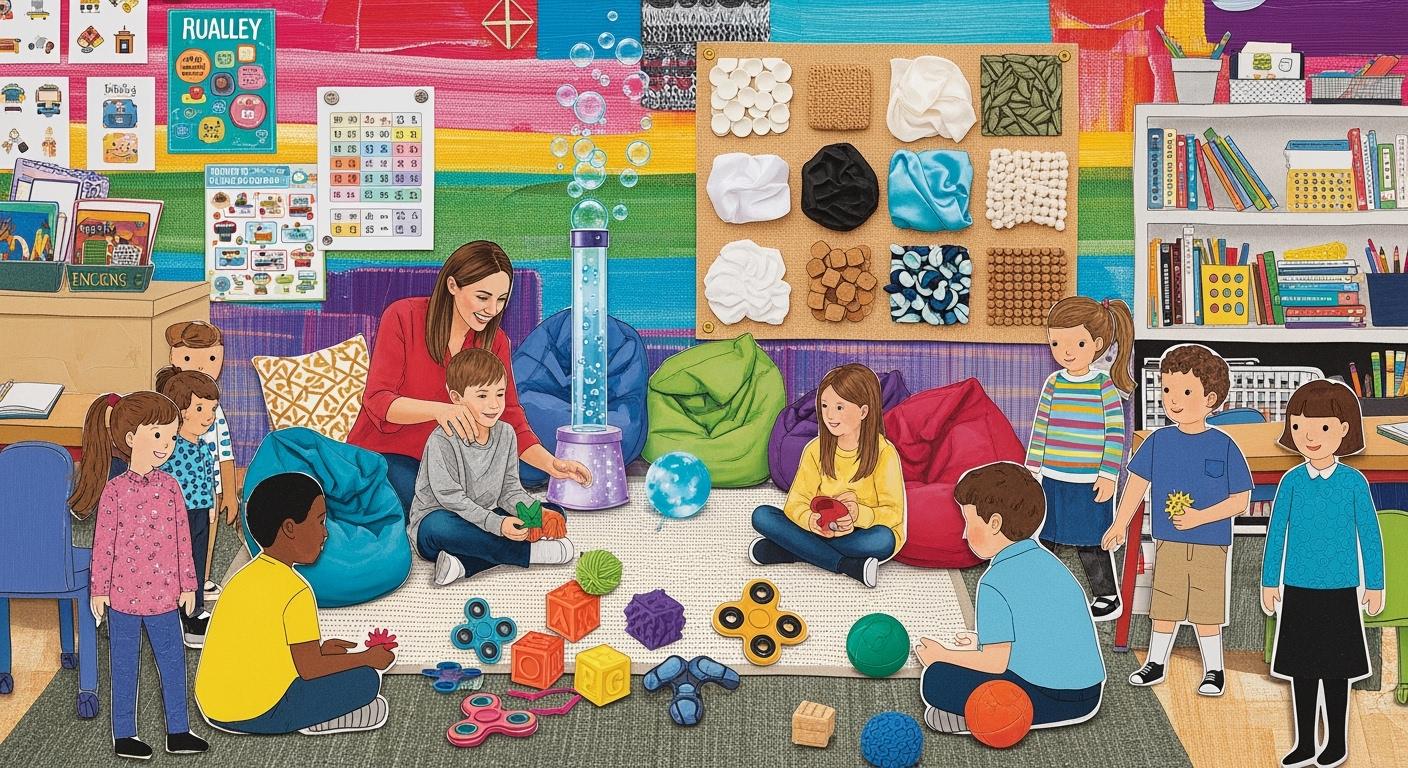
You will see big changes in sensory rooms at schools by 2026. These changes help students feel better and safer. Adaptive lighting and calming zones make safe places for neurodivergent students. These spaces help students handle strong feelings. Smart technology tools, like visual schedule apps and AI-powered sensory walls, help you give special support to autistic students. More money is going into sensory spaces. This helps all students who feel stress or anxiety. You can use these new sensory ideas in schools with sensory rooms. This helps make schools more welcoming and helps students feel calm.
Calming corners have soft seats and sensory tools.
Responsive environments change to meet sensory needs and lower anxiety.
Wearables and smart apps help with routines and stress.
Key Takeaways
Sensory rooms are changing with new technology. They use things like AI-powered sensory walls. These tools help make special spaces for each student. Calming zones have lights that can change and sensory tools. These help students feel less stressed and focus better in school. More schools are adding sensory spaces now. This makes schools more welcoming for neurodiverse students. Flexible room designs and cheaper sensory tools help schools save money. Schools can make good sensory rooms without spending a lot. Working with families and experts makes sensory rooms work better. This helps the rooms fit what all students need.
Key Drivers of Sensory Room Trends
Technology and Digital Tools
Technology is changing how sensory rooms work in schools. Interactive systems, like motion-activated panels, make rooms respond to students. AI-powered sensory walls help the room fit each student’s needs. Special seats and calming tools help students focus and stay calm. Apps and wearables help students with routines and stress. Modern sensory rooms are not just quiet places anymore. They are fun spaces that react to movement and touch.
Sensory strategies change learning spaces by:
Sensory tools are added to classrooms.
Calm spaces are made for safety.
Different seating choices are offered.
Study Focus | Findings |
|---|---|
AI-enhanced sensory walls | Overstimulation dropped in 85% of sessions. Students stayed longer and felt less stress (Sharma et al., 2022). |
Sensory-adapted environments | Anxiety went down and kids with autism worked better during dental visits (Cermak et al., 2015). |
Personalized multisensory environments | Kids showed better emotional control and sensory skills (Unwin et al., 2021). |
Special education pilot | Students using AI sensory walls stayed 40% longer than those with regular panels (Sharma et al., 2022). |
Autonomy over sensory stimuli | More focus and fewer repetitive behaviors in students with autism (Unwin et al., 2021). |
Student Well-Being and Inclusion
Sensory room trends focus on helping students feel good and included. Sensory rooms help students control their feelings and pay attention. Safe spaces let students join in and be independent. Students feel more involved and less worried. Sensory rooms support many needs and help everyone feel welcome.
Evidence Type | Description |
|---|---|
Emotional Regulation | Sensory rooms help students control their feelings, which is important for well-being. |
Social Participation | They give safe places for students to interact with others. |
Independence | Sensory rooms help students manage their own sensory needs. |
Engagement | Studies show sensory rooms help students focus and feel less anxious. |
Behavioral Responses | Controlled spaces help students behave better. |
Tip: Sensory rooms can help students handle stress and build good habits.
Policy and Funding Growth
More schools are spending money on sensory spaces. Grants and fundraising help schools make sensory rooms. Community groups and organizations help schools build spaces for everyone.
Scott Elementary got a grant to help students feel good and learn together.
Junior League of Beaumont raised money for a sensory room at Sallie Curtis Elementary to help students handle stress and focus better.
Schools are moving from simple sensory rooms to spaces where all students feel involved. Technology, smart design, and funding help schools make places that support every student.
Innovative Sensory Room Trends in 2026
Adaptive Lighting and Calming Zones
Adaptive lighting is a big part of sensory rooms in schools. You can change the color and brightness of the lights. This helps make the room calm and relaxing. Soft and steady lights stop students from feeling overwhelmed. These lights also help students focus better. You can use controls to change the lights for each student. Natural light with blinds or curtains makes the room more comfortable. It is important to stay away from flickering or bright LED lights. This keeps the room peaceful and gentle.
Calming zones give students a break from too much noise or light. These areas have things like essential oil diffusers and textured wall panels. Weighted blankets and lap pads are also there. These items help students feel calm and safe. Calming rooms help students right away when they feel stressed. These spaces help students calm down faster and feel stronger. Calming strategies are very important for students to do well. They help students feel better and pay attention in class.
Zone Type | Features | Purpose |
|---|---|---|
Calming Zone | Essential oil diffusers, textured wall panels, weighted products | Retreat from sensory overload |
Stimulating Zone | Swings, tactile media, fidget toys | Channel high energy levels |
Quiet Zones | Tools for relaxation | Retreat when overwhelmed |
Exploration Zone | Sensory walls with manipulable textures | Encourage creativity and exploration |
Focus Area | Organized space with storage solutions | Enhance focus by reducing distractions |
Tip: Calming corners with soft seats and sensory tools help students relax and feel better.
Sensory Design Elements (Acoustics, Visual, Tactile)
Sensory design is very important in sensory rooms. Calming lights help students control their feelings and feel less worried. Tactile panels help students pay attention and learn more. Comfortable seats help students who need extra support. Interactive tools make the room a good place to calm down.
Sensory rooms use sound, light, and touch to help students. Soft things in the room soak up noise and make it quieter. Different areas in the room show students what to do in each spot. Sensory-friendly classrooms help students feel better all day. Students act out less and join group work more. They also pay attention longer and feel more confident.
Use lights you can dim or change to help students focus.
Add soft things to the room to make it quieter.
Make different areas so students know what to do.
Note: Sensory rooms help students who get overwhelmed, especially those with sensory processing differences, ADHD, or autism spectrum disorder.
Technology for Autistic Students
Technology is a big part of asd sensory rooms. Bubble tubes with slow bubbles and changing colors catch students’ eyes. Fiber optic lights are soft and fun to touch. Projectors show calming pictures like water or stars. LED strip lights can change color and brightness. Lava lamps and slow timers help students relax.
Swings and pod swings move back and forth and help students feel calm. Hammocks and cocoon swings give a safe place to rest. Spinning chairs and sit-and-spin toys give extra movement. White noise machines and nature sounds block out loud noises. Noise-canceling headphones protect ears from loud sounds. Bluetooth speakers play soft music or meditations. Tents or small corners make cozy spaces. Soft seats like bean bags and cushions help students relax.
New technology makes sensory rooms better for autistic students. Interactive floors and walls give special sensory input. Lights on the floor change when you step on them. Touch panels let students pick what they want to do. These tools help students explore and get better at moving and focusing.
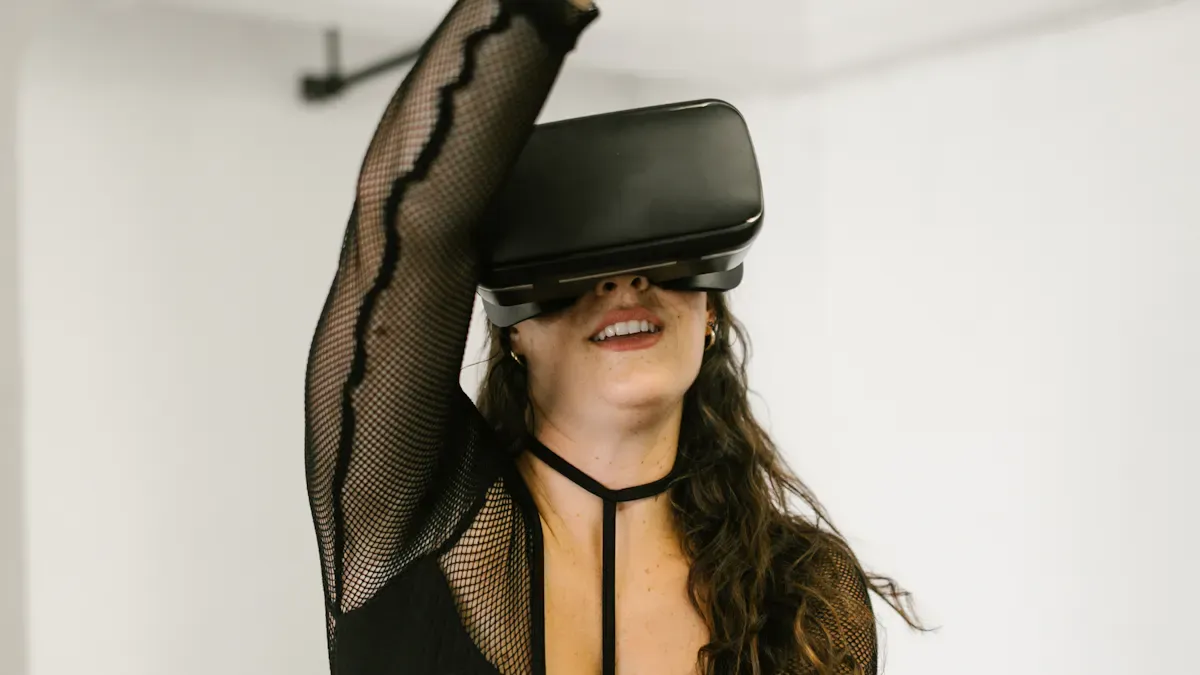
Studies show that virtual reality with therapy helps autistic students learn and join in more. Bubble tubes help students relax and talk to others. The moving lights from bubble tubes help students feel calm and process what they see.
Callout: Good soundproofing and lights you can change are very important for autistic students. Foam padding keeps the room quiet, and mood lighting helps students feel calm.
Asd sensory room customization and integration help autistic students feel safe and happy. Sensory rooms help students reach their goals and make classrooms better for everyone.
Flexible and Budget-Friendly Sensory Spaces

Modular Layouts and Multi-Use Areas
You can make sensory rooms work for many things by using modular furniture. You can move chairs, tables, and beanbags to make new spaces. These spaces can be for group therapy, one-on-one talks, or fun activities. Light seats are easy to move around. Modular layouts let you change the room fast. You can use cozy corners with beanbags for deep pressure. Wiggle cushions help students who need to move. Add footrests, stools, or standing desks to help students sit better and feel less fidgety. Work with occupational therapists to make the room fit students with autism spectrum disorder or other needs.
Tip: Modular layouts help you turn a calm corner into a social spot in just one day.
Affordable Sensory Solutions
You can find sensory tools that do not cost a lot for schools. Many companies sell products that help students and fit your budget. Here is a table with some choices:
Vendor | Key Features |
|---|---|
Abilitations | Classroom sensory tools, movement-based equipment, cost-effective solutions |
FlagHouse | Physical education and sensory integration tools, ideal for therapy and classroom settings |
National Autism Resources | Sensory kits, calming tools, designed for students with autism and ADHD |
Fun and Function | Portable sensory tools, customizable solutions for various sensory needs |
School Specialty | Comprehensive sensory products, integration with IEPs, cost-effective for all sizes |
You can start small by using calm colors, mats, and simple sensory tools. Make a calm corner with soft lights, headphones, fidgets, and relaxing pictures for breaks. Rugs and soft music or white noise help with sound problems. Use sunlight and lamps to make reading spots comfortable.
Accessibility for All Schools
You can make sensory rooms work even if you do not have much money. Try these steps:
Watch the room to keep students safe.
Make rules for using the equipment and keep it in the room.
Teach staff how to use sensory tools the right way.
Put the rules on the wall and use a sign-in sheet.
Only let a few students in the room at once.
Set times for students to use the room with staff help.
Use colors to show students what each item does.
Use a check-in and check-out system to see how students feel.
Keep time in the room short, about 10-15 minutes.
Put up signs to remind students to breathe deeply before and after.
Many schools have problems like busy walls, loud halls, and noisy lunchrooms. You can fix these by making calm corners and sensory-friendly spots. Some schools got grants to build sensory rooms. Others started with mats and calm colors. Customizing and adding sensory rooms helps all students, including those with asd sensory room needs, feel safe and welcome.
Note: Flexible sensory rooms help students reach their goals and make students with autism spectrum disorder and other needs feel calm and included.
Supporting Diverse Needs in Schools with Sensory Rooms
Inclusion for Neurodiverse Students
Schools can be more welcoming with sensory rooms. These rooms help students with autism spectrum disorder and other needs. Escape spaces give students a safe spot to calm down. Students can use these areas to feel better and get control. Sensory rooms help stop disruptive behaviors. They also make students feel more at ease. Multisensory experiences can calm students who do not react much. They also help students who react too much learn to handle it.
Sensory rooms help all students join in.
Escape spaces let students handle big feelings.
Sensory integration rooms help students control their emotions.
You can change the room to fit each student.
Sensory rooms help schools include neurodiverse students and make everyone feel safe.
Culturally Responsive Design
Sensory rooms work better with culturally responsive design. Adding familiar cultural designs helps autistic students feel at home. This makes the room more interesting and less stressful. It helps all students feel like they belong. Culturally responsive sensory rooms reach students from many backgrounds. You can change and blend the room to fit your school. This design helps students feel calm and supports therapy goals.
Collaboration with Families and Specialists
Sensory rooms work best when families and specialists help. Working together helps you pick the right sensory tools. The table below shows how some tools help students feel calm and control emotions:
Sensory Tool | Calming Effect | Helps With Emotional Regulation |
|---|---|---|
Weighted Blanket | Yes | Yes |
Bubble Tube | Yes | Yes |
Visual Timer | Yes | Yes |
Families can share what their child needs in the sensory room. Specialists can give advice on therapy and how to use the room. When everyone works together, sensory rooms help all students do their best.
Tip: Use ideas from families and experts to make sensory rooms better and more welcoming.
Implementation Strategies for Schools with Sensory Rooms
Staff Training and Professional Development
Staff need good training to use sensory rooms well. Training teaches how to use the space, not just the tools. If staff use the room wrong, students might get upset or act out. A trained team can help students with autism spectrum disorder and other needs.
Staff learn how to help students in sensory rooms.
Training shows how to notice stress and use calming tools.
Staff get tips for therapy and using sensory strategies.
Tip: Trained staff help students feel safe and calm in sensory rooms.
Overcoming Common Challenges
Schools with sensory rooms have problems like noise, messy spaces, and touch discomfort. You can fix these with easy solutions. For example, noise-canceling headphones help students who are bothered by sounds. Large-print papers and visual schedules help students who have trouble seeing. Bean bags and fidget tools help students who do not like some textures. Working with families helps you know what each child needs. You can respect family values and ask about their wishes. Loud classrooms make many students anxious, especially those with asd sensory room needs. Letting students use quiet spaces helps them take breaks and feel better.
Sensory Challenge | Common Signs in Students | Effective Classroom Strategies |
|---|---|---|
Auditory Sensitivity | Covers ears, distracted by noise | Noise-canceling headphones, quiet workspace |
Visual Processing Issues | Difficulty reading, visual sequences | Large-print materials, visual schedules |
Tactile Sensitivity | Avoids textures, discomfort | Bean bags, fidget tools, varied tactile options |
Measuring Impact and Success
You can see if sensory rooms work by asking students and staff. Surveys show students feel better after using the room. Most students stay in the room for 31 minutes to an hour. You can use tools like AbilityScore® to track how students grow and get ready for regular classes. When AbilityScore® goes up, life outcomes get better. Changing and adding therapy spaces helps you reach goals for students with asd sensory room needs. You can use surveys and feedback to see if sensory rooms help students feel calm and focused.
Evidence Type | Description |
|---|---|
Feedback from users | Over 300 visitors provided feedback showing the room’s impact. |
Survey results | Positive emotions increased after using the space. |
Usage patterns | Most visitors spent between 31 minutes and an hour in the room. |
Metric | Description |
|---|---|
AbilityScore® | Predicts developmental outcomes and mainstream readiness. |
Correlation with outcomes | Higher scores mean better life outcomes. |
Study Type | Predictive modeling and regression analysis over 12+ months. |
Note: Schools that check how sensory rooms help can make them better for all students.
You can help your school by using new sensory room ideas.
Keep noise down in the room.
Use soft lights that are not too bright.
Give students time to move around.
Sensory rooms help students pay attention and feel relaxed. They also help students act better and support neurodivergent kids. You will notice students join in more and feel happier. Schools want to use smart tools and nature in these rooms soon. You might see AI and VR in sensory rooms. Sensory rooms will be made to fit what each school needs. The market for sensory rooms will get bigger with new things to use. Soon, you will make safe and welcoming sensory rooms for every student.
The future of sensory rooms will bring new ideas and more help for all students.
FAQ
What is the sensory rooms market in schools?
You see the sensory rooms market growing fast in schools. The market helps you find new tools and spaces for students. Schools use the market to improve education and student well-being. You can explore the sensory rooms market for the best solutions.
How does the sensory rooms market support education?
The sensory rooms market gives you access to products that help students learn better. You use the market to find calming tools and adaptive spaces. The market supports education by making classrooms more inclusive. You can use the sensory rooms market to improve learning.
Why do schools invest in the sensory rooms market?
Schools invest in the sensory rooms market to help students feel safe and calm. The market offers tools for stress relief and focus. You use the market to support education and student needs. The sensory rooms market helps schools create welcoming spaces.
How can you choose products from the sensory rooms market?
You look at the sensory rooms market for products that fit your school’s needs. The market offers many options for education and therapy. You compare items in the market for quality and price. The sensory rooms market helps you find the right tools.
What trends shape the sensory rooms market?
You notice new trends in the sensory rooms market, like adaptive lighting and calming zones. The market changes to meet student needs. You use the market to keep up with education innovations. The sensory rooms market grows with new technology and design.
See Also
Essential Guidelines for Creating Sensory Rooms in Schools
Effective Strategies for ASD Sensory Spaces in Schools
Important Elements of Effective ASD Sensory Rooms in Schools
