How to Use an Electronic Experiment Kit for Effective Classroom Learning
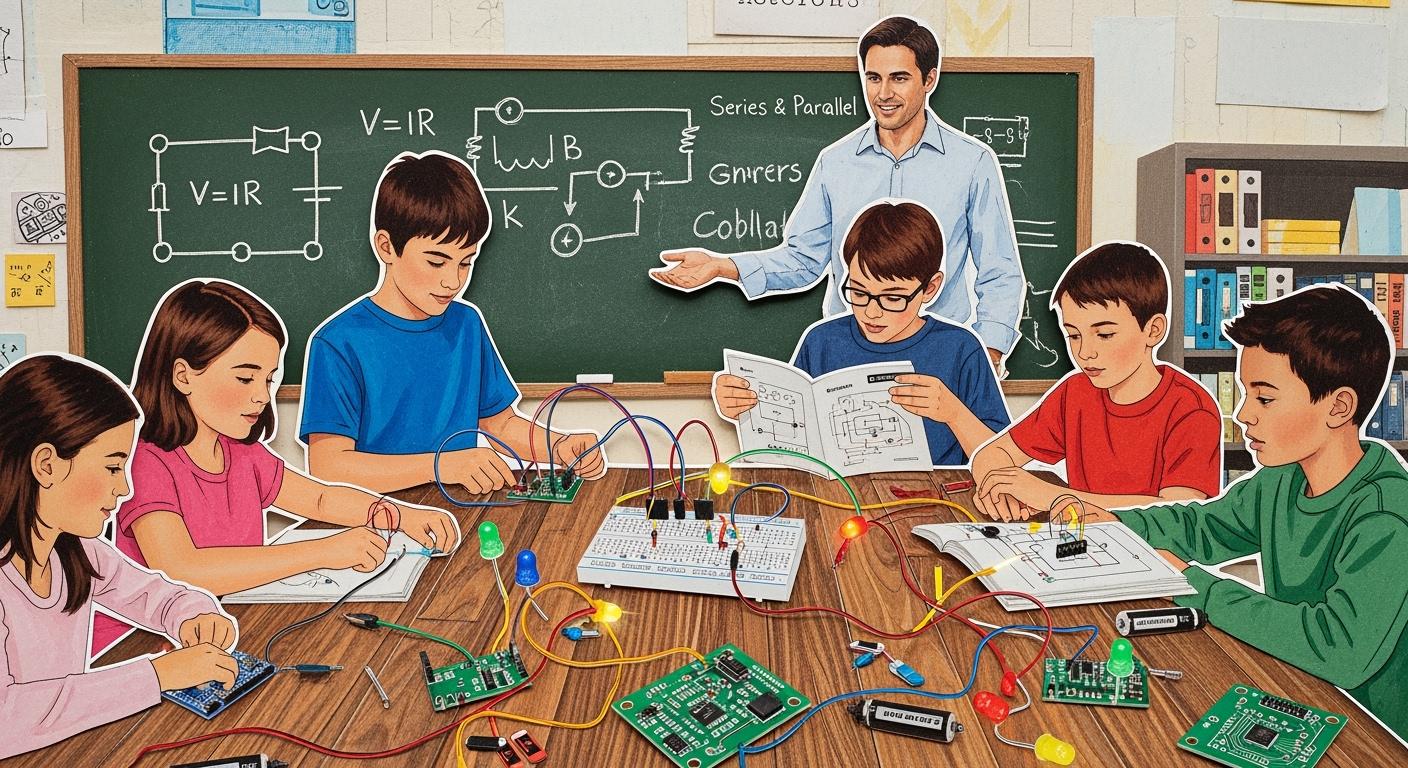
You change classroom learning when you bring in an electronic experiment kit. Students get to use their hands, which makes them curious and excited to learn. Studies show that fun STEM lessons, like using Electronic Building Block Sets, make students want to learn more and help them solve real-life problems. You also help students think deeply and teach them coding, which grows their science skills. Research shows that doing hands-on lab work makes students want to learn and helps more students feel included in STEM.
When you use interactive tools, you give students a way to see and touch ideas, which helps everyone understand important concepts.
Key Takeaways
Using electronic kits helps students get excited about learning. Students pay more attention and want to know more. They ask lots of questions.
There are different kits for each grade level. This makes STEM ideas easy for everyone. Pick projects that fit what students can do.
Safety is very important with electronic kits. Show students how to use them the right way. Make clear safety rules to stop accidents.
Add creativity and problem-solving to your lessons. Let students try new things and learn from mistakes. They can build projects and have fun.
Use electronic kits in many subjects. They help students learn science, technology, engineering, and math. Lessons become more fun and hands-on.
Electronic Experiment Kit Basics
Core Components
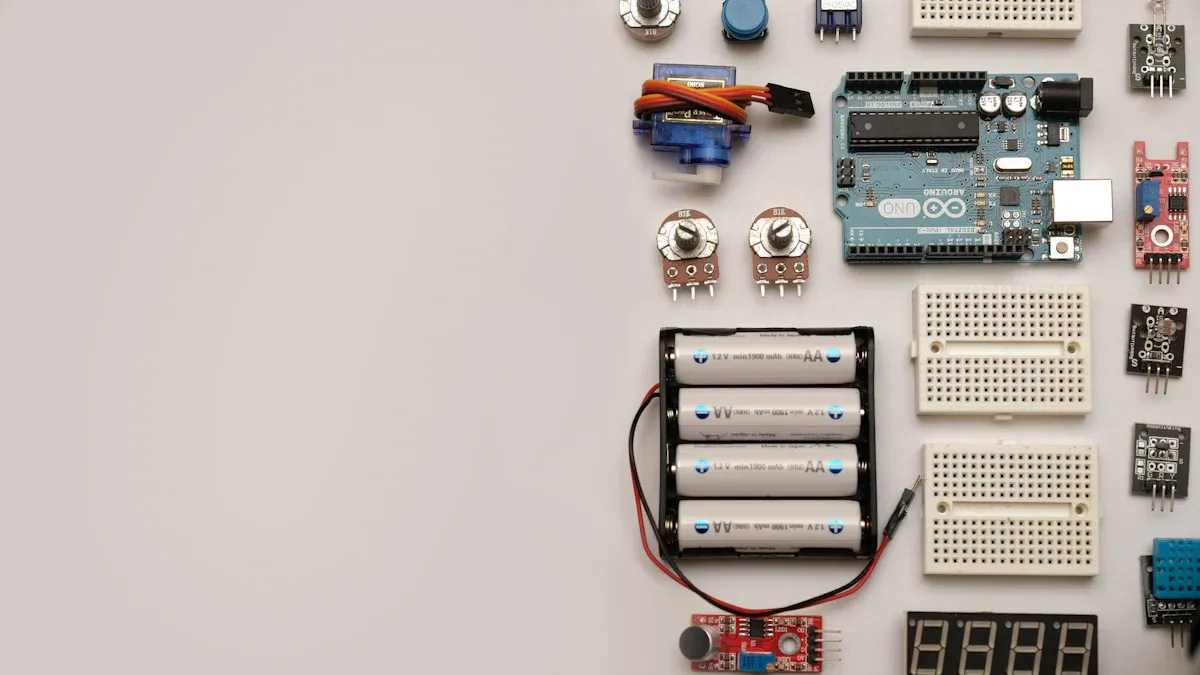
When you open an electronic experiment kit, you see many cool parts. These parts help you learn about stem in a fun way. Most kits have things like:
littleBits for building circuits
Snap Circuits for easy connections
Robots for hands-on coding
Motors to power moving parts
Fuel cells for energy experiments
Wind turbines to learn about renewable energy
Solar power components for green stem projects
Water-powered clocks to show how water can create electricity
You use these parts to build and test electronics. Each part helps you see how stem works in real life. Many kits come with clear instructions. You can follow the steps and learn as you go.
The kit and its parts match what you learn in school. This includes AP Physics, NGSS, GCSE, A level in the UK, and the IB Diploma Programme. The experiments help you practice real skills. You learn to look at data and make good conclusions.
Types for Different Grades
There are different stem electronic kits for each grade. Kits for elementary students teach simple circuits and basic electronics. These kits use bright colors and big pieces. This makes them safe and easy to use. Middle school kits teach more advanced stem ideas. You might try projects with AI or Bluetooth. These kits are still easy but give you a challenge. High school kits are even harder. You get to use coding, microcomputers, and tough hardware. These projects show how electronics and software work together.
Feature | Description |
|---|---|
Instructions | Kits with clear, fun instructions help you learn better. |
Educational Value | Kits that teach you well and keep you interested are best. |
Variety of Projects | Kits with many different projects help you learn more. |
Creativity Integration | Kits that let you be creative with cool pieces are more fun. |
Durability | Strong kit parts are important for classroom use. |
Additional Supplies Required | Kits that do not need extra supplies are easier to use in class. |
You can use stem electronic kits in many ways. They make learning fun and help you build real skills. These kits show you how stem is important in the world.
Hands-On STEM Learning Benefits

Engagement and Curiosity
Electronics make stem lessons more fun for kids. When students use their hands, they get more interested. Teachers see that kids pay better attention in stem class. They also ask more questions. The table below shows how hands-on stem helps students join in:
Study/Source | Key Finding |
|---|---|
Vernier Blog | 92.6% of participants said hands-on lab work inspired them to pursue stem. |
LEGO Education | 87% of teachers saw more engagement; 89% of students learned new things. |
Kids can explore and try new things with stem kits. They get to touch, build, and test electronics. This makes them curious and helps them learn better. Using diy stem kits feels like playing. Kids want to know how things work. This makes them ask more questions and take part in class.
Conceptual Understanding
Hands-on electronics help students learn stem ideas. Kids learn best by doing, not just listening. When students build circuits or code robots, they see stem in real life. The table below shows how hands-on learning helps students understand more:
Evidence Description | Key Points |
|---|---|
Let children explore practical applications and build understanding. | |
Structured lessons with instructions | Connect theory with practice, making stem easier for students to grasp. |
Teamwork and communication in experiments | Encourage inquiry and build confidence in problem-solving. |
Stem kits help all kinds of learners. Some kids learn by seeing, others by doing. You can change your lessons to help everyone. This helps every student do well in stem.
Creativity and Problem-Solving
Letting kids build with electronics helps them be creative. Students use their ideas to solve problems. For example, when kids code a robot or make a gadget, they think in new ways. The table below shows how stem kits help kids grow these skills:
Evidence Description | Key Points |
|---|---|
Children apply stem knowledge to real-world problems. | |
Robotic stem kits develop creative problem-solving | Activities require children to think critically and innovate. |
Students can try, make mistakes, and try again. This helps them feel brave and learn from errors. Using electronics in stem helps kids become creative and good at solving problems.
Lesson Integration with Kits
Step-by-Step Guide
You can make classroom learning better by using a simple process with electronic experiment kits. Here is an easy guide to help you use these kits in your lessons:
Begin with hands-on tasks. Let students touch and use the kit parts. This helps them learn by doing.
Match your lessons to the grade level. Pick easy projects for younger kids. Choose harder ones for older students.
Make safety rules. Teach students how to use electronics safely. Add these rules to your lessons.
Ask students for feedback. Use quick surveys or short checks. Change your lessons if something does not work well.
Plan lessons that link kit activities to your goals. Make sure each project helps students learn what you want.
Get all materials ready before class. Check you have every part from your diy stem kits.
Give simple instructions. Show students how to use each kit part.
Support teamwork. Let students work together and share ideas.
Go over what students learned after each task. Ask questions and let students explain their answers.
Tip: Use a checklist to keep track of each step. This helps you stay organized and makes learning easier.
Sample Activities
You can use electronic experiment kits for many fun and learning activities. Here are some ideas for different grades:
Elementary School:
Art with circuits. Kids draw or build with LED lights. They see how electricity works.
Movement games. Try "electron speed walk" or "attract or repel tag." Kids learn about electricity by playing.
Music games. Use clapping or drumming to show how currents move. Kids explore series and parallel circuits in a fun way.
Middle School:
Build a DIY smart robot car. Students learn about robotics and Bluetooth. This connects lessons to real stem uses.
Put together motor models. Kids see how motors work and learn about energy.
Test fuel cells and solar power. Students find out how these make electricity.
High School:
Make projects with AI and coding. Students use microcomputers and advanced hardware. This builds problem-solving skills.
Build robots and test sensors. Kids learn how electronics and software work together.
Run a clock with water. Students see how water can make electricity.
Grade Level | Activity Example | STEM Concept |
|---|---|---|
Elementary | LED art project | Electricity, circuits |
Middle School | DIY robot car | Robotics, Bluetooth |
High School | AI coding project | Coding, microcomputers |
Note: You can change each activity to fit your lessons and class needs.
Subject Adaptation
You can use electronic experiment kits in many subjects. These kits help you teach science, technology, engineering, and mathematics in new ways. When you add hands-on tasks to your lessons, students become creators and inventors. Kids learn by building circuits and using parts in real projects. This makes learning more fun and helps students understand hard ideas.
In science, you can use kits to show how electricity moves or how renewable energy works. In technology, students can code robots or try Bluetooth devices. In engineering, kids design and build models. In math, students measure data and look at results from experiments. Electronic experiment kits give you all you need for these projects. You help students with each step, making learning easy and fun.
By using hands-on stem activities, you change your lessons. Students stop just memorizing facts and start solving real problems. This gets kids ready for a future where technology and new ideas are important.
Overcoming Challenges in Classroom Learning
Safety and Management
You want all students to be safe with electronic experiment kits. Some kit parts can be dangerous if not watched. For example, batteries can get too hot if used wrong. Motors can pull hair or clothes if kids are not careful. You must teach safety rules before using the kits. Look at this table for common safety problems:
Safety Concern | Description |
|---|---|
Battery Short-Circuiting | Making a circuit without a load can make batteries hot and unsafe. |
Moving Parts Hazards | Motors can grab hair or clothes and hurt someone if not watched. |
You can keep your class safe by doing these things: Set rules for using stem kits. Put numbers on each device to keep track. Give each student their own device to care for. Explain how to use the kits before starting. Use software to help students pay attention.
Tip: Check diy stem kits before class to make sure all parts are safe and working.
Resources and Budget
You might worry about how much stem kits cost. Some schools get money from grants to buy kits like Squishy Circuits, Makey Makey, and Snap Circuits. Alden Intermediate School got a grant to make a makerspace. Cazenovia Middle School got $1,651.18 for its project. You can look for grants or donations to help your school buy kits. Here is a chart that shows how schools spend money on kits:

You can also see a table with ways to save money on kits:
Component | Amount ($) | Description |
|---|---|---|
Research and Development | 25,000 | Money for making and designing learning kits. |
Training Workshops | 10,000 | Helps teachers and caregivers learn to use kits. |
Marketing and Outreach | 5,000 | Tells the community about the kits. |
Evaluation and Feedback | 10,000 | Checks how well the kits work and gets ideas for improvement. |
Teacher Support
Teachers need help to use stem kits in class. Many workshops show you the best ways to teach with kits. One workshop gives five hours of training and a kit for $299. You learn how to teach kids to think, work together, and be creative. Steve Spangler leads this workshop and shares new teaching ideas.
Feature | Description |
|---|---|
Course Type | On-demand workshop for stem education |
Target Audience | Pre-K to 8th-grade teachers, coaches, and administrators |
Duration | 5 hours of professional development credit |
Cost | $299 |
Included Materials | Workshop kit with supplies |
Learning Focus | Best teaching practices, problem-solving, collaboration, creativity |
Instructor | Steve Spangler |
Registration Link |
You can join online groups for more help. EDC gives expert advice for learning. SPK lets you share ideas with other teachers. DDS, iEARN, and PPS connect you and your students with people around the world. These groups help you solve problems and make stem lessons better for kids.
You can make your classroom more fun with electronic experiment kits. First, teach students safety rules and important words. Help them explore and ask questions as they work. After each activity, talk with them about what they learned. Connect their ideas to science topics. Using these kits often helps students in many ways:
Get better at solving problems
Learn more about electronics
Start thinking like inventors
Hands-on STEM activities help all students join in, make things, and learn better.
FAQ
What should you do if a kit part breaks?
You should tell your teacher right away. Do not try to fix it yourself. Your teacher can check the part and get a safe replacement.
How do you keep all the kit pieces organized?
Tip: Use small boxes or bags for each group. Label each container with the kit name. This helps you find parts quickly and keeps your classroom neat.
Can you use these kits for homework?
Some kits work best in class. If your teacher says it is okay, you can take simple kits home. Always follow safety rules and return all parts.
What if you do not understand an experiment?
Ask your teacher for help.
Work with your group to solve the problem.
Read the instructions again.
Watch a video if your kit has one.
See Also
Discovering Top Science Experiment Kits for Young Learners
Key Factors Educators Consider When Selecting Science Kits
Investigating Practical Applications of STEM Learning Toys
